
California Senator Jerry McNerney recently announced a landmark legislative proposal, the No Robo Bosses Act. The introduction of this bill marks an important step in the regulation of artificial intelligence (AI) and workplace relations, becoming the first bill in the United States to ensure human supervision in artificial intelligence decision-making.
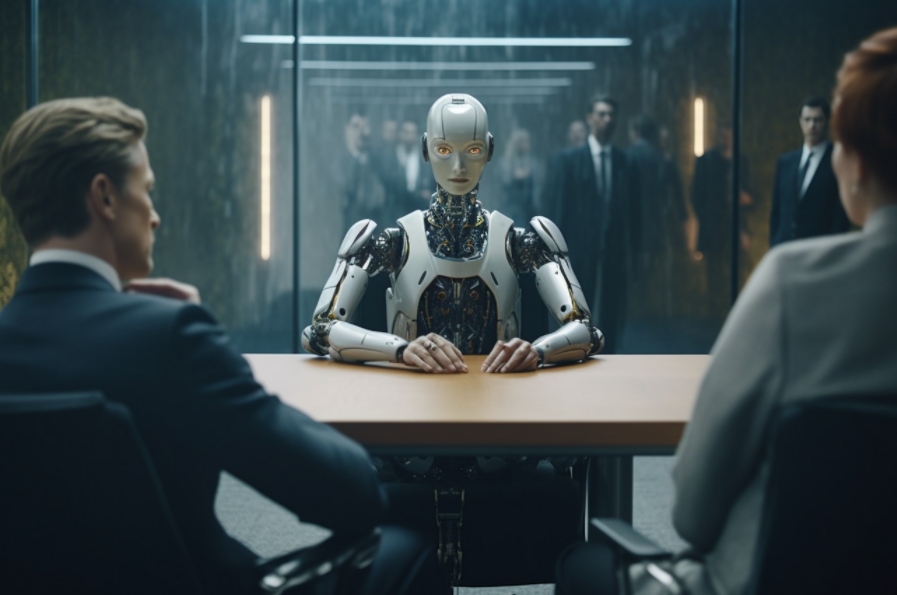
The central part of the bill is to prohibit California employers from relying entirely on artificial intelligence or automated decision-making systems (ADS) in key human resource decisions. These decisions include recruitment, promotion, punishment and dismissal. In addition, the bill specifically prohibits the use of AI systems based on personal data to predict future behavior of employees to prevent potential infringement of employees’ privacy and rights.
Senator McNaney emphasized at the bill launch conference: "As enterprises increasingly adopt artificial intelligence technologies to improve efficiency and productivity, we must ensure that these technologies are not abused, resulting in unfair or illegal workplace decisions." He further pointed out that the application of artificial intelligence should have clear rules and regulations to protect the rights and interests of employees and avoid the negative impact of technology abuse on employees' livelihoods and working conditions.
The bill was fully supported by the California Federation of Labor Unions (AFL-CIO). The organization represents more than 1,300 unions and has more than 2.3 million members. "Employees should not report to a robot boss without emotion when facing risks or emergencies at work. We need to ensure that human dignity and rights in the workplace are fully protected."
In addition, South Los Angeles Congressmen Sade Elhawary and Isaac Bryan also supported the bill. They believe that in the context of rapid technological development, ensuring the balance between humans and technology in the workplace is crucial. “We cannot let technology replace human judgment and empathy, especially in key decisions involving the career and well-being of employees,” Elhavari noted.
With the widespread application of artificial intelligence technology in all walks of life, how to rationally use AI in the workplace has become a social problem that needs to be solved urgently. The proposal of the "Robot-Free Boss Act" not only provides a regulatory framework for California, but also provides reference for other regions across the United States to deal with similar issues. The passage of the bill will help ensure that while improving efficiency, artificial intelligence technology will not harm the rights and fairness of employees.
Key points:
California Senator Jerry McNaney launches the Robot-Free Boss Act, aiming to ensure human supervision in the AI decision-making process.
The bill prohibits employers from relying entirely on AI or automation systems in key decisions such as recruitment, promotion, punishment and dismissal.
The California Labor Federation and other supporters stressed that the passage of the bill will effectively protect employee rights and prevent technology abuse.