
An experiment at the University of Reading in the UK sparked widespread concern about artificial intelligence in education. Researchers used ChatGPT-4 to generate exam answers and submitted them as fake students. The results were shocking: the AI-generated answers not only fooled the professor, but even scored higher than average. This experiment not only reveals the progress of AI technology, but also poses a severe challenge to the traditional education evaluation system.
Researchers at the University of Reading in the UK secretly submitted exam answers generated by artificial intelligence, successfully fooling professors and getting better grades than real students. This project uses ChatGPT-4 to generate unedited answers and submit them to online assessments for undergraduate courses under false student identities.
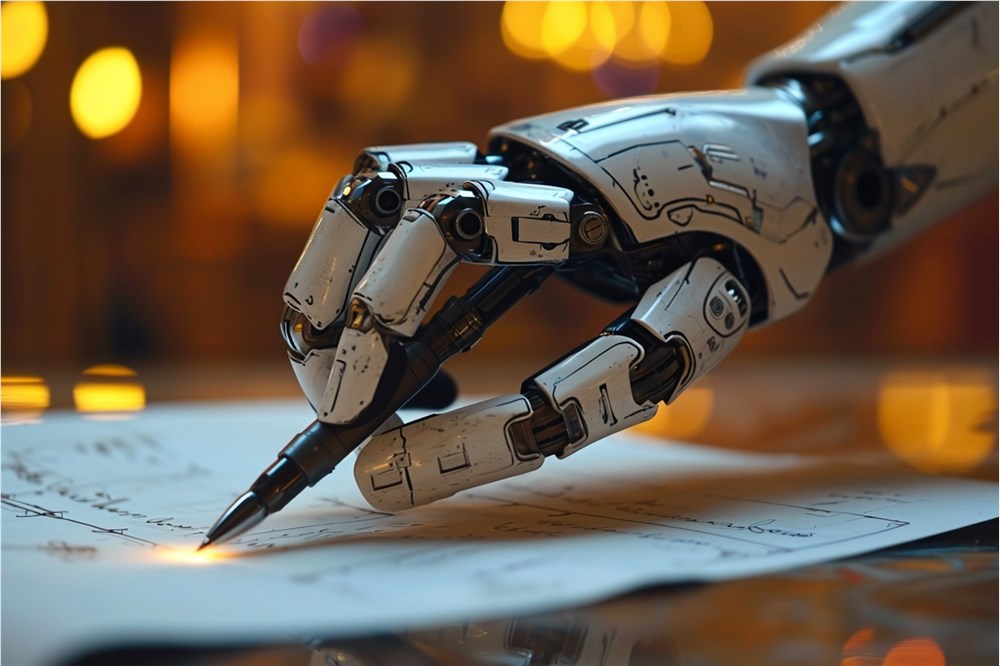
Surprisingly, the university marking professor only found that one of the 33 answers came from AI, and the other AI answers scored even higher than the average student grade. The authors say that this discovery shows that AI processors such as ChatGPT have now passed the "Turing test", that is, they are able to pass without being detected by experienced taggers.
The conclusion of the study shows that AI’s abstract reasoning capabilities are constantly increasing, while its detectability is decreasing, which poses a serious challenge to the integrity of educational assessments. Experts say the findings spell the end of take-home exams or unsupervised coursework. They called on the educational community to think deeply about the use of AI in teaching evaluation and find solutions to avoid a crisis of trust.
Elizabeth Macrum, vice-chancellor of education at the University of Reading, said universities are gradually moving away from take-home online exams and developing alternatives, including applying knowledge to real-life and work scenarios. He also pointed out that some assessments will support students' use of AI, teach them how to use it critically and ethically, and develop the skills they need in the modern workplace. But experts are also concerned that allowing students to use AI in exams could lead to a decline in their skills or even the loss of their ability to think, analyze and write independently.
Highlights:
⭐ Researchers at the University of Reading successfully fooled professors, sparking concerns in the education sector about the integrity of assessments
⭐ AI’s abstract reasoning capabilities are enhanced, but its detectability is reduced, posing a challenge to the integrity of educational assessments
⭐ Universities are gradually abandoning take-home online exams. Experts are worried about the loss of students’ skills and call for in-depth thinking on the use of AI in education.
This research forces educational institutions to re-evaluate teaching and assessment methods. In the future, education may need to focus more on cultivating students' critical thinking and problem-solving skills, rather than relying solely on traditional examination formats. How to ensure the fairness and effectiveness of education in the AI era will be an ongoing challenge.