
A recent study reveals the amazing potential of artificial intelligence (AI) in work scenarios. Research shows that individuals using AI can match traditional two-person teams in their work performance. The study was participated by 776 Procter & Gamble experts who developed product ideas for multiple business units in a day-long workshop. The study divided participants into two groups: one was a team of a business expert and a technical expert, and the other was a separate individual. Among them, half of the teams and individuals gain access to GPT-4 and GPT-4o.
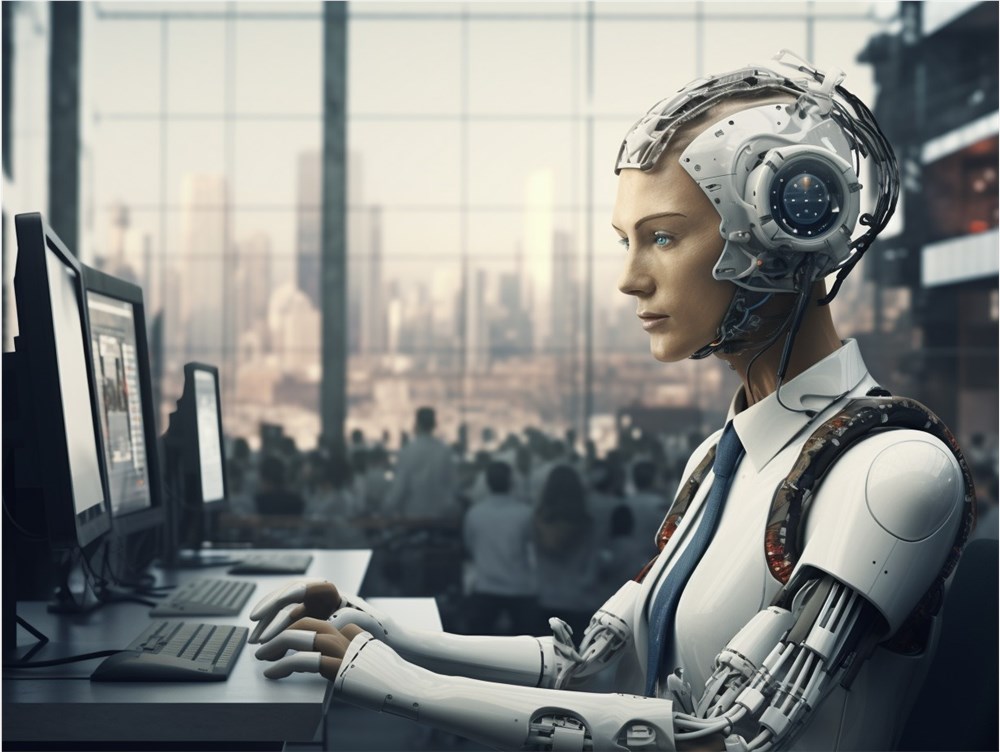
Image source notes: The image is generated by AI, and the image authorized service provider Midjourney
The research results show that teams without AI performed better than individuals, leading by 24%. However, individuals using AI improved their performance by 37%, reaching the same level as teams without AI. In addition, the overall performance of teams using AI increased by 39%, although the differences from individual AI use were not statistically significant. Teams using AI are particularly outstanding in generating high-quality solutions, which can triple the chances of high-quality solutions.
The study also found that teams using AI work faster by 12% to 16%, and can provide longer and more detailed solutions. More than 75% of AI-generated content was retained within the group, showing that AI significantly enhances productivity in teamwork.
The research results show that AI technology can balance the gap between different experts. In the absence of AI, technical experts usually focus on technical solutions, while sales experts focus more on the market. With the support of AI, both sides began to produce more comprehensive proposals. This effect is particularly evident among less experienced product developers, who perform at the same level as experienced team members after using AI.
Contrary to the assumption that common techniques bring stress, participants felt more positive emotions like enthusiasm and vitality when using AI, while anxiety and frustration were significantly reduced. Researchers suggest companies revisit AI, not just as a productivity tool, but as additional team members.
However, the study also points to some limiting factors. Research design may limit the potential of AI because it is primarily used as a chatbot, and chat performs well in fast conception, but the quality of the solution depends in part on luck and user expertise. In addition, in a complex real-life enterprise environment, the researched single-day workshop format failed to fully reflect actual work.
Key points:
Individuals using AI can match a two-person team in their work performance.
AI technology can improve team work efficiency and generate more high-quality solutions.
AI should not only be a tool, but also a team member, which can promote teamwork and knowledge sharing.