
Recently, the U.S. Center for Investigative Journalism (CIR) filed a lawsuit against OpenAI and Microsoft, accusing them of using CIR's copyrighted content to train artificial intelligence models without authorization, triggering extensive discussions about copyright issues in AI model training. This move is not an isolated case. Many media organizations and authors are also going to court with the two technology giants over similar issues, highlighting the urgency and complexity of copyright protection in the development of artificial intelligence. This article will provide a detailed analysis of CIR’s lawsuit and the deep contradictions behind it.
The Center for Investigative Journalism (CIR) has accused OpenAI and Microsoft of using copyrighted materials to train their artificial intelligence models. A complaint filed in New York federal court alleges that OpenAI exploited CIR content without permission or payment.
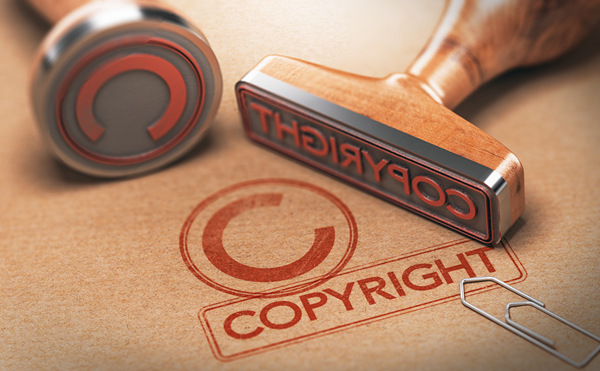
CIR CEO Monika Bauerlein highlighted the existential threat posed by AI tools that replace direct engagement with Mother Jones and Reveal's original content. According to Bauerlein, this jeopardizes the financial foundation of independent news organizations.
However, several companies have filed lawsuits against OpenAI and Microsoft, including the New York Times, the Daily News New York, and many best-selling authors. By suing the two companies, the legal battles have brought into public view the contentious issue of using copyrighted material for training in the age of artificial intelligence without proper licensing.
OpenAI and other artificial intelligence developers argue that their use of publicly accessible content falls within the “fair use” doctrine of U.S. copyright law. Nonetheless, some news organizations, including The Associated Press, The Wall Street Journal and Time Magazine, have chosen to enter into licensing agreements with OpenAI to receive compensation for their content. Recently, Time magazine announced a multi-year agreement granting OpenAI access to its archives.
Highlight:
- CIR accuses OpenAI and Microsoft of using copyrighted materials to train their artificial intelligence models.
- Several companies have filed lawsuits against OpenAI and Microsoft, including the New York Times, the Daily News New York, and many best-selling authors.
- OpenAI and other artificial intelligence developers argue that their use of publicly accessible content falls within the “fair use” doctrine of U.S. copyright law.
CIR’s lawsuit and other similar legal actions indicate the complexity and challenges of copyright issues in the future development of artificial intelligence. How to strike a balance between AI technology innovation and copyright protection will become a key issue that requires joint efforts from all parties. This is not only related to the interests of technology companies, but also related to the rights and interests of content creators and the healthy development of the entire information ecosystem.