imago
1.0.0

Imago是通用LISP的圖像操縱庫。它支持PNG,PCX,便攜式位圖(.pnm),TrueVision TGA(.TGA)和JPEG格式中的圖像。您可以使用imago:read-image ,並使用imago:write-format編寫圖像,其中format是png , pcx , pnm , tga或jpg之一。
您可以使用更高級的Libjpeg-Turbo庫來通過加載imago/jpeg-turbo系統來處理JPEG文件。確保系統上安裝了libjpeg-turbo 。使用imago-jpeg-turbo:read-jpg-turbo和imago-jpeg-turbo:write-jpg-turbo函數(或只是imago:read-image和imago:write-image )來使用此功能。
您可以使用更高級和更快的pngload庫來通過加載imago/pngio系統來讀取PNG文件。使用imago-pngio:read-png (或只是imago:read-image )來使用此功能。 NB: pngload會自動將索引的顏色圖像轉換為RGB(或ARGB)圖像。如果要使用索引圖像,請改用舊的PNG加載程序。 ZPNG(通過imago-pngio:write-png )庫也將用於保存PNG圖像。
要創建圖像,請查看圖像類別的文檔(例如imago:rgb-image imago:grayscale-image image )。您需要通過傳遞:w , :h和可選的:initial-color關鍵字參數以make-instance 。另外,您可以使用make-XXX-image和make-XXX-image-from-pixels功能:
 ;; Create 100x100 px black grayscale image
(imago:make-grayscale-image 100 100)

;; Create 400x100 px red RGB image
(imago:make-rgb-image 400 100 (imago:make-color 255 0 0))

;; Create 400x100 px half-transparent red RGB image
(imago:make-rgb-image 400 100 (imago:make-color 255 0 0 127))

;; Create an image from an array of pixels
(imago:make-rgb-image-from-pixels
 (make-array '(100 100)
             :element-type 'imago:rgb-pixel
             :initial-element (imago:make-color 0 255 255)))
大多數示例都是從這裡開始的。
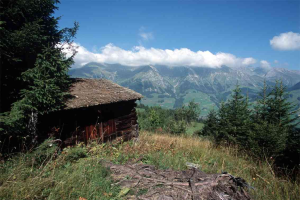
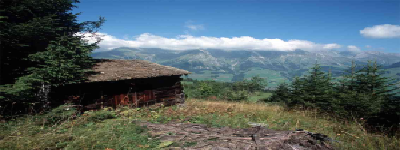
(resize *image* 400 150)
| 原來的 | 處理 |
|---|---|
 |  |
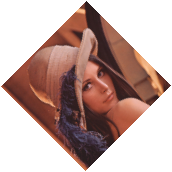
(rotate *image* 45)
| 原來的 | 處理 |
|---|---|
 |  |
(emboss *image* :angle (* pi 0.75) :depth 1.0)
| 原來的 | 處理 |
|---|---|
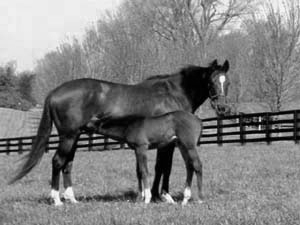 | 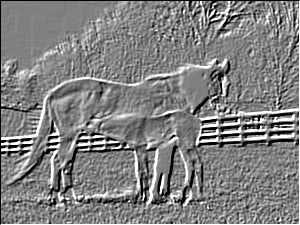 |
 (let ((kernel #2A((0  0  0  0  0)
                  (0  0  1  0  0)
                  (0  1 -4  1  0)
                  (0  0  1  0  0)
                  (0  0  0  0  0))))
  (convolve *image* kernel 1 0))
| 原來的 | 處理 |
|---|---|
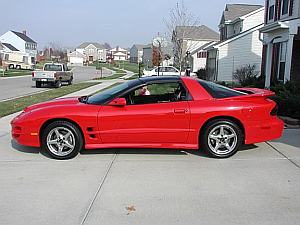 | 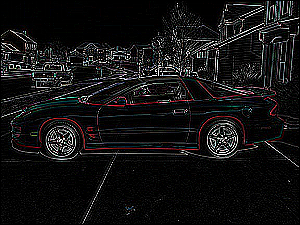 |
 (do-region-pixels (*image* color x y 70 65 140 125)
  (setf color (invert-color color)))
| 原來的 | 處理 |
|---|---|
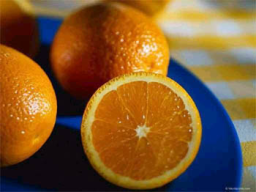 | 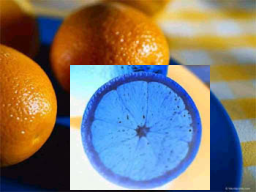 |
(enhance-contrast *grayscale-image*)
| 原來的 | 處理 |
|---|---|
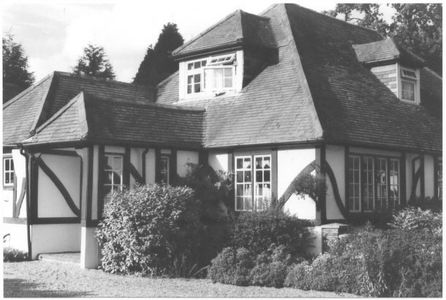 | 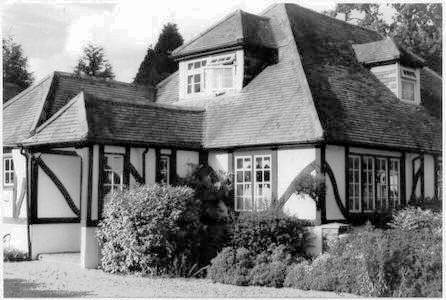 |
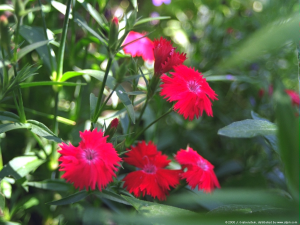
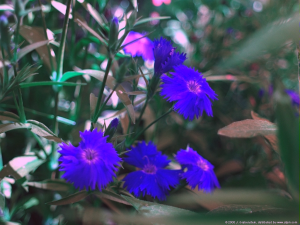
 (do-image-pixels (*image* color x y)
  (multiple-value-bind (r g b) (color-rgb color)
    (setf color (make-color b
                            (floor (* g 0.8))
                            r))))
| 原來的 | 處理 |
|---|---|
 |  |
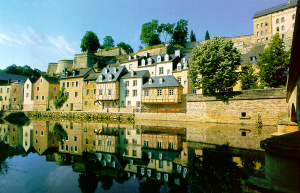
 (let ((operator (default-compose-operator *image1*)))
  (compose nil *image1* *image2* 20 20 operator))
| 原始1 | 原始2 | 處理 |
|---|---|---|
 |  |  |
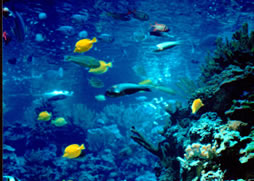
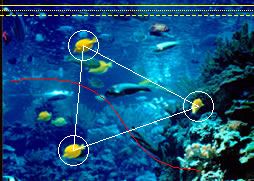
 (let ((points '(83 45 73 150 73 150 198 106 198 106 83 45)))
  (draw-polygon *image* points +white+ :closed t))
(draw-circle *image* 83 45 15 +white+)
(draw-circle *image* 73 150 15 +white+)
(draw-circle *image* 198 106 15 +white+)
(draw-bezier-curve *image* 10 80 150 60 100 170 200 170 +red+)
(draw-line *image* 0 5 254 5 +yellow+)
(draw-line *image* 0 10 254 10 +yellow+ :dash-length 1 :dash-interval 1)
(draw-line *image* 0 15 254 15 +yellow+ :dash-length 4 :dash-interval 2)
| 原來的 | 處理 |
|---|---|
 |  |
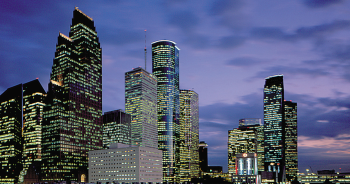
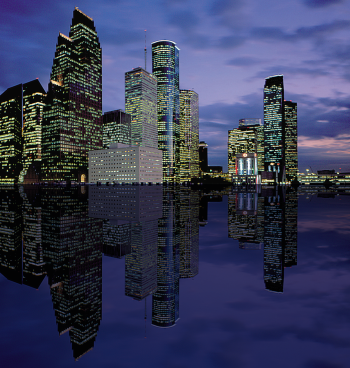
 (defun sea-view (image)
  (let ((image2 (flip nil image :horizontal)))
    (do-image-pixels (image2 color x y)
      (multiple-value-bind (r g b)
          (color-rgb color)
        (setf color (make-color (floor r 3) (floor g 3) (floor b 2)))))
    (let* ((width (image-width image))
           (height (image-height image))
           (result (make-instance (class-of image)
                                  :width width :height (* height 2))))
      (copy result image)
      (copy result image2 :dest-y height)
      result)))
| 原來的 | 處理 |
|---|---|
 |  |
此示例需要蛇和數組操作系統(在QuickLisp中可用)。
 (defpackage components-example
  (:use #:cl
        #:snakes
        #:imago)
  (:export #:convert-to-image))
(in-package :components-example)

(defgenerator generate-colors ()
  (loop while t do
    (yield (make-color (random 256)
                       (random 256)
                       (random 256)))))

(defgenerator black ()
  (yield (make-color 0 0 0)))

(defun convert-to-image (components)
  (declare (type (simple-array fixnum (* *)) components))
  (let ((colors (take (1+ (reduce #'max (aops:flatten components)))
                      (chain (black)
                             (generate-colors))))
        (image (make-array (array-dimensions components)
                           :element-type 'rgb-pixel)))
    (array-operations/utilities:nested-loop (i j)
        (array-dimensions components)
      (setf (aref image i j)
            (nth (aref components i j) colors)))
    (make-instance 'rgb-image :pixels image)))

(in-package :cl-user)
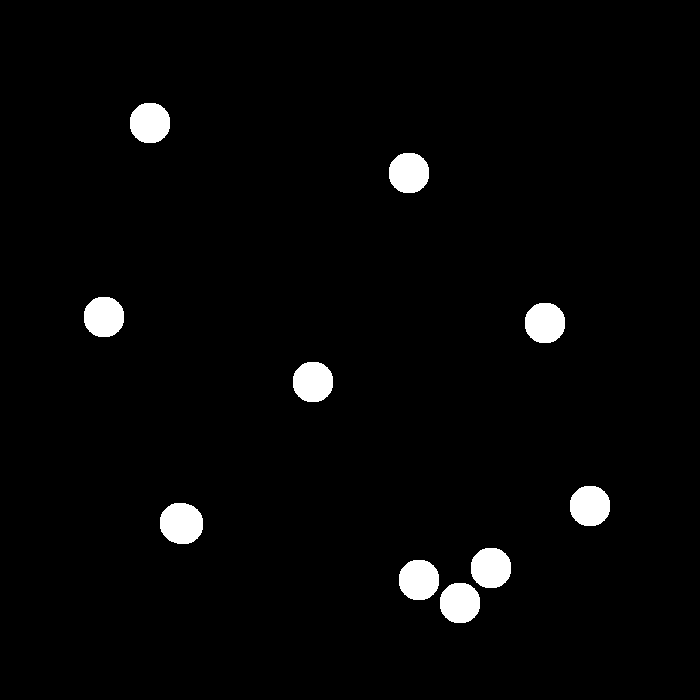
(let* ((image (imago:read-image "~/.quicklisp/local-projects/imago/tests/spheres.png"))
       (components (imago:label-components (imago:convert-to-binary image 1))))
  (components-example:convert-to-image components))
| 原來的 | 處理 |
|---|---|
 |  |
計算平方的歐幾里得距離變換(也可以使用曼哈頓距離變換)。此示例需要array-operations 。
 (defun edt-image (image)
  (declare (type imago:binary-image image))
  (let* ((dt (imago:distance-transform image :type :edt))
         (max (reduce #'max (aops:flatten dt)))
         (pixels (make-array (array-dimensions dt) :element-type 'imago:grayscale-pixel)))
    (map-into (aops:flatten pixels)
              (lambda (x) (imago:make-gray (floor (* 255 x) max)))
              (aops:flatten dt))
    (make-instance 'imago:grayscale-image :pixels pixels)))

(edt-image original-image)
| 原來的 | 處理 |
|---|---|
 |  |
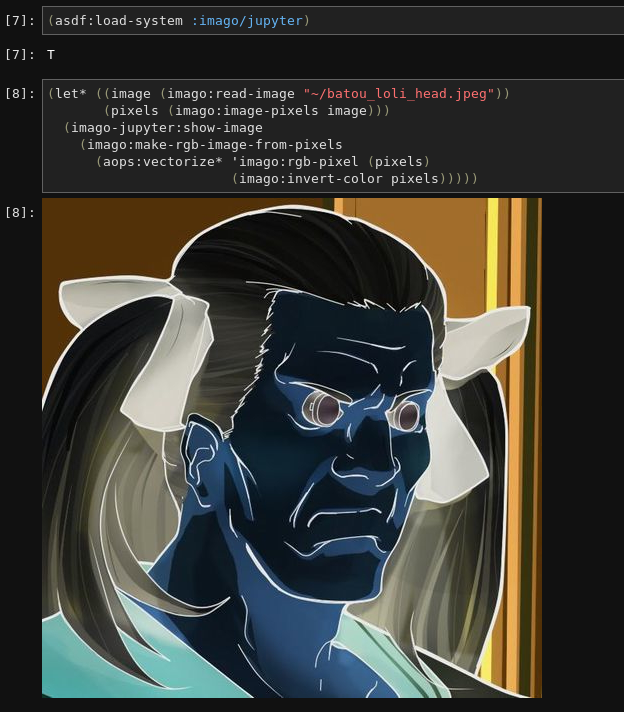
您可以通過安裝imago/jupyter系統在Jupyter中查看Imago圖像。然後調用imago-jupyter:show-image函數以顯示圖像。