Parrot Security Guide
1.0.0


NOTA: Você pode converter facilmente este arquivo de marcação em um PDF no VSCode usando este prático PDF de marcação de extensão.

Começando
Obtendo software
Jogos
Desenvolvimento de jogos
Configurando um espaço de trabalho do MacOS
Configurando um espaço de trabalho do Windows 10
Usando aplicativos Android e Android no Linux
Edição profissional de áudio/vídeo
Kubernetes
Aprendizado de máquina
Robótica
Segurança de código aberto
Privacidade diferencial
Desenvolvimento nativo em nuvem
Desenvolvimento de DevOps
Networking
Bancos de dados
O Parrot Security OS é uma distribuição Linux baseada em Debian, de código aberto, voltado para várias tarefas de segurança da informação, como testes de penetração, pesquisa de segurança, forense de computador, engenharia reversa e criptografia. Ele vem com o Mate como o ambiente de desktop padrão e é desenvolvido pela equipe FrozenBox.
A Parrot Security Edition é um sistema operacional de finalidade especial projetado para teste de penetração e operações da Red Team. Ele contém um arsenal completo de ferramentas Pentest Ready to Use.
A Parrot Home Edition é um sistema operacional de uso geral com a aparência típica do papagaio. Esta edição foi projetada para uso diário, privacidade e desenvolvimento de software. As ferramentas de papagaio podem ser instaladas manualmente para montar um ambiente de pentestes personalizado e leve.
A IoT de Parrot e os aparelhos em nuvem são edições especiais da segurança de Parrot feitas para dispositivos incorporados, ambientes em nuvem, máquinas virtuais e outras implantações especiais.
Documentação de segurança do Parrot
Parrot Security Github
Fórum comunitário
Equipe de segurança do Parrot
Doe para o Projeto de Segurança de Parrot
O ETCHER é um software de plataforma cruzada de código aberto que facilita a flash de imagens do sistema operacional para um cartão microSD ou dispositivo USB.
Rufus é um pequeno aplicativo que cria unidades USB inicializáveis, que podem ser usadas para instalar ou executar o Microsoft Windows, Linux ou DOS.
De volta ao topo
Nota 1: Todo esse software também está disponível em outras distribuições populares do Linux, como Debian, Linux Mint, Elementary SO, Pop! _OS, Fedora, Manjaro Linux, Endeavouros e Arch Linux.
Nota 2: Para novos usuários não confortáveis com o uso do checkout da linha de comando, a seção Aplicativos essenciais para começar. Além disso, se você rolar para baixo, verá outras maneiras fáceis de obter aplicativos de software através do Flathub, Snap Store e Appimages.
Navegador do Google Chrome
Navegador Microsoft Edge
Código do Visual Studio ou Vscodium
Equipes da Microsoft
Microsoft 365 com aplicativos do Office (anteriormente Office Online)
Google Workspace (anteriormente G Suite)
Zoom
Como instalar o iCloud no Ubuntu
O PCLOUD é o armazenamento em nuvem seguro (como o Googledrive), onde você pode armazenar, compartilhar e trabalhar em todos os seus arquivos. Você pode acessá -los em qualquer dispositivo, em qualquer lugar que você vá.
O Jitsi Meet é uma solução de videoconferência de código aberto 100% totalmente criptografado.
O aplicativo da Web WebEx do Cisco é a versão baseada na Web da solução de videoconferência do Cisco WebEx.
Folga
Trello Web App
Skype
Discórdia
TeamViewer
Spotify
A Apple Music (Web) é a versão do aplicativo da web do Apple Music que é executada no Safari, Google Chrome e Mozilla Firefox.
O Matlab Online permite que os usuários usem o MATLAB e o simulink através de um navegador da Web como o Google Chrome.
O Adobe Lighroom Online Photo Editor é uma versão da Web online do Adobe Photoshop Lightroom. Conta da Adobe necessária para entrar no aplicativo.
O Adobe Spark (Web) é um aplicativo que permite fazer gráficos sociais legais, vídeos curtos e páginas da web. Conta da Adobe necessária para entrar no aplicativo.
O Photopea é um editor de imagens on -line avançado que suporta formatos PSD, XCF, Sketch, XD e CDR. (Adobe Photoshop, Gimp, Sketch App, Adobe XD, CorelDraw).
O mestre editor de PDF é simples e fácil de usar o aplicativo para trabalhar com documentos em PDF equipados com poderosa funcionalidade multiuso. Com o editor mestre em PDF, você pode visualizar, criar e modificar documentos PDF facilmente.
O Crossover Linux® é uma camada de compatibilidade do Microsoft Windows (baseada no vinho (o vinho não é um emulador)). A camada de compatibilidade de crossover permite que milhares de aplicativos baseados no Windows sejam executados no Linux, MacOS ou Chrome OS.
O WinApps for Linux é um programa que executa aplicativos do Windows como Microsoft Office & Adobe em Linux (Ubuntu/Fedora) e Gnome/KDE como se fizessem parte do sistema operacional nativo, incluindo a integração de Nautilus para clicar com o botão direito em arquivos de tipos específicos de mímica para abri -los.
O Editor de vídeo da DaVinci Resolve é uma solução completa de edição de vídeo que combina edição profissional de 8k, correção de cores, efeitos visuais e pós -produção de áudio, tudo em uma ferramenta de software.
O Reaper Audio Editor é um aplicativo de produção de áudio digital completo para computadores, oferecendo um áudio multitrack completo e gravação MIDI, edição, processamento, mistura e masterização do conjunto de ferramentas.
O Flameshot é um software poderoso, mas simples de usar, screenshot.
O Timeshift for Linux é um aplicativo que fornece funcionalidade semelhante ao recurso Restauração do sistema no Windows e à máquina -ferramenta do tempo no Mac OS. O TimeShift protege seu sistema tirando instantâneos incrementais do sistema de arquivos em intervalos regulares. Esses instantâneos podem ser restaurados posteriormente para desfazer todas as alterações no sistema.
O Stacer é um otimizador de sistema de código aberto e um monitor de aplicativos que ajuda os usuários a gerenciar todo o sistema. Também disponível como um appimage.
O NativeFier é uma ferramenta de linha de comando para criar facilmente um aplicativo de desktop para qualquer site com configuração mínima. Os aplicativos são embrulhados pelo Electron (que usa cromo sob o capô) em um sistema operacional executável (.app, .exe, etc) para uso no Windows, MacOS e Linux.
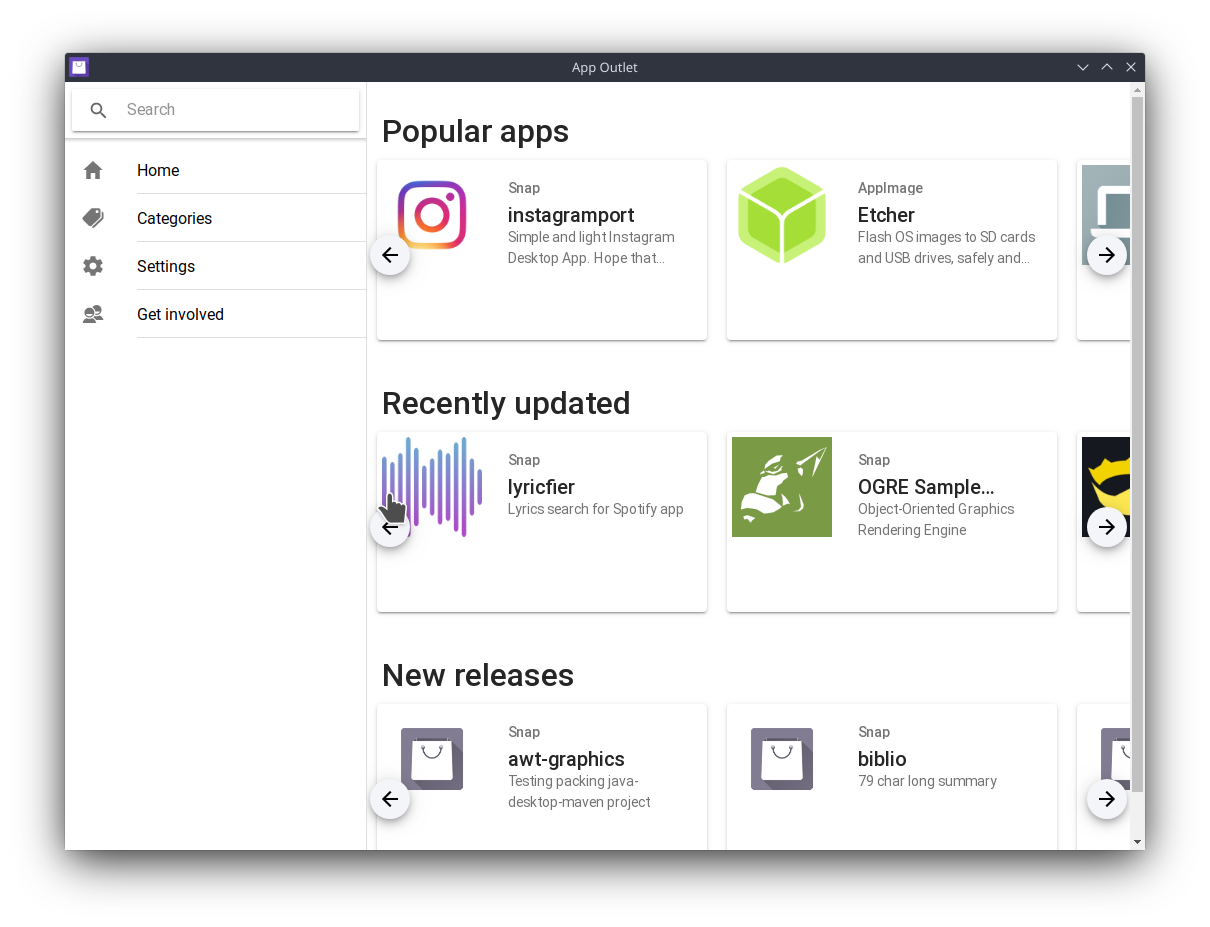
A App Outlet é um loja de aplicativos universal (Flatpaks, Snaps e Appimages) inspirado no serviço on -line da Linux App Store.
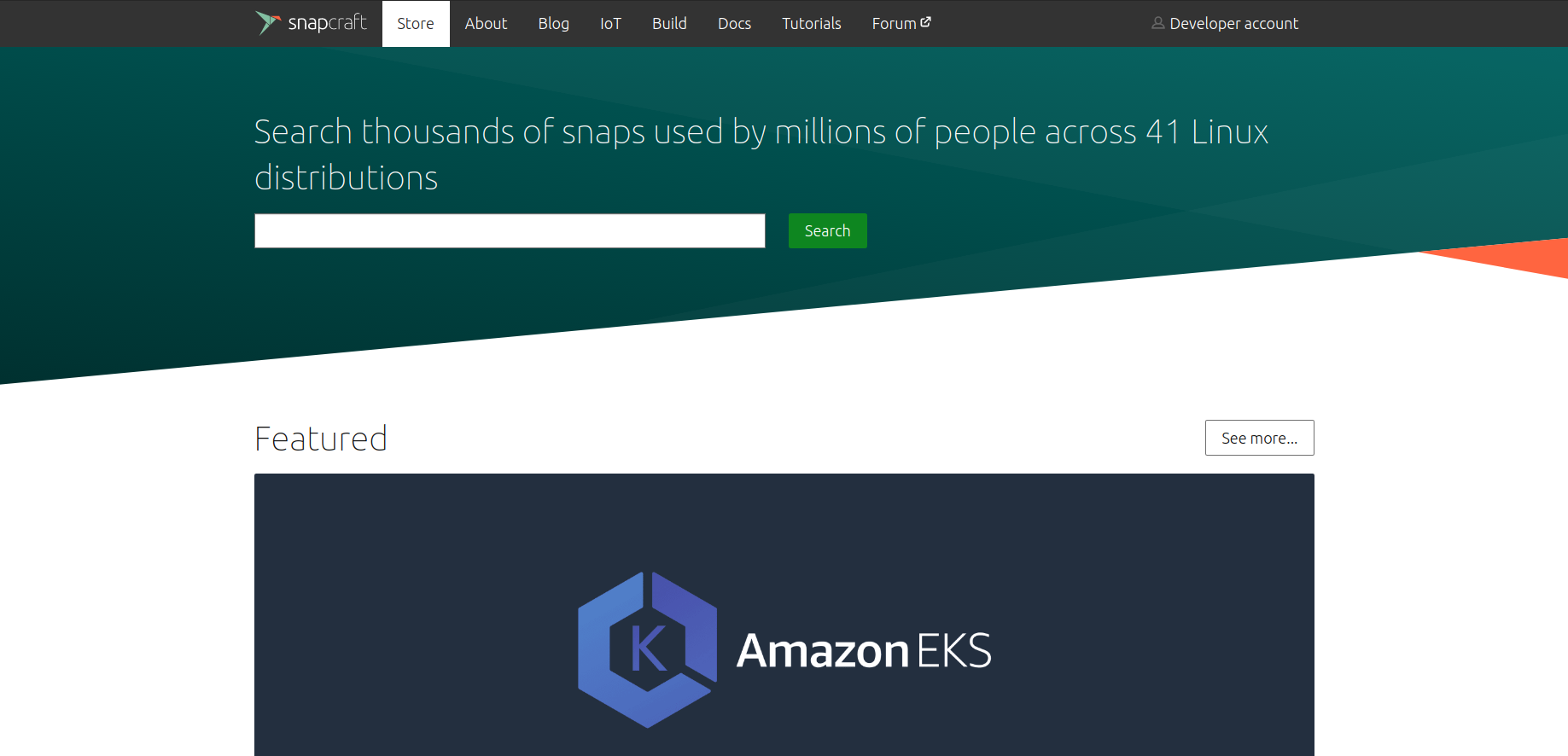
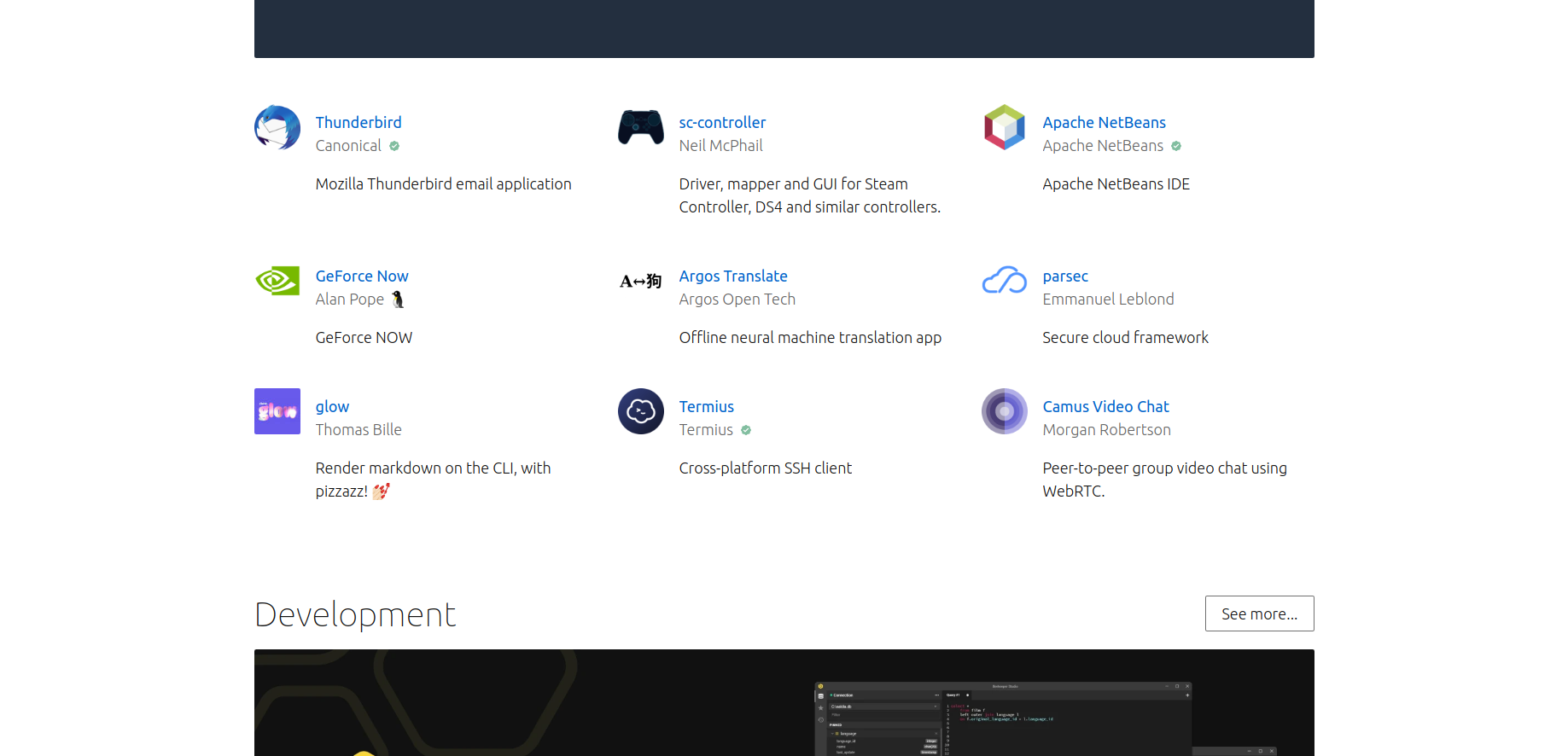
O Snap Store é um serviço de compilação e distribuição para aplicativos SNAP.
Fórum Snapcraft
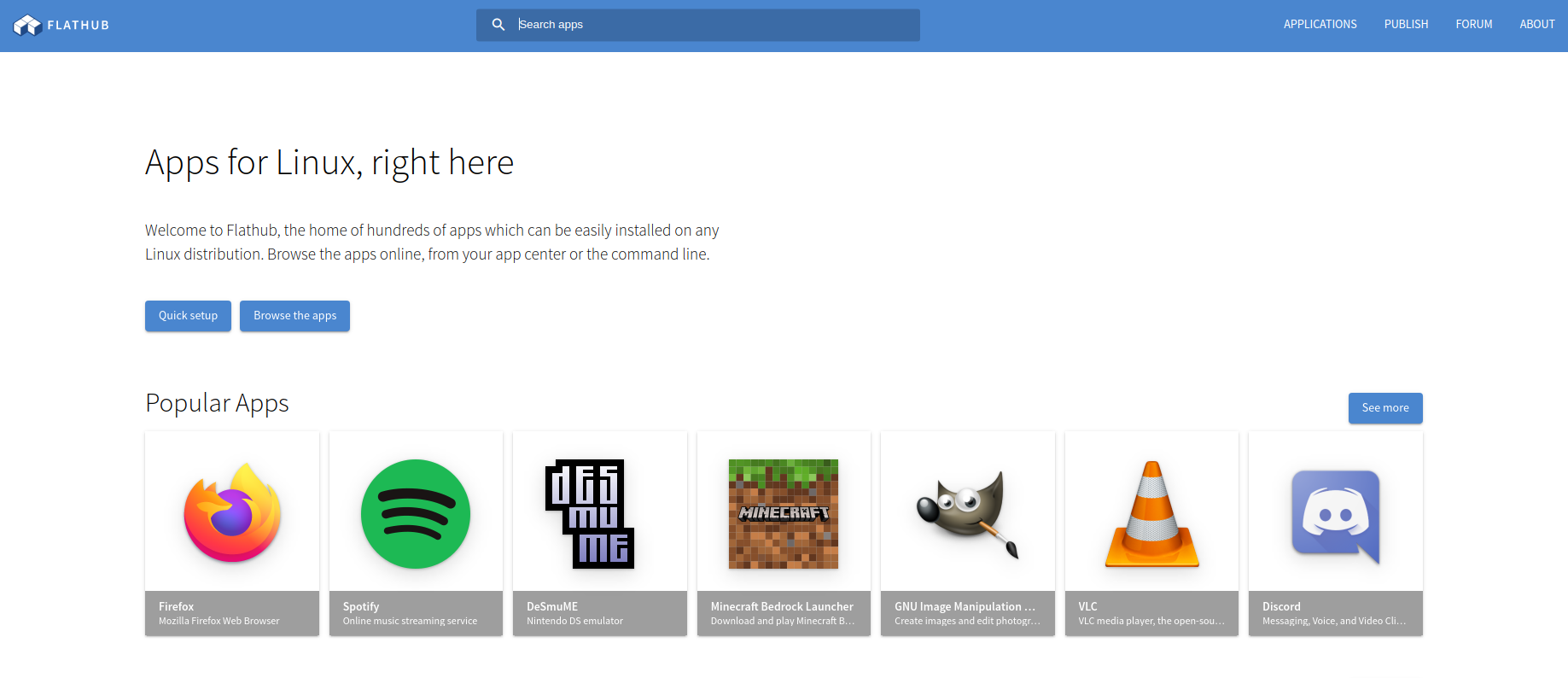
O Flathub é um serviço de compilação e distribuição para aplicações FLATPAK.
Fórum Flathub
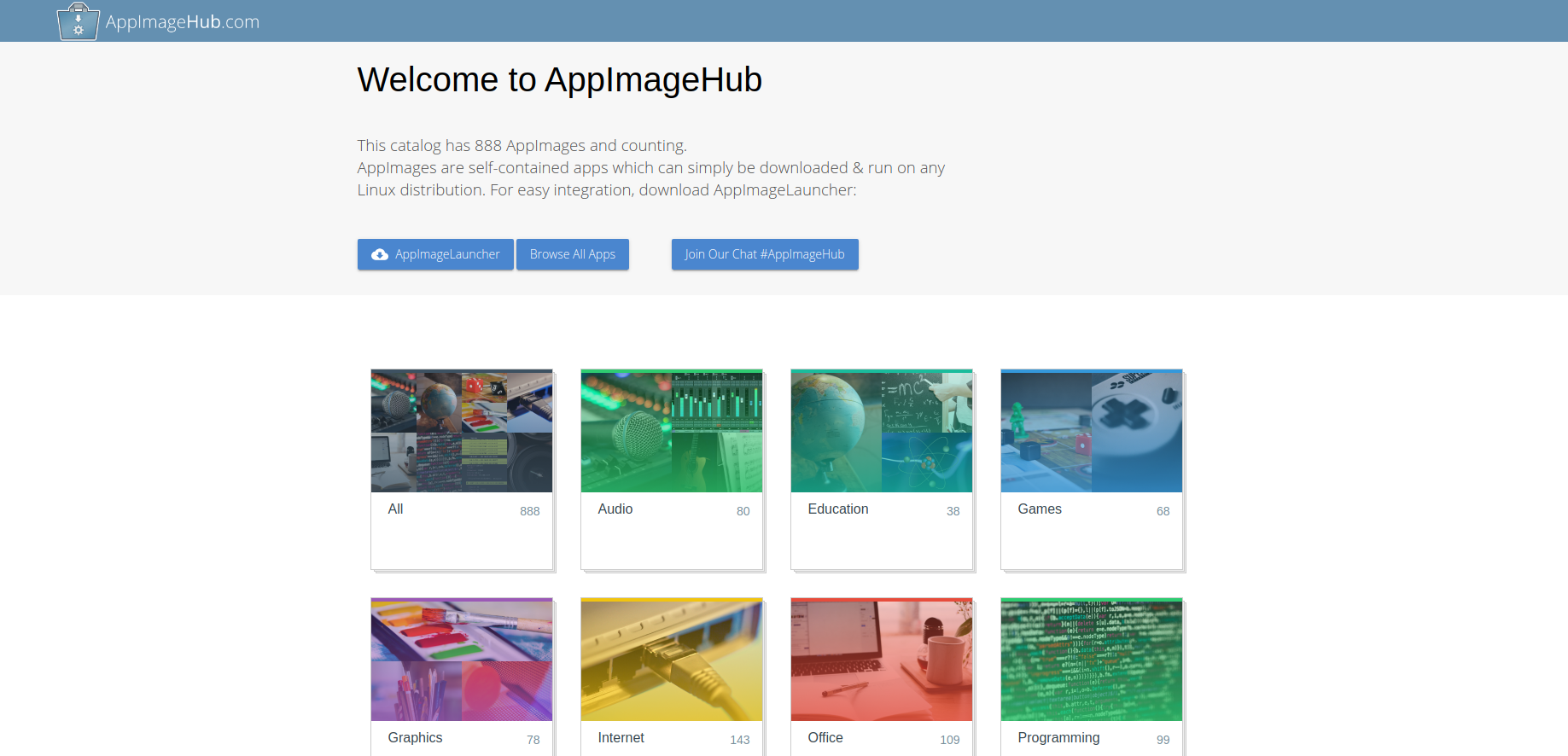
O AppImageHub é um serviço de compilação e distribuição para aplicativos Appimage.
O Appimage Manager é um gerenciador de pacotes para o Appimages.
Fórum Appimage
De volta ao topo
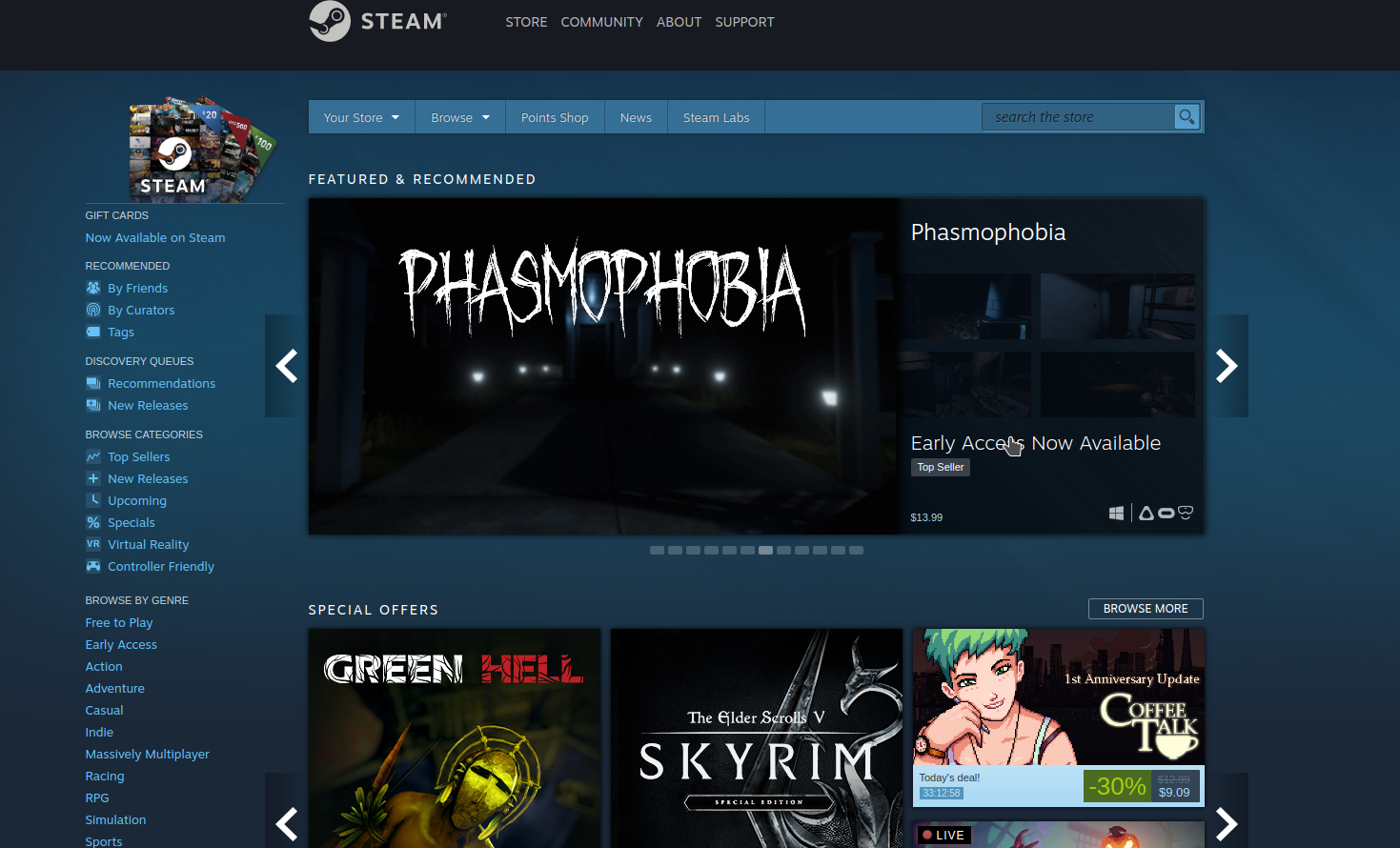
Obtenha vapor
Ou
wget https://steamcdn-a.akamaihd.net/client/installer/steam.debO Proton é uma ferramenta para uso com o cliente Steam, que permite que jogos exclusivos do Windows sejam executados no sistema operacional Linux. Ele usa vinho para facilitar isso.
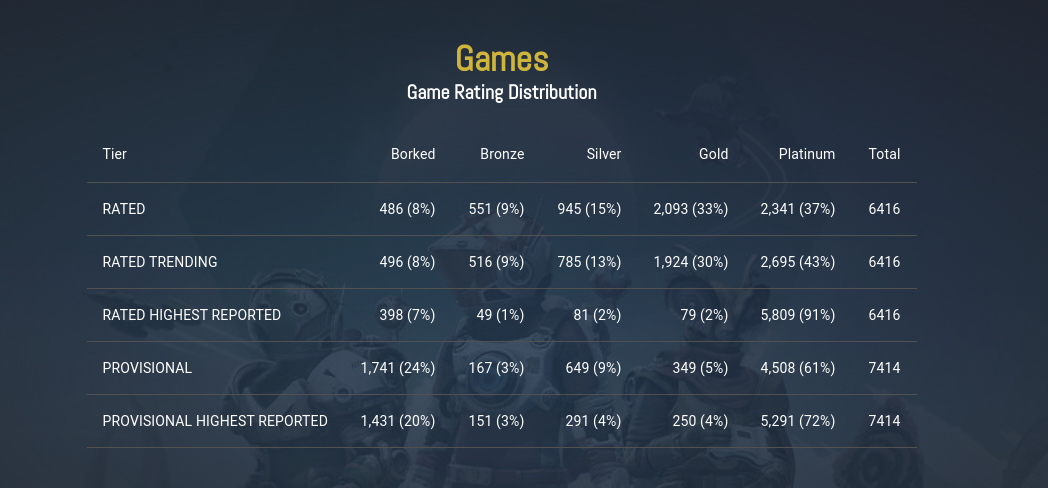
O Protondb é uma coleção de mais de 100.000 relatórios de jogos de outros jogadores, enquanto eles testam jogos com Proton no Linux e fornecem pontuações agregadas de como os jogos se executam. Um grupo crescente de sugestões fornece ajustes que você pode tentar fazer com que os jogos funcionem enquanto o Proton continua o desenvolvimento. Além disso, você pode explorar o catálogo de jogos Steam neste site para navegar e descobrir uma ampla gama de títulos que antes não estavam disponíveis para uso no Linux.
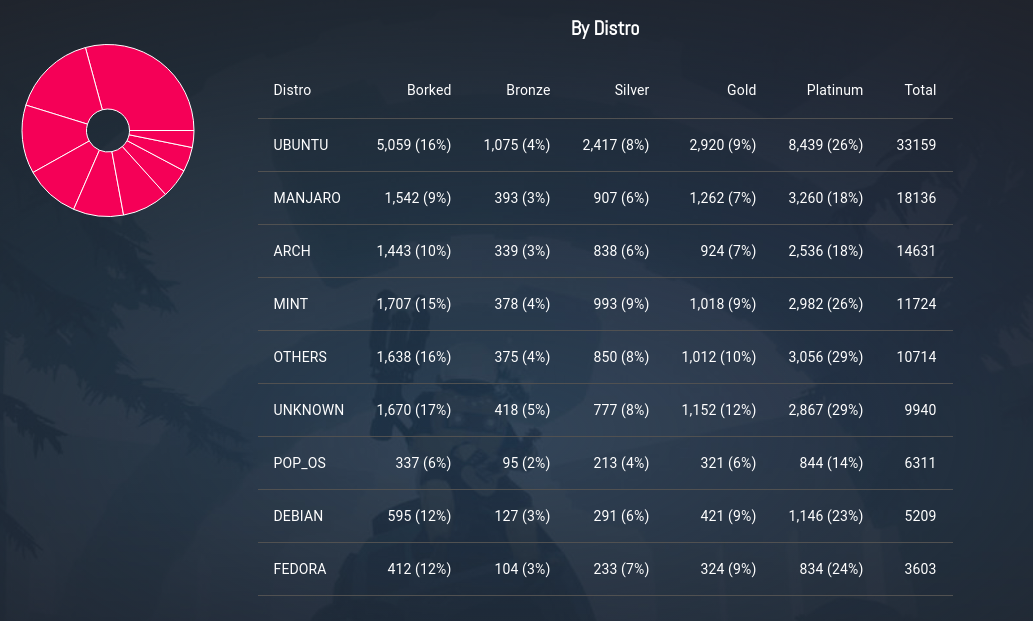
Lutris é um cliente de jogo para Linux. Ele oferece acesso a todos os seus videogames, com exceção da geração atual do console. Além disso, integra -se muito bem a outras lojas como GOG, Steam, Battle.net, Origin, Uplay e muitas outras fontes que permitem importar sua biblioteca de jogos e os scripts de instalação mantidos da comunidade, oferecem uma configuração completamente automatizada.
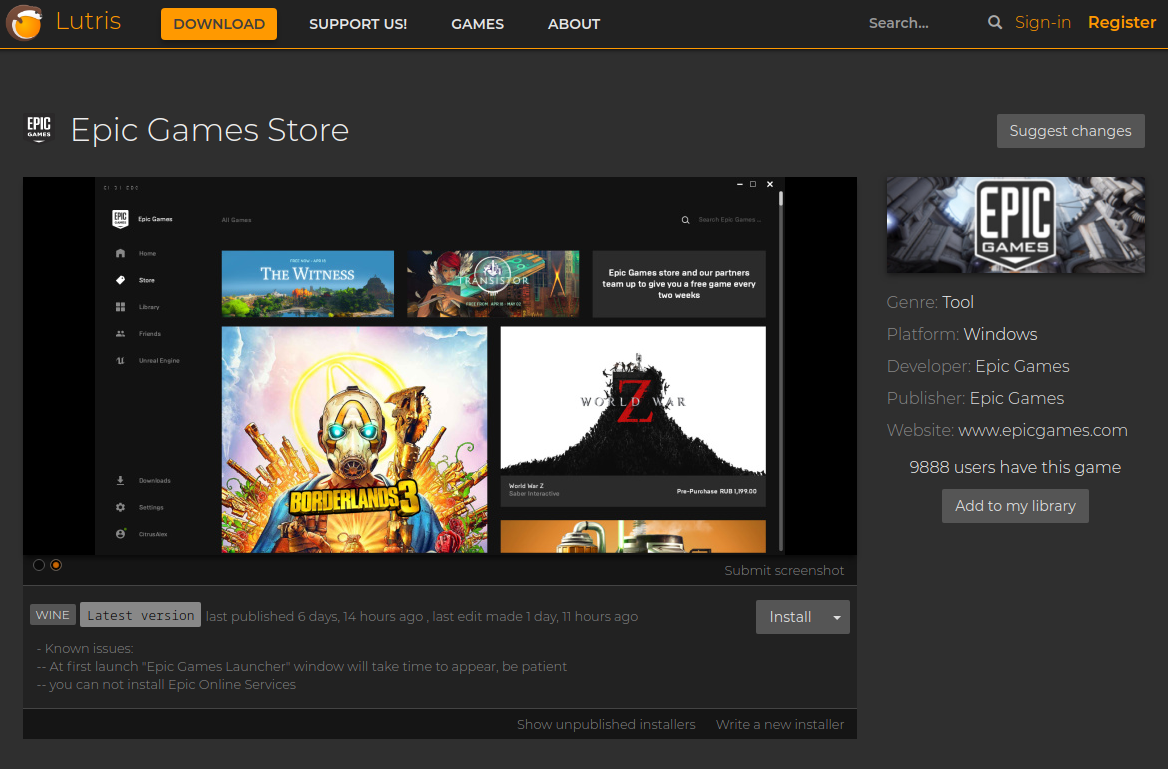
Adicione a Epic Games Store
O GameHub é uma biblioteca unificada para todos os seus jogos. Ele permite que você armazene seus jogos de diferentes plataformas em um programa para facilitar o gerenciamento de seus jogos.
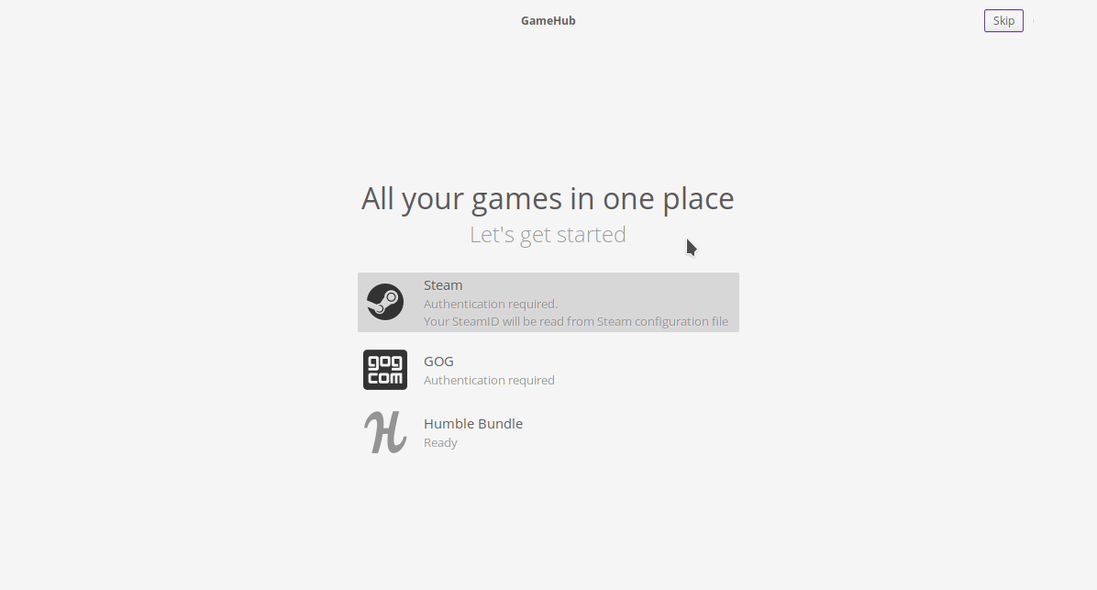
O GameHub suporta:
Jogos nativos para Linux
Múltiplas camadas de compatibilidade:
várias plataformas de jogo:
O GeForce agora usa a versão Chromebook para jogar todos os seus jogos no Google Chrome ou em qualquer navegador da Web baseado em cromo, como Brave, Vivaldi e Microsoft Edge. Além disso, disponível como um aplicativo de desktop de elétrons na loja Snap GeForce agora.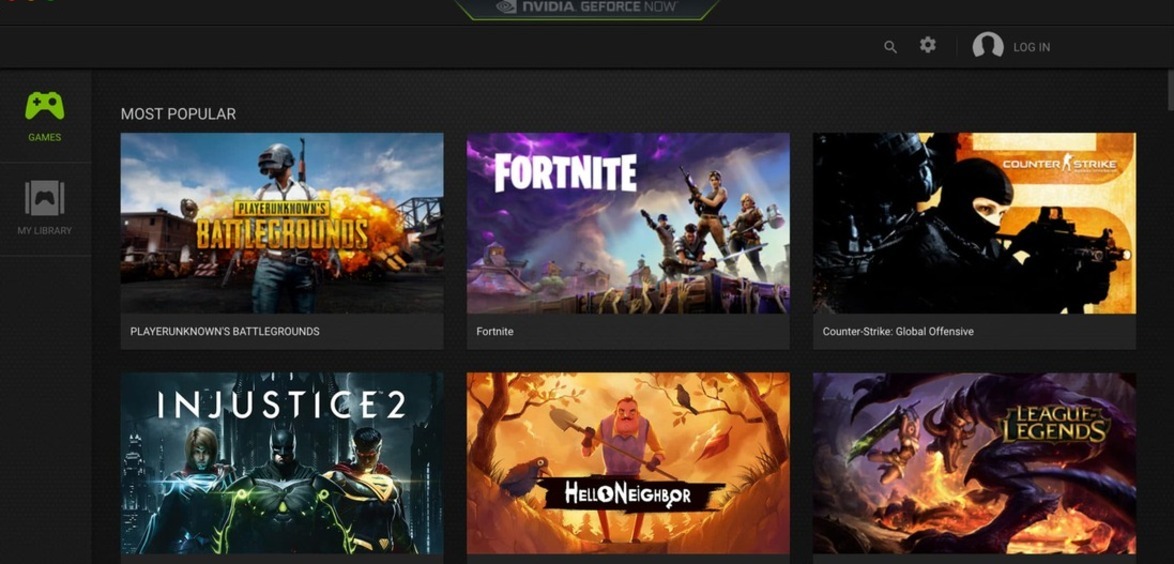
O Moonlight Game Streaming é um programa que permite que você transmita seus jogos de PC pela Internet, sem a necessidade de configuração. Transmita de quase qualquer dispositivo, esteja você em outra sala ou a quilômetros de distância da sua plataforma de jogos.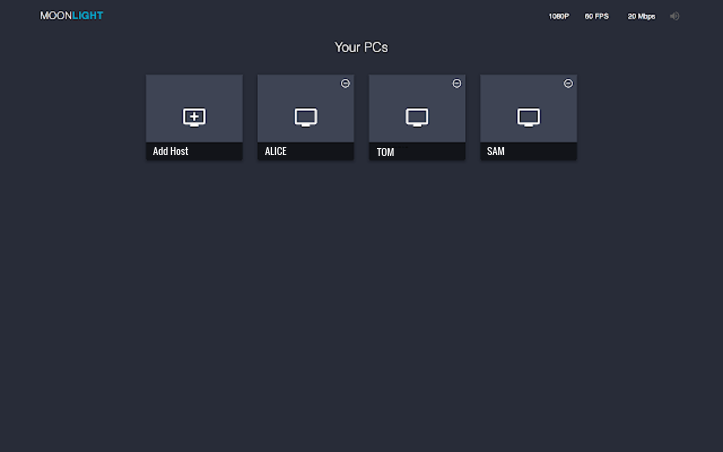
Chiaki é um cliente de software de código aberto e gratuito do PlayStation 4 e PlayStation 5 Remote Play para Linux, FreeBSD, OpenBSD, Android, MacOS, Windows, Nintendo Switch e potencialmente ainda mais plataformas.
O Xbox Project Xcloud é a tecnologia Xbox de streaming do Microsoft baseada em nuvem (atualmente na versão beta) . Jogue jogos como Forza Horizon 4, Halo 5: Guardiões, Gears of War 4, Sea of Thieves, Cuphead, Red Dead Redemption 2 e mais de 100 outros jogos em seu dispositivo móvel ou navegador Chrome . O Xbox Project Xcloud da Microsoft exige uma assinatura do Xbox Game Pass Ultimate.

Retroarch é um front -end para emuladores, motores de jogo e mídia. Ele permite que você execute jogos clássicos em uma ampla gama de computadores e consoles por meio de sua interface gráfica escorregadia. As configurações também são unificadas para que a configuração seja feita de uma vez por todas.
O Dolphin é um emulador para dois consoles recentes de videogame da Nintendo: The GameCube e Wii. Ele permite que os jogadores de PC desfrutem de jogos para esses dois consoles em HD completo (1080p) com vários aprimoramentos: compatibilidade com todos os controladores de PC, velocidade turbo, multijogador em rede e ainda mais.
O Citra é um emulador de código aberto do Nintendo 3DS capaz de jogar muitos de seus jogos favoritos.
Yuzu é um emulador experimental de código aberto para a mudança da Nintendo dos criadores do Citra.
O DOSBox é um emulador DOS de código aberto que se concentra principalmente na execução de jogos do DOS.
Mame é um emulador de máquina de arcade.
XEMU é um emulador Xbox original.
O Greenwithenvy (GWE) é um utilitário de sistema GTK projetado por Roberto Leinardi para fornecer informações, controlar os fãs e overclock sua placa de vídeo da NVIDIA para melhor desempenho. Disponível na loja pop como um Flatpak.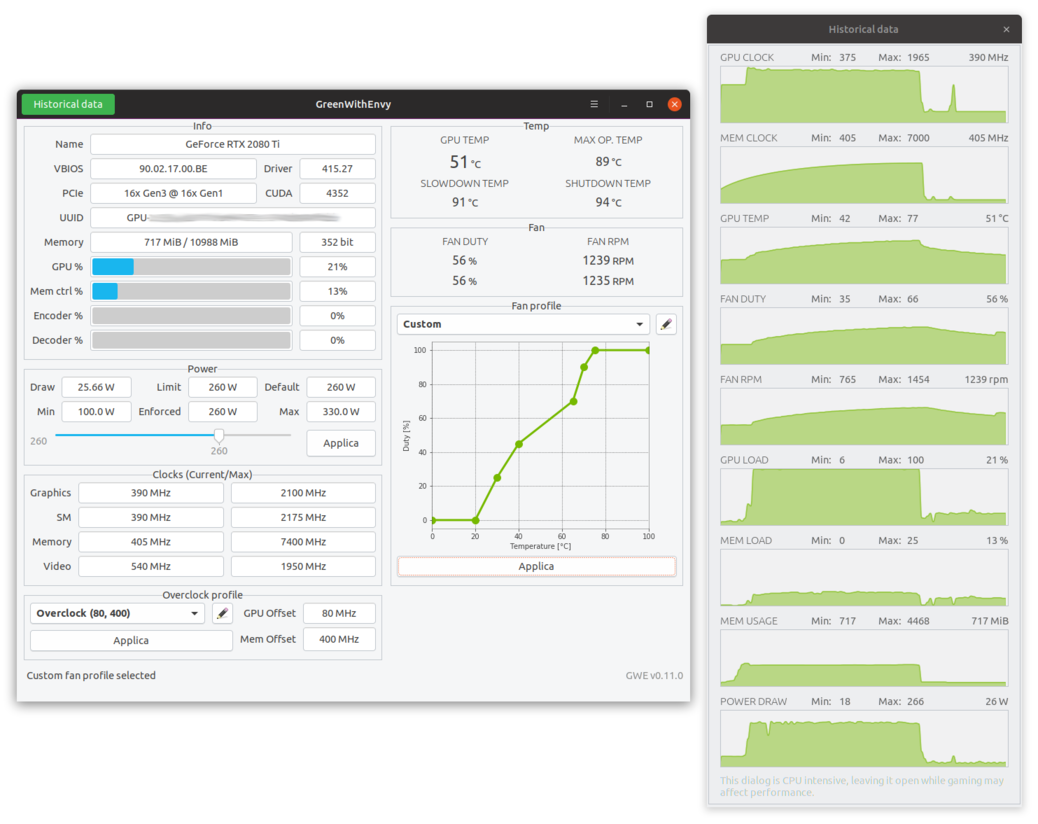
O Corectrl é um aplicativo Linux de código aberto e gratuito que permite controlar o hardware do seu computador com facilidade usando perfis de aplicativos para aplicativos nativos e do Windows, possui controles básicos da CPU e controles completos de GPUs AMD (para modelos antigos e novos).
sudo add-apt-repository ppa:ernstp/mesarc
sudo apt install corectrl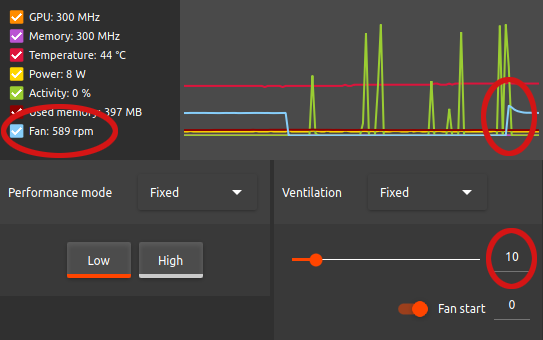
O Geekbench 5 é um benchmark de plataforma cruzada que mede o desempenho do seu sistema com a pressão de um botão.
Suíte de teste Phoronix
A superposição unigine é um teste de desempenho e estabilidade extremo para hardware de PC: placa de vídeo, fonte de alimentação e sistema de refrigeração.

O vinho (o vinho não é um emulador) é uma camada de compatibilidade capaz de executar aplicativos do Windows em vários sistemas operacionais compatíveis com Posix, como Linux, MacOS e BSD. Em vez de simular a lógica interna do Windows, como uma máquina virtual ou emulador, o Wine traduz chamadas de API do Windows em chamadas POSIX em voar, eliminando as penalidades de desempenho e memória de outros métodos e permitindo que você integra de maneira limpa aplicativos do Windows na sua área de trabalho.
O WineTricks é uma maneira fácil de resolver os problemas no vinho.
Isso é necessário para evitar o erro do AdobeAir
sudo sed -i ' s|echo "${arg%%=*}"=\""${arg### *=}"\"|echo ${arg%%=*}=\"${arg### *=}\"|g ' /usr/local/bin/winetricks
sudo apt install cabextract libncurses5:armhfDe volta ao topo
A Unity é uma plataforma de desenvolvimento de jogos entre plataformas. Use a Unity para criar jogos 3D e 2D de alta qualidade, implantá-los em móveis, desktop, VR/AR, consoles ou na Web e conecte-se a players e clientes leais e entusiasmados.
UNITY HUB

O Unreal Engine 4 é um mecanismo de jogo desenvolvido pela Epic Games com a ferramenta de criação 3D em tempo real mais aberta e avançada do mundo. Evoluindo continuamente para servir não apenas seu objetivo original como um mecanismo de jogo de última geração, mas hoje oferece aos criadores de toda a indústria a liberdade e o controle para oferecer conteúdo de ponta, experiências interativas e mundos virtuais imersivos.
Desenvolvimento de jogos Linux no Unreal Engine 4
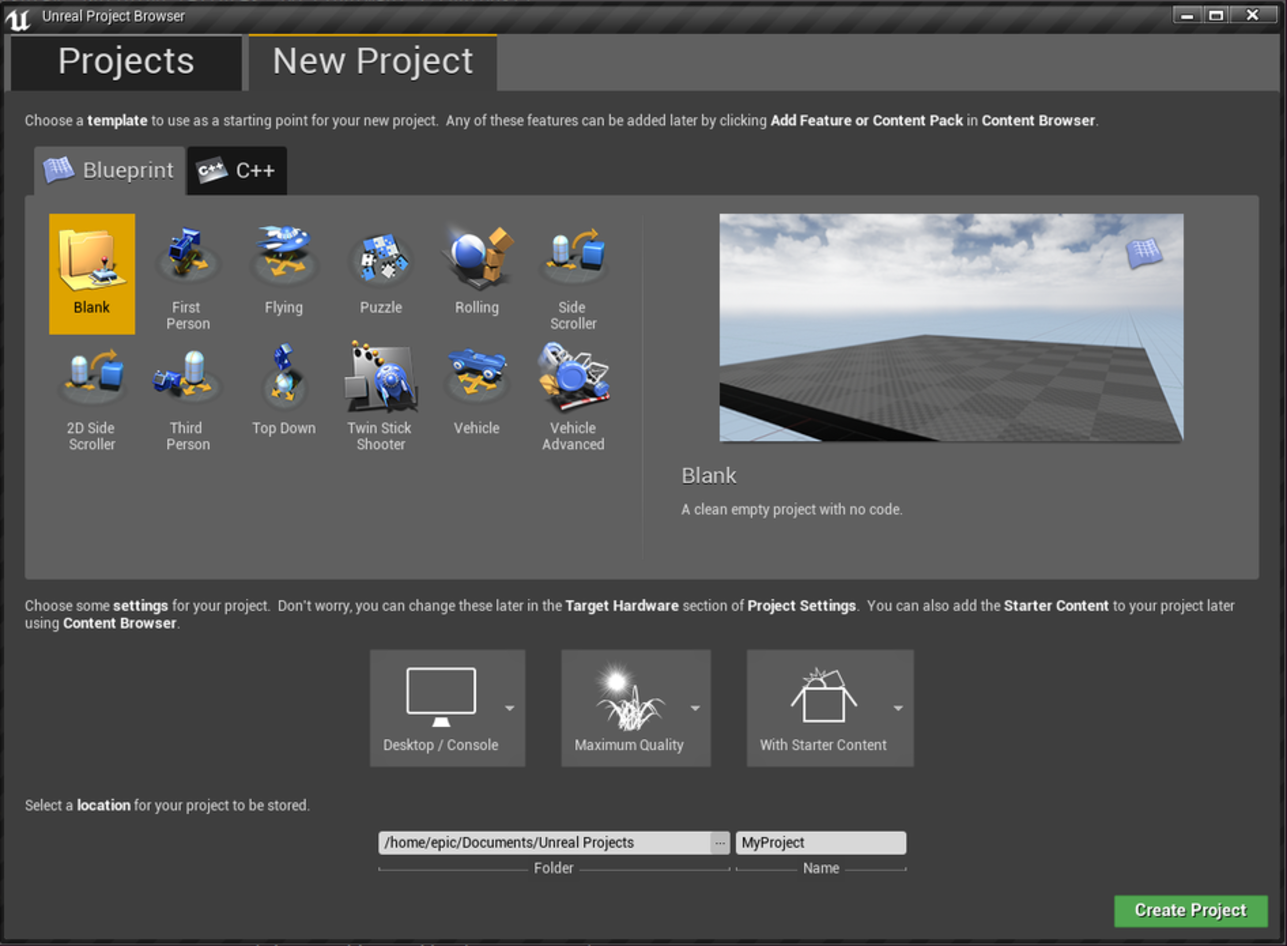
O Godot Engine é um mecanismo de jogo cheia de plataforma cruzada para criar jogos 2D e 3D a partir de uma interface unificada. Ele fornece um conjunto abrangente de ferramentas comuns, para que os usuários possam se concentrar em fazer jogos sem precisar reinventar a roda. Os jogos podem ser exportados em um clique para várias plataformas, incluindo as principais plataformas de desktop (Linux, Mac OSX, Windows), bem como plataformas móveis (Android, iOS) e Web (HTML5).
Se você gostaria de doar para o projeto Godot
O liquidificador é a suíte de criação 3D de código aberto e de código aberto. Ele suporta a totalidade do pipeline 3D - modelagem, manipulação, animação, simulação, renderização, composição e rastreamento de movimento, edição de vídeo e pipeline de animação 2D.
Se você gostaria de doar para o projeto Blender

A Unigine é um mecanismo de jogo entre plataformas projetado para equipes de desenvolvimento (programadores C ++/C#, artistas 3D) trabalhando em aplicativos 3D interativos.

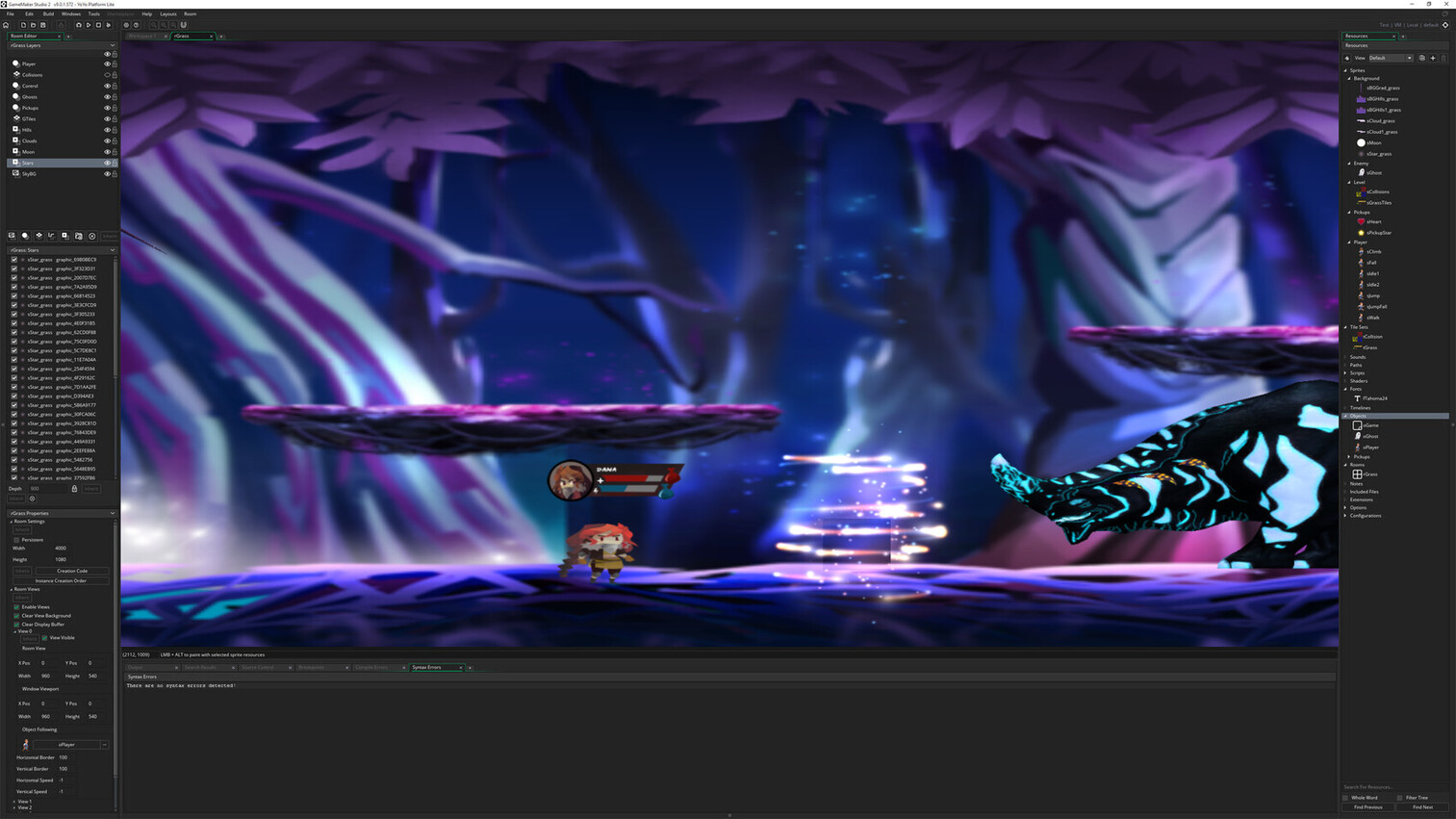
O Gamemaker Studio 2 é a mais recente e maior encarnação do Gamemaker. Ele tem tudo o que você precisa para levar sua ideia do conceito para o jogo acabado. Sem barreiras à entrada e funcionalidade poderosa, o Gamemaker Studio 2 é o ambiente de desenvolvimento 2D final.
Configurando o Gamemaker Studio para o Ubuntu
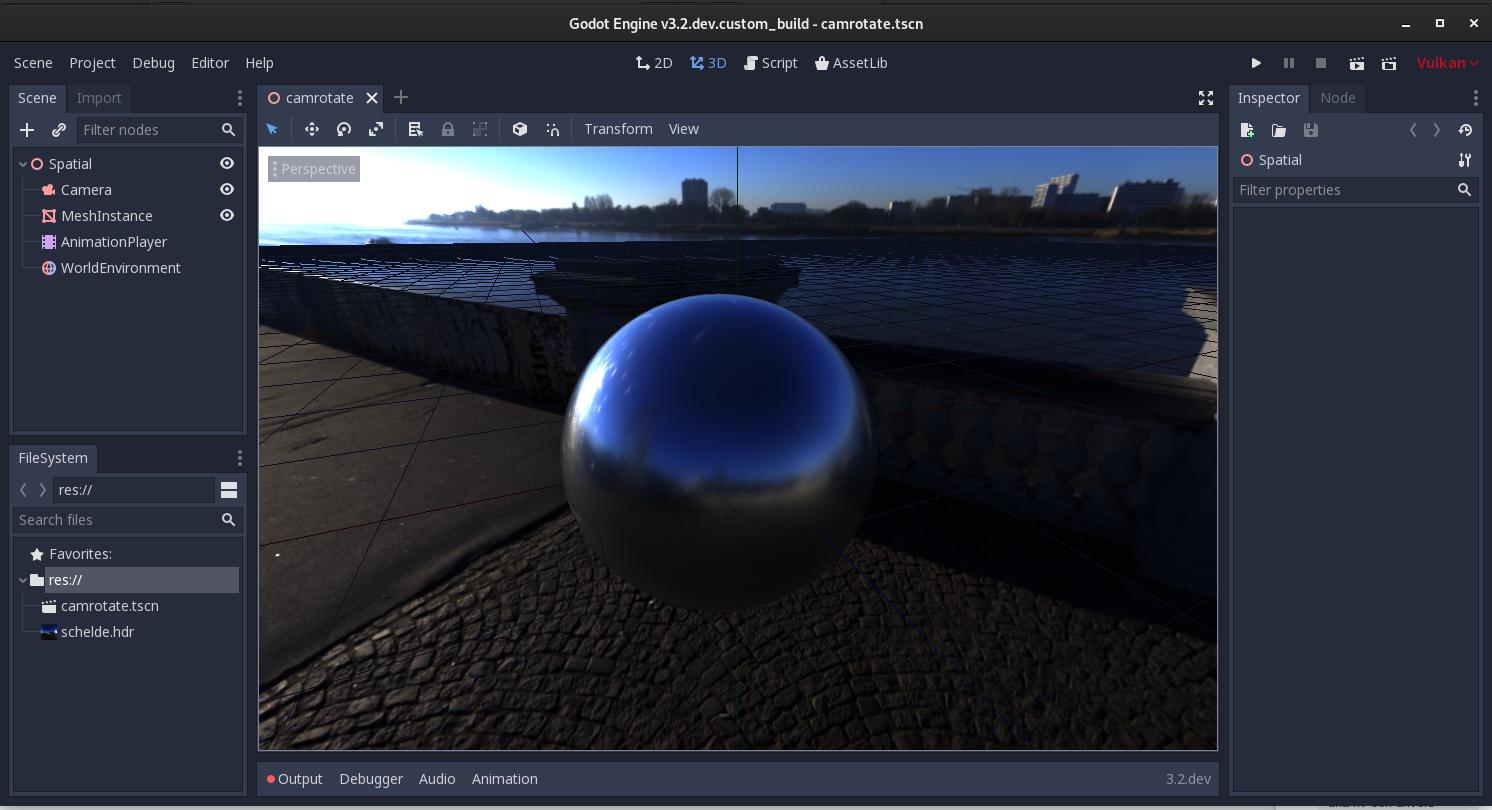
O Panda3D é um mecanismo de jogo, uma estrutura para a renderização 3D e o desenvolvimento de jogos para programas Python e C ++, desenvolvidos pela Disney e CMU. O Panda3D é de código aberto e gratuito para qualquer finalidade, incluindo empreendimentos comerciais.
O Fonte 2 é um mecanismo de videogame 3D em desenvolvimento pela Valve como sucessor da fonte. É usado no DOTA 2, artefato, sub-lordes dota, partes do laboratório, Home ScepVR e meia-vida: Alyx.
A Open Graphics Library (OpenGL) é uma API usada em linguagens de programação e plataformas de programação mulitple em hardware de gráficos vetoriais 2D/3D atualmente desenvolvidos pelo grupo Khronos.
A Open Computing Language (OpenCL) é um padrão aberto para programação paralela de plataformas heterogêneas que consistem em CPUs, GPUs e outros aceleradores de hardware encontrados em supercomputadores, servidores em nuvem, computadores pessoais, dispositivos móveis e plataformas incorporadas.
A linguagem de sombreamento do OpenGL (GLSL) é uma linguagem de sombreamento de alto nível com base no idioma do estilo C, por isso cobre a maioria dos recursos que um usuário esperaria com esse idioma. Como estruturas de controle (loops, declarações if-else etc.) existem no GLSL, incluindo a instrução Switch.
A linguagem de sombreamento de alto nível (HLSL) é a linguagem de sombreamento de alto nível para o DirectX. Usando o HLSL, o usuário pode criar shaders programáveis do tipo C para o pipeline Direct3D. O HLSL foi criado pela primeira vez com o DirectX 9 para configurar o pipeline 3D programável.
A Vulkan é uma moderna API de gráficos de plataforma cruzada e computação que fornece acesso de alta eficiência e plataforma cruzada às GPUs modernas usadas em uma ampla variedade de dispositivos, desde PCs e consoles a telefones celulares e plataformas incorporadas. Vulkan está atualmente em desenvolvimento pelo Khronos Consortium.
Moltenvk é uma implementação de Vulkan em execução no iOS e MacOS usando a estrutura de gráficos metálicos da Apple.
O Moltengl é uma implementação da API OpenGL ES 2.0 que é executada na estrutura de gráficos metálicos da Apple.
A NVIDIA Omniverse é uma poderosa plataforma de simulação e colaboração em tempo real e multi-GPU para pipelines de produção em 3D com base na descrição da cena universal da Pixar e na NVIDIA RTX.
O HGIG é um grupo voluntário de empresas dos setores de exibição de jogos e TV que se reúnem para especificar e disponibilizar as diretrizes públicas para melhorar as experiências de jogos de consumidores no HDR.
Three.js é uma biblioteca JavaScript de navegador cruzada e interface de programação de aplicativos usada para criar e exibir gráficos de computador 3D animados em um navegador da web usando o WebGL.
O SuperPowers é um aplicativo HTML5 para download para projetos colaborativos em tempo real. Você pode usá -lo solo como um fabricante de jogos offline regular ou configurar uma senha e deixar os amigos participarem do seu projeto através do navegador da web.
O SteamVR for Linux é a ferramenta final para experimentar o conteúdo de RV no hardware de sua escolha. O SteamVR suporta o índice de válvulas, o HTC Vive, o Oculus Rift, os fones de ouvido de realidade misturados do Windows e outros.

STEAMVR Home
O OpenVR é uma API e tempo de execução que permite o acesso ao hardware VR (índice de vapor, HTC Vive e Oculus Rift) de vários fornecedores sem exigir que os aplicativos tenham conhecimento específico do hardware que estão segmentando.
O OpenVR Benchmark no Steam é a primeira ferramenta de referência para testar reprodutivelmente seu desempenho real de VR, renderizando dentro do fone de ouvido VR.
O OpenHMD é uma API de código aberto e drivers que suporta uma ampla gama de dispositivos HMD (tela montada na cabeça), como Oculus Rift, HTC Vive, Sony PSVR e outros.
O OpenXR é um padrão aberto gratuito que fornece acesso de alto desempenho à realidade aumentada (AR) e realidade virtual (VR) conhecida coletivamente como XR-plataformas e dispositivos.
Monado é o primeiro tempo de execução do OpenXR ™ para GNU/Linux. Monado pretende iniciar o desenvolvimento de um ecossistema XR de código aberto e fornecer os blocos fundamentais de construção para os fornecedores de dispositivos segmentarem a plataforma GNU/Linux.
O Libsurvive é um conjunto de ferramentas e bibliotecas que permitem o rastreamento de 6 DOF em sistemas baseados em Lighthouse e VIVE, que são completamente de código aberto e podem ser executados em qualquer dispositivo. Atualmente, ele suporta a geração de dispositivos SteamVR 1.0 e SteamVR 2.0 e deve suportar qualquer objeto rastreado disponível comercialmente.
Simula é um gerente de janela VR do Linux que corre em cima de Godot. Demora menos de 1 minuto para instalar. O Simula é oficialmente compatível com fones de ouvido SteamVR equipados com drivers Linux (por exemplo, HTC Vive, HTC Vive Pro, & Valve Index). Também adicionamos suporte experimental aos fones de ouvido OpenXR que possuem Monado Drivers (por exemplo, North Star, OSVR HDK e PSVR). Algumas pessoas conseguiram o Oculus Rift para executar o Simula via OpenHMD (veja aqui).
O aprendizado on-line irreal é uma plataforma de aprendizado gratuita que oferece cursos de vídeo práticos e caminhos de aprendizado guiados.
Programa de treinamento autorizado do motor irreal
Motor irreal para educação
Treinamento e simulação de motores irreais
Certificações de unidade
Introdução com Vulkan
Cursos online de design de jogos da Udemy
Design de jogo Cursos online da SkillShare
Aprenda design de jogos com cursos e aulas online da EDX
Cursos de design de jogos da Coursera
Curso de especialização de design e desenvolvimento de jogos da Coursera
De volta ao topo
Requisitos
Open the terminal and run:
sudo apt install qemu uml-utilities virt-manager dmg2img git wget libguestfs-tools p7zip
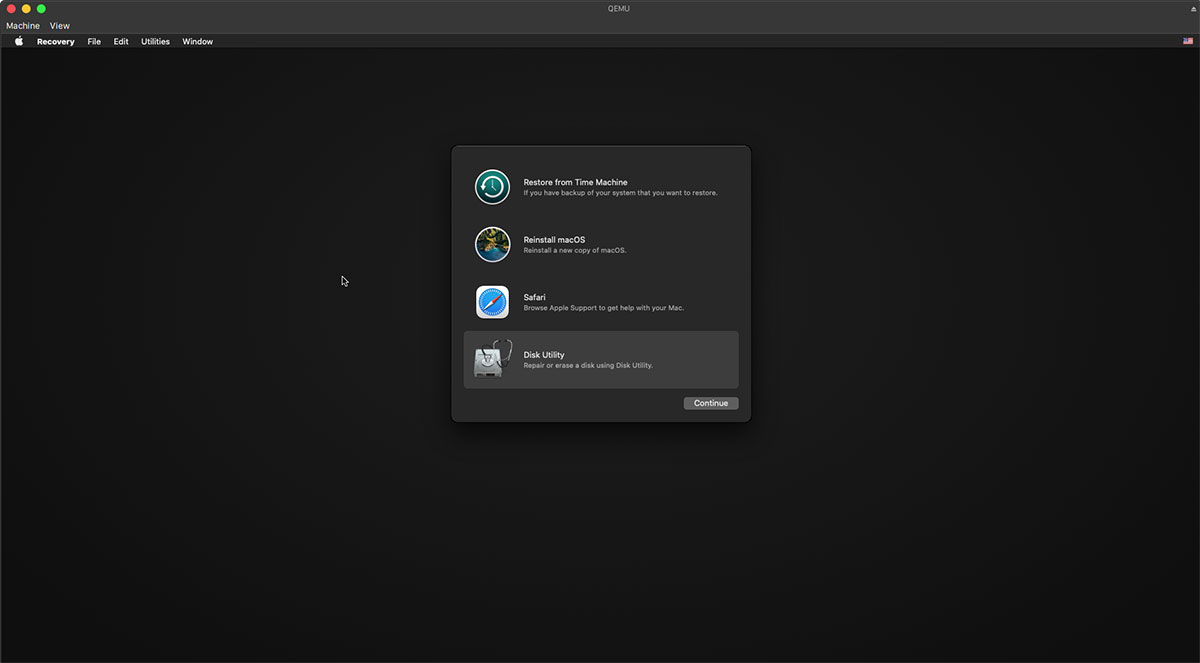
Sosumi é um aplicativo que permite baixar e instalar o macOS em uma VM.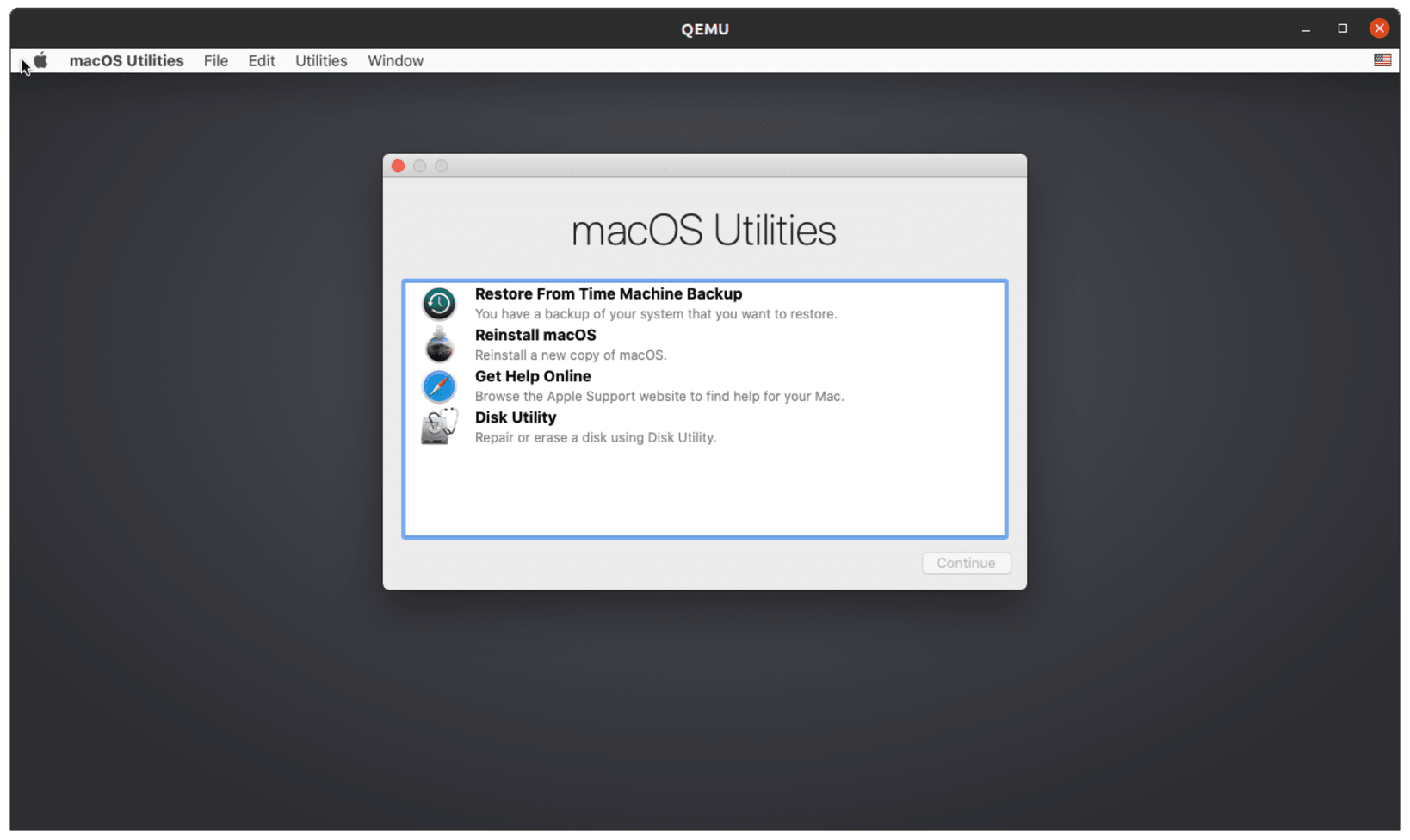
OpenCore para macOS
De volta ao topo
Requisitos
Open the terminal and run:
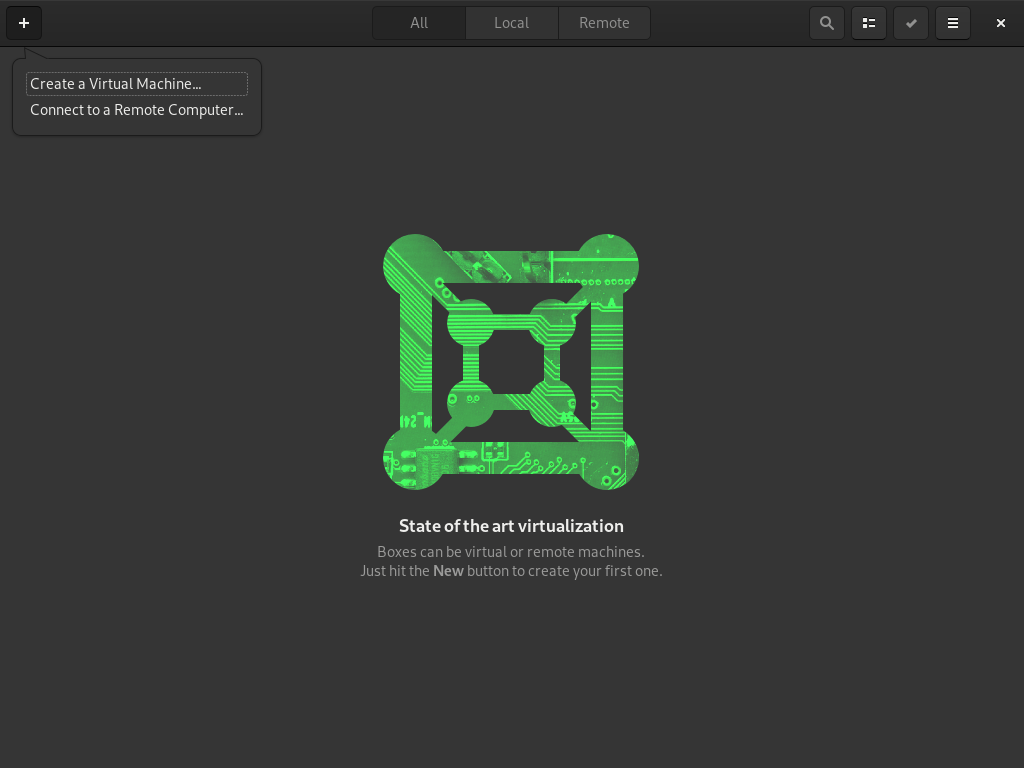
sudo apt install qemu uml-utilities virt-manager gnome-boxes
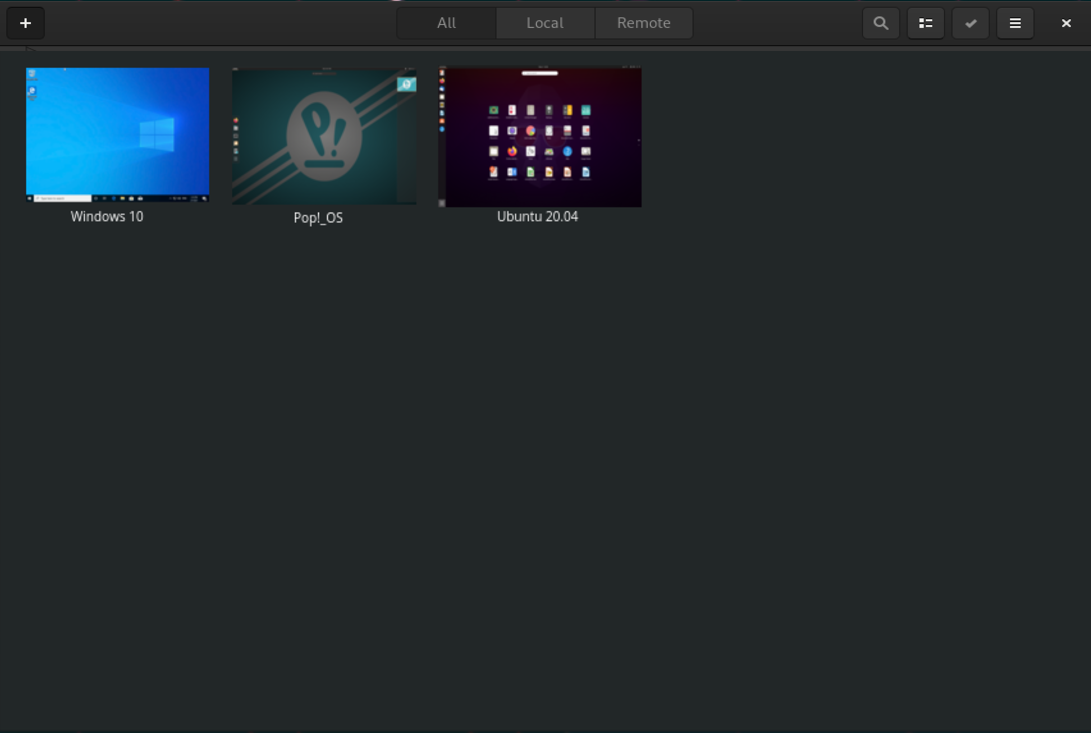
O Gnome Boxes é um aplicativo que fornece acesso a máquinas virtuais, executando local ou remotamente. Ele também permite que você se conecte à exibição de um computador remoto.
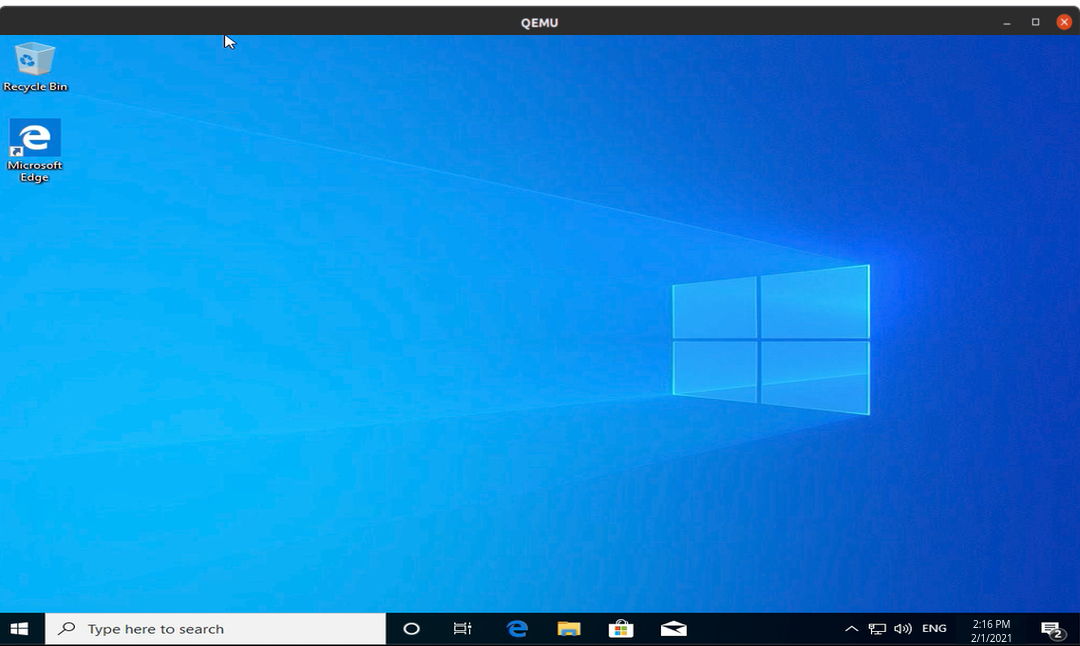
OpenCore for Windows 10
De volta ao topo
O Android Studio é o conjunto de desenvolvimento do sistema operacional Android do Google (OS). Ele é construído no software JetBrains Intellij Idea e projetado especificamente para o desenvolvimento do Android. Está disponível para download no Windows, MacOS e Linux.
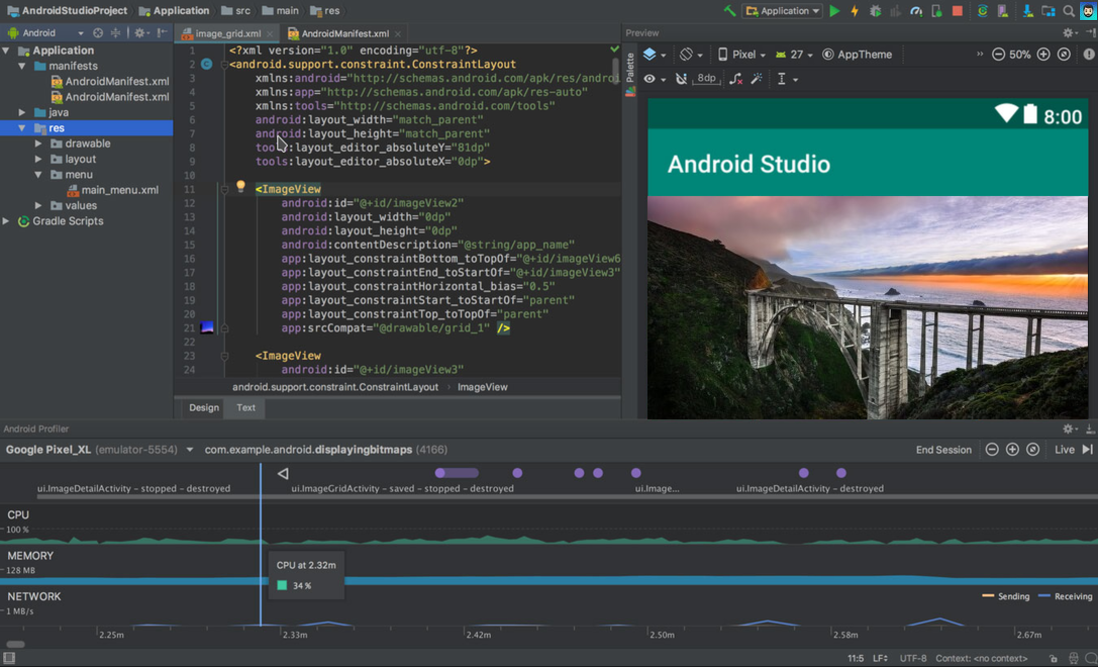
O Android Virtual Device (AVD) é uma configuração no Android Studio que define as características de um telefone Android, tablet, sistema operacional Android ou dispositivo automotivo que você deseja simular no emulador Android. O emulador Android simula dispositivos Android no seu computador, para que você possa testar seu aplicativo em uma variedade de dispositivos e níveis de API Android sem precisar ter cada dispositivo físico.
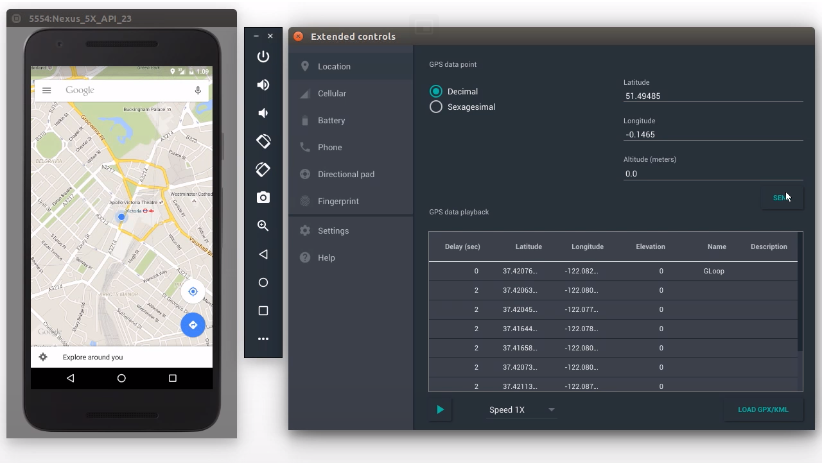
A Lineageos é um sistema operacional gratuito e de código aberto para vários dispositivos, com base na plataforma móvel Android.
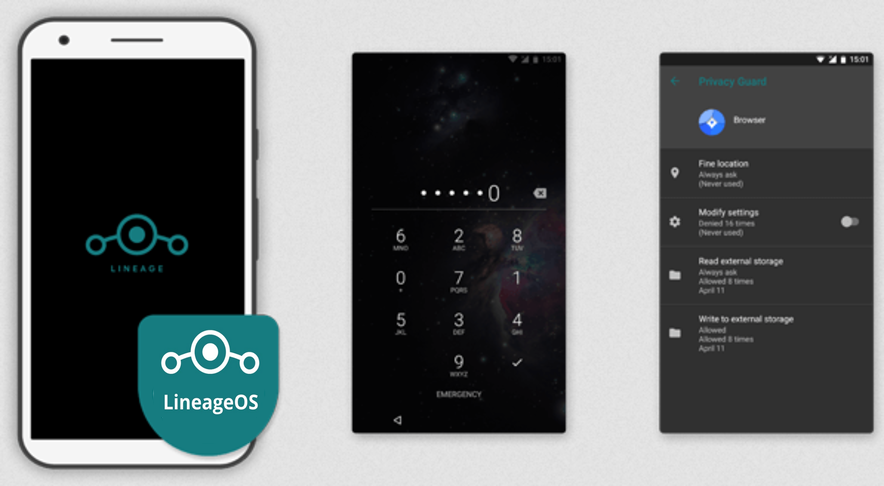
O ABOX é um aplicativo que fornece uma abordagem baseada em contêineres para inicializar um sistema Android completo em um sistema GNU/Linux regular como Ubuntu, Debian Fedora e OpenSUSE.
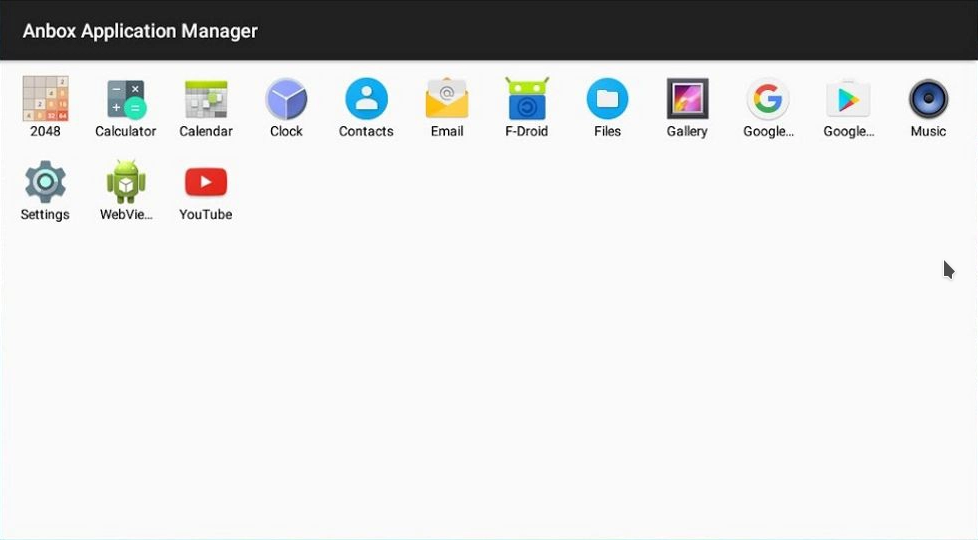
O ANBOX Cloud é a plataforma de computação em nuvem móvel entregue pela Canonical. Execute o Android na nuvem, em alta escala e em qualquer tipo de hardware.
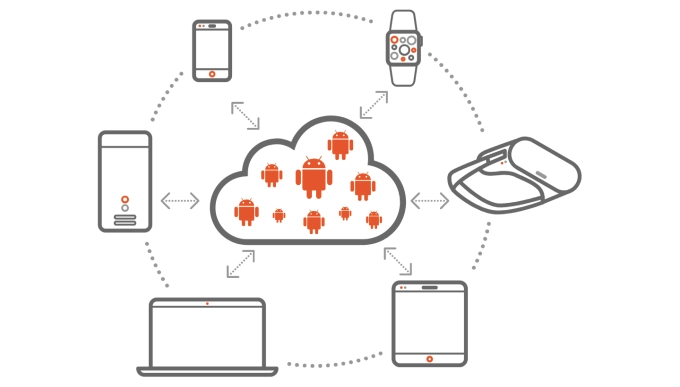
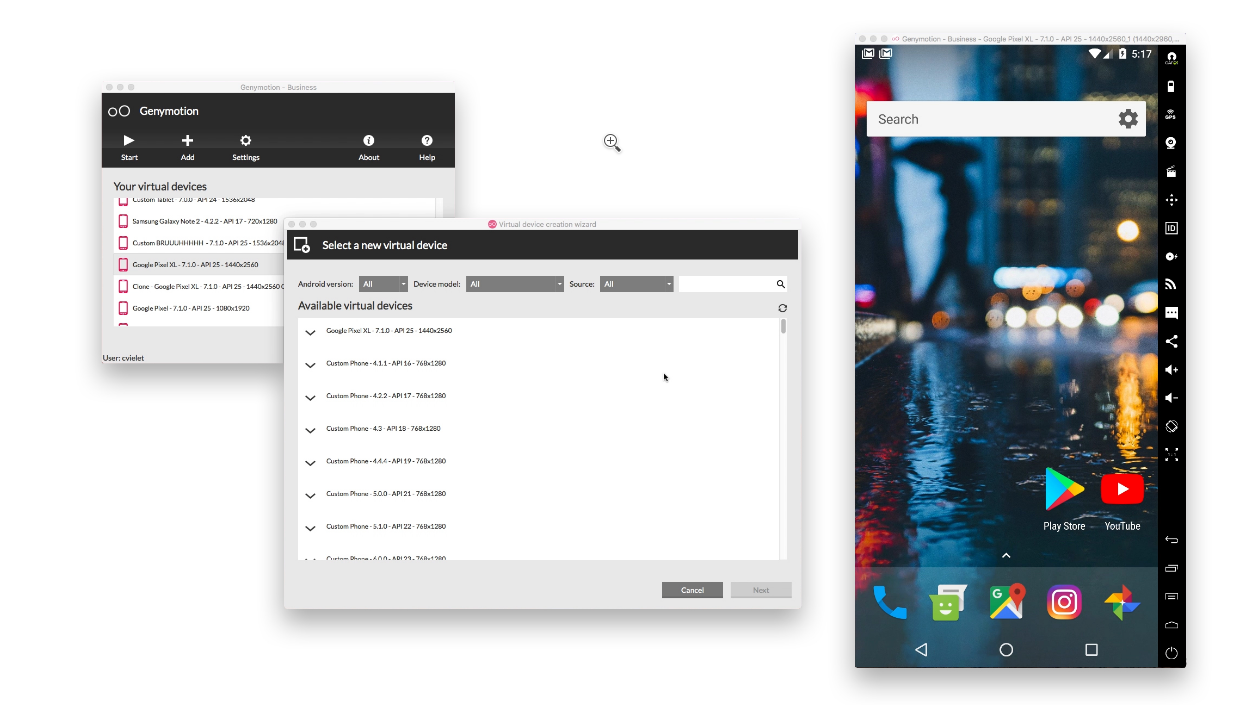
O genymotion é um emulador de Android muito rápido. O programa em si é baseado no VirtualBox e é conhecido por sua velocidade efetivamente rápida e é utilidade para executar aplicativos Android em um desktop Windows, Mac e Linux.
Desktop
Dispositivos virtuais locais com alto desempenho.
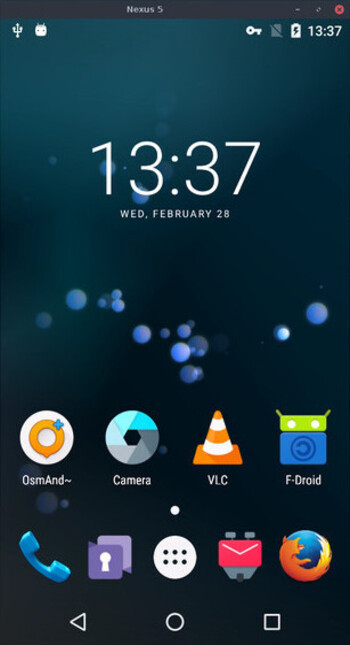
O SCRCPY é um aplicativo pela Genymotion que fornece exibição e controle de dispositivos Android conectados no USB (ou acima do TCP/IP). Não requer acesso raiz e funciona no GNU/Linux, Windows e MacOS. O dispositivo Android requer pelo menos API 21 (Android 5.0).
De volta ao topo
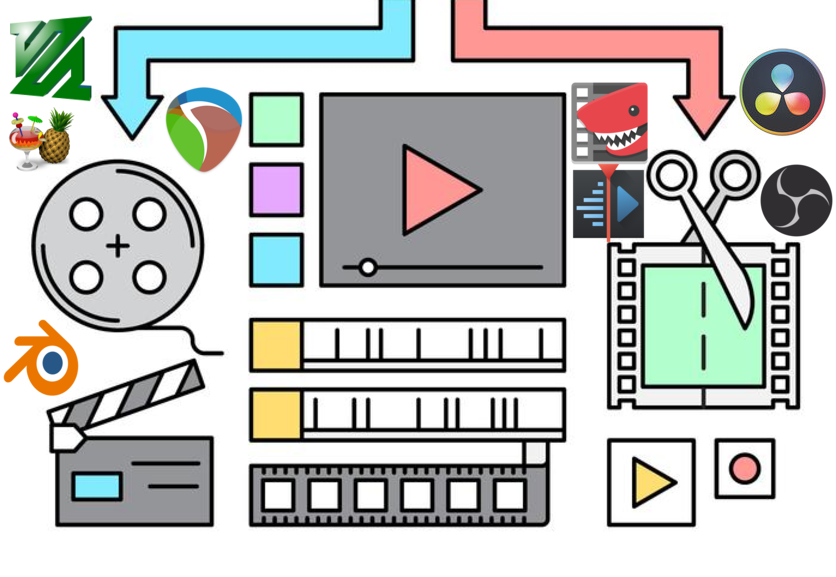
O H.264 (AVC) é um padrão de compressão de vídeo baseado em codificação inteira-DCT orientada a blocos e compensada por movimento que define vários perfis (ferramentas) e níveis (taxas de bits e resoluções máximas) com suporte até 8k.
H.265 (HEVC) é um padrão de compactação de vídeo que é o sucessor da H.264 (AVC). Oferece uma compressão de dados de 25% a 50% melhor no mesmo nível de qualidade de vídeo, ou melhoria da qualidade do vídeo na mesma taxa de bits.
O FFMPEG é uma estrutura multimídia líder que pode decodificar, codificar, transcodificar, MUX, Demux, Stream, filtrar e reproduzir praticamente qualquer coisa que os humanos e as máquinas criassem. Ele suporta os formatos antigos mais obscuros até os de ponta em várias plataformas, como Windows, MacOS e Linux.
O Handbrake é uma ferramenta para transcodificar vídeos de quase qualquer formato com uma seleção de codecs amplamente suportados. É suportado na janela, macOS e Linux.
O streaming adaptativo dinâmico sobre o HTTP (DASH) é um protocolo de streaming adaptativo que permite que um fluxo de vídeo alterne entre as taxas de bits com base no desempenho da rede, a fim de manter um vídeo sendo reproduzido.
O OpenMax ™ é uma API de plataforma cruzada que fornece codec de mídia abrangente e portabilidade de aplicativos, permitindo que os componentes multimídia acelerados sejam desenvolvidos, integrados e programados em vários sistemas operacionais e plataformas de silício.
Davinci Resolve é a única solução do mundo que combina edição profissional de 8k, correção de cores, efeitos visuais e pós -produção de áudio, tudo em uma ferramenta de software! Você pode se mover instantaneamente entre edição, cor, efeitos e áudio com um único clique. O DAVinci Resolve Studio também é a única solução projetada para colaboração com vários usuários, para que editores, assistentes, coloristas, artistas e designers de som possam funcionar ao vivo no mesmo projeto ao mesmo tempo.
O Blender vem com um editor de sequência de vídeo embutido permite executar ações básicas como cortes de vídeo e emenda, além de tarefas mais complexas, como mascaramento de vídeo ou classificação de cores. O editor de vídeo inclui: visualização ao vivo, forma de onda Luma, Chroma VectorsCope e displays de histograma. Mistura de áudio, sincronização, lavagem e visualização da forma de onda.
O KdenLive é uma ferramenta de edição de vídeo de código aberto que suporta arquivos multimídia ilimitados. É baseado na estrutura do MLT, KDE e QT. Pessoas que procuram uma ferramenta de edição de vídeo muito versátil que vem com recursos. A versão mais recente de 20.08 está disponível com recursos NIFTY, como layouts de interface, suporte a fluxos de áudio múltiplo, gerenciamento de dados em cache e zoombares no painel de monitor e efeitos de clipe, mas pode -se argumentar que os destaques desta versão são melhorias de estabilidade e interface.
O OpenShot é uma ferramenta de edição de vídeo de código aberto projetado para usuários novos no ambiente de edição. Possui recursos simples, como uma função simples de arrastar e soltar, fornece uma interface de usuário fácil de usar e rápido de aprender. O poderoso editor de vídeo oferece várias maneiras eficientes de reduzir e reduzir seus vídeos. Você pode utilizar livremente as faixas ilimitadas, o mecanismo de efeitos de vídeo, o editor de títulos, as animações 3D, a câmera lenta e os efeitos do tempo. Ele suporta codecs de vídeo comumente usados suportados pelo FFMPEG como o WebM (VP9), AVCHD (LIBX264), HEVC (LIBX265) e codecs de áudio como MP3 (libmp3Lame) e AAC (LibFAAC). O programa pode renderizar MPEG4, OGV, Blu-ray e DVD Video e Full HD Videos para fazer o upload para os sites de vídeo da Internet como o YouTube.
A LightWorks é uma APREAÇÃO DE EDITIÇÃO DE VÍDEO NÃO LINEAR para editar e dominar o vídeo digital usado pela indústria cinematográfica. Sua edição profissional foi usada para hits de bilheteria, como Shutter Island, Pulp Fiction e Mission Impossible. Interface do usuário intimidador. Como editores de vídeo profissionais, como o Adobe Premiere Pro, o Lightworks é bastante complicado de usar para novos usuários.
O Shotcut é um editor de vídeo de várias plataformas de código aberto. Você pode executar várias ações, como edição de vídeo (incluindo qualidade de vídeo em 4K), adicionar efeitos, criar novos filmes, importar a maioria dos formatos de arquivos de imagem, exportar para quase qualquer formato de arquivo e muito mais.
O Olive é um editor de vídeo não linear gratuito, com o objetivo de fornecer uma alternativa totalmente feita ao software de edição de vídeo profissional de ponta.
A Natron é um poderoso compositor digital que pode lidar com todas as suas necessidades 2D/2.5D. Seus formatos robustos de arquivos OIIO e arquitetura OpenFX é o que faz da Natron o compositor de código aberto mais flexível da comunidade de efeitos visuais. Sua interface e funcionalmente é a mesma em todas as plataformas, como macOS, Linux e Windows.
O OBS (Open Broadcaster Software) é um software de código aberto gratuito para gravação de vídeo e transmissão ao vivo. Transmita para Twitch, YouTube e muitos outros fornecedores ou gravar seus próprios vídeos com codificação H264 / AAC de alta qualidade.
O Reaper é um aplicativo completo de produção de áudio digital para computadores, oferecendo um áudio multitrack completo e gravação MIDI, edição, processamento, mistura e masterização do conjunto de ferramentas.Reaper suporta uma vasta gama de hardware, formatos digitais e plugins e pode ser amplamente estendida, script e modificada.
Jack Audio Connection Kit, também conhecido como Jack, é um daemon de servidor de som profissional que fornece conexões em tempo real e de baixa latência para dados de áudio e MIDI entre aplicativos que implementam sua API. Jack pode ser configurado para enviar dados de áudio sobre uma rede para uma máquina "mestre", que então produz o áudio para um dispositivo físico. Isso pode ser útil para misturar áudio de vários computadores "escravos" sem a necessidade de cabos adicionais ou misturadores de hardware e manter o caminho de áudio digital pelo maior tempo possível.
O Bitwig Studio é uma estação de trabalho de áudio digital que possui fluxos de trabalho lineares e não lineares para design de som, gravação, desempenho ao vivo e muito mais. Juntamente com mais de 90 instrumentos, efeitos e outras ferramentas criativas. É suportado Windows, MacOS e Linux.
O Pipewire é uma API de espaço de servidor e usuário para lidar com pipelines multimídia. A Pipewire foi projetada com um poderoso modelo de segurança que facilita a interação com dispositivos de áudio e vídeo a partir de aplicativos de contêiner. Os nós no gráfico podem ser implementados como processos separados, comunicando -se com soquetes e trocando conteúdo multimídia usando a passagem do FD.
Yabridge é uma maneira moderna e transparente de usar os plugins Windows VST2 e VST3 no Linux. O Yabridge suporta perfeitamente o uso de plugins VST2 e VST3 de 32 e 64 bits em um host VST Linux de 64 bits, como se fossem plugins nativos VST2 e VST3, com suporte opcional para grupos de plug-in para ativar a comunicação entre plumas para plugins VST2 e horários rápidos de inicialização.
O Sonobus é um aplicativo fácil de usar para transmitir áudio de alta qualidade e baixa latência entre dispositivos pela Internet ou uma rede local.
A AVID Pro Tools é um software de produção de áudio padrão do setor para compositores, músicos, produtores e engenheiros.
O LMMS é um programa de aplicativos de estação de trabalho de áudio digital de código aberto. Quando o LMMS é emparelhado com hardware de computador apropriado, ele permite que a música seja produzida organizando amostras, sintetizando sons, tocando em um teclado MIDI e combinando os recursos de rastreadores e sequenciadores. Desenvolvido por Paul Giblock e Tobias Junghans, este programa significa "Linux Multimedia Studio" e suporta plugins úteis que permitem que ele funcione em diferentes sistemas operacionais.
Ardor é um esforço colaborativo de código aberto de uma equipe mundial, incluindo músicos, programadores e engenheiros de gravação profissional. O desenvolvimento é transparente - qualquer um pode assistir ao nosso trabalho como acontece. Como um bom pedaço de hardware vintage, você pode abrir a caixa e olhar para dentro.
O Audacity é um editor de áudio e gravador de várias faixas e fácil de usar para Windows, Mac OS X, GNU/Linux e outros sistemas operacionais. Desenvolvido por um grupo de voluntários como código aberto e oferecido gratuitamente. Comunidade de apoio incrível.
Vislumbre é um editor de gráficos raster de plataforma cruzada com base no programa de manipulação de imagem GNU disponível para Linux, MacOS e Windows. Uma ótima ferramenta para fazer miniaturas de vídeo do YouTube.
De volta ao topo

O Kubernetes (K8S) é um sistema de código aberto para automatizar a implantação, a escala e o gerenciamento de aplicativos de contêiner.
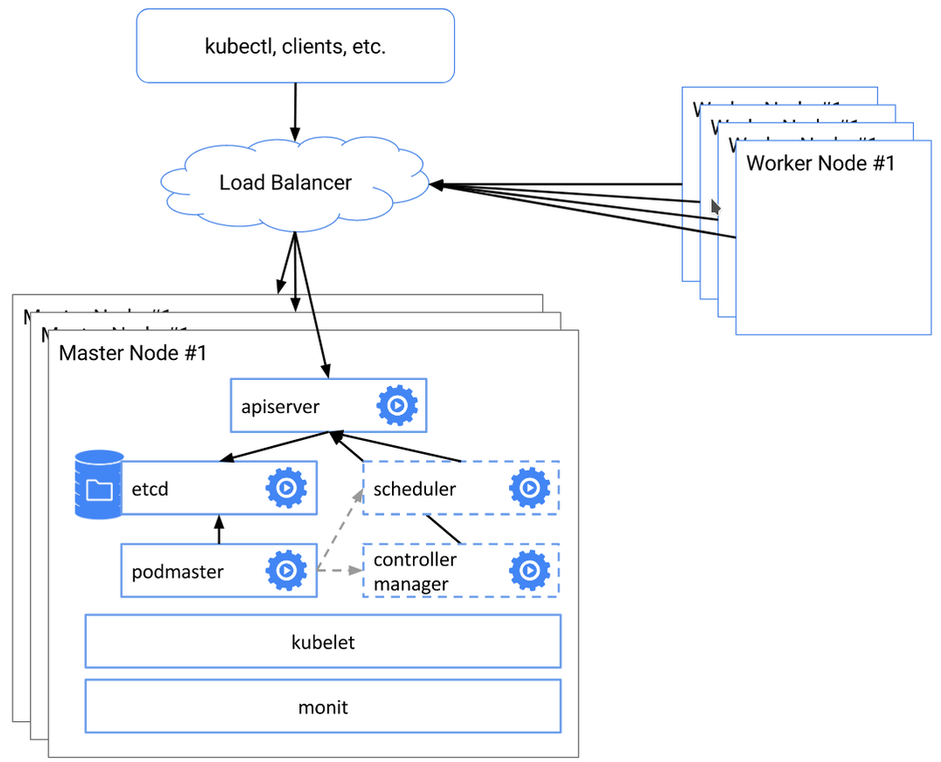
Construindo aglomerados de alta disponibilidade (HA) com Kubeadm. Fonte: Kubernetes.io, 2020
O Google Kubernetes Engine (GKE) é um ambiente gerenciado e pronto para a produção para a execução de aplicativos de contêiner.
O Azure Kubernetes Service (AKS) é o Kubernetes sem servidor, com uma experiência integrada de integração contínua e entrega contínua (CI/CD) e segurança e governança de nível corporativo. Unite suas equipes de desenvolvimento e operações em uma única plataforma para criar, entregar e escalar rapidamente aplicativos com confiança.
O Amazon EKS é uma ferramenta que executa instâncias de avião de controle do Kubernetes em várias zonas de disponibilidade para garantir alta disponibilidade.
A AWS Controllers for Kubernetes (ACK) é uma nova ferramenta que permite gerenciar diretamente os serviços da AWS da Kubernetes. A ACK simplifica a criação de aplicativos Kubernetes escaláveis e altamente disponíveis que utilizam serviços da AWS.
O mecanismo de contêineres do Kubernetes (OKE) é um serviço de orquestração de contêineres gerenciados pelo Oracle que pode reduzir o tempo e o custo para criar aplicativos nativos de nuvem modernos. Ao contrário da maioria dos outros fornecedores, a Oracle Cloud Infrastructure fornece mecanismo de contêiner para Kubernetes como um serviço gratuito que é executado em computação de maior desempenho e menor custo.
O Anthos é uma plataforma moderna de gerenciamento de aplicativos que fornece uma experiência consistente de desenvolvimento e operações para ambientes em nuvem e no local.
Red Hat Openshift is a fully managed Kubernetes platform that provides a foundation for on-premises, hybrid, and multicloud deployments.
OKD is a community distribution of Kubernetes optimized for continuous application development and multi-tenant deployment. OKD adds developer and operations-centric tools on top of Kubernetes to enable rapid application development, easy deployment and scaling, and long-term lifecycle maintenance for small and large teams.
Odo is a fast, iterative, and straightforward CLI tool for developers who write, build, and deploy applications on Kubernetes and OpenShift.
Kata Operator is an operator to perform lifecycle management (install/upgrade/uninstall) of Kata Runtime on Openshift as well as Kubernetes cluster.
Thanos is a set of components that can be composed into a highly available metric system with unlimited storage capacity, which can be added seamlessly on top of existing Prometheus deployments.
OpenShift Hive is an operator which runs as a service on top of Kubernetes/OpenShift. The Hive service can be used to provision and perform initial configuration of OpenShift 4 clusters.
Rook is a tool that turns distributed storage systems into self-managing, self-scaling, self-healing storage services. It automates the tasks of a storage administrator: deployment, bootstrapping, configuration, provisioning, scaling, upgrading, migration, disaster recovery, monitoring, and resource management.
VMware Tanzu is a centralized management platform for consistently operating and securing your Kubernetes infrastructure and modern applications across multiple teams and private/public clouds.
Kubespray is a tool that combines Kubernetes and Ansible to easily install Kubernetes clusters that can be deployed on AWS, GCE, Azure, OpenStack, vSphere, Packet (bare metal), Oracle Cloud Infrastructure (Experimental), or Baremetal.
KubeInit provides Ansible playbooks and roles for the deployment and configuration of multiple Kubernetes distributions.
Rancher is a complete software stack for teams adopting containers. It addresses the operational and security challenges of managing multiple Kubernetes clusters, while providing DevOps teams with integrated tools for running containerized workloads.
K3s is a highly available, certified Kubernetes distribution designed for production workloads in unattended, resource-constrained, remote locations or inside IoT appliances.
Helm is a Kubernetes Package Manager tool that makes it easier to install and manage Kubernetes applications.
Knative is a Kubernetes-based platform to build, deploy, and manage modern serverless workloads. Knative takes care of the operational overhead details of networking, autoscaling (even to zero), and revision tracking.
KubeFlow is a tool dedicated to making deployments of machine learning (ML) workflows on Kubernetes simple, portable and scalable.
Etcd is a distributed key-value store that provides a reliable way to store data that needs to be accessed by a distributed system or cluster of machines. Etcd is used as the backend for service discovery and stores cluster state and configuration for Kubernetes.
OpenEBS is a Kubernetes-based tool to create stateful applications using Container Attached Storage.
Container Storage Interface (CSI) is an API that lets container orchestration platforms like Kubernetes seamlessly communicate with stored data via a plug-in.
MicroK8s is a tool that delivers the full Kubernetes experience. In a Fully containerized deployment with compressed over-the-air updates for ultra-reliable operations. It is supported on Linux, Windows, and MacOS.
Charmed Kubernetes is a well integrated, turn-key, conformant Kubernetes platform, optimized for your multi-cloud environments developed by Canonical.
Grafana Kubernetes App is a toll that allows you to monitor your Kubernetes cluster's performance. It includes 4 dashboards, Cluster, Node, Pod/Container and Deployment. It allows for the automatic deployment of the required Prometheus exporters and a default scrape config to use with your in cluster Prometheus deployment.
KubeEdge is an open source system for extending native containerized application orchestration capabilities to hosts at Edge.It is built upon kubernetes and provides fundamental infrastructure support for network, app. deployment and metadata synchronization between cloud and edge.
Lens is the most powerful IDE for people who need to deal with Kubernetes clusters on a daily basis. It has support for MacOS, Windows and Linux operating systems.
kind is a tool for running local Kubernetes clusters using Docker container “nodes”. It was primarily designed for testing Kubernetes itself, but may be used for local development or CI.
Flux CD is a tool that automatically ensures that the state of your Kubernetes cluster matches the configuration you've supplied in Git. It uses an operator in the cluster to trigger deployments inside Kubernetes, which means that you don't need a separate continuous delivery tool.
Getting Kubernetes Certifications
Getting started with Kubernetes on AWS
Kubernetes on Microsoft Azure
Intro to Azure Kubernetes Service
Getting started with Google Cloud
Getting started with Kubernetes on Red Hat
Getting started with Kubernetes on IBM
YAML basics in Kubernetes
Elastic Cloud on Kubernetes
Docker and Kubernetes
Deploy a model to an Azure Kubernetes Service cluster
Simplify Machine Learning Inference on Kubernetes with Amazon SageMaker Operators
Running Apache Spark on Kubernetes
Kubernetes Across VMware vRealize Automation
VMware Tanzu Kubernetes Grid
All the Ways VMware Tanzu Works with AWS
VMware Tanzu Education
Using Ansible in a Cloud-Native Kubernetes Environment
Managing Kubernetes (K8s) objects with Ansible
Setting up a Kubernetes cluster using Vagrant and Ansible
Running MongoDB with Kubernetes
Kubernetes Fluentd
Understanding the new GitLab Kubernetes Agent
Kubernetes Contributors
KubeAcademy from VMware
Back to the Top
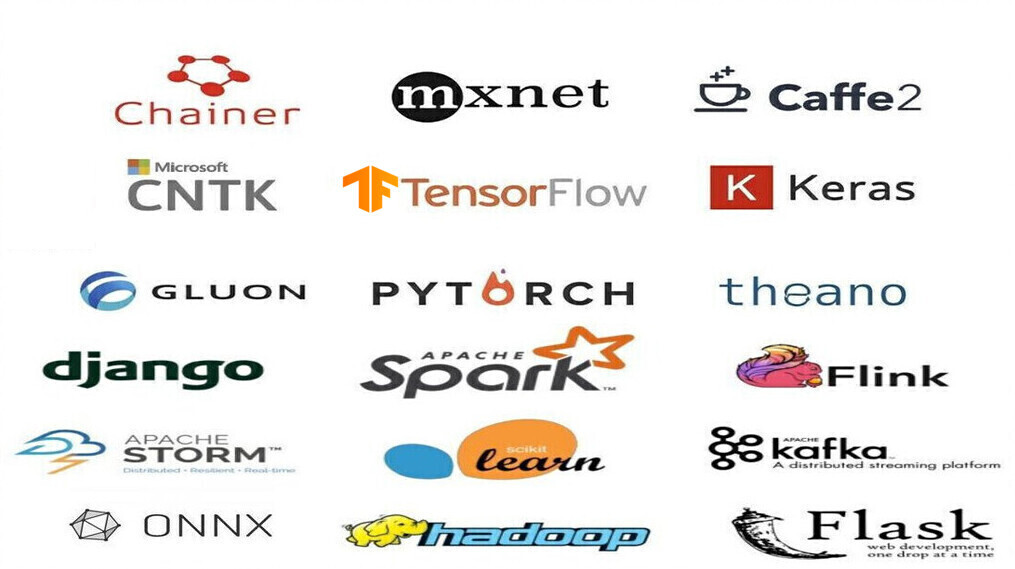
TensorFlow is an end-to-end open source platform for machine learning. It has a comprehensive, flexible ecosystem of tools, libraries and community resources that lets researchers push the state-of-the-art in ML and developers easily build and deploy ML powered applications.
Tensorman is a utility for easy management of Tensorflow containers by developed by System76.Tensorman allows Tensorflow to operate in an isolated environment that is contained from the rest of the system. This virtual environment can operate independent of the base system, allowing you to use any version of Tensorflow on any version of a Linux distribution that supports the Docker runtime.
Keras is a high-level neural networks API, written in Python and capable of running on top of TensorFlow, CNTK, or Theano.It was developed with a focus on enabling fast experimentation. It is capable of running on top of TensorFlow, Microsoft Cognitive Toolkit, R, Theano, or PlaidML.
PyTorch is a library for deep learning on irregular input data such as graphs, point clouds, and manifolds. Primarily developed by Facebook's AI Research lab.
Amazon SageMaker is a fully managed service that provides every developer and data scientist with the ability to build, train, and deploy machine learning (ML) models quickly. SageMaker removes the heavy lifting from each step of the machine learning process to make it easier to develop high quality models.
Azure Databricks is a fast and collaborative Apache Spark-based big data analytics service designed for data science and data engineering. Azure Databricks, sets up your Apache Spark environment in minutes, autoscale, and collaborate on shared projects in an interactive workspace. Azure Databricks supports Python, Scala, R, Java, and SQL, as well as data science frameworks and libraries including TensorFlow, PyTorch, and scikit-learn.
Microsoft Cognitive Toolkit (CNTK) is an open-source toolkit for commercial-grade distributed deep learning. It describes neural networks as a series of computational steps via a directed graph. CNTK allows the user to easily realize and combine popular model types such as feed-forward DNNs, convolutional neural networks (CNNs) and recurrent neural networks (RNNs/LSTMs). CNTK implements stochastic gradient descent (SGD, error backpropagation) learning with automatic differentiation and parallelization across multiple GPUs and servers.
Apache Airflow is an open-source workflow management platform created by the community to programmatically author, schedule and monitor workflows. Instalar. Princípios. Scalable. Airflow has a modular architecture and uses a message queue to orchestrate an arbitrary number of workers. Airflow is ready to scale to infinity.
Open Neural Network Exchange(ONNX) is an open ecosystem that empowers AI developers to choose the right tools as their project evolves. ONNX provides an open source format for AI models, both deep learning and traditional ML. It defines an extensible computation graph model, as well as definitions of built-in operators and standard data types.
Apache MXNet is a deep learning framework designed for both efficiency and flexibility. It allows you to mix symbolic and imperative programming to maximize efficiency and productivity. At its core, MXNet contains a dynamic dependency scheduler that automatically parallelizes both symbolic and imperative operations on the fly. A graph optimization layer on top of that makes symbolic execution fast and memory efficient. MXNet is portable and lightweight, scaling effectively to multiple GPUs and multiple machines. Support for Python, R, Julia, Scala, Go, Javascript and more.
AutoGluon is toolkit for Deep learning that automates machine learning tasks enabling you to easily achieve strong predictive performance in your applications. With just a few lines of code, you can train and deploy high-accuracy deep learning models on tabular, image, and text data.
Anaconda is a very popular Data Science platform for machine learning and deep learning that enables users to develop models, train them, and deploy them.
PlaidML is an advanced and portable tensor compiler for enabling deep learning on laptops, embedded devices, or other devices where the available computing hardware is not well supported or the available software stack contains unpalatable license restrictions.
OpenCV is a highly optimized library with focus on real-time computer vision applications. The C++, Python, and Java interfaces support Linux, MacOS, Windows, iOS, and Android.
Scikit-Learn is a Python module for machine learning built on top of SciPy, NumPy, and matplotlib, making it easier to apply robust and simple implementations of many popular machine learning algorithms.
Weka is an open source machine learning software that can be accessed through a graphical user interface, standard terminal applications, or a Java API. It is widely used for teaching, research, and industrial applications, contains a plethora of built-in tools for standard machine learning tasks, and additionally gives transparent access to well-known toolboxes such as scikit-learn, R, and Deeplearning4j.
Caffe is a deep learning framework made with expression, speed, and modularity in mind. It is developed by Berkeley AI Research (BAIR)/The Berkeley Vision and Learning Center (BVLC) and community contributors.
Theano is a Python library that allows you to define, optimize, and evaluate mathematical expressions involving multi-dimensional arrays efficiently including tight integration with NumPy.
nGraph is an open source C++ library, compiler and runtime for Deep Learning. The nGraph Compiler aims to accelerate developing AI workloads using any deep learning framework and deploying to a variety of hardware targets.It provides the freedom, performance, and ease-of-use to AI developers.
NVIDIA cuDNN is a GPU-accelerated library of primitives for deep neural networks. cuDNN provides highly tuned implementations for standard routines such as forward and backward convolution, pooling, normalization, and activation layers. cuDNN accelerates widely used deep learning frameworks, including Caffe2, Chainer, Keras, MATLAB, MxNet, PyTorch, and TensorFlow.
Jupyter Notebook is an open-source web application that allows you to create and share documents that contain live code, equations, visualizations and narrative text. Jupyter is used widely in industries that do data cleaning and transformation, numerical simulation, statistical modeling, data visualization, data science, and machine learning.
Apache Spark is a unified analytics engine for large-scale data processing. It provides high-level APIs in Scala, Java, Python, and R, and an optimized engine that supports general computation graphs for data analysis. It also supports a rich set of higher-level tools including Spark SQL for SQL and DataFrames, MLlib for machine learning, GraphX for graph processing, and Structured Streaming for stream processing.
Apache Spark Connector for SQL Server and Azure SQL is a high-performance connector that enables you to use transactional data in big data analytics and persists results for ad-hoc queries or reporting. The connector allows you to use any SQL database, on-premises or in the cloud, as an input data source or output data sink for Spark jobs.
Apache PredictionIO is an open source machine learning framework for developers, data scientists, and end users. It supports event collection, deployment of algorithms, evaluation, querying predictive results via REST APIs. It is based on scalable open source services like Hadoop, HBase (and other DBs), Elasticsearch, Spark and implements what is called a Lambda Architecture.
Cluster Manager for Apache Kafka(CMAK) is a tool for managing Apache Kafka clusters.
BigDL is a distributed deep learning library for Apache Spark. With BigDL, users can write their deep learning applications as standard Spark programs, which can directly run on top of existing Spark or Hadoop clusters.
Koalas is project makes data scientists more productive when interacting with big data, by implementing the pandas DataFrame API on top of Apache Spark.
Apache Spark™ MLflow is an open source platform to manage the ML lifecycle, including experimentation, reproducibility, deployment, and a central model registry. MLflow currently offers four components:
MLflow Tracking : Record and query experiments: code, data, config, and results.
MLflow Projects : Package data science code in a format to reproduce runs on any platform.
MLflow Models : Deploy machine learning models in diverse serving environments.
Model Registry : Store, annotate, discover, and manage models in a central repository.
Eclipse Deeplearning4J (DL4J) is a set of projects intended to support all the needs of a JVM-based(Scala, Kotlin, Clojure, and Groovy) deep learning application. This means starting with the raw data, loading and preprocessing it from wherever and whatever format it is in to building and tuning a wide variety of simple and complex deep learning networks.
Numba is an open source, NumPy-aware optimizing compiler for Python sponsored by Anaconda, Inc. It uses the LLVM compiler project to generate machine code from Python syntax. Numba can compile a large subset of numerically-focused Python, including many NumPy functions. Additionally, Numba has support for automatic parallelization of loops, generation of GPU-accelerated code, and creation of ufuncs and C callbacks.
Chainer is a Python-based deep learning framework aiming at flexibility. It provides automatic differentiation APIs based on the define-by-run approach (dynamic computational graphs) as well as object-oriented high-level APIs to build and train neural networks. It also supports CUDA/cuDNN using CuPy for high performance training and inference.
cuML is a suite of libraries that implement machine learning algorithms and mathematical primitives functions that share compatible APIs with other RAPIDS projects. cuML enables data scientists, researchers, and software engineers to run traditional tabular ML tasks on GPUs without going into the details of CUDA programming. In most cases, cuML's Python API matches the API from scikit-learn.
Machine Learning by Stanford University from Coursera
Machine Learning Courses Online from Coursera
Machine Learning Courses Online from Udemy
Learn Machine Learning with Online Courses and Classes from edX
Back to the Top

ROS is robotics middleware. Although ROS is not an operating system, it provides services designed for a heterogeneous computer cluster such as hardware abstraction, low-level device control, implementation of commonly used functionality, message-passing between processes, and package management.
ROS2 is a set of software libraries and tools that help you build robot applications. From drivers to state-of-the-art algorithms, and with powerful developer tools, ROS has what you need for your next robotics project. And it's all open source.
Robot Framework is a generic open source automation framework. It can be used for test automation and robotic process automation. It has easy syntax, utilizing human-readable keywords. Its capabilities can be extended by libraries implemented with Python or Java.
The Robotics Library (RL) is a self-contained C++ library for robot kinematics, motion planning and control. It covers mathematics, kinematics and dynamics, hardware abstraction, motion planning, collision detection, and visualization.RL runs on many different systems, including Linux, macOS, and Windows. It uses CMake as a build system and can be compiled with Clang, GCC, and Visual Studio.
MoveIt is the most widely used software for manipulation and has been used on over 100 robots. It provides an easy-to-use robotics platform for developing advanced applications, evaluating new designs and building integrated products for industrial, commercial, R&D, and other domains.
AutoGluon is toolkit for Deep learning that automates machine learning tasks enabling you to easily achieve strong predictive performance in your applications. With just a few lines of code, you can train and deploy high-accuracy deep learning models on tabular, image, and text data.
Gazebo accurately and efficiently simulates indoor and outdoor robots. You get a robust physics engine, high-quality graphics, and programmatic and graphical interfaces.
Robotics System Toolbox provides tools and algorithms for designing, simulating, and testing manipulators, mobile robots, and humanoid robots. For manipulators and humanoid robots, the toolbox includes algorithms for collision checking, trajectory generation, forward and inverse kinematics, and dynamics using a rigid body tree representation. For mobile robots, it includes algorithms for mapping, localization, path planning, path following, and motion control. The toolbox provides reference examples of common industrial robot applications. It also includes a library of commercially available industrial robot models that you can import, visualize, and simulate.
Intel Robot DevKit is the tool to generate Robotics Software Development Kit (RDK) designed for autonomous devices, including the ROS2 core and capacibilities packages like perception, planning, control driver etc. It provides flexible build/runtime configurations to meet different autonomous requirement on top of diversity hardware choices, for example use different hareware engine CPU/GPU/VPU to accelerate AI related features.
Arduino is an open-source platform used for building electronics projects. Arduino consists of both a physical programmable circuit board (often referred to as a microcontroller) and a piece of software, or IDE (Integrated Development Environment) that runs on your computer, used to write and upload computer code to the physical board.
ArduPilot enables the creation and use of trusted, autonomous, unmanned vehicle systems for the peaceful benefit of all. ArduPilot provides a comprehensive suite of tools suitable for almost any vehicle and application.
AirSim is a simulator for drones, cars and more, built on Unreal Engine (we now also have an experimental Unity release). It is open-source, cross platform, and supports hardware-in-loop with popular flight controllers such as PX4 for physically and visually realistic simulations.
F´ (F Prime) is a component-driven framework that enables rapid development and deployment of spaceflight and other embedded software applications. Originally developed at the Jet Propulsion Laboratory, F´ has been successfully deployed on several space applications.
The JPL Open Source Rover is an open source, build it yourself, scaled down version of the 6 wheel rover design that JPL uses to explore the surface of Mars. The Open Source Rover is designed almost entirely out of consumer off the shelf (COTS) parts. This project is intended to be a teaching and learning experience for those who want to get involved in mechanical engineering, software, electronics, or robotics.
Light Detection and Ranging(LiDAR) is a remote sensing method that uses light in the form of a pulsed laser at an object, and uses the time and wavelength of the reflected beam of light to estimate the distance and in some applications (Laser Imaging), to create a 3D representation of the object and its surface characteristics. This technology is commonly used in aircraft and self-driving vehicles.
AliceVision is a Photogrammetric Computer Vision Framework which provides a 3D Reconstruction and Camera Tracking algorithms. AliceVision aims to provide strong software basis with state-of-the-art computer vision algorithms that can be tested, analyzed and reused. The project is a result of collaboration between academia and industry to provide cutting-edge algorithms with the robustness and the quality required for production usage.
CARLA is an open-source simulator for autonomous driving research. CARLA has been developed from the ground up to support development, training, and validation of autonomous driving systems. In addition to open-source code and protocols, CARLA provides open digital assets (urban layouts, buildings, vehicles) that were created for this purpose and can be used freely. The simulation platform supports flexible specification of sensor suites and environmental conditions.
ROS bridge is a package to bridge ROS for CARLA Simulator.
ROS-Industrial is an open source project that extends the advanced capabilities of ROS software to manufacturing.
AWS RoboMaker is the most complete cloud solution for robotic developers to simulate, test and securely deploy robotic applications at scale. RoboMaker provides a fully-managed, scalable infrastructure for simulation that customers use for multi-robot simulation and CI/CD integration with regression testing in simulation.
Microsoft Robotics Developer Studio is a free .NET-based programming environment for building robotics applications.
Visual Studio Code Extension for ROS is an extension provides support for Robot Operating System (ROS) development.
Azure Kinect ROS Driver is a node which publishes sensor data from the Azure Kinect Developer Kit to the Robot Operating System (ROS). Developers working with ROS can use this node to connect an Azure Kinect Developer Kit to an existing ROS installation.
Azure IoT Hub for ROS is a ROS package works with the Microsoft Azure IoT Hub service to relay telemetry messages from the Robot to Azure IoT Hub or reflect properties from the Digital Twin to the robot using dynamic reconfigure.
ROS 2 with ONNX Runtime is a program that uses ROS 2 to run on different hardware platforms using their respective AI acceleration libraries for optimized execution of the ONNX model.
Azure Cognitive Services LUIS ROS Node is a ROS node that bridges between ROS and the Azure Language Understanding Service. it can be configured to process audio directly from a microphone, or can subscribe to a ROS audio topic, then processes speech and generates "intent" ROS messages which can be processed by another ROS node to generate ROS commands.
Robotics courses from Coursera
Learn Robotics with Online Courses and Classes from edX
Top Robotics Courses Online from Udemy
Free Online AI & Robotics Courses
REC Foundation Robotics Industry Certification
Carnegie Mellon Robotics Academy
RIA Robotic Integrator Certification Program
AWS RoboMaker – Develop, Test, Deploy, and Manage Intelligent Robotics Apps
Microsoft AI School
Language Understanding (LUIS) for Azure Cognitive Services
Azure VM templates to bootstrap ROS and ROS 2 environments
Google Robotics Research
Back to the Top

Open Source Security Foundation (OpenSSF) is a cross-industry collaboration that brings together leaders to improve the security of open source software by building a broader community, targeted initiatives, and best practices. The OpenSSF brings together open source security initiatives under one foundation to accelerate work through cross-industry support. Along with the Core Infrastructure Initiative and the Open Source Security Coalition, and will include new working groups that address vulnerability disclosures, security tooling and more.
STIGs Benchmarks - Security Technical Implementation Guides
CIS Benchmarks - CIS Center for Internet Security
NIST - Current FIPS
ISO Standards Catalogue
Common Criteria for Information Technology Security Evaluation (CC) is an international standard (ISO / IEC 15408) for computer security. It allows an objective evaluation to validate that a particular product satisfies a defined set of security requirements.
ISO 22301 is the international standard that provides a best-practice framework for implementing an optimised BCMS (business continuity management system).
ISO27001 is the international standard that describes the requirements for an ISMS (information security management system). The framework is designed to help organizations manage their security practices in one place, consistently and cost-effectively.
ISO 27701 specifies the requirements for a PIMS (privacy information management system) based on the requirements of ISO 27001. It is extended by a set of privacy-specific requirements, control objectives and controls. Companies that have implemented ISO 27001 will be able to use ISO 27701 to extend their security efforts to cover privacy management.
EU GDPR (General Data Protection Regulation) is a privacy and data protection law that supersedes existing national data protection laws across the EU, bringing uniformity by introducing just one main data protection law for companies/organizations to comply with.
CCPA (California Consumer Privacy Act) is a data privacy law that took effect on January 1, 2020 in the State of California. It applies to businesses that collect California residents' personal information, and its privacy requirements are similar to those of the EU's GDPR (General Data Protection Regulation).
Payment Card Industry (PCI) Data Security Standards (DSS) is a global information security standard designed to prevent fraud through increased control of credit card data.
SOC 2 is an auditing procedure that ensures your service providers securely manage your data to protect the interests of your comapny/organization and the privacy of their clients.
NIST CSF is a voluntary framework primarily intended for critical infrastructure organizations to manage and mitigate cybersecurity risk based on existing best practice.
AppArmor is an effective and easy-to-use Linux application security system. AppArmor proactively protects the operating system and applications from external or internal threats, even zero-day attacks, by enforcing good behavior and preventing both known and unknown application flaws from being exploited. AppArmor supplements the traditional Unix discretionary access control (DAC) model by providing mandatory access control (MAC). It has been included in the mainline Linux kernel since version 2.6.36 and its development has been supported by Canonical since 2009.
SELinux is a security enhancement to Linux which allows users and administrators more control over access control. Access can be constrained on such variables as which users and applications can access which resources. These resources may take the form of files. Standard Linux access controls, such as file modes (-rwxr-xr-x) are modifiable by the user and the applications which the user runs. Conversely, SELinux access controls are determined by a policy loaded on the system which may not be changed by careless users or misbehaving applications.
Control Groups(Cgroups) is a Linux kernel feature that allows you to allocate resources such as CPU time, system memory, network bandwidth, or any combination of these resources for user-defined groups of tasks (processes) running on a system.
EarlyOOM is a daemon for Linux that enables users to more quickly recover and regain control over their system in low-memory situations with heavy swap usage.
Libgcrypt is a general purpose cryptographic library originally based on code from GnuPG.
Kali Linux is an open source project that is maintained and funded by Offensive Security, a provider of world-class information security training and penetration testing services.
Pi-hole is a DNS sinkhole that protects your devices from unwanted content, without installing any client-side software, intended for use on a private network. It is designed for use on embedded devices with network capability, such as the Raspberry Pi, but it can be used on other machines running Linux and cloud implementations.
Aircrack-ng is a network software suite consisting of a detector, packet sniffer, WEP and WPA/WPA2-PSK cracker and analysis tool for 802.11 wireless LANs. It works with any wireless network interface controller whose driver supports raw monitoring mode and can sniff 802.11a, 802.11b and 802.11g traffic.
Burp Suite is a leading range of cybersecurity tools.
KernelCI is a community-based open source distributed test automation system focused on upstream kernel development. The primary goal of KernelCI is to use an open testing philosophy to ensure the quality, stability and long-term maintenance of the Linux kernel.
Continuous Kernel Integration project helps find bugs in kernel patches before they are commited to an upstram kernel tree. We are team of kernel developers, kernel testers, and automation engineers.
eBPF is a revolutionary technology that can run sandboxed programs in the Linux kernel without changing kernel source code or loading kernel modules. By making the Linux kernel programmable, infrastructure software can leverage existing layers, making them more intelligent and feature-rich without continuing to add additional layers of complexity to the system.
Cilium uses eBPF to accelerate getting data in and out of L7 proxies such as Envoy, enabling efficient visibility into API protocols like HTTP, gRPC, and Kafka.
Hubble is a Network, Service & Security Observability for Kubernetes using eBPF.
Istio is an open platform to connect, manage, and secure microservices. Istio's control plane provides an abstraction layer over the underlying cluster management platform, such as Kubernetes and Mesos.
Certgen is a convenience tool to generate and store certificates for Hubble Relay mTLS.
Scapy is a python-based interactive packet manipulation program & library.
syzkaller is an unsupervised, coverage-guided kernel fuzzer.
SchedViz is a tool for gathering and visualizing kernel scheduling traces on Linux machines.
oss-fuzz aims to make common open source software more secure and stable by combining modern fuzzing techniques with scalable, distributed execution.
OSSEC is a free, open-source host-based intrusion detection system. It performs log analysis, integrity checking, Windows registry monitoring, rootkit detection, time-based alerting, and active response.
Metasploit Project is a computer security project that provides information about security vulnerabilities and aids in penetration testing and IDS signature development.
Wfuzz was created to facilitate the task in web applications assessments and it is based on a simple concept: it replaces any reference to the FUZZ keyword by the value of a given payload.
Nmap is a security scanner used to discover hosts and services on a computer network, thus building a "map" of the network.
Patchwork is a web-based patch tracking system designed to facilitate the contribution and management of contributions to an open-source project.
pfSense is a free and open source firewall and router that also features unified threat management, load balancing, multi WAN, and more.
Snowpatch is a continuous integration tool for projects using a patch-based, mailing-list-centric git workflow. This workflow is used by a number of well-known open source projects such as the Linux kernel.
Snort is an open-source, free and lightweight network intrusion detection system (NIDS) software for Linux and Windows to detect emerging threats.
Wireshark is a free and open-source packet analyzer. It is used for network troubleshooting, analysis, software and communications protocol development, and education.
OpenSCAP is US standard maintained by National Institute of Standards and Technology (NIST). It provides multiple tools to assist administrators and auditors with assessment, measurement, and enforcement of security baselines. OpenSCAP maintains great flexibility and interoperability by reducing the costs of performing security audits. Whether you want to evaluate DISA STIGs, NIST's USGCB, or Red Hat's Security Response Team's content, all are supported by OpenSCAP.
Tink is a multi-language, cross-platform, open source library that provides cryptographic APIs that are secure, easy to use correctly, and harder to misuse.
OWASP is an online community, produces freely-available articles, methodologies, documentation, tools, and technologies in the field of web application security.
Open Vulnerability and Assessment Language is a community effort to standardize how to assess and report upon the machine state of computer systems. OVAL includes a language to encode system details, and community repositories of content. Tools and services that use OVAL provide enterprises with accurate, consistent, and actionable information to improve their security.
ClamAV is an open source antivirus engine for detecting trojans, viruses, malware & other malicious threats.
Microsoft Open Source Software Security
Cloudflare Open Source Security
The Seven Properties of Highly Secure Devices
How Layer 7 of the Internet Works
The 7 Kinds of Security
The Libgcrypt Reference Manual
The Open Web Application Security Project(OWASP) Foundation Top 10
Best Practices for Using Open Source Code from The Linux Foundation
AWS Certified Security - Specialty Certification
Microsoft Certified: Azure Security Engineer Associate
Google Cloud Certified Professional Cloud Security Engineer
Cisco Security Certifications
The Red Hat Certified Specialist in Security: Linux
Linux Professional Institute LPIC-3 Enterprise Security Certification
Cybersecurity Training and Courses from IBM Skills
Cybersecurity Courses and Certifications by Offensive Security
RSA Certification Program
Check Point Certified Security Expert(CCSE) Certification
Check Point Certified Security Administrator(CCSA) Certification
Check Point Certified Security Master (CCSM) Certification
Certified Cloud Security Professional(CCSP) Certification
Certified Information Systems Security Professional (CISSP) Certification
CCNP Routing and Switching
Certified Information Security Manager(CISM)
Wireshark Certified Network Analyst (WCNA)
Juniper Networks Certification Program Enterprise (JNCP)
Security Training Certifications and Courses from Udemy
Security Training Certifications and Courses from Coursera
Security Certifications Training from Pluarlsight
Back to the Top

Differential Privacy is a system that simultaneously enables researchers and analysts to extract useful insights from datasets containing personal information and offers stronger privacy protections. This is achieved by introducing "statistical noise".
Statistical Noise is a process that small aletrations to masked datasets. The statistical noise hides identifiable characteristics of individuals, ensuring that the privacy of personal information is protected, but it's small enough to not materially impact the accuracy of the answers extracted by analysts and researchers.
Laplacian Noise is a mechanism that adds Laplacian-distributed noise to a function.
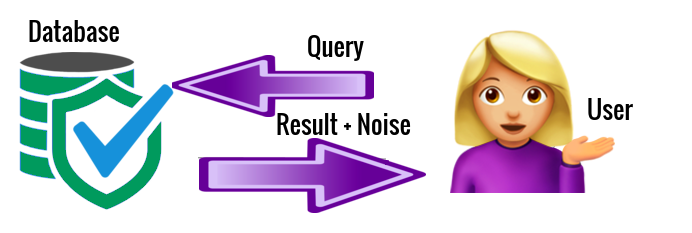
Above is a simple diagram of how Differential Privacy-Preserving Data Sharing and Data Mining protects a User's Data
PySyft is a Python library for secure and private Deep Learning. PySyft decouples private data from model training, using Federated Learning, Differential Privacy, and Encrypted Computation (like Multi-Party Computation (MPC) and Homomorphic Encryption (HE) within the main Deep Learning frameworks like PyTorch and TensorFlow.
TensorFlow Privacy is a Python library that includes implementations of TensorFlow optimizers for training machine learning models with differential privacy. The library comes with tutorials and analysis tools for computing the privacy guarantees provided.
TensorFlow Federated (TFF) is an open-source framework for machine learning and other computations on decentralized data. TFF has been developed to facilitate open research and experimentation with Federated Learning (FL), an approach to machine learning where a shared global model is trained across many participating clients that keep their training data locally.
Privacy on Beam is an end-to-end differential privacy solution built on Apache Beam. It is intended to be usable by all developers, regardless of their differential privacy expertise.
PyDP is a Python wrapper for Google's Differential Privacy project.
PennyLane is a cross-platform Python library for differentiable programming of quantum computers. By training a quantum computer the same way as a neural network.
BoTorch is a library for Bayesian Optimization built on PyTorch.
PyTorch Geometric (PyG) is a geometric deep learning extension library for PyTorch.
Skorch is a scikit-learn compatible neural network library that wraps PyTorch.
Diffprivlib is the IBM Differential Privacy Library for experimenting with, investigating and developing applications in, differential privacy.
Opacus is a library that enables training PyTorch models with differential privacy. It supports training with minimal code changes required on the client, has little impact on training performance and allows the client to online track the privacy budget expended at any given moment.
Smart Noise is a toolkit that uses state-of-the-art differential privacy (DP) techniques to inject noise into data, to prevent disclosure of sensitive information and manage exposure risk.
Differential Privacy Blog Series by the National Institute of Standards and Technology(NIST)
Apple's Differential Privacy Overview
Learning with Privacy at Scale with Apple Machine Learning
Microsoft Research Differential Privacy Overview
Responsible Machine Learning with Microsoft Azure
Responsible AI Resources with Microsoft AI
Preserve data privacy by using differential privacy and the SmartNoise package
Open Differential Privacy(OpenDP) Initiative by Microsoft and Harvard
Google's Differential Privacy Library
Computing Private Statistics with Privacy on Beam from Google Codelabs
Introducing TensorFlow Privacy: Learning with Differential Privacy for Training Data
TensorFlow Federated: Machine Learning on Decentralized Data
Federated Analytics: Collaborative Data Science without Data Collection
Differentially-Private Stochastic Gradient Descent(DP-SGD)
Learning Differential Privacy from Harvard University Privacy Tools Project
Harvard University Privacy Tools Project Courses & Educational Materials
The Weaknesses of Differential Privacy course on Coursera
The Differential Privacy of Bayesian Inference
Simultaneous private learning of multiple concepts
The Complexity of Computing the Optimal Composition of Differential Privacy
Order revealing encryption and the hardness of private learning
SAP HANA data anonymization using SAP Software Solutions
SAP HANA Security using their In-Memory Database
DEFCON Differential Privacy Training Launch
Secure and Private AI course on Udacity
Differential Privacy - Security and Privacy for Big Data - Part 1 course on Coursera
Differential Privacy - Security and Privacy for Big Data - Part 2 course on Coursera
Certified Ethical Emerging Technologist Professional Certificate course on Coursera
Back to the Top
CNCF Cloud Native Interactive Landscape
Build Cloud-Native applications in Microsoft Azure
Cloud-Native application development for Google Cloud
Cloud-Native development for Amazon Web Services
Cloud Native Applications with VMware Tanzu
Cloud Native Computing Foundation Training and Certification Program
Cloud Foundry Developer Training and Certification Program
Cloud-Native Architecture Course on Pluralsight
AWS Fundamentals: Going Cloud-Native on Coursera
Developing Cloud-Native Apps w/ Microservices Architectures course on Udemy
How load balancing works for cloud native applications with Azure Application Gateway on Linkedin Learning
Developing Cloud Native Applications course on edX
Cloud Native courses from IBM
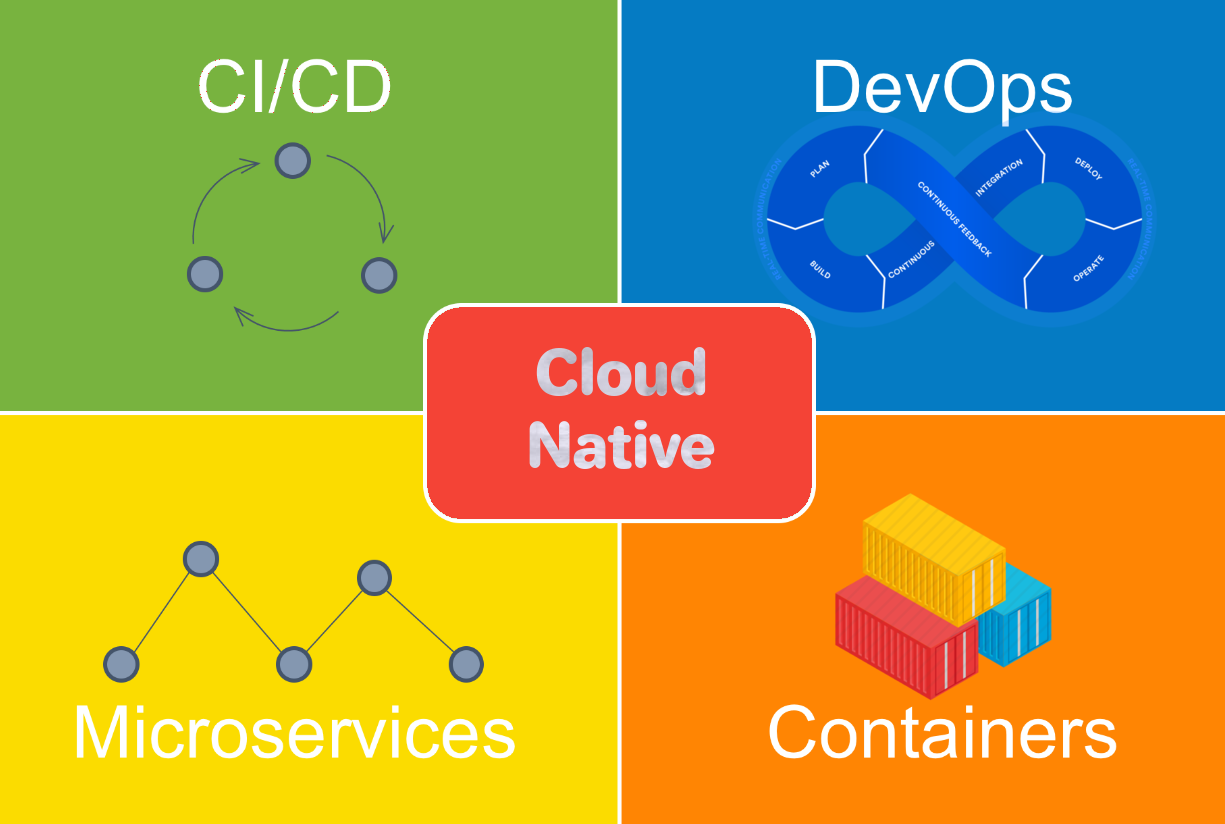
Application Framework
Spring Boot is an open-source micro framework maintained by Pivotal, which was acquired by VMware in 2019. It provides Java developers with a platform to get started with an auto configurable production-grade Spring application.
Apache Mesos is a cluster manager that provides efficient resource isolation and sharing across distributed applications, or frameworks. It can run Hadoop, Jenkins, Spark, Aurora, and other frameworks on a dynamically shared pool of nodes.
Apache Spark is a unified analytics engine for big data processing, with built-in modules for streaming, SQL, machine learning and graph processing.
Apache Hadoop is a framework that allows for the distributed processing of large data sets across clusters of computers using simple programming models. It is designed to scale up from single servers to thousands of machines, each offering local computation and storage. Rather than rely on hardware to deliver high-availability, the library itself is designed to detect and handle failures at the application layer, so delivering a highly-available service on top of a cluster of computers, each of which may be prone to failures.
Runtime Platform
BOSH is a tool that prepares your infrastructure for what needs to be managed. BOSH espouses software engineering best practices, such as continuous delivery, by making it easy to create software releases that automatically update complex distributed systems with simple commands.Due to the flexibility and power of BOSH, Google and VMware made it the heart of the Kubo project, now called the Cloud Foundry Container Runtime, based on Kubernetes.
Infrastructure Automatation
Maven is a build automation tool used primarily for Java projects. Maven can also be used to build and manage projects written in C#, Ruby, Scala, and other languages. The Maven project is hosted by the Apache Software Foundation.
Gradle is an open-source build-automation system that builds upon the concepts of Apache Ant and Apache Maven and introduces a Groovy-based domain-specific language instead of the XML form used by Apache Maven for declaring the project configuration.
Chef is an effortless Infrastructure Suite offers visibility into security and compliance status across all infrastructure and makes it easy to detect and correct issues long before they reach production.
Puppet is an open source tool that makes continuous integration and delivery of your software on traditional or containerized infrastructure easy by pulling together all your existing tools and giving you flexibility to deploy your way.
Ansible is an open-source software provisioning, configuration management, and application-deployment tool. It runs on many Unix-like systems, and can configure both Unix-like systems as well as Microsoft Windows.
Salt is Python-based, open-source software for event-driven IT automation, remote task execution, and configuration management. Supporting the "Infrastructure as Code" approach to data center system and network deployment and management, configuration automation, SecOps orchestration, vulnerability remediation, and hybrid cloud control.
Terraform is an open-source infrastructure as code software tool created by HashiCorp.It enables users to define and provision a datacenter infrastructure using a high-level configuration language known as Hashicorp Configuration Language (HCL), or optionally JSON.
Cloud Infrastructure
Amazon web service(AWS) is a platform that offers flexible, reliable, scalable, easy-to-use and cost-effective cloud computing solutions. The AWS platform is developed with a combination of infrastructure as a service (IaaS), platform as a service (PaaS) and packaged software as a service (SaaS) offerings.
Microsoft Azure is a cloud computing service created by Microsoft for building, testing, deploying, and managing applications and services through Microsoft-managed data centers.
Azure DevOps is a set of services for teams to share code, track work, and ship software; CLIs Build, deploy, diagnose, and manage multi-platform, scalable apps and services; Azure Pipelines Continuously build, test, and deploy to any platform and cloud; Azure Lab Services Set up labs for classrooms, trials, development and testing, and other scenarios.
Azure Draft is a tool for developers to create cloud-native applications on Kubernetes.
Google Cloud Platform integrates industry-leading tools(data management, hybrid & multi-cloud, and AI & ML) with Cloud Storage for enhanced support with everything from security and data transfer, to data backup and archive. Expand all . Backup, archival, and disaster recovery. Along with File systems and gateways.
OpenStack is a free and open-source software platform for cloud computing, mostly deployed as infrastructure-as-a-service that controls large pools of compute, storage, and networking resources throughout a datacenter, managed through a dashboard or via the OpenStack API. OpenStack works with popular enterprise and open source technologies making it ideal for heterogeneous infrastructure.
Cloud Foundry is an open source, multi cloud application platform as a service that makes it faster and easier to build, test, deploy and scale applications, providing a choice of clouds, developer frameworks, and application services. It is an open source project and is available through a variety of private cloud distributions and public cloud instances.
Bamboo is a continuous integration (CI) server that can be used to automate the release management for a software application, creating a continuous delivery pipeline.
Drone is a Continuous Delivery system built on container technology. Drone uses a simple YAML configuration file, a superset of docker-compose, to define and execute Pipelines inside Docker containers.
Travis CI is a hosted continuous integration service used to build and test software projects hosted at GitHub.
Circle CI is a continuous integration and continuous delivery platform that helps software teams work smarter, faster.
Team City is a build management and continuous integration server from JetBrains.
Shippable simplifies DevOps and makes it systematic with an Assembly Line platform that is heterogeneous, flexible, and provides complete visibility across your DevOps workflows.
Spinnaker is an open source, multi-cloud continuous delivery platform for releasing software changes with high velocity and confidence.
Prow is a Kubernetes based CI/CD system. Jobs can be triggered by various types of events and report their status to many different services. In addition to job execution, Prow provides GitHub automation in the form of policy enforcement, chat-ops via /foo style commands, and automatic PR merging. Prow has a microservice architecture implemented as a collection of container images that run as Kubernetes deployments.
AWS ECS is a highly scalable, high-performance container orchestration service that supports Docker containers and allows you to easily run and scale containerized applications on AWS. Amazon ECS eliminates the need for you to install and operate your own container orchestration software, manage and scale a cluster of virtual machines, or schedule containers on those virtual machines.
AWS CodeBuild is a fully managed continuous integration service that compiles source code, runs tests, and produces software packages that are ready to deploy. With CodeBuild, you don't need to provision, manage, and scale your own build servers.
CFEngine is an open-source configuration management system, written by Mark Burgess.Its primary function is to provide automated configuration and maintenance of large-scale computer systems, including the unified management of servers, desktops, consumer and industrial devices, embedded networked devices, mobile smartphones, and tablet computers.
Octpus Deploy is the deployment automation server for your entire team, designed to make it easy to orchestrate releases and deploy applications, whether on-premises or in the cloud.
AWS CodeDeploy is a fully managed deployment service that automates software deployments to a variety of compute services such as Amazon EC2, AWS Fargate, AWS Lambda, and your on-premises servers. AWS CodeDeploy makes it easier for you to rapidly release new features, helps you avoid downtime during application deployment, and handles the complexity of updating your applications.
AWS Lambda is an event-driven, serverless computing platform provided by Amazon as a part of the Amazon Web Services. It is a computing service that runs code in response to events and automatically manages the computing resources required by that code.
Traefik is an open-source Edge Router that makes publishing your services a fun and easy experience. It receives requests on behalf of your system and finds out which components are responsible for handling them. What sets Traefik apart, besides its many features, is that it automatically discovers the right configuration for your services.
Kubernetes is an open-source container-orchestration system for automating application deployment, scaling, and management. It was originally designed by Google, and is now maintained by the Cloud Native Computing Foundation.
Google Kubernetes Engine (GKE) is a managed, production-ready environment for deploying containerized applications.
OpenShift is focused on security at every level of the container stack and throughout the application lifecycle. It includes long-term, enterprise support from one of the leading Kubernetes contributors and open source software companies.
Rancher is a complete software stack for teams adopting containers. It addresses the operational and security challenges of managing multiple Kubernetes clusters, while providing DevOps teams with integrated tools for running containerized workloads.
Docker is a set of platform as a service products that use OS-level virtualization to deliver software in packages called containers. Containers are isolated from one another and bundle their own software, libraries and configuration files; they can communicate with each other through well-defined channels. All containers are run by a single operating-system kernel and are thus more lightweight than virtual machines.
Rook is an open source cloud-native storage orchestrator for Kubernetes that turns distributed storage systems into self-managing, self-scaling, self-healing storage services. It automates the tasks of a storage administrator: deployment, bootstrapping, configuration, provisioning, scaling, upgrading, migration, disaster recovery, monitoring, and resource management.
Podman(the POD MANager) is a tool for managing OCI containers and pods.
Rkt is a pod-native container engine for Linux. It is composable, secure, and built on standards.
Back to the Top
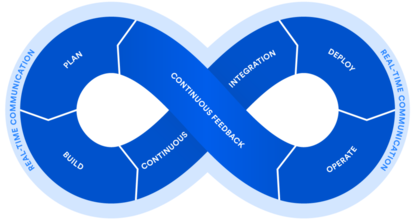
GitHub provides hosting for software development version control using Git. It offers all of the distributed version control and source code management functionality of Git as well as adding its own features. It provides access control and several collaboration features such as bug tracking, feature requests, task management, and wikis for every project.
GitHub Codespaces is an integrated development environment(IDE) on GitHub. That allows developers to develop entirely in the cloud using Visual Studio and Visual Studio Code.
GitHub Actions will automate, customize, and execute your software development workflows right in your repository with GitHub Actions. You can discover, create, and share actions to perform any job you'd like, including CI/CD, and combine actions in a completely customized workflow.GitHub Actions for Azure you can create workflows that you can set up in your repository to build, test, package, release and deploy to Azure.Learn more about all other integrations with Azure.
GitLab is a web-based DevOps lifecycle tool that provides a Git-repository manager providing wiki, issue-tracking and CI/CD pipeline features, using an open-source license, developed by GitLab Inc.
Jenkins is a free and open source automation server. Jenkins helps to automate the non-human part of the software development process, with continuous integration and facilitating technical aspects of continuous delivery.
Bitbucket is a web-based version control repository hosting service owned by Atlassian, for source code and development projects that use either Mercurial or Git revision control systems. Bitbucket offers both commercial plans and free accounts. It offers free accounts with an unlimited number of private repositories. Bitbucket integrates with other Atlassian software like Jira, HipChat, Confluence and Bamboo.
Bamboo is a continuous integration (CI) server that can be used to automate the release management for a software application, creating a continuous delivery pipeline.
Codecov is the leading, dedicated code coverage solution. It provides highly integrated tools to group, merge, archive and compare coverage reports. Whether your team is comparing changes in a pull request or reviewing a single commit, Codecov will improve the code review workflow and quality.
Drone is a Continuous Delivery system built on container technology. Drone uses a simple YAML configuration file, a superset of docker-compose, to define and execute Pipelines inside Docker containers.
Travis CI is a hosted continuous integration service used to build and test software projects hosted at GitHub.
Circle CI is a continuous integration and continuous delivery platform that helps software teams work smarter, faster.
Zuul-CI is a program that drives continuous integration, delivery, and deployment systems with a focus on project gating and interrelated projects. Using the same Ansible playbooks to deploy your system and run your tests.
Artifactory is a Universal Artifact Repository Manager developed by JFrog. It supports all major packages, enterprise ready security, clustered, HA, Docker registry, multi-site replication and scalable.
Azure DevOps is a set of services for teams to share code, track work, and ship software; CLIs Build, deploy, diagnose, and manage multi-platform, scalable apps and services; Azure Pipelines Continuously build, test, and deploy to any platform and cloud; Azure Lab Services Set up labs for classrooms, trials, development and testing, and other scenarios.
Team City is a build management and continuous integration server from JetBrains.
Shippable simplifies DevOps and makes it systematic with an Assembly Line platform that is heterogeneous, flexible, and provides complete visibility across your DevOps workflows.
Spinnaker is an open source, multi-cloud continuous delivery platform for releasing software changes with high velocity and confidence.
AWS CodeBuild is a fully managed continuous integration service that compiles source code, runs tests, and produces software packages that are ready to deploy. With CodeBuild, you don't need to provision, manage, and scale your own build servers.
Selenium is a free (open source) automated testing suite for web applications across different browsers and platforms.
Cucumber is a tool based on Behavior Driven Development (BDD) framework which is used to write acceptance tests for the web application. It allows automation of functional validation in easily readable and understandable format (like plain English) to Business Analysts, Developers, and Testers.
JUnit is a unit testing framework for the Java programming language.
Mocha is a JavaScript test framework for Node.js programs, featuring browser support, asynchronous testing, test coverage reports, and use of any assertion library.
Karma is a simple tool that allows you to execute JavaScript code in multiple real browsers.
Jasmine is an open source testing framework for JavaScript. It aims to run on any JavaScript-enabled platform, to not intrude on the application nor the IDE, and to have easy-to-read syntax.
Maven is a build automation tool used primarily for Java projects. Maven can also be used to build and manage projects written in C#, Ruby, Scala, and other languages. The Maven project is hosted by the Apache Software Foundation.
Gradle is an open-source build-automation system that builds upon the concepts of Apache Ant and Apache Maven and introduces a Groovy-based domain-specific language instead of the XML form used by Apache Maven for declaring the project configuration.
Chef is an effortless Infrastructure Suite offers visibility into security and compliance status across all infrastructure and makes it easy to detect and correct issues long before they reach production.
Puppet is an open source tool that makes continuous integration and delivery of your software on traditional or containerized infrastructure easy by pulling together all your existing tools and giving you flexibility to deploy your way.
Ansible is an open-source software provisioning, configuration management, and application-deployment tool. It runs on many Unix-like systems, and can configure both Unix-like systems as well as Microsoft Windows.
KubeInit provides Ansible playbooks and roles for the deployment and configuration of multiple Kubernetes distributions.
Salt is Python-based, open-source software for event-driven IT automation, remote task execution, and configuration management. Supporting the "Infrastructure as Code" approach to data center system and network deployment and management, configuration automation, SecOps orchestration, vulnerability remediation, and hybrid cloud control.
Terraform is an open-source infrastructure as code software tool created by HashiCorp.It enables users to define and provision a datacenter infrastructure using a high-level configuration language known as Hashicorp Configuration Language (HCL), or optionally JSON.
Consul is a service networking solution to connect and secure services across any runtime platform and public or private cloud.
Packer is lightweight, runs on every major operating system, and is highly performant, creating machine images for multiple platforms in parallel. Packer does not replace configuration management like Chef or Puppet. In fact, when building images, Packer is able to use tools like Chef or Puppet to install software onto the image.
Nomad is a highly available, distributed, data-center aware cluster and application scheduler designed to support the modern datacenter with support for long-running services, batch jobs, and much more.
Vagrant is a tool for building and managing virtual machine environments in a single workflow. With an easy-to-use workflow and focus on automation, Vagrant lowers development environment setup time and increases production parity.
Vault is a tool for securely accessing secrets. A secret is anything that you want to tightly control access to, such as API keys, passwords, certificates, and more. Vault provides a unified interface to any secret, while providing tight access control and recording a detailed audit log.
CFEngine is an open-source configuration management system, written by Mark Burgess.Its primary function is to provide automated configuration and maintenance of large-scale computer systems, including the unified management of servers, desktops, consumer and industrial devices, embedded networked devices, mobile smartphones, and tablet computers.
Octpus Deploy is the deployment automation server for your entire team, designed to make it easy to orchestrate releases and deploy applications, whether on-premises or in the cloud.
AWS CodeDeploy is a fully managed deployment service that automates software deployments to a variety of compute services such as Amazon EC2, AWS Fargate, AWS Lambda, and your on-premises servers. AWS CodeDeploy makes it easier for you to rapidly release new features, helps you avoid downtime during application deployment, and handles the complexity of updating your applications.
Kubernetes is an open-source container-orchestration system for automating application deployment, scaling, and management. It was originally designed by Google, and is now maintained by the Cloud Native Computing Foundation.
Docker is a set of platform as a service products that use OS-level virtualization to deliver software in packages called containers. Containers are isolated from one another and bundle their own software, libraries and configuration files; they can communicate with each other through well-defined channels. All containers are run by a single operating-system kernel and are thus more lightweight than virtual machines.
PowerShell/PowerShell Core is a cross-platform (Windows, Linux, and macOS) automation and configuration tool/framework that works well with your existing tools and is optimized for dealing with structured data (eg JSON, CSV, XML, etc.), REST APIs, and object models. It includes a command-line shell, an associated scripting language and a framework for processing cmdlets.
Hyper-V creates virtual machines on Windows 10. Hyper-V can be enabled in many ways including using the Windows 10 control panel, PowerShell or using the Deployment Imaging Servicing and Management tool (DISM).
Cloud Hypervisor is an open source Virtual Machine Monitor (VMM) that runs on top of KVM. The project focuses on exclusively running modern, cloud workloads, on top of a limited set of hardware architectures and platforms. Cloud workloads refers to those that are usually run by customers inside a cloud provider. Cloud Hypervisor is implemented in Rust and is based on the rust-vmm crates.
VMware vSphere Hypervisor is a bare-metal hypervisor that virtualizes servers; allowing you to consolidate your applications while saving time and money managing your IT infrastructure.
VMware vSphere is the industry-leading compute virtualization platform, and your first step to application modernization. It has been rearchitected with native Kubernetes to allow customers to modernize the 70 million+ workloads now running on vSphere.
VMware Tanzu is a centralized management platform for consistently operating and securing your Kubernetes infrastructure and modern applications across multiple teams and private/public clouds.
Rancher is a complete software stack for teams adopting containers. It addresses the operational and security challenges of managing multiple Kubernetes clusters, while providing DevOps teams with integrated tools for running containerized workloads.
K3s is a highly available, certified Kubernetes distribution designed for production workloads in unattended, resource-constrained, remote locations or inside IoT appliances.
Rook is an open source cloud-native storage orchestrator for Kubernetes that turns distributed storage systems into self-managing, self-scaling, self-healing storage services. It automates the tasks of a storage administrator: deployment, bootstrapping, configuration, provisioning, scaling, upgrading, migration, disaster recovery, monitoring, and resource management.
Google Kubernetes Engine (GKE) is a managed, production-ready environment for deploying containerized applications.
Anthos is a modern application management platform that provides a consistent development and operations experience for cloud and on-premises environments.
AWS ECS is a highly scalable, high-performance container orchestration service that supports Docker containers and allows you to easily run and scale containerized applications on AWS. Amazon ECS eliminates the need for you to install and operate your own container orchestration software, manage and scale a cluster of virtual machines, or schedule containers on those virtual machines.
Apache Mesos is a cluster manager that provides efficient resource isolation and sharing across distributed applications, or frameworks. It can run Hadoop, Jenkins, Spark, Aurora, and other frameworks on a dynamically shared pool of nodes.
Apache Spark is a unified analytics engine for big data processing, with built-in modules for streaming, SQL, machine learning and graph processing.
Apache Hadoop is a framework that allows for the distributed processing of large data sets across clusters of computers using simple programming models. It is designed to scale up from single servers to thousands of machines, each offering local computation and storage. Rather than rely on hardware to deliver high-availability, the library itself is designed to detect and handle failures at the application layer, so delivering a highly-available service on top of a cluster of computers, each of which may be prone to failures.
Microsoft Azure is a cloud computing service created by Microsoft for building, testing, deploying, and managing applications and services through Microsoft-managed data centers.
Azure Functions is a solution for easily running small pieces of code, or "functions," in the cloud. You can write just the code you need for the problem at hand, without worrying about a whole application or the infrastructure to run it.
Rkt is a pod-native container engine for Linux. It is composable, secure, and built on standards.
AWS Lambda is an event-driven, serverless computing platform provided by Amazon as a part of the Amazon Web Services. It is a computing service that runs code in response to events and automatically manages the computing resources required by that code.
Helm is the Kubernetes Package Manager.
Kubespray is a tool that combines Kubernetes and Ansible to easily install Kubernetes clusters that can be deployed on AWS, GCE, Azure, OpenStack, vSphere, Packet (bare metal), Oracle Cloud Infrastructure (Experimental), or Baremetal
Red Hat OpenShift is focused on security at every level of the container stack and throughout the application lifecycle. It includes long-term, enterprise support from one of the leading Kubernetes contributors and open source software companies.
OpenShift Hive is an operator which runs as a service on top of Kubernetes/OpenShift. The Hive service can be used to provision and perform initial configuration of OpenShift 4 clusters.
OKD is a community distribution of Kubernetes optimized for continuous application development and multi-tenant deployment. OKD adds developer and operations-centric tools on top of Kubernetes to enable rapid application development, easy deployment and scaling, and long-term lifecycle maintenance for small and large teams.
Odo is a fast, iterative, and straightforward CLI tool for developers who write, build, and deploy applications on Kubernetes and OpenShift.
Kata Operator is an operator to perform lifecycle management (install/upgrade/uninstall) of Kata Runtime on Openshift as well as Kubernetes cluster.
Knative is a Kubernetes-based platform to build, deploy, and manage modern serverless workloads. Knative takes care of the operational overhead details of networking, autoscaling (even to zero), and revision tracking.
Etcd is a distributed key-value store that provides a reliable way to store data that needs to be accessed by a distributed system or cluster of machines. Etcd is used as the backend for service discovery and stores cluster state and configuration for Kubernetes.
OpenStack is a free and open-source software platform for cloud computing, mostly deployed as infrastructure-as-a-service that controls large pools of compute, storage, and networking resources throughout a datacenter, managed through a dashboard or via the OpenStack API. OpenStack works with popular enterprise and open source technologies making it ideal for heterogeneous infrastructure.
Cloud Foundry is an open source, multi cloud application platform as a service that makes it faster and easier to build, test, deploy and scale applications, providing a choice of clouds, developer frameworks, and application services. It is an open source project and is available through a variety of private cloud distributions and public cloud instances.
Splunk software is used for searching, monitoring, and analyzing machine-generated big data, via a Web-style interface.
Prometheus is a free software application used for event monitoring and alerting. It records real-time metrics in a time series database (allowing for high dimensionality) built using a HTTP pull model, with flexible queries and real-time alerting.
Loki is a horizontally-scalable, highly-available, multi-tenant log aggregation system inspired by Prometheus. It is designed to be very cost effective and easy to operate. It does not index the contents of the logs, but rather a set of labels for each log stream.
Thanos is a set of components that can be composed into a highly available metric system with unlimited storage capacity, which can be added seamlessly on top of existing Prometheus deployments.
Container Storage Interface (CSI) is an API that lets container orchestration platforms like Kubernetes seamlessly communicate with stored data via a plug-in.
OpenEBS is a Kubernetes-based tool to create stateful applications using Container Attached Storage.
ElasticSearch is a search engine based on the Lucene library. It provides a distributed, multitenant-capable full-text search engine with an HTTP web interface and schema-free JSON documents. Elasticsearch is developed in Java.
Logstash is a tool for managing events and logs. When used generically, the term encompasses a larger system of log collection, processing, storage and searching activities.
Kibana is an open source data visualization plugin for Elasticsearch. It provides visualization capabilities on top of the content indexed on an Elasticsearch cluster. Users can create bar, line and scatter plots, or pie charts and maps on top of large volumes of data.
New Relic is a SaaS-based monitoring tool that fully supports the way DevOps teams work in the modern enterprise by streamlining your workflows with today's collaboration software and orchestration tools like Puppet, Chef, and Ansible.
Nagios is a free and open source computer-software application that monitors systems, networks and infrastructure. Nagios offers monitoring and alerting services for servers, switches, applications and services. It alerts users when things go wrong and alerts them a second time when the problem has been resolved.
SonarQube is an open-source platform developed by SonarSource for continuous inspection of code quality to perform automatic reviews with static analysis of code to detect bugs, code smells, and security vulnerabilities on 20+ programming languages.
Genie is a federated job orchestration engine developed by Netflix. Genie provides REST APIs to run a variety of big data jobs like Hadoop, Pig, Hive, Spark, Presto, Sqoop and more. It also provides APIs for managing the metadata of many distributed processing clusters and the commands and applications which run on them.
Inviso is a lightweight tool that provides the ability to search for Hadoop jobs, visualize the performance, and view cluster utilization.
Fenzo is a scheduler Java library for Apache Mesos frameworks that supports plugins for scheduling optimizations and facilitates cluster autoscaling.
Dynomite is a thin, distributed dynamo layer for different storage engines and protocols, which includes Redis and Memcached. Dynomite supports multi-datacenter replication and is designed for High Availability(HA).
Dyno is a tool that is used to scale a Java client application utilizing Dynomite.
Raigad is a process/tool that runs alongside Elasticsearch to automate backup/recovery, Deployments and Centralized Configuration management.
Priam is a process/tool that runs alongside Apache Cassandra to automate backup/recovery, Deployments and Centralized Configuration management.
Chaos Monkey is a resiliency tool used to randomly terminates virtual machine instances and containers that run inside of your production environment. Chaos Monkey should work with any backend that Spinnaker supports (AWS, Google Compute Engine, Microsoft Azure, Kubernetes, and Cloud Foundry).
Falcor is a JavaScript library for efficient data fetching. Falcor lets you represent all your remote data sources as a single domain model via a virtual JSON graph, whether in memory on the client or over the network on the server.
Restify is a framework, utilizing connect style middleware for building REST APIs.
Traefik is an open source Edge Router that makes publishing your services a fun and easy experience. It receives requests on behalf of your system and finds out which components are responsible for handling them. What sets Traefik apart, besides its many features, is that it automatically discovers the right configuration for your services.
Jira is a proprietary issue tracking product developed by Atlassian that allows bug tracking and agile project management.
Pivotal Tracker is the agile project management tool of choice for developers around the world for real-time collaboration around a shared, prioritized backlog.
Trello is a web-based Kanban-style list-making application that gives you perspective over all your projects, at work and at home.
Microsoft Teams is the hub for team collaboration in Office 365 that integrates the people, content, and tools your team needs to be more engaged and effective.
Slack is a cloud-based proprietary instant messaging platform developed by Slack Technologies.
OpsGenie is a cloud-based service for dev & ops teams, providing reliable alerts, on-call schedule management and escalations. OpsGenie integrates with monitoring tools & services, ensures the right people are notified.
Pagerduty automates processes built on best practices, allowing you to focus on higher value parts of incident response. Granular and scalable permissions enable teams to administer and operate independently while controlling visibility.
Veracode is a leading provider of enterprise-class application security, seamlessly integrating agile security solutions for organizations around the globe. In addition to application security services and secure devops services, Veracode provides a full security assessment to ensure your website and applications are secure, and ensures full enterprise data protection.
DevOps Engineering on AWS from AWS Training
AWS Certified DevOps Engineer - Professional from A Cloud Guru
Microsoft Certified: DevOps Engineer Expert Cert.
Introduction to Azure DevOps from A Cloud Guru
Architecting with Google Compute Engine
Architecting with Google Kubernetes Engine in Google Cloud
VMware Training and Certification Program
Cloudera Certification Program
Salesforce Certification Program
Salesforce Superbadges
Red Hat Training and Certification Program
Linux Foundation Training and Certification Program
Linux Professional Institute(LPI) Training and Certification
Learn DevOps with Online Courses and Lessons from edX
Top DevOps Courses Online from Udemy
Devops Courses from Coursera
Back to the Top
AWS Certified Security - Specialty Certification
Microsoft Certified: Azure Security Engineer Associate
Google Cloud Certified Professional Cloud Security Engineer
Cisco Security Certifications
The Red Hat Certified Specialist in Security: Linux
Linux Professional Institute LPIC-3 Enterprise Security Certification
Cybersecurity Training and Courses from IBM Skills
Cybersecurity Courses and Certifications by Offensive Security
Citrix Certified Associate – Networking(CCA-N)
Citrix Certified Professional – Virtualization(CCP-V)
CCNP Routing and Switching
Certified Information Security Manager(CISM)
Wireshark Certified Network Analyst (WCNA)
Juniper Networks Certification Program Enterprise (JNCP)
Networking courses and specializations from Coursera
Network & Security Courses from Udemy
Network & Security Courses from edX
 • Connection: In networking, a connection refers to pieces of related information that are transferred through a network. This generally infers that a connection is built before the data transfer (by following the procedures laid out in a protocol) and then is deconstructed at the at the end of the data transfer.

• Packet: A packet is, generally speaking, the most basic unit that is transferred over a network. When communicating over a network, packets are the envelopes that carry your data (in pieces) from one end point to the other.
Packets have a header portion that contains information about the packet including the source and destination, timestamps, network hops. The main portion of a packet contains the actual data being transferred. It is sometimes called the body or the payload.
• Network Interface: A network interface can refer to any kind of software interface to networking hardware. For instance, if you have two network cards in your computer, you can control and configure each network interface associated with them individually.
A network interface may be associated with a physical device, or it may be a representation of a virtual interface. The "loop-back" device, which is a virtual interface to the local machine, is an example of this.
 • LAN: LAN stands for "local area network". It refers to a network or a portion of a network that is not publicly accessible to the greater internet. A home or office network is an example of a LAN.

• WAN: WAN stands for "wide area network". It means a network that is much more extensive than a LAN. While WAN is the relevant term to use to describe large, dispersed networks in general, it is usually meant to mean the internet, as a whole.
If an interface is connected to the WAN, it is generally assumed that it is reachable through the internet.
• Protocol: A protocol is a set of rules and standards that basically define a language that devices can use to communicate. There are a great number of protocols in use extensively in networking, and they are often implemented in different layers.
Some low level protocols are TCP, UDP, IP, and ICMP. Some familiar examples of application layer protocols, built on these lower protocols, are HTTP (for accessing web content), SSH, TLS/SSL, and FTP.
 • Port: A port is an address on a single machine that can be tied to a specific piece of software. It is not a physical interface or location, but it allows your server to be able to communicate using more than one application.

• Firewall: A firewall is a program that decides whether traffic coming into a server or going out should be allowed. A firewall usually works by creating rules for which type of traffic is acceptable on which ports. Generally, firewalls block ports that are not used by a specific application on a server.

• NAT: Network address translation is a way to translate requests that are incoming into a routing server to the relevant devices or servers that it knows about in the LAN. This is usually implemented in physical LANs as a way to route requests through one IP address to the necessary backend servers.

• VPN: Virtual private network is a means of connecting separate LANs through the internet, while maintaining privacy. This is used as a means of connecting remote systems as if they were on a local network, often for security reasons.
 While networking is often discussed in terms of topology in a horizontal way, between hosts, its implementation is layered in a vertical fashion throughout a computer or network. This means is that there are multiple technologies and protocols that are built on top of each other in order for communication to function more easily. Each successive, higher layer abstracts the raw data a little bit more, and makes it simpler to use for applications and users. It also allows you to leverage lower layers in new ways without having to invest the time and energy to develop the protocols and applications that handle those types of traffic.

As data is sent out of one machine, it begins at the top of the stack and filters downwards. At the lowest level, actual transmission to another machine takes place. At this point, the data travels back up through the layers of the other computer. Each layer has the ability to add its own "wrapper" around the data that it receives from the adjacent layer, which will help the layers that come after decide what to do with the data when it is passed off.

One method of talking about the different layers of network communication is the OSI model. OSI stands for Open Systems Interconnect.This model defines seven separate layers. The layers in this model are:

• Application: The application layer is the layer that the users and user-applications most often interact with. Network communication is discussed in terms of availability of resources, partners to communicate with, and data synchronization.

• Presentation: The presentation layer is responsible for mapping resources and creating context. It is used to translate lower level networking data into data that applications expect to see.

• Session: The session layer is a connection handler. It creates, maintains, and destroys connections between nodes in a persistent way.

• Transport: The transport layer is responsible for handing the layers above it a reliable connection. In this context, reliable refers to the ability to verify that a piece of data was received intact at the other end of the connection. This layer can resend information that has been dropped or corrupted and can acknowledge the receipt of data to remote computers.

• Network: The network layer is used to route data between different nodes on the network. It uses addresses to be able to tell which computer to send information to. This layer can also break apart larger messages into smaller chunks to be reassembled on the opposite end.

• Data Link: This layer is implemented as a method of establishing and maintaining reliable links between different nodes or devices on a network using existing physical connections.

• Physical: The physical layer is responsible for handling the actual physical devices that are used to make a connection. This layer involves the bare software that manages physical connections as well as the hardware itself (like Ethernet).
The TCP/IP model, more commonly known as the Internet protocol suite, is another layering model that is simpler and has been widely adopted.It defines the four separate layers, some of which overlap with the OSI model:
• Application: In this model, the application layer is responsible for creating and transmitting user data between applications. The applications can be on remote systems, and should appear to operate as if locally to the end user.
The communication takes place between peers network.
 • Transport: The transport layer is responsible for communication between processes. This level of networking utilizes ports to address different services. It can build up unreliable or reliable connections depending on the type of protocol used.

• Internet: The internet layer is used to transport data from node to node in a network. This layer is aware of the endpoints of the connections, but does not worry about the actual connection needed to get from one place to another. IP addresses are defined in this layer as a way of reaching remote systems in an addressable manner.

• Link: The link layer implements the actual topology of the local network that allows the internet layer to present an addressable interface. It establishes connections between neighboring nodes to send data.
Interfaces are networking communication points for your computer. Each interface is associated with a physical or virtual networking device. Typically, your server will have one configurable network interface for each Ethernet or wireless internet card you have. In addition, it will define a virtual network interface called the "loopback" or localhost interface. This is used as an interface to connect applications and processes on a single computer to other applications and processes. You can see this referenced as the "lo" interface in many tools.
Networking works by piggybacks on a number of different protocols on top of each other. In this way, one piece of data can be transmitted using multiple protocols encapsulated within one another.
Media access control is a communications protocol that is used to distinguish specific devices. Each device is supposed to get a unique MAC address during the manufacturing process that differentiates it from every other device on the internet. Addressing hardware by the MAC address allows you to reference a device by a unique value even when the software on top may change the name for that specific device during operation. Media access control is one of the only protocols from the link layer that you are likely to interact with on a regular basis.
The IP protocol is one of the fundamental protocols that allow the internet to work. IP addresses are unique on each network and they allow machines to address each other across a network. It is implemented on the internet layer in the IP/TCP model. Networks can be linked together, but traffic must be routed when crossing network boundaries. This protocol assumes an unreliable network and multiple paths to the same destination that it can dynamically change between. There are a number of different implementations of the protocol. The most common implementation today is IPv4, although IPv6 is growing in popularity as an alternative due to the scarcity of IPv4 addresses available and improvements in the protocols capabilities.
ICMP: internet control message protocol is used to send messages between devices to indicate the availability or error conditions. These packets are used in a variety of network diagnostic tools, such as ping and traceroute. Usually ICMP packets are transmitted when a packet of a different kind meets some kind of a problem. Basically, they are used as a feedback mechanism for network communications.
TCP: Transmission control protocol is implemented in the transport layer of the IP/TCP model and is used to establish reliable connections. TCP is one of the protocols that encapsulates data into packets. It then transfers these to the remote end of the connection using the methods available on the lower layers. On the other end, it can check for errors, request certain pieces to be resent, and reassemble the information into one logical piece to send to the application layer. The protocol builds up a connection prior to data transfer using a system called a three-way handshake. This is a way for the two ends of the communication to acknowledge the request and agree upon a method of ensuring data reliability. After the data has been sent, the connection is torn down using a similar four-way handshake. TCP is the protocol of choice for many of the most popular uses for the internet, including WWW, FTP, SSH, and email. It is safe to say that the internet we know today would not be here without TCP.
UDP: User datagram protocol is a popular companion protocol to TCP and is also implemented in the transport layer. The fundamental difference between UDP and TCP is that UDP offers unreliable data transfer. It does not verify that data has been received on the other end of the connection. This might sound like a bad thing, and for many purposes, it is. However, it is also extremely important for some functions. It's not required to wait for confirmation that the data was received and forced to resend data, UDP is much faster than TCP. It does not establish a connection with the remote host, it simply fires off the data to that host and doesn't care if it is accepted or not. Since UDP is a simple transaction, it is useful for simple communications like querying for network resources. It also doesn't maintain a state, which makes it great for transmitting data from one machine to many real-time clients. This makes it ideal for VOIP, games, and other applications that cannot afford delays.
HTTP: Hypertext transfer protocol is a protocol defined in the application layer that forms the basis for communication on the web. HTTP defines a number of functions that tell the remote system what you are requesting. For instance, GET, POST, and DELETE all interact with the requested data in a different way.
JSON Web Token (JWT) is a compact URL-safe means of representing claims to be transferred between two parties. The claims in a JWT are encoded as a JSON object that is digitally signed using JSON Web Signature (JWS).
OAuth 2.0 is an open source authorization framework that enables applications to obtain limited access to user accounts on an HTTP service, such as Amazon, Google, Facebook, Microsoft, Twitter GitHub, and DigitalOcean. It works by delegating user authentication to the service that hosts the user account, and authorizing third-party applications to access the user account.
FTP: File transfer protocol is in the application layer and provides a way of transferring complete files from one host to another. It is inherently insecure, so it is not recommended for any externally facing network unless it is implemented as a public, download-only resource.
DNS: Domain name system is an application layer protocol used to provide a human-friendly naming mechanism for internet resources. It is what ties a domain name to an IP address and allows you to access sites by name in your browser.
SSH: Secure shell is an encrypted protocol implemented in the application layer that can be used to communicate with a remote server in a secure way. Many additional technologies are built around this protocol because of its end-to-end encryption and ubiquity. There are many other protocols that we haven't covered that are equally important. However, this should give you a good overview of some of the fundamental technologies that make the internet and networking possible.
KVM (for Kernel-based Virtual Machine) is a full virtualization solution for Linux on x86 hardware containing virtualization extensions (Intel VT or AMD-V). It consists of a loadable kernel module, kvm.ko, that provides the core virtualization infrastructure and a processor specific module, kvm-intel.ko or kvm-amd.ko.
QEMU is a fast processor emulator using a portable dynamic translator. QEMU emulates a full system, including a processor and various peripherals. It can be used to launch a different Operating System without rebooting the PC or to debug system code.
Hyper-V enables running virtualized computer systems on top of a physical host. These virtualized systems can be used and managed just as if they were physical computer systems, however they exist in virtualized and isolated environment. Special software called a hypervisor manages access between the virtual systems and the physical hardware resources. Virtualization enables quick deployment of computer systems, a way to quickly restore systems to a previously known good state, and the ability to migrate systems between physical hosts.
VirtManager is a graphical tool for managing virtual machines via libvirt. Most usage is with QEMU/KVM virtual machines, but Xen and libvirt LXC containers are well supported. Common operations for any libvirt driver should work.
oVirt is an open-source distributed virtualization solution, designed to manage your entire enterprise infrastructure. oVirt uses the trusted KVM hypervisor and is built upon several other community projects, including libvirt, Gluster, PatternFly, and Ansible.Founded by Red Hat as a community project on which Red Hat Enterprise Virtualization is based allowing for centralized management of virtual machines, compute, storage and networking resources, from an easy-to-use web-based front-end with platform independent access.
Xen is focused on advancing virtualization in a number of different commercial and open source applications, including server virtualization, Infrastructure as a Services (IaaS), desktop virtualization, security applications, embedded and hardware appliances, and automotive/aviation.
Ganeti is a virtual machine cluster management tool built on top of existing virtualization technologies such as Xen or KVM and other open source software. Once installed, the tool assumes management of the virtual instances (Xen DomU).
Packer is an open source tool for creating identical machine images for multiple platforms from a single source configuration. Packer is lightweight, runs on every major operating system, and is highly performant, creating machine images for multiple platforms in parallel. Packer does not replace configuration management like Chef or Puppet. In fact, when building images, Packer is able to use tools like Chef or Puppet to install software onto the image.
Vagrant is a tool for building and managing virtual machine environments in a single workflow. With an easy-to-use workflow and focus on automation, Vagrant lowers development environment setup time, increases production parity, and makes the "works on my machine" excuse a relic of the past. It provides easy to configure, reproducible, and portable work environments built on top of industry-standard technology and controlled by a single consistent workflow to help maximize the productivity and flexibility of you and your team.
VMware Workstation is a hosted hypervisor that runs on x64 versions of Windows and Linux operating systems; it enables users to set up virtual machines on a single physical machine, and use them simultaneously along with the actual machine.
VirtualBox is a powerful x86 and AMD64/Intel64 virtualization product for enterprise as well as home use. Not only is VirtualBox an extremely feature rich, high performance product for enterprise customers.
Back to the Top
SQL is a standard language for storing, manipulating and retrieving data in relational databases.
SQL Tutorial by W3Schools
Learn SQL Skills Online from Coursera
SQL Courses Online from Udemy
SQL Online Training Courses from LinkedIn Learning
Learn SQL For Free from Codecademy
GitLab's SQL Style Guide
OracleDB SQL Style Guide Basics
Tableau CRM: BI Software and Tools
Databases on AWS
Best Practices and Recommendations for SQL Server Clustering in AWS EC2.
Connecting from Google Kubernetes Engine to a Cloud SQL instance.
Educational Microsoft Azure SQL resources
MySQL Certifications
SQL vs. NoSQL Databases: What's the Difference?
What is NoSQL?
Azure Data Studio is an open source data management tool that enables working with SQL Server, Azure SQL DB and SQL DW from Windows, macOS and Linux.
Azure SQL Database is the intelligent, scalable, relational database service built for the cloud. It's evergreen and always up to date, with AI-powered and automated features that optimize performance and durability for you. Serverless compute and Hyperscale storage options automatically scale resources on demand, so you can focus on building new applications without worrying about storage size or resource management.
Azure SQL Managed Instance is a fully managed SQL Server Database engine instance that's hosted in Azure and placed in your network. This deployment model makes it easy to lift and shift your on-premises applications to the cloud with very few application and database changes. Managed instance has split compute and storage components.
Azure Synapse Analytics is a limitless analytics service that brings together enterprise data warehousing and Big Data analytics. It gives you the freedom to query data on your terms, using either serverless or provisioned resources at scale. It brings together the best of the SQL technologies used in enterprise data warehousing, Spark technologies used in big data analytics, and Pipelines for data integration and ETL/ELT.
MSSQL for Visual Studio Code is an extension for developing Microsoft SQL Server, Azure SQL Database and SQL Data Warehouse everywhere with a rich set of functionalities.
SQL Server Data Tools (SSDT) is a development tool for building SQL Server relational databases, Azure SQL Databases, Analysis Services (AS) data models, Integration Services (IS) packages, and Reporting Services (RS) reports. With SSDT, a developer can design and deploy any SQL Server content type with the same ease as they would develop an application in Visual Studio or Visual Studio Code.
Bulk Copy Program is a command-line tool that comes with Microsoft SQL Server. BCP, allows you to import and export large amounts of data in and out of SQL Server databases quickly snd efficeiently.
SQL Server Migration Assistant is a tool from Microsoft that simplifies database migration process from Oracle to SQL Server, Azure SQL Database, Azure SQL Database Managed Instance and Azure SQL Data Warehouse.
SQL Server Integration Services is a development platform for building enterprise-level data integration and data transformations solutions. Use Integration Services to solve complex business problems by copying or downloading files, loading data warehouses, cleansing and mining data, and managing SQL Server objects and data.
SQL Server Business Intelligence(BI) is a collection of tools in Microsoft's SQL Server for transforming raw data into information businesses can use to make decisions.
Tableau is a Data Visualization software used in relational databases, cloud databases, and spreadsheets. Tableau was acquired by Salesforce in August 2019.
DataGrip is a professional DataBase IDE developed by Jet Brains that provides context-sensitive code completion, helping you to write SQL code faster. Completion is aware of the tables structure, foreign keys, and even database objects created in code you're editing.
RStudio is an integrated development environment for R and Python, with a console, syntax-highlighting editor that supports direct code execution, and tools for plotting, history, debugging and workspace management.
MySQL is a fully managed database service to deploy cloud-native applications using the world's most popular open source database.
PostgreSQL is a powerful, open source object-relational database system with over 30 years of active development that has earned it a strong reputation for reliability, feature robustness, and performance.
Amazon DynamoDB is a key-value and document database that delivers single-digit millisecond performance at any scale. It is a fully managed, multiregion, multimaster, durable database with built-in security, backup and restore, and in-memory caching for internet-scale applications.
FoundationDB is an open source distributed database designed to handle large volumes of structured data across clusters of commodity servers. It organizes data as an ordered key-value store and employs ACID transactions for all operations. It is especially well-suited for read/write workloads but also has excellent performance for write-intensive workloads. FoundationDB was acquired by Apple in 2015.
CouchbaseDB is an open source distributed multi-model NoSQL document-oriented database. It creates a key-value store with managed cache for sub-millisecond data operations, with purpose-built indexers for efficient queries and a powerful query engine for executing SQL queries.
IBM DB2 is a collection of hybrid data management products offering a complete suite of AI-empowered capabilities designed to help you manage both structured and unstructured data on premises as well as in private and public cloud environments. Db2 is built on an intelligent common SQL engine designed for scalability and flexibility.
MongoDB is a document database meaning it stores data in JSON-like documents.
OracleDB is a powerful fully managed database helps developers manage business-critical data with the highest availability, reliability, and security.
MariaDB is an enterprise open source database solution for modern, mission-critical applications.
SQLite is a C-language library that implements a small, fast, self-contained, high-reliability, full-featured, SQL database engine.SQLite is the most used database engine in the world. SQLite is built into all mobile phones and most computers and comes bundled inside countless other applications that people use every day.
SQLite Database Browser is an open source SQL tool that allows users to create, design and edits SQLite database files. It lets users show a log of all the SQL commands that have been issued by them and by the application itself.
dbWatch is a complete database monitoring/management solution for SQL Server, Oracle, PostgreSQL, Sybase, MySQL and Azure. Designed for proactive management and automation of routine maintenance in large scale on-premise, hybrid/cloud database environments.
Cosmos DB Profiler is a real-time visual debugger allowing a development team to gain valuable insight and perspective into their usage of Cosmos DB database. It identifies over a dozen suspicious behaviors from your application's interaction with Cosmos DB.
Adminer is an SQL management client tool for managing databases, tables, relations, indexes, users. Adminer has support for all the popular database management systems such as MySQL, MariaDB, PostgreSQL, SQLite, MS SQL, Oracle, Firebird, SimpleDB, Elasticsearch and MongoDB.
DBeaver is an open source database tool for developers and database administrators. It offers supports for JDBC compliant databases such as MySQL, Oracle, IBM DB2, SQL Server, Firebird, SQLite, Sybase, Teradata, Firebird, Apache Hive, Phoenix, and Presto.
DbVisualizer is a SQL management tool that allows users to manage a wide range of databases such as Oracle, Sybase, SQL Server, MySQL, H3, and SQLite.
AppDynamics Database is a management product for Microsoft SQL Server. With AppDynamics you can monitor and trend key performance metrics such as resource consumption, database objects, schema statistics and more, allowing you to proactively tune and fix issues in a High-Volume Production Environment.
Toad is a SQL Server DBMS toolset developed by Quest. It increases productivity by using extensive automation, intuitive workflows, and built-in expertise. This SQL management tool resolve issues, manage change and promote the highest levels of code quality for both relational and non-relational databases.
Lepide SQL Server is an open source storage manager utility to analyse the performance of SQL Servers. It provides a complete overview of all configuration and permission changes being made to your SQL Server environment through an easy-to-use, graphical user interface.
Sequel Pro is a fast MacOS database management tool for working with MySQL. This SQL management tool helpful for interacting with your database by easily to adding new databases, new tables, and new rows.
Back to the Top
Distributed under the Creative Commons Attribution 4.0 International (CC BY 4.0) Public License.





