Parrot Security Guide
1.0.0


ملاحظة: يمكنك بسهولة تحويل ملف Markdown هذا إلى PDF في VSCODE باستخدام هذا التمديد المفيد PDF.

ابدء
الحصول على البرمجيات
الألعاب
تطوير اللعبة
إعداد مساحة عمل MacOS
إعداد مساحة عمل Windows 10
استخدام تطبيقات Android و Android على Linux
تحرير الصوت/الفيديو المهني
Kubernetes
التعلم الآلي
الروبوتات
أمن المصدر المفتوح
الخصوصية التفاضلية
تنمية السحابة الأصلية
تطوير DevOps
الشبكات
قواعد البيانات
Parrot Security OS هو توزيع Linux مفتوح المصدر ومقره Debian موجه نحو مختلف مهام أمن المعلومات ، مثل اختبار الاختراق ، والأبحاث الأمنية ، والطب الشرعي للكمبيوتر ، والهندسة العكسية ، والتشفير. إنه يأتي مع MATE كبيئة سطح المكتب الافتراضية ويتم تطويره بواسطة Frozenbox Team.
Parrot Security Edition هو نظام تشغيل خاص للأغراض المصمم لاختبار الاختراق وعمليات الفريق الأحمر. أنه يحتوي على ترسانة كاملة من جاهزة لاستخدام الأدوات البطيخ.
Parrot Home Edition هو نظام تشغيل للأغراض العامة مع مظهر وشعور الببغاء النموذجي. تم تصميم هذه الطبعة للاستخدام اليومي والخصوصية وتطوير البرمجيات. يمكن تثبيت أدوات الببغاء يدويًا لتجميع بيئة خفيفة مخصصة وخفيفة الوزن.
Parrot IoT و Cloud Appliances هي إصدارات خاصة من أمان الببغاء المصنوع للأجهزة المدمجة والبيئات السحابية والأجهزة الافتراضية وغيرها من عمليات النشر الخاصة.
وثائق الأمن الببغاء
الببغاء الأمن جيثب
منتدى المجتمع
فريق أمن الببغاء
تبرع لمشروع الأمن الببغاء
Etcher هو برنامج مفتوح المصدر وعبر المنصات يجعل من السهل وميض صور نظام التشغيل لبطاقة microSD أو جهاز USB.
RUFUS هو تطبيق صغير ينشئ محركات أقراص USB القابلة للتمهيد ، والتي يمكن استخدامها بعد ذلك لتثبيت أو تشغيل Microsoft Windows أو Linux أو DOS.
العودة إلى القمة
ملاحظة 1: كل هذا البرنامج متاح أيضًا في توزيعات Linux الشهيرة الأخرى مثل Debian و Linux Mint و Elementary OS و Pop! _OS و Fedora و Manjaro Linux و Endeavouros و Arch Linux.
ملاحظة 2: بالنسبة للمستخدمين الجدد غير مرتاحين باستخدام سطر الأوامر ، فإن قسم التطبيقات الأساسية للبدء. أيضًا ، إذا قمت بالتمرير لأسفل ، فسترى طرقًا سهلة أخرى للحصول على تطبيقات البرامج من خلال Flathub و Snap Store و Apmimages.
متصفح جوجل كروم
متصفح Microsoft Edge
Visual Studio Code أو vscodium
فرق Microsoft
Microsoft 365 مع تطبيقات Office (Office Online سابقًا)
مساحة عمل Google (Suite سابقًا)
تكبير
كيفية تثبيت iCloud على Ubuntu
PCLOUD هو التخزين السحابي الآمن (مثل GoogleDrive) ، حيث يمكنك تخزين ومشاركة والعمل على جميع ملفاتك. يمكنك الوصول إليها على أي جهاز ، في أي مكان تذهب إليه.
Jitsi Meet هو حل مشفر بالكامل ومؤتمرات الفيديو مفتوح المصدر بنسبة 100 ٪.
تطبيق Cisco Webex Web هو الإصدار القائم على الويب من حل مؤتمرات الفيديو Cisco Webex.
الركود
تطبيق الويب Trello
سكايب
خلاف
TeamViewer
سبوتيفي
Apple Music (Web) هو إصدار تطبيق الويب من Apple Music الذي يعمل في Safari و Google Chrome و Mozilla Firefox.
يتيح MATLAB Online للمستخدمين توضيح MATLAB و SIMULINK من خلال متصفح الويب مثل Google Chrome.
Adobe Lighroom محرر الصور على الإنترنت هو إصدار ويب على الإنترنت من Adobe Photoshop Lightroom. حساب Adobe المطلوب تسجيل الدخول إلى التطبيق.
Adobe Spark (Web) هي تطبيقات تتيح لك صنع رسومات اجتماعية رائعة ومقاطع فيديو قصيرة وصفحات الويب. حساب Adobe المطلوب تسجيل الدخول إلى التطبيق.
Photopea هو محرر صور متقدم على الإنترنت يدعم تنسيقات PSD و XCF و Sketch و XD و CDR. (Adobe Photoshop ، Gimp ، App Sketch ، Adobe XD ، Coreldraw).
Master PDF Editor واضح ومباشر ، سهل الاستخدام للتطبيق للعمل مع مستندات PDF مجهزة بوظائف قوية متعددة الأغراض. باستخدام محرر PDF الرئيسي ، يمكنك بسهولة عرض وثائق PDF وتعديلها.
Crossover Linux® هي طبقة توافق Windows Microsoft (استنادًا إلى النبيذ (النبيذ ليس محاكيًا)). تتيح طبقة توافق Crossover الآلاف من التطبيقات المستندة إلى Windows للتشغيل على Linux أو MacOs أو Chrome OS.
WinApps for Linux هو برنامج يقوم بتشغيل تطبيقات Windows مثل Microsoft Office & Adobe في Linux (Ubuntu/Fedora) و Gnome/kde كما لو كانت جزءًا من نظام التشغيل الأصلي ، بما في ذلك تكامل Nautilus للنقر بزر الماوس الأيمن على ملفات أنواع محددة لفتحها.
Davinci Resolve Video Editor هو حل كامل لتحرير الفيديو الذي يجمع بين تحرير 8K المهني وتصحيح الألوان والتأثيرات المرئية وإنتاج ما بعد الصوت في أداة واحدة.
يعد Reaper Audio Editor تطبيقًا كاملًا لإنتاج الصوت الرقمي لأجهزة الكمبيوتر ، ويقدم تسجيلًا كاملًا للصوت متعدد الأدوات والتحرير والمعالجة والخلط وإتقان.
يعد Flameshot برنامجًا قويًا ولكنه سهل الاستخدام.
Timeshift for Linux هو تطبيق يوفر وظائف مماثلة لميزة استعادة النظام في Windows وأداة Machine Time في Mac OS. يحمي الجدول الزمني نظامك عن طريق أخذ لقطات متزايدة لنظام الملفات على فترات منتظمة. يمكن استعادة هذه اللقطات في وقت لاحق للتراجع عن جميع التغييرات على النظام.
Stacer هو مُحسّن للنظام مفتوح المصدر وشاشة التطبيق يساعد المستخدمين على إدارة نظامهم بالكامل. متاح أيضا كمؤسسة.
NativeFier هي أداة سطر الأوامر لإنشاء تطبيق سطح مكتب بسهولة لأي موقع ويب مع الحد الأدنى من التكوين. يتم لف التطبيقات بواسطة الإلكترون (الذي يستخدم الكروم تحت الغطاء) في نظام التشغيل القابل للتنفيذ (.App ، .exe ، إلخ) للاستخدام على Windows و MacOS و Linux.
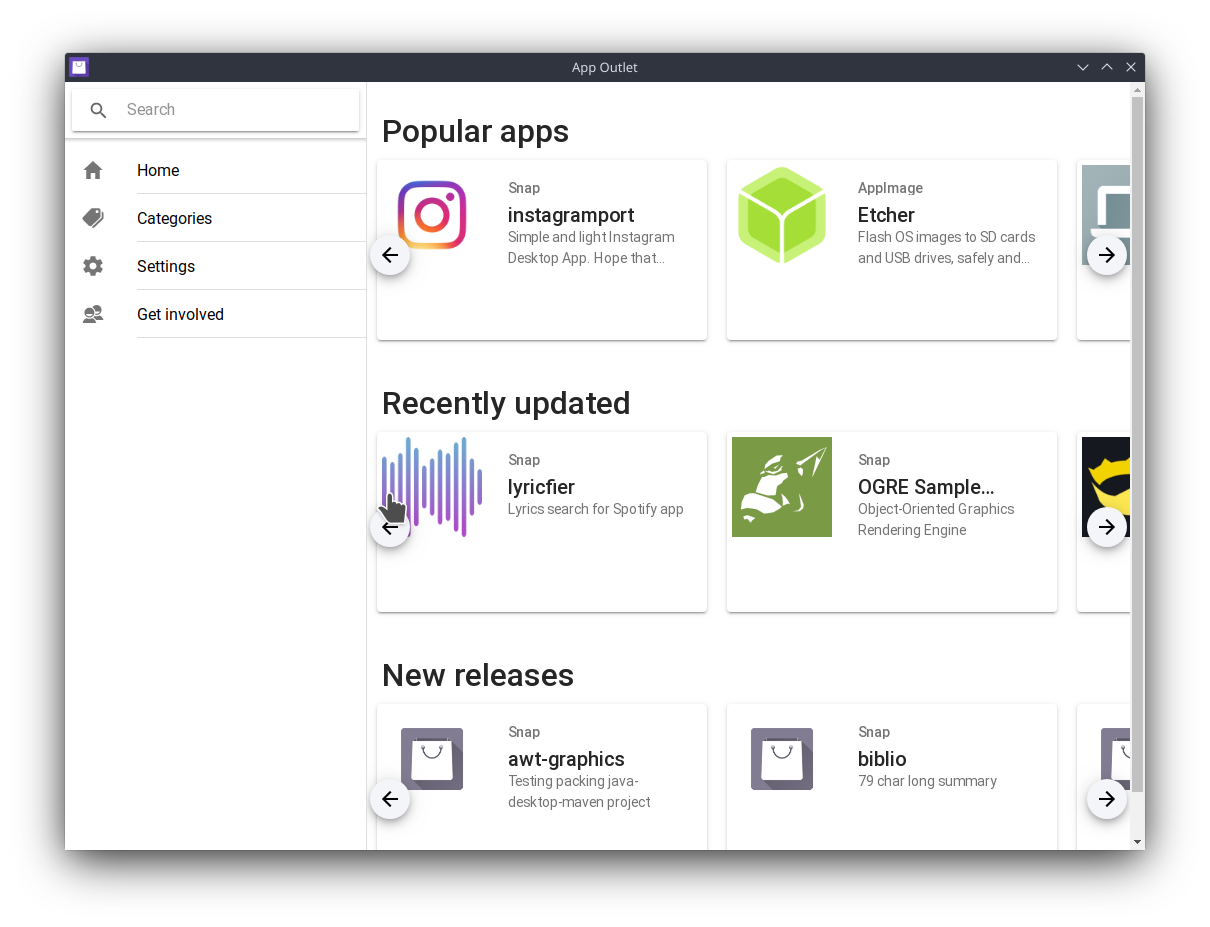
App Outlet هو متجر تطبيقات عالمي (FlatPaks ، Snaps ، و Apmimages) مستوحى من خدمة Linux App Store عبر الإنترنت.
Snap Store هي خدمة بناء وتوزيع لتطبيقات SNAP.
منتدى Snapcraft
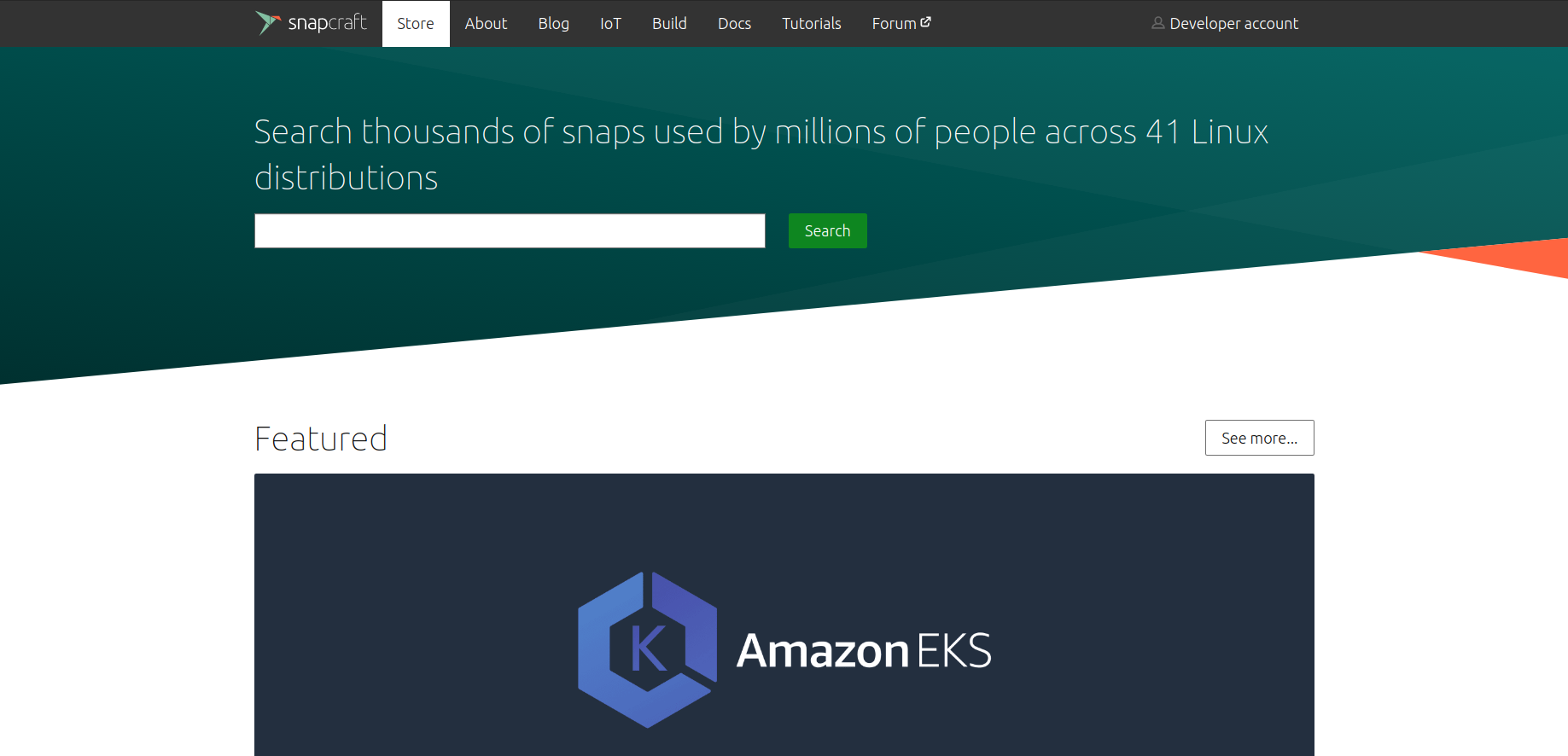
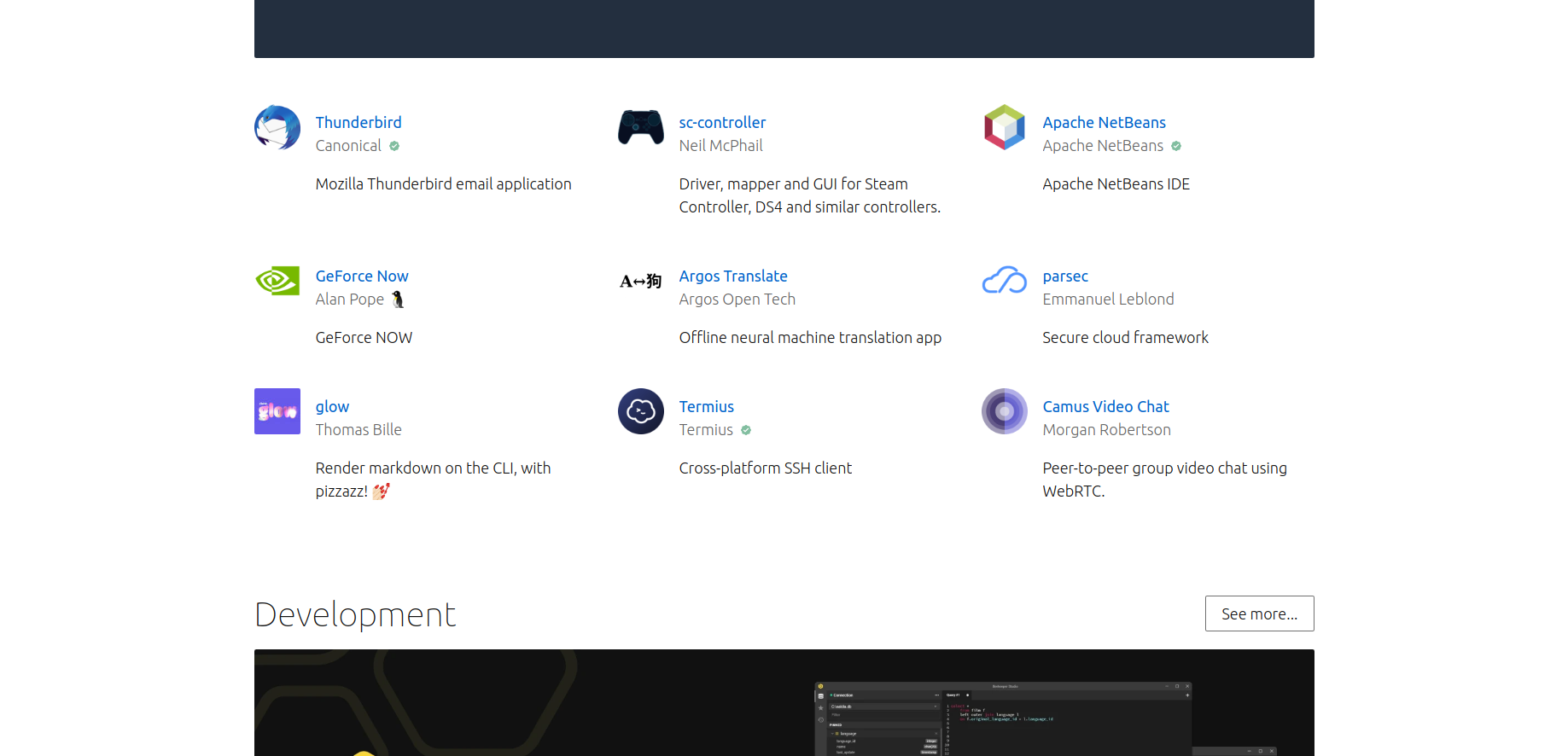
Flathub هي خدمة بناء وتوزيع لتطبيقات FlatPak.
منتدى Flathub
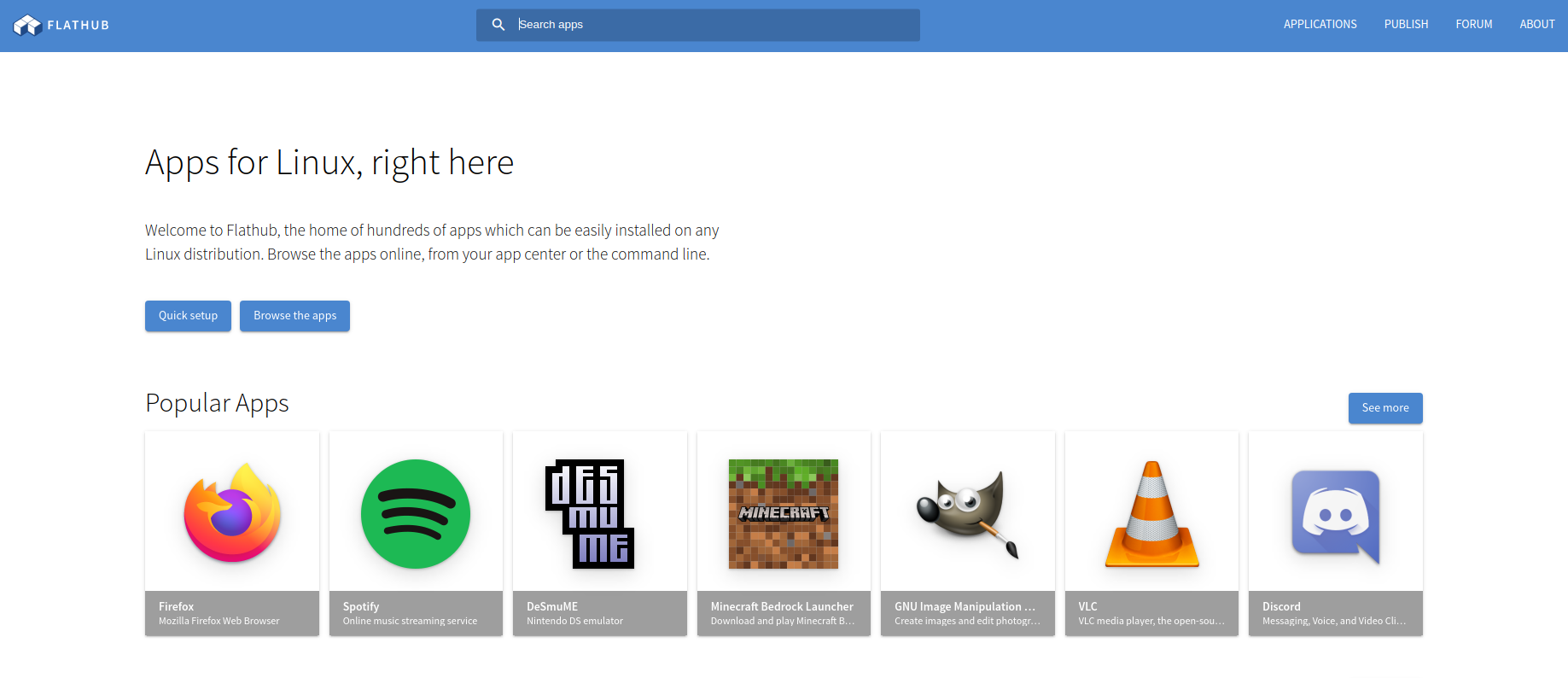
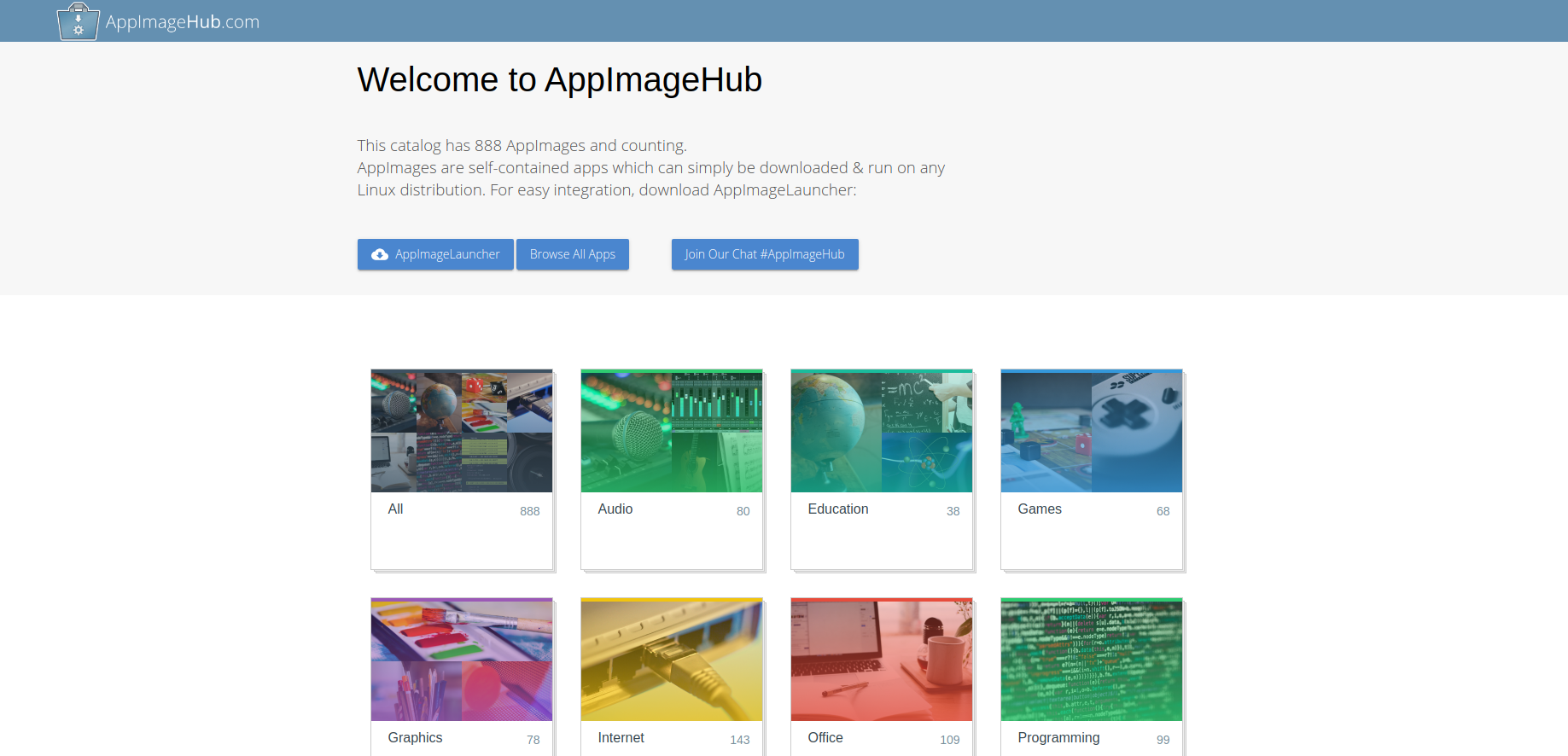
APPIMAGEHUB هي خدمة بناء وتوزيع لتطبيقات APPIMAGE.
APPIMAGE MANGARE هو مدير الحزمة لـ APPIMAGES.
منتدى appimage
العودة إلى القمة
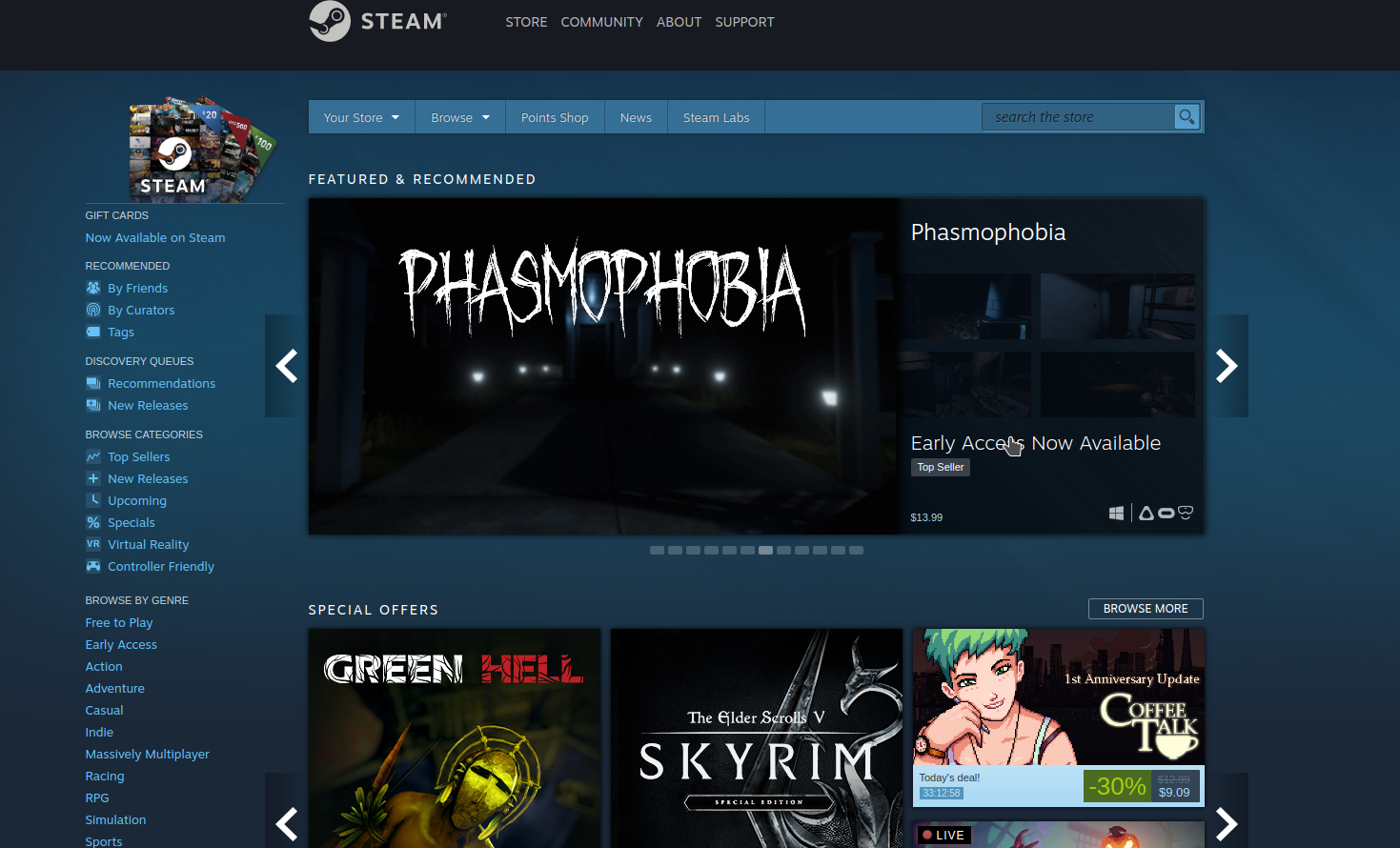
احصل على البخار
أو
wget https://steamcdn-a.akamaihd.net/client/installer/steam.debيعد Proton أداة للاستخدام مع عميل Steam الذي يسمح للألعاب الحصرية لنظام التشغيل Windows بالتشغيل على نظام تشغيل Linux. ويستخدم النبيذ لتسهيل هذا.
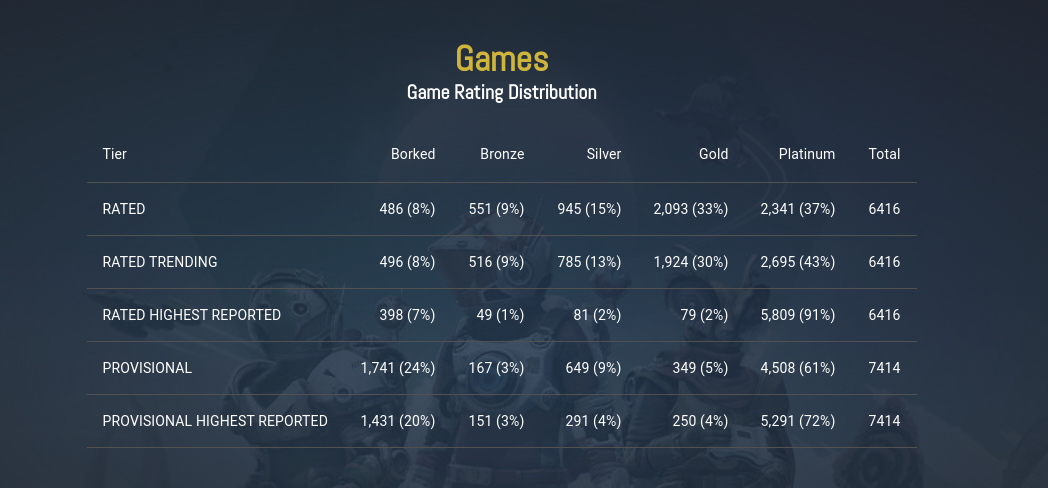
Protondb هي مجموعة من أكثر من 100000 تقرير ألعاب من اللاعبين الآخرين أثناء اختبارهم مع Proton على Linux ويوفر درجات إجمالية لمدى أداء الألعاب. يوفر مجموعة متزايدة من الاقتراحات تعديلات يمكنك محاولة تشغيل الألعاب بينما يستمر Proton في التطوير. بالإضافة إلى ذلك ، يمكنك استكشاف كتالوج لعبة Steam على هذا الموقع لتصفح واكتشاف مجموعة واسعة من العناوين التي لم تكن متاحة سابقًا للاستخدام على Linux.
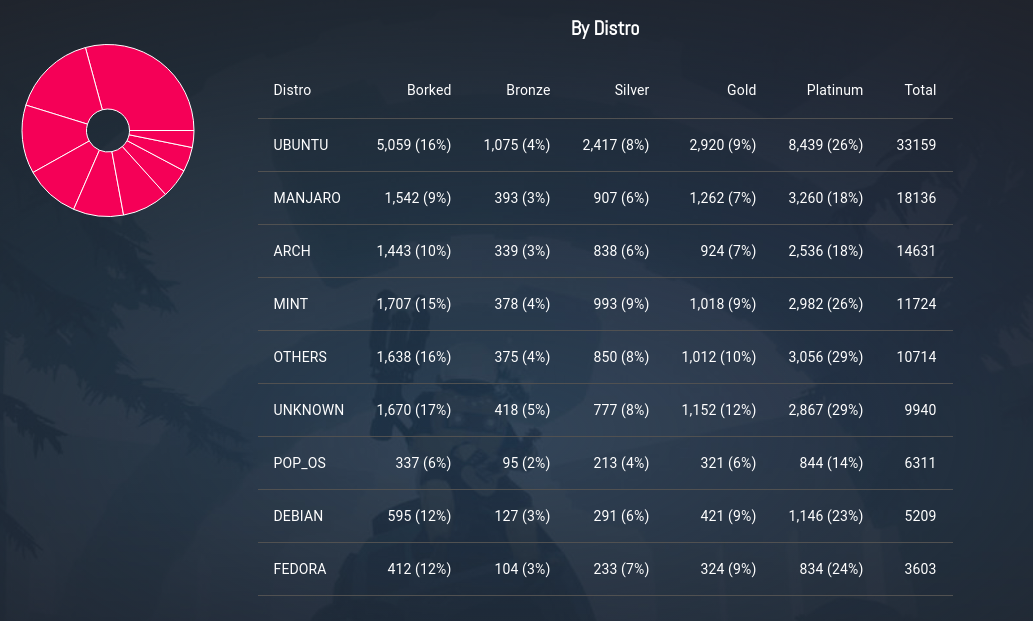
Lutris هو عميل ألعاب لـ Linux. يتيح لك الوصول إلى جميع ألعاب الفيديو الخاصة بك باستثناء جيل وحدة التحكم الحالي. أيضًا ، يتكامل بشكل جيد مع المتاجر الأخرى مثل GOG و Steam و Battle.net و Origin و Uplay والعديد من المصادر الأخرى التي تسمح لك باستيراد مكتبة الألعاب الحالية والمجتمع المحفوظات التي تم الحفاظ عليها تمنحك إعدادًا تلقائيًا تمامًا.
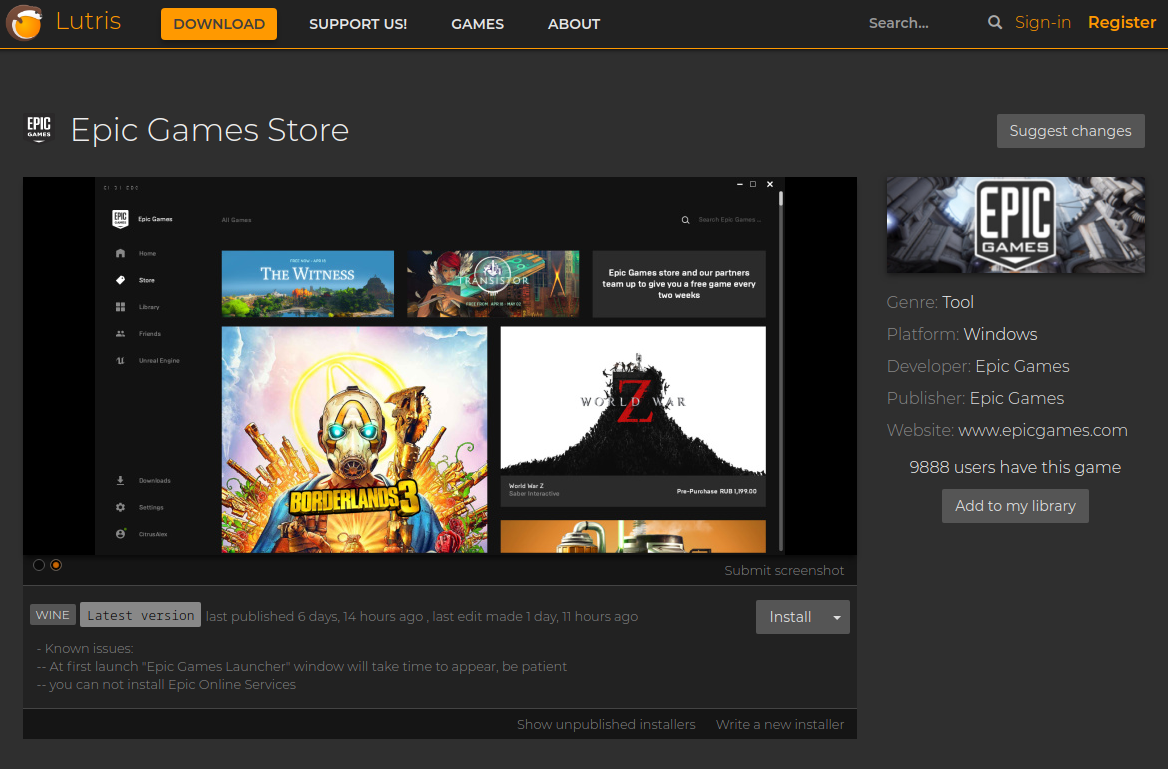
أضف متجر ألعاب ملحمية
GameHub هي مكتبة موحدة لجميع ألعابك. يتيح لك تخزين ألعابك من منصات مختلفة في برنامج واحد لتسهيل إدارة ألعابك.
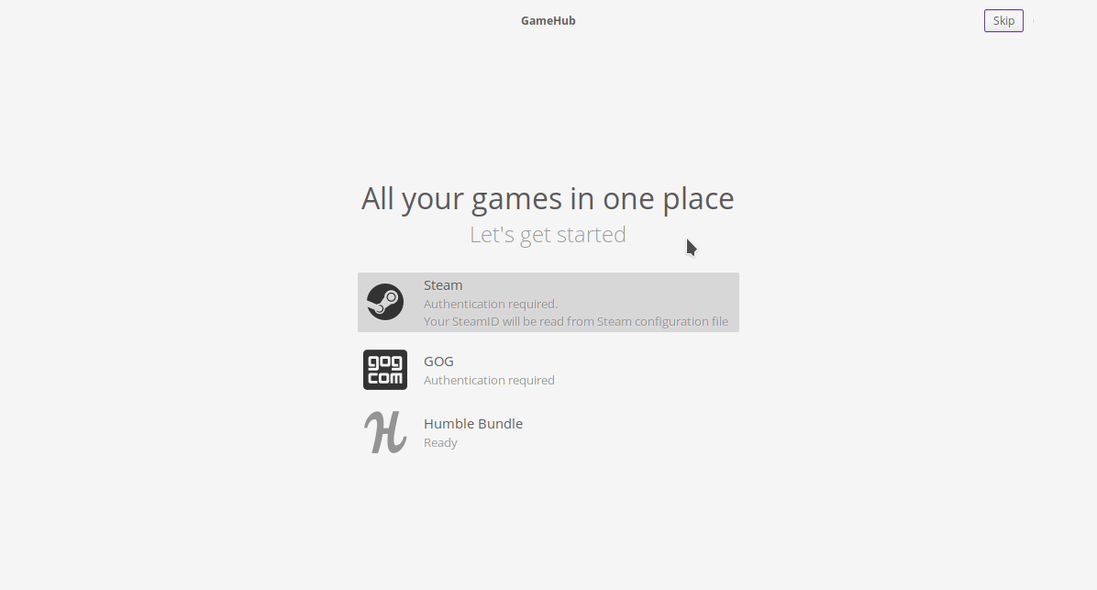
يدعم GameHub:
الألعاب الأصلية لـ Linux
طبقات توافق متعددة:
منصات ألعاب متعددة:
استخدم GeForce الآن إصدار Chromebook لتشغيل جميع ألعابك في Google Chrome أو أي متصفح ويب يعتمد على الكروم مثل Brave و Vivaldi و Microsoft Edge. أيضا ، متوفر كتطبيق لسطح مكتب الإلكترون في Snap Store Geforce Now.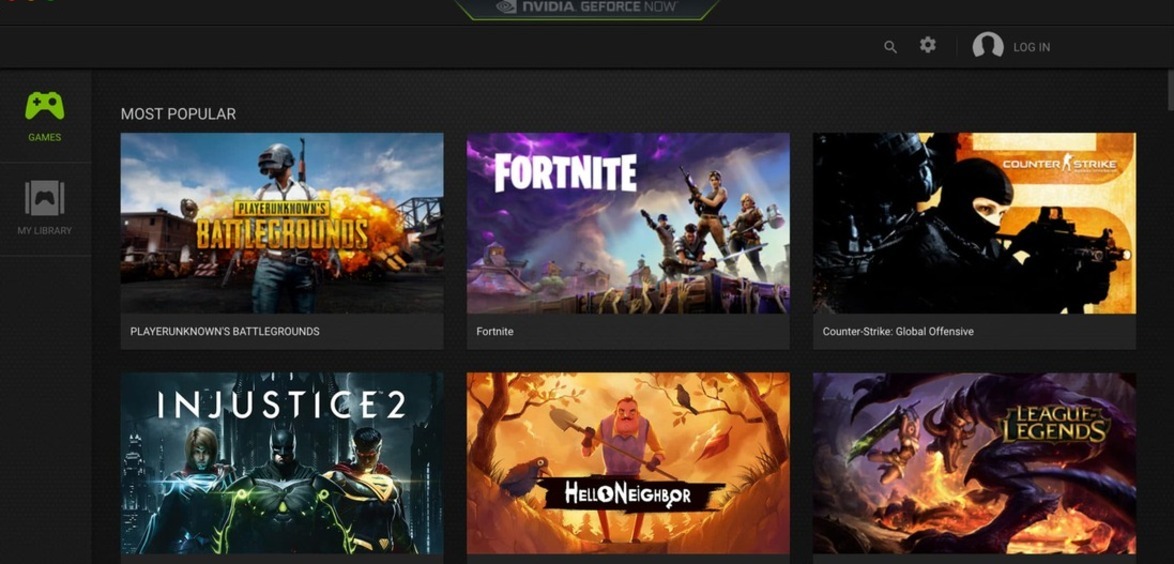
Moonlight Game Streaming هو برنامج يتيح لك التدفق من ألعاب الكمبيوتر عبر الإنترنت دون أي تكوين مطلوب. قم ببث أي جهاز تقريبًا ، سواء كنت في غرفة أخرى أو على بعد أميال من منصة الألعاب.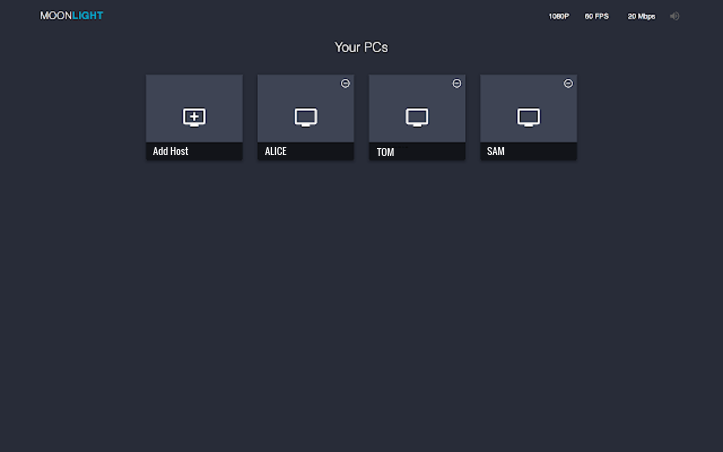
Chiaki هو عميل برمجي مجاني ومفتوح المصدر لـ PlayStation 4 و PlayStation 5 Remote Play لـ Linux و FreeBSD و OpenBSD و Android و MacOs و Windows و Nintendo Switch وربما المزيد من الأنظمة الأساسية.
Xbox Project Xcloud هي تقنية Microsoft المستندة إلى مجموعة Xbox التي تستند إلى مجموعة النظراء (حاليًا في بيتا) . لعب ألعابًا مثل Forza Horizon 4 ، Halo 5: Guardians ، Gears of War 4 ، Sea of Thieves ، Cuphead ، Red Dead Redemption 2 ، و 100+ ألعاب أخرى على جهازك المحمول أو متصفح الويب Chrome . يتطلب Project Xcloud من Microsoft Xbox Project Xcloud اشتراكًا Ultimate في لعبة Xbox.

Retroarch هي واجهة للمحاكرين ومحركات الألعاب ولاعبي الوسائط. يمكّنك من تشغيل الألعاب الكلاسيكية على مجموعة واسعة من أجهزة الكمبيوتر وأجهزة التحكم من خلال الواجهة الرسومية البطيئة. الإعدادات موحدة أيضًا ، لذا يتم التكوين مرة واحدة وإلى الأبد.
Dolphin هو محاكي لوحات ألعاب فيديو Nintendo الأخيرة: Gamecube و Wii. يتيح لاعبي الكمبيوتر الشخصي الاستمتاع بألعاب هاتين المفاتيحين في HD Full HD (1080 بكسل) مع العديد من التحسينات: التوافق مع جميع وحدات التحكم في أجهزة الكمبيوتر ، وسرعة توربو ، وعلامات متعددة الشبكات ، وأكثر من ذلك.
Citra هي محاكي مفتوح المصدر لـ Nintendo 3DS قادر على لعب العديد من ألعابك المفضلة.
Yuzu هو محاكي تجريبي مفتوح المصدر لتبديل Nintendo من المبدعين في Citra.
Dosbox هو محاكي DOS مفتوح المصدر يركز بشكل أساسي على تشغيل ألعاب DOS.
MAME هو محاكي آلة الممرات.
Xemu هو محاكي Xbox الأصلي.
Greenwithenvy (GWE) هي أداة لنظام GTK التي صممها روبرتو ليناردي لتوفير المعلومات ، والتحكم في المعجبين وشرف فيركلوك بطاقة فيديو NVIDIA للحصول على أداء أفضل. متوفر في متجر البوب باعتباره flatpak.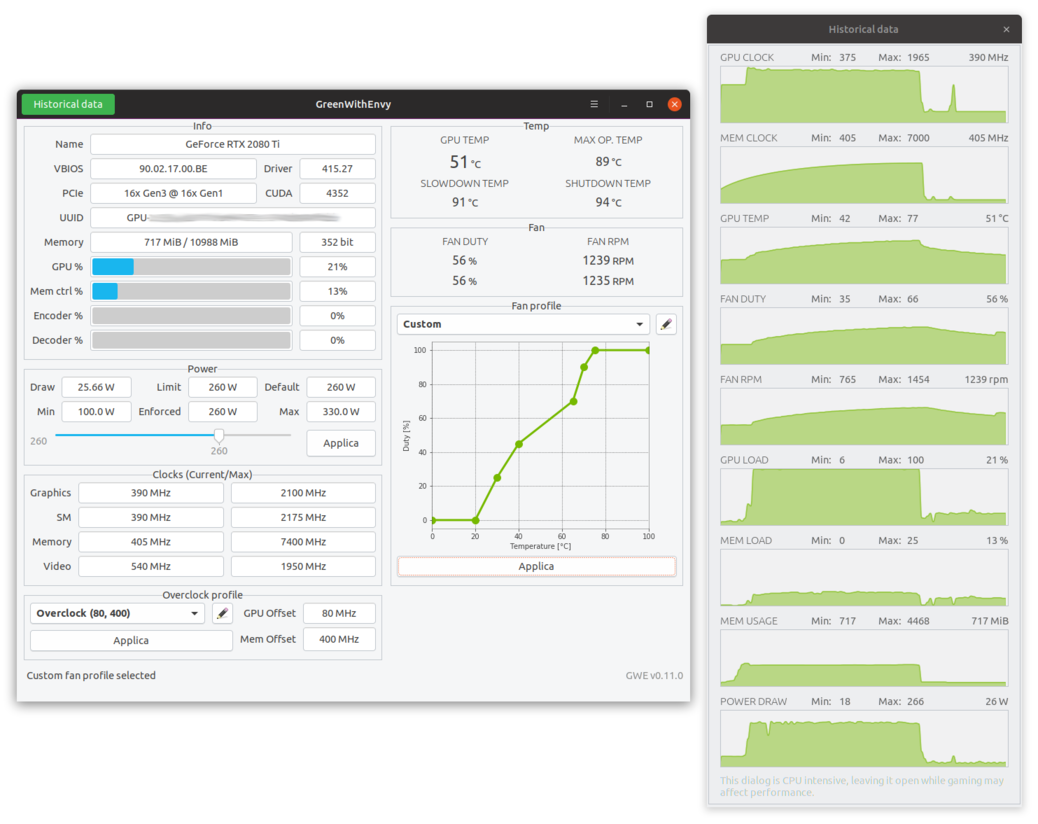
CORECTRL هو تطبيق Linux مجاني ومفتوح المصدر يسمح لك بالتحكم في أجهزة الكمبيوتر الخاصة بك بسهولة باستخدام ملفات تعريف التطبيقات لتطبيقات Windows و Windows ، ويحتوي على عناصر تحكم CPU أساسية وعناصر تحكم GPU كاملة AMD (للنماذج القديمة والجديدة).
sudo add-apt-repository ppa:ernstp/mesarc
sudo apt install corectrl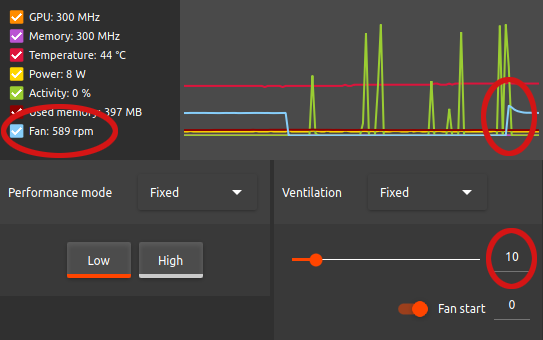
Geekbench 5 هو معيار منصة منصة يقيس أداء نظامك مع الضغط على زر.
جناح اختبار Phoronix
Unigine Superposition هو اختبار الأداء والاستقرار الشديد لأجهزة الكمبيوتر: بطاقة الفيديو ، مزود الطاقة ، نظام التبريد.

النبيذ (النبيذ ليس محاكيًا) هو طبقة توافق قادرة على تشغيل تطبيقات Windows على العديد من أنظمة التشغيل المتوافقة مع POSIX ، مثل Linux و MacOS و BSD. بدلاً من محاكاة منطق Windows الداخلي مثل الجهاز الظاهري أو المحاكي ، يقوم النبيذ بترجمة مكالمات Windows API إلى مكالمات Posix أثناء التنقل ، مما يلغي عقوبات الأداء والذاكرة للطرق الأخرى والسماح لك بدمج تطبيقات Windows بشكل نظيف في سطح المكتب.
Winetricks هي وسيلة سهلة للتغلب على مشاكل في النبيذ.
هذا ضروري لتجنب خطأ Adobeair
sudo sed -i ' s|echo "${arg%%=*}"=\""${arg### *=}"\"|echo ${arg%%=*}=\"${arg### *=}\"|g ' /usr/local/bin/winetricks
sudo apt install cabextract libncurses5:armhfالعودة إلى القمة
الوحدة هي منصة تطوير ألعاب منصة. استخدم الوحدة لإنشاء ألعاب ثلاثية الأبعاد عالية الجودة و 2 D ، ونشرها عبر الأجهزة المحمولة وسطح المكتب و VR/AR أو لوحات المفاتيح أو الويب ، والتواصل مع اللاعبين والعملاء المخلصين والمتحمسين.
Unity Hub

Unreal Engine 4 هو محرك ألعاب تم تطويره بواسطة Epic Games مع أداة إنشاء ثلاثية الأبعاد في الوقت الفعلي في العالم. تتطور بشكل مستمر لخدمة ليس فقط غرضها الأصلي كمحرك ألعاب حديث ، فهو يمنح المبدعين في جميع أنحاء الصناعات الحرية والتحكم في تقديم المحتوى المتطور والخبرات التفاعلية والعوالم الافتراضية الغامرة.
تطوير لعبة Linux على Unreal Engine 4
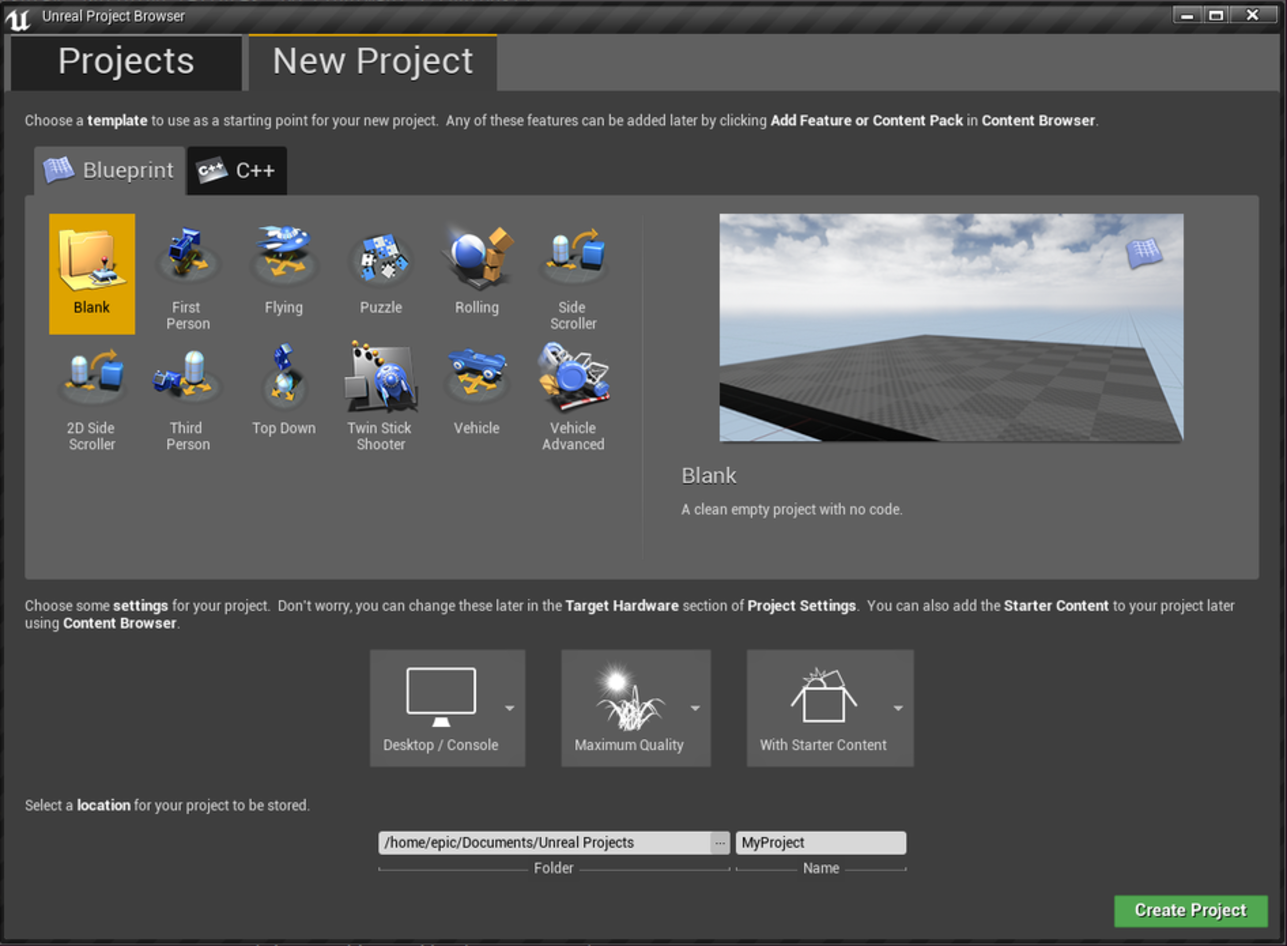
Godot Engine عبارة عن محرك ألعاب معبأ بالميزات ، لإنشاء ألعاب ثنائية الأبعاد وثلاثية الأبعاد من واجهة موحدة. يوفر مجموعة شاملة من الأدوات الشائعة ، بحيث يمكن للمستخدمين التركيز على صنع الألعاب دون الحاجة إلى إعادة اختراع العجلة. يمكن تصدير الألعاب بنقرة واحدة إلى عدد من المنصات ، بما في ذلك منصات سطح المكتب الرئيسية (Linux و Mac OSX و Windows) بالإضافة إلى منصات Mobile (Android و IOS) ومواقع الويب (HTML5).
إذا كنت ترغب في التبرع لمشروع Godot
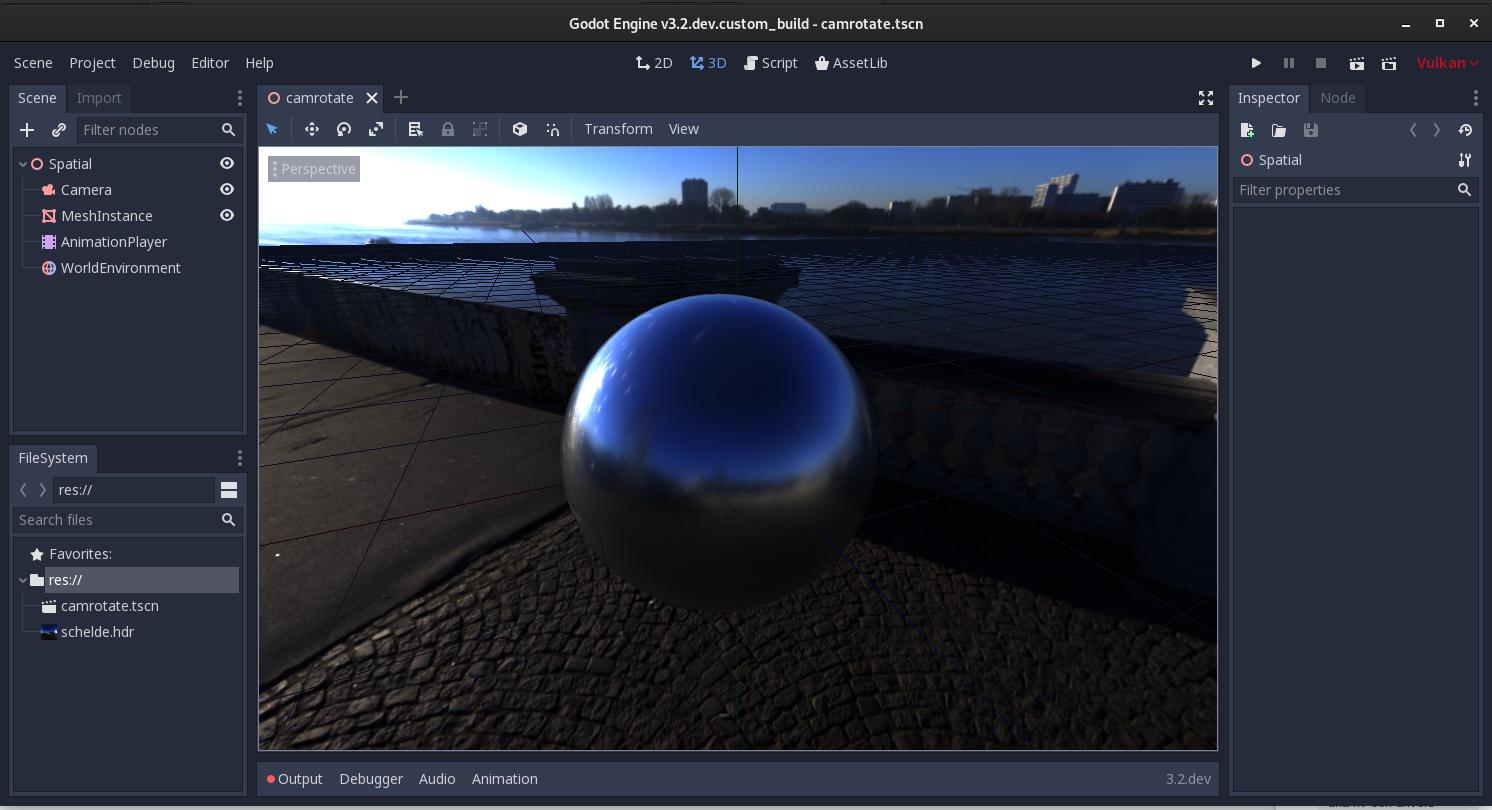
Blender هو جناح الإنشاء ثلاثي الأبعاد المجاني والمفتوح المصدر. وهو يدعم مجمل خط الأنابيب ثلاثية الأبعاد - النماذج ، التزوير ، الرسوم المتحركة ، المحاكاة ، العرض ، التركيب وتتبع الحركة ، تحرير الفيديو وخط أنابيب الرسوم المتحركة ثنائية الأبعاد.
إذا كنت ترغب في التبرع لمشروع الخلاط

Unigine هو محرك ألعاب عبر المنصات المصمم لفرق التطوير (المبرمجين C ++/C# ، الفنانين ثلاثي الأبعاد) يعملون على تطبيقات ثلاثية الأبعاد تفاعلية.

Gamemaker Studio 2 هو أحدث وأكبر تجسيد لـ Gamemaker. إنه يحتوي على كل ما تحتاجه لأخذ فكرتك من المفهوم إلى اللعبة النهائية. مع عدم وجود حواجز أمام الدخول والوظائف القوية ، فإن GameMaker Studio 2 هي بيئة التطوير ثنائية الأبعاد النهائية.
إعداد استوديو Gamemaker لـ Ubuntu
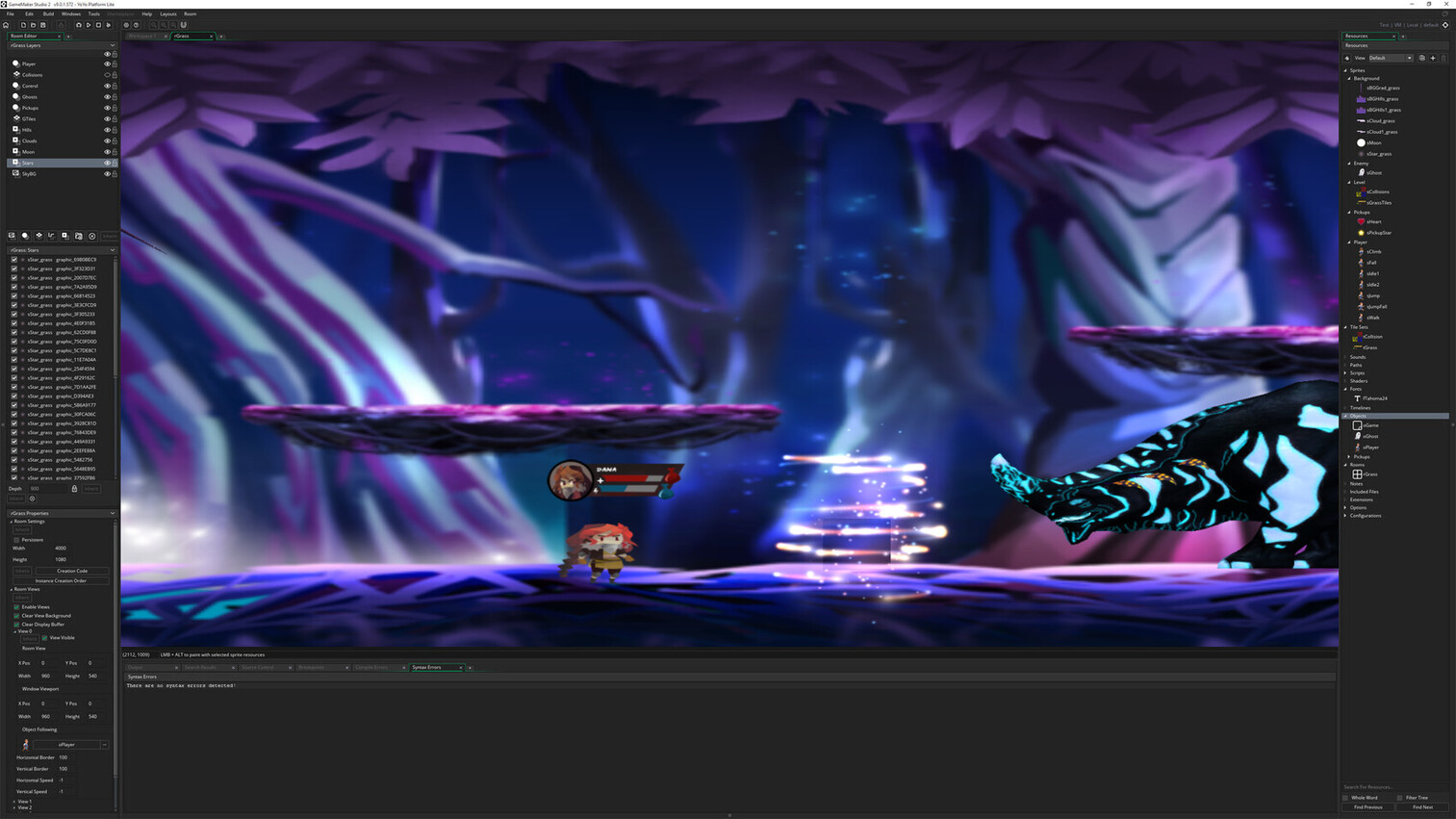
Panda3D هو محرك ألعاب ، وهو إطار لتقديم ثلاثية الأبعاد وتطوير اللعبة لبرامج Python و C ++ ، التي طورتها Disney و CMU. Panda3D مفتوح المصدر ومجاني لأي غرض ، بما في ذلك المشاريع التجارية.
المصدر 2 هو محرك ألعاب الفيديو ثلاثي الأبعاد في التطوير بواسطة Valve كخليفة للمصدر. يتم استخدامه في Dota 2 ، Artifact ، dota underlords ، أجزاء من المختبر ، منزل steamvr ، ونصف الحياة: alyx.
Open Graphics Library (OpenGL) هي واجهة برمجة تطبيقات تستخدم لغات البرمجة والبرمجة المتطابقة عبر Mulitple لتقديم رسومات متجه ثنائي الأبعاد/ثلاثية الأبعاد التي طورتها مجموعة Khronos حاليًا.
تعد لغة الحوسبة المفتوحة (OPENCL) معيارًا مفتوحًا للبرمجة المتوازية للمنصات غير المتجانسة التي تتكون من وحدات المعالجة المركزية ، وحدات معالجة الرسومات ، وغيرها من المتسارعين للأجهزة الموجودة في أجهزة الكمبيوتر الفائقة ، والخوادم السحابية ، وأجهزة الكمبيوتر الشخصية ، والأجهزة المحمولة ، والمنصات المدمجة.
OpenGL Taring Language (GLSL) هي لغة تظليل عالية المستوى تعتمد على اللغة على غرار C ، لذلك تغطي معظم الميزات التي يتوقعها المستخدم بهذه اللغة. مثل هياكل التحكم (من أجل الحلقات ، والبيانات IF-ELSE ، إلخ) موجودة في GLSL ، بما في ذلك بيان التبديل.
لغة التظليل عالية المستوى (HLSL) هي لغة التظليل عالية المستوى لـ DirectX. باستخدام HLSL ، يمكن للمستخدم إنشاء تظليلات قابلة للبرمجة تشبه C لخط أنابيب Direct3D. تم إنشاء HLSL لأول مرة مع DirectX 9 لإعداد خط أنابيب ثلاثي الأبعاد قابل للبرمجة.
Vulkan هي رسومات حديثة عبر المنصات و API لحساب توفر الوصول العالي الكفاءة ، عبر المنصات إلى وحدات معالجة الرسومات الحديثة المستخدمة في مجموعة واسعة من الأجهزة من أجهزة الكمبيوتر وأجهزة المفاتيح إلى الهواتف المحمولة والمنصات المدمجة. فولكان حاليا قيد التطوير من قبل كونسورتيوم Khronos.
Moltenvk هو تطبيق Vulkan الذي يعمل على iOS و MacOS باستخدام إطار الرسومات المعدنية من Apple.
Moltengl هو تطبيق واجهة برمجة تطبيقات OpenGL ES 2.0 التي تعمل على إطار الرسومات المعدنية من Apple.
Nvidia Omniverse هي منصة قوية ومتعددة GPU ، ومحاكاة في الوقت الفعلي والتعاون لخطوط أنابيب الإنتاج ثلاثية الأبعاد تعتمد على وصف المشهد العالمي لـ Pixar و Nvidia RTX.
HGIG هي مجموعة من الشركات المتطوعين من صناعات عرض اللعبة والتلفزيون التي تلتقي لتحديد وإتاحة الإرشادات العامة لتحسين تجارب ألعاب المستهلكين في HDR.
Three.js عبارة عن واجهة JavaScript عبر Brownser وواجهة برمجة التطبيقات المستخدمة لإنشاء وعرض رسومات الكمبيوتر ثلاثية الأبعاد المتحركة في متصفح الويب باستخدام WebGL.
Superdovers هو تطبيق HTML5 قابل للتنزيل للمشاريع التعاونية في الوقت الفعلي. يمكنك استخدامه منفردا مثل صانع ألعاب متصل العادية ، أو إعداد كلمة مرور والسماح للأصدقاء بالانضمام إلى مشروعك من خلال متصفح الويب الخاص بهم.
SteamVR لـ Linux هي الأداة النهائية لتجربة محتوى VR على الأجهزة التي تختارها. يدعم Steamvr مؤشر Valve و HTC Vive و Oculus Rift و Windows Mixed Realite Headsets وغيرها.

steamvr المنزل
OpenVR هو واجهة برمجة التطبيقات ووقت التشغيل الذي يسمح بالوصول إلى أجهزة VR (فهرس Steam و HTC Vive و Oculus Rift) من بائعين متعددين دون الحاجة إلى معرفة محددة بالأجهزة التي تستهدفها.
يعد OpenVR Benchmark On Steam أول أداة قياسية لاختبار أداء Real VR بشكل مستنسخ ، مما يجعلها داخل سماعة VR الخاصة بك.
OpenHMD هو واجهة برمجة تطبيقات مفتوحة المصدر والسائقين الذين يدعمون مجموعة واسعة من أجهزة HMD (شاشة مثبتة على الرأس) مثل Oculus Rift و HTC Vive و Sony PSVR وغيرها.
OpenXR هو معيار مجاني ومفتوح يوفر وصولًا عالي الأداء إلى الواقع المعزز (AR) والواقع الافتراضي (VR) المعروف مجتمعة باسم XR-المنطق والأجهزة.
Monado هو أول وقت تشغيل OpenXR ™ لـ GNU/Linux. يهدف Monado إلى القفز على تطوير النظام الإيكولوجي Open Source XR وتوفير لبنات البناء الأساسية لبائعي الأجهزة لاستهداف منصة GNU/Linux.
Libsurvive هي مجموعة من الأدوات والمكتبات التي تتيح 6 تتبع DOF على أنظمة Lighthouse و Vive التي تكون مفتوحة المصدر بالكامل ويمكن تشغيلها على أي جهاز. وهو يدعم حاليًا كل من أجهزة SteamVR 1.0 و Steamvr 2.0 من الأجهزة ويجب أن يدعم أي كائن متوفر تجاريًا.
Simula هو مدير نافذة VR لـ Linux الذي يعمل فوق Godot. يستغرق تثبيت أقل من دقيقة واحدة. Simula متوافق رسميًا مع سماعات STEAMVR المزودة ببرامج تشغيل Linux (مثل HTC Vive و HTC Vive Pro و Valve INDEX). لقد أضفنا أيضًا دعمًا تجريبيًا إلى سماعات رأس OpenXR التي تحتوي على سائقي Monado (مثل North Star و OSVR HDK و PSVR). لقد حصل بعض الأشخاص على Oculus Rift S لتشغيل Simula عبر OpenHMD (انظر هنا).
التعلم Unreal Online هو منصة تعليمية مجانية تقدم دورات فيديو عملية ومسارات التعلم الموجهة.
برنامج تدريبي معتمد محرك غير واقعي
محرك غير واقعي للتعليم
تدريب محرك ومحاكاة غير واقعي
شهادات الوحدة
البدء مع فولكان
دورات تصميم اللعبة عبر الإنترنت من Udemy
دورات تصميم اللعبة عبر الإنترنت من Skillshare
تعلم تصميم اللعبة مع الدورات والفصول عبر الإنترنت من EDX
دورات تصميم اللعبة من Coursera
دورة تصميم اللعبة وتكرار التنمية من Coursera
العودة إلى القمة
متطلبات
Open the terminal and run:
sudo apt install qemu uml-utilities virt-manager dmg2img git wget libguestfs-tools p7zip
Sosumi هو تطبيق يتيح لك تنزيل وتثبيت MacOS في VM.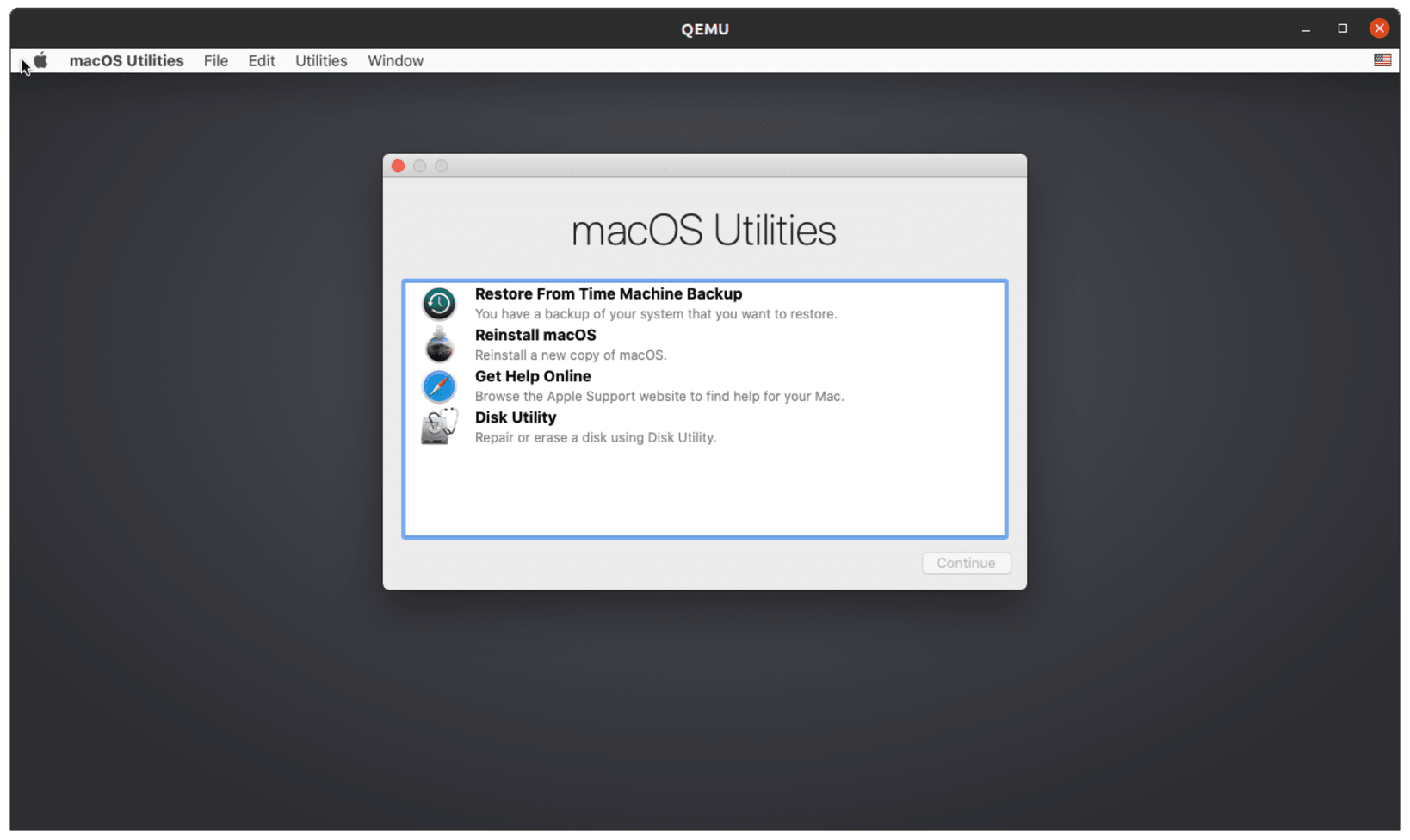
opencore ل macos
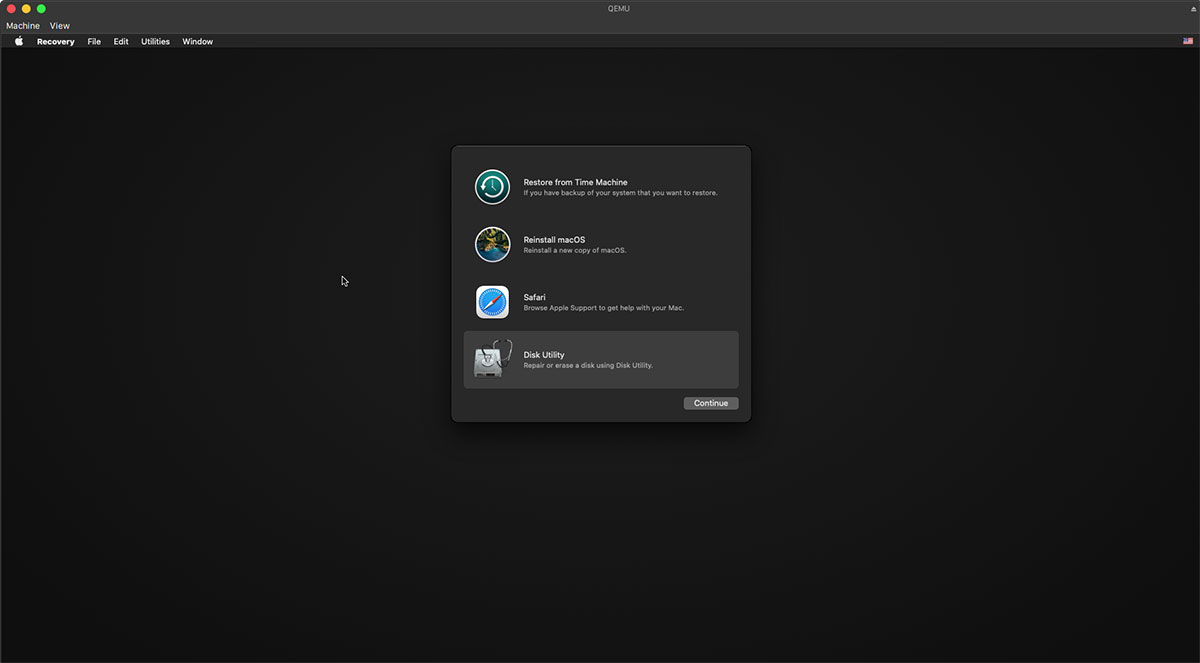
العودة إلى القمة
متطلبات
Open the terminal and run:
sudo apt install qemu uml-utilities virt-manager gnome-boxes
مربعات GNOME هو تطبيق يتيح لك الوصول إلى الأجهزة الظاهرية ، تعمل محليًا أو عن بُعد. كما يتيح لك الاتصال بعرض جهاز كمبيوتر بعيد.
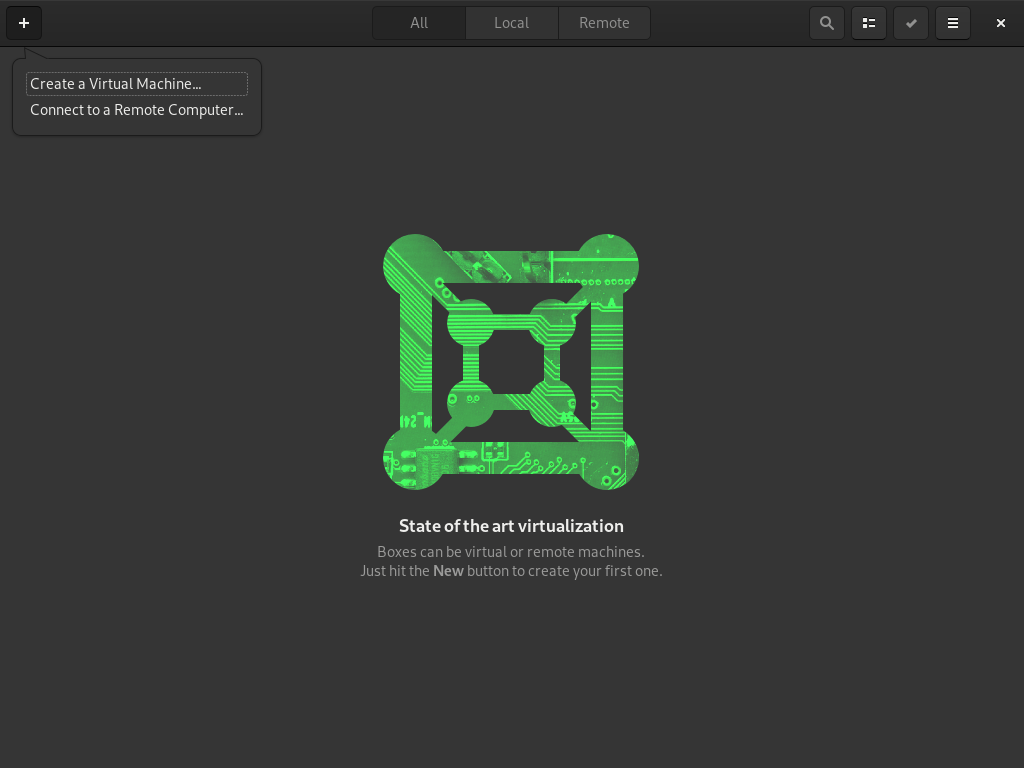
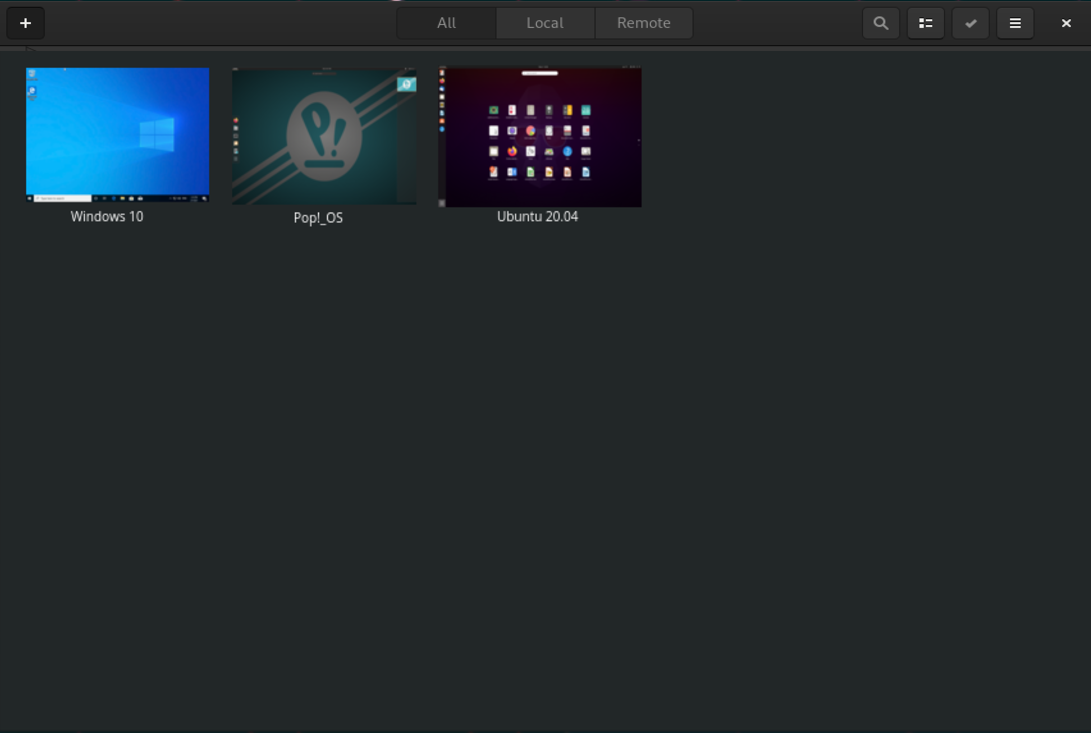
Opencore لنظام التشغيل Windows 10
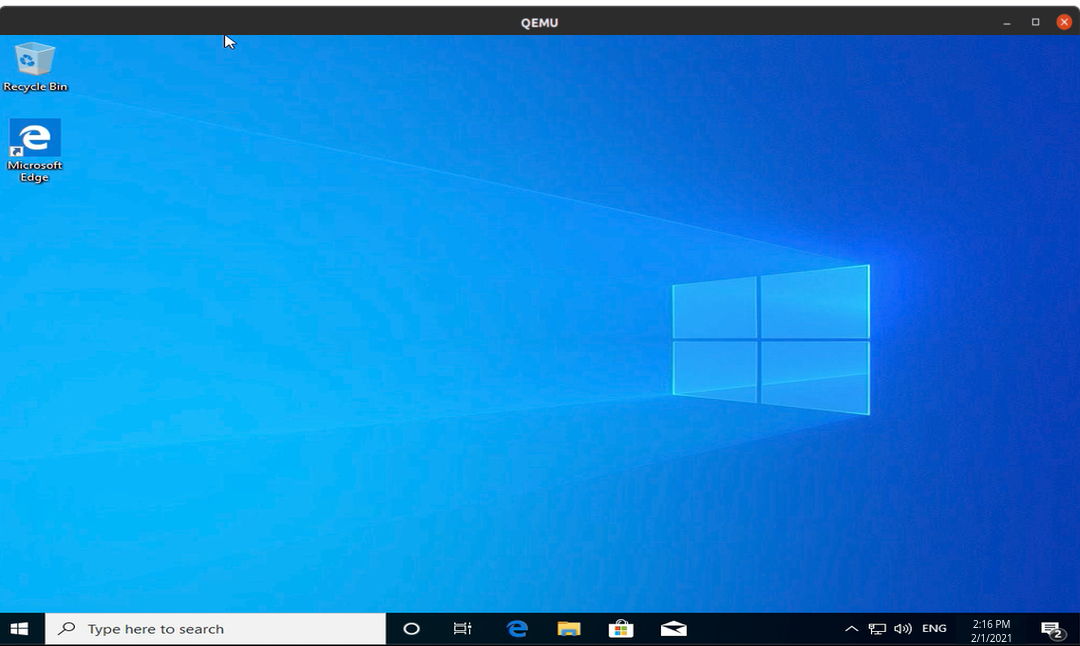
العودة إلى القمة
Android Studio هو جناح التطوير لنظام تشغيل Android من Google (OS). إنه مبني على برنامج Idea Jetbrains ومصمم خصيصًا لتطوير Android. وهي متوفرة للتنزيل على Windows و MacOS و Linux.
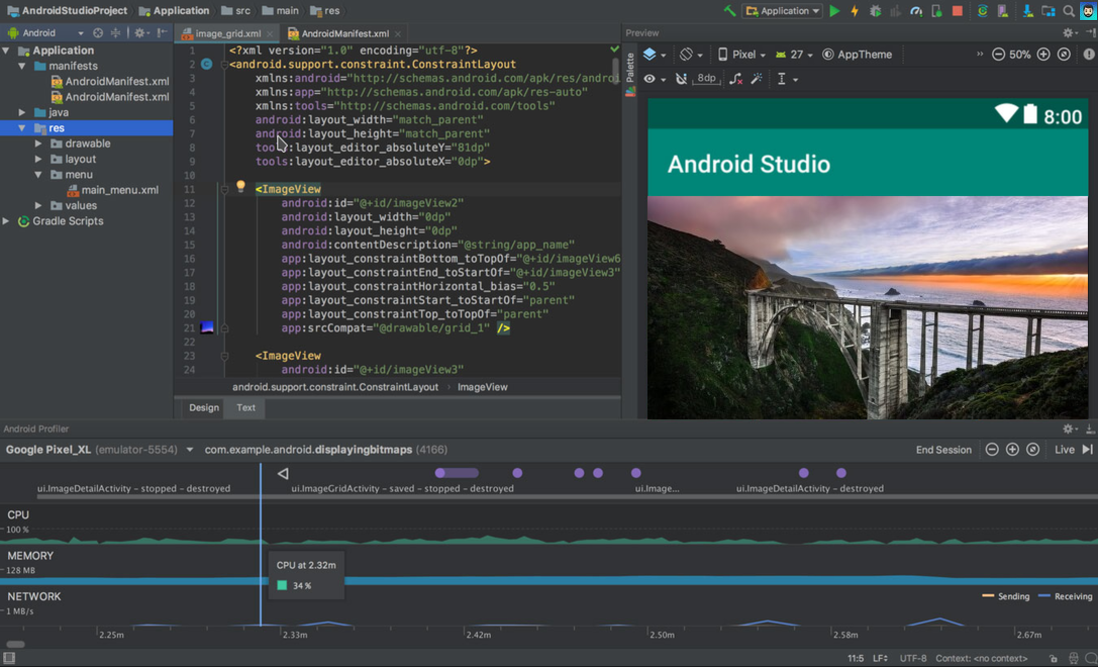
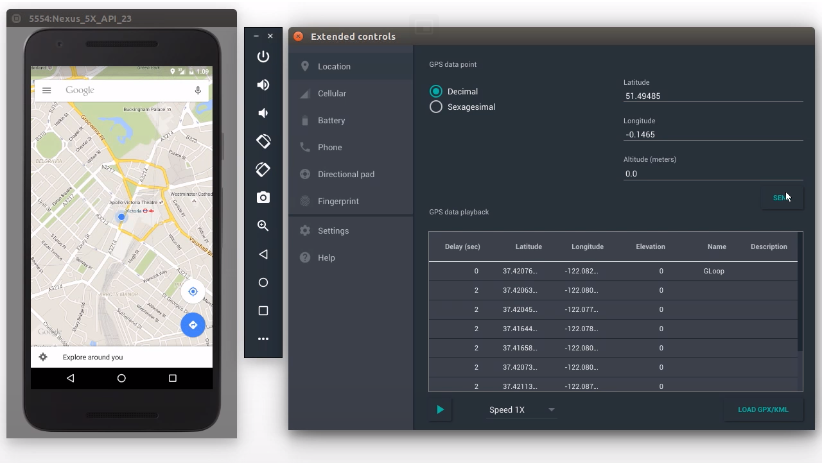
يعد Android Virtual Device (AVD) تكوينًا في Android Studio يحدد خصائص هاتف Android أو جهاز الكمبيوتر اللوحي أو Wear OS أو Android TV أو Automotive OS الذي تريد محاكاةه في Android Emulator. يحاكي محاكي Android أجهزة Android على جهاز الكمبيوتر الخاص بك بحيث يمكنك اختبار تطبيقك على مجموعة متنوعة من الأجهزة ومستويات API Android دون الحاجة إلى الحصول على كل جهاز فعلي.
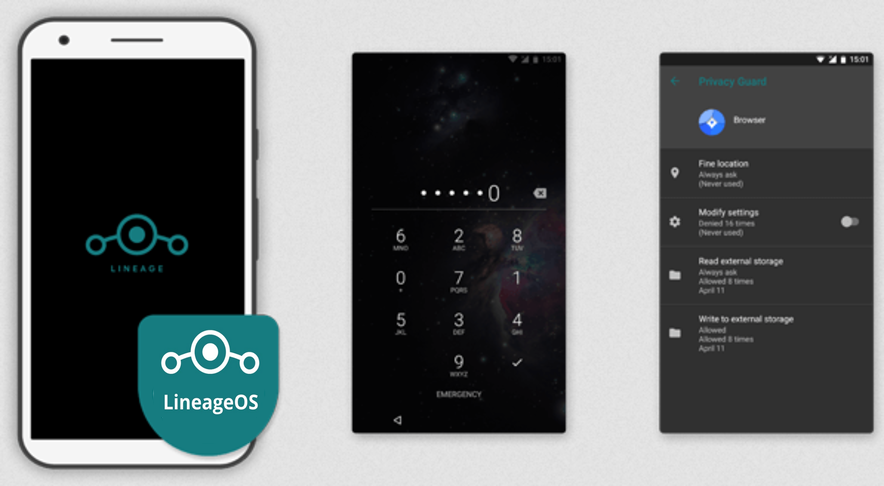
Lineageos هو نظام تشغيل مجاني ومفتوح المصدر لأجهزة مختلفة ، استنادًا إلى منصة Android Mobile.
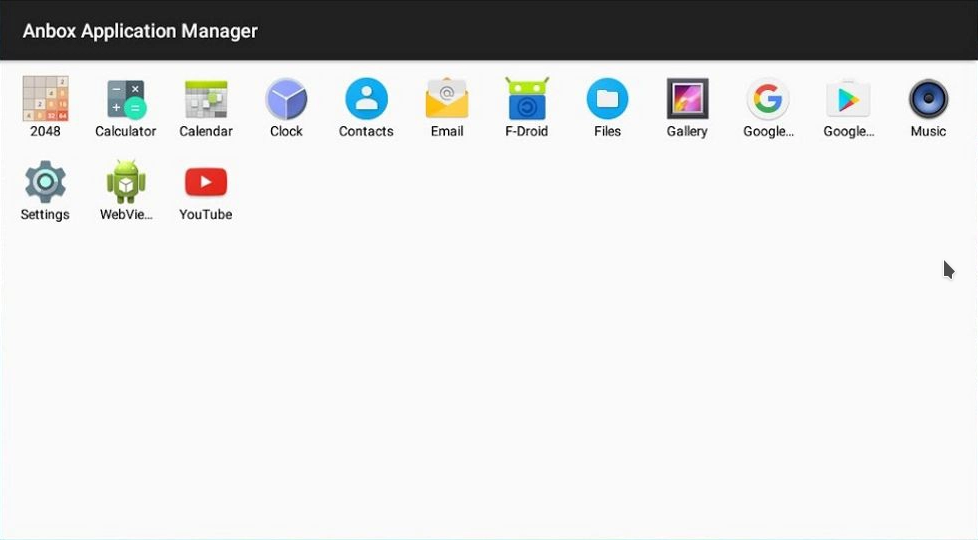
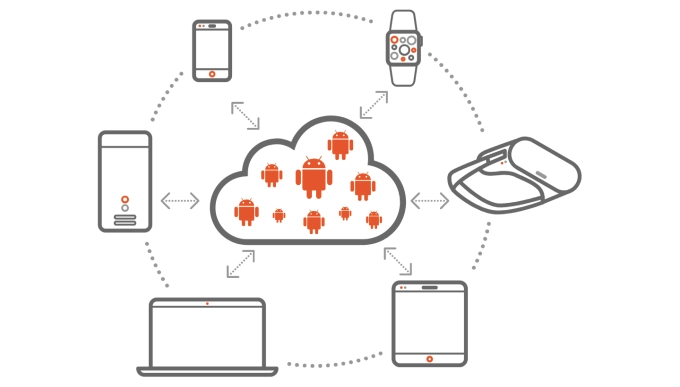
Anbox هو تطبيق يوفر نهجًا قائمًا على الحاوية لتمهيد نظام Android الكامل على نظام GNU/Linux عادي مثل Ubuntu و Debian Fedora و OpenSuse.
Anbox Cloud هي منصة الحوسبة السحابية المحمولة التي تقدمها Canonical. قم بتشغيل Android في السحابة ، على نطاق واسع وعلى أي نوع من الأجهزة.
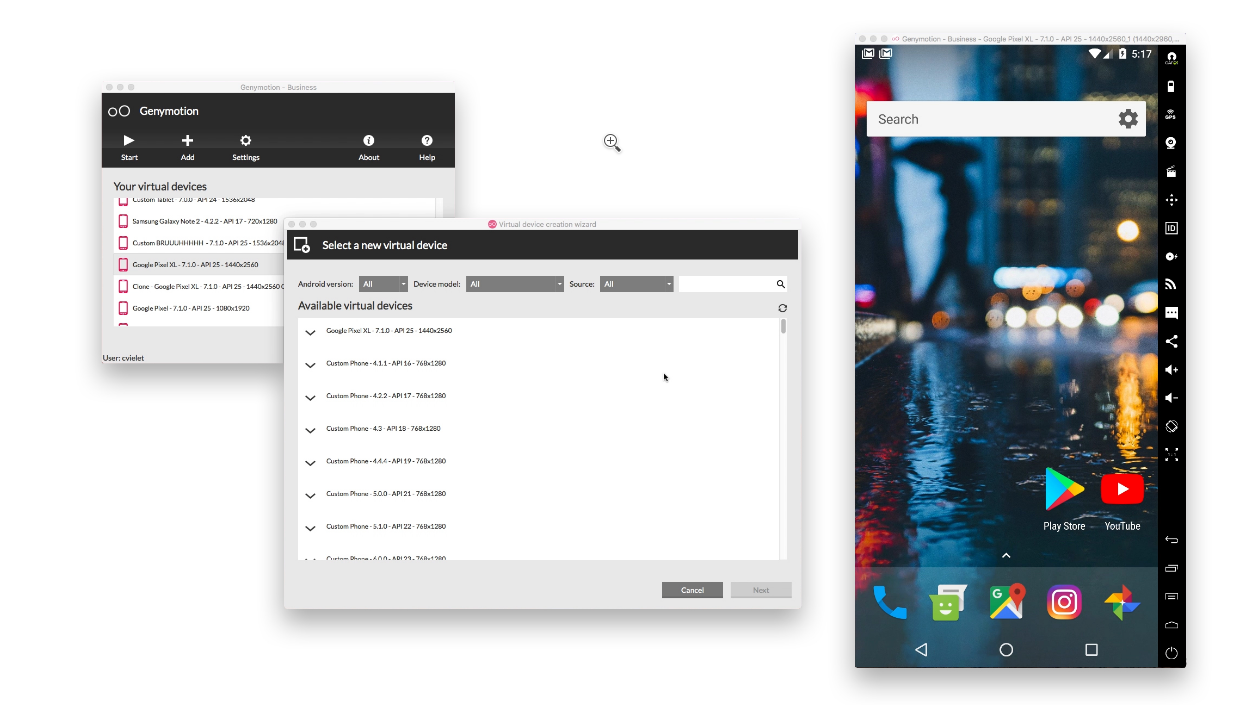
Genymotion هو محاكي Android سريع للغاية. يعتمد البرنامج نفسه على VirtualBox ويشتهر بسرعة فعالة بشكل فعال وهو فائدة لتشغيل تطبيقات Android على سطح المكتب Windows و Mac و Linux.
سطح المكتب
الأجهزة الافتراضية المحلية ذات الأداء العالي.
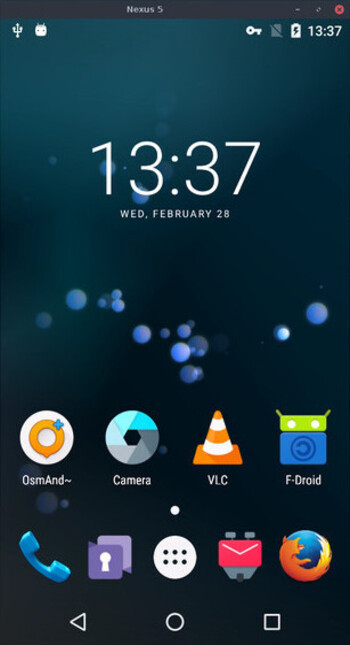
Scrcpy هو تطبيق بواسطة Genymotion يوفر عرضًا وأجهزة Android متصلة على USB (أو عبر TCP/IP). لا يتطلب أي وصول جذر ويعمل على GNU/Linux و Windows و MacOS. يتطلب جهاز Android على الأقل API 21 (Android 5.0).
العودة إلى القمة
H.264 (AVC) هو معيار ضغط الفيديو استنادًا إلى ترميز عدد صحيح DCT الموجود الموجود نحو الكتلة والذي يحدد العديد من ملفات التعريف (الأدوات) والمستويات (Max Bitrates and Dratections) بدعم من 8 آلاف.
H.265 (HEVC) هو معيار ضغط الفيديو الذي هو خليفة H.264 (AVC). يوفر ضغط بيانات أفضل من 25 ٪ إلى 50 ٪ على نفس المستوى من جودة الفيديو ، أو تحسين جودة الفيديو في نفس معدل البت.
FFMPEG هو إطار عمل رئيسي متعدد الوسائط يمكنه فك تشفير ، تشفير ، transcode ، mux ، demux ، الدفق ، التصفية ولعب أي شيء أنشأه البشر والآلات. وهو يدعم التنسيقات القديمة الأكثر غموضًا حتى التقطيع المتطورة على منصات متعددة مثل Windows و MacOs و Linux.
Handbrake هي أداة لتنقل الفيديو من أي تنسيق تقريبًا مع مجموعة مختارة من برامج الترميز المدعومة على نطاق واسع. يتم دعمه على النافذة و MacOS و Linux.
التدفق التكيفي الديناميكي عبر HTTP (DASH) هو بروتوكول تدفق تكيفي يسمح لتيار الفيديو بالتبديل بين معدلات البت على أساس أداء الشبكة ، من أجل الحفاظ على تشغيل الفيديو.
OpenMax ™ هو واجهة برمجة تطبيقات متعددة المنصات توفر ترميز وسائط البث الشاملة وقابلية التطبيق من خلال تمكين مكونات الوسائط المتعددة المتسارعة لتطويرها ودمجها وبرمجتها عبر أنظمة تشغيل متعددة ومنصات السيليكون.
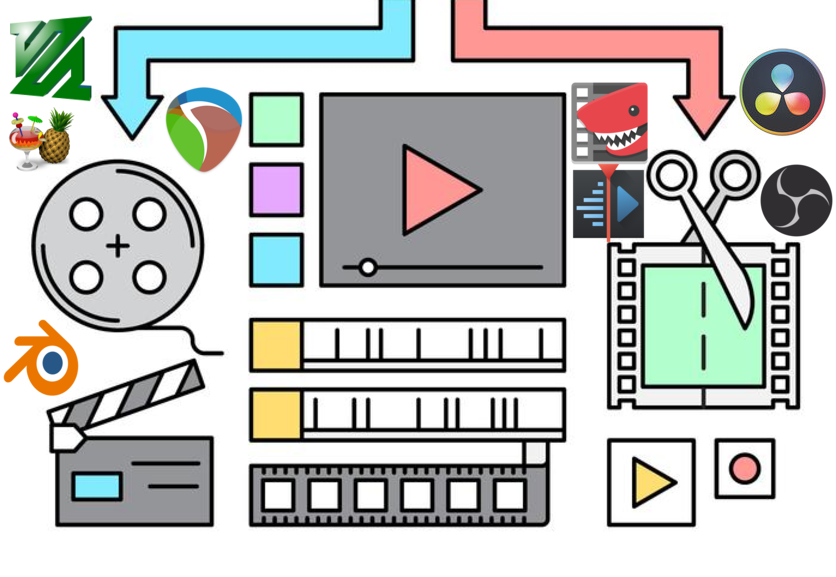
Davinci Resolve هو الحل الوحيد في العالم الذي يجمع بين تحرير 8K المهني وتصحيح الألوان والمؤثرات المرئية وإنتاج ما بعد الصوت في أداة واحدة! يمكنك التحرك على الفور بين التحرير واللون والتأثيرات والصوت بنقرة واحدة. يعد Davinci Resolve Studio أيضًا الحل الوحيد الذي تم تصميمه للتعاون متعدد المستخدمين ، بحيث يمكن للمحررين والمساعدين وعازفي الألوان وفنانين VFX ومصممي الصوت أن يعملوا جميعًا على نفس المشروع في نفس الوقت.
يتيح لك Blender مع محرر تسلسل الفيديو المدمج إجراء الإجراءات الأساسية مثل قطع الفيديو والربط ، بالإضافة إلى مهام أكثر تعقيدًا مثل إخفاء الفيديو أو تصنيف الألوان. يتضمن محرر الفيديو: معاينة Live و Luma Waveform و Chroma VectorScope و Exhigograph. خلط الصوت ، المزامنة ، تنظيف وتصور الموجة.
Kdenlive هي أداة تحرير الفيديو مفتوحة المصدر تدعم ملفات الوسائط المتعددة غير المحدودة. يعتمد على إطار MLT و KDE و QT. الأشخاص الذين يبحثون عن أداة تحرير فيديو متعددة الاستخدامات تأتي مليئة بالميزات. أحدث إصدار 20.08 هو مع ميزات أنيقة مثل تخطيطات الواجهة ، ودعم دفق الصوت المتعدد ، وإدارة البيانات المخزنة مؤقتًا وأشرطة التصغير في لوحة مراقبة المقطع وآثارها ، لكن قد يجادل المرء بأن أبرز الأحداث في هذا الإصدار هي تحسينات الاستقرار والواجهة.
OpenShot هي أداة تحرير الفيديو مفتوحة المصدر مصممة للمستخدمين الجدد في بيئة التحرير. إنه يحتوي على ميزات بسيطة مثل وظيفة السحب والإفلات البسيطة ، فهي توفر واجهة مستخدم سهلة الاستخدام وسريعة التعلم. يوفر محرر الفيديو القوي الكثير من الطرق الفعالة لقطع ومقاطع الفيديو الخاصة بك. يمكنك الاستفادة بحرية المسارات غير المحدودة ، ومحرك تأثيرات الفيديو ، ومحرر العنوان ، والرسوم المتحركة ثلاثية الأبعاد ، والحركة البطيئة ، وتأثيرات الوقت. وهو يدعم برامج ترميز الفيديو الشائعة الاستخدام التي تدعمها FFMPEG مثل WebM (VP9) و AVCHD (LIBX264) و HEVC (LIBX265) وبرامج الترميز الصوتي مثل MP3 (LIBMP3LAME) و AAC (LIBFAAC). يمكن للبرنامج تقديم فيديو MPEG4 و OGV و Blu-Ray و DVD ومقاطع فيديو عالية الدقة الكاملة للتحميل على مواقع الفيديو على الإنترنت مثل YouTube.
LightWorks عبارة عن تطبيق تحرير فيديو غير خطي لتحرير الفيديو الرقمي وإتقانه تستخدمه صناعة الأفلام. تم استخدام الإصدار المهني الخاص بها لضربات شباك التذاكر ، مثل جزيرة شوك ، والرواية اللب ، والمهمة المستحيلة. تخويف واجهة المستخدم. مثل محرري الفيديو المحترفين ، مثل Adobe Premiere Pro ، يعد LightWorks معقدًا إلى حد ما للاستخدام للمستخدمين الجدد.
ShotCut هو محرر فيديو متعدد المنصات مفتوح المصدر. يمكنك تنفيذ إجراءات مختلفة مثل تحرير الفيديو (بما في ذلك جودة الفيديو 4K) ، وإضافة التأثيرات ، وإنشاء أفلام جديدة ، واستيراد معظم تنسيقات ملفات الصور ، والتصدير إلى أي تنسيق للملف تقريبًا وأكثر من ذلك بكثير.
Olive هو محرر فيديو مجاني غير خطي يهدف إلى توفير بديل بالكامل لبرامج تحرير الفيديو الاحترافية المتطورة.
Natron هو مؤلف رقمي قوي يمكنه التعامل مع جميع احتياجات 2D/2.5D. إن تنسيقات ملفات OIIO القوية والهندسة المعمارية OpenFX هي التي تجعل ناترون أكثر مركبة المصدر مفتوحة مرونة لمجتمع المؤثرات البصرية. الواجهة والوظيفية هي نفسها في جميع الأنظمة الأساسية مثل MacOS و Linux و Windows.
OBS (Open Browcaster Software) هو برنامج مجاني ومفتوح المصدر لتسجيل الفيديو والبث المباشر. قم ببث Twitch و YouTube والعديد من مقدمي الخدمات الآخرين أو تسجيل مقاطع الفيديو الخاصة بك مع ترميز H264 / AAC عالي الجودة.
REAPER هو تطبيق إنتاج صوتي رقمي كامل لأجهزة الكمبيوتر ، ويقدم تسجيلًا كاملًا للأدوات الصوتية والميدي MIDI الكامل ، والتحرير ، والمعالجة ، والخلط ، والاستقبال. يدعم Reaper مجموعة واسعة من الأجهزة والتنسيقات الرقمية والمكونات الإضافية ، ويمكن أن يتم توسيعها بشكل شامل ، والكتابة وتعديلها.
Jack Audio Connection Kit AKA Jack هو خادم صوتي محترف يوفر اتصالات في الوقت الفعلي ، منخفضة الكلية لكل من بيانات الصوت و MIDI بين التطبيقات التي تنفذ واجهة برمجة التطبيقات الخاصة بها. يمكن تكوين JACK لإرسال بيانات الصوت عبر شبكة إلى جهاز "رئيسي" ، والذي يقوم بعد ذلك بإخراج الصوت إلى جهاز فعلي. قد يكون هذا مفيدًا لخلط الصوت من عدد من أجهزة الكمبيوتر "الرقيق" دون الحاجة إلى كبلات إضافية أو خلاطات للأجهزة ، والحفاظ على مسار الصوت الرقمي لأطول فترة ممكنة.
BitWig Studio هي محطة عمل صوتية رقمية لها سير عمل خطي وغير خطية لتصميم الصوت والتسجيل والأداء المباشر والمزيد. جنبا إلى جنب مع 90+ الأدوات ، والآثار ، وغيرها من الأدوات الإبداعية. إنه مدعوم من Windows و MacOS و Linux.
Pipewire هي واجهة برمجة تطبيقات لخادم ومساحة المستخدم للتعامل مع خطوط الأنابيب متعددة الوسائط. توفر محركًا للمعالجة منخفضة الكلية ، على رأس الأجهزة الصوتية والفيديو التي يمكن استخدامها لدعم حالات الاستخدام التي يتم التعامل معها حاليًا من قبل كل من Pulseaudio و Jack. تم تصميم Pipewire باستخدام نموذج أمان قوي يجعل التفاعل مع أجهزة الصوت والفيديو من التطبيقات الحافية سهلة. يمكن تنفيذ العقد في الرسم البياني كعمليات منفصلة ، والتواصل مع المقابس وتبادل محتوى الوسائط المتعددة باستخدام تمرير FD.
Yabridge هي وسيلة حديثة وشفافة لاستخدام الإضافات Windows VST2 و VST3 على Linux. يدعم Yabridge بسلاسة استخدام كل من الإضافات من Windows VST2 و VST3 32 بت و 64 بت في مضيف Linux VST 64 بت كما لو كانت مكونات VST2 و VST3 أصلية ، مع دعم اختياري لمجموعات البرنامج المساعد لتمكين الاتصالات بين اللبغن للمكونات الإضافية VST2 وأوقات بدء التشغيل السريعة.
يعد Sonobus تطبيقًا سهلاً للاستخدام لتدفق الصوت عالي الجودة من نظير إلى نظير إلى نظير بين الأجهزة عبر الإنترنت أو شبكة محلية.
Avid Pro Tools هو برنامج إنتاج صوتي قياسي في الصناعة لكتاب الأغاني والموسيقيين والمنتجين والمهندسين.
LMMS هو برنامج تطبيق محطة عمل الصوت الرقمية مفتوحة المصدر. عندما يكون LMMS مقترنًا بأجهزة الكمبيوتر المناسبة ، فإنه يسمح بإنتاج الموسيقى عن طريق ترتيب العينات ، وتوليف الأصوات ، والتشغيل على لوحة مفاتيح MIDI ، والدمج بين ميزات المتتبعين والمتجسسات. تم تطوير هذا البرنامج من قبل Paul Giblock و Tobias Junghans ، ويعود إلى "Linux Multimedia Studio" ويدعم المكونات الإضافية المفيدة التي تمكنه من العمل على أنظمة تشغيل مختلفة.
Ardor هو جهد مفتوح وجهد تعاوني لفريق عالمي بما في ذلك الموسيقيين والمبرمجين ومهندسي التسجيل المهنيين. التنمية شفافة - يمكن لأي شخص مشاهدة عملنا كما يحدث. مثل قطعة جيدة من الأجهزة القديمة ، يمكنك فتح المربع والنظر في الداخل.
Audacity هو محرر صوتي وسهل الاستخدام ومتعدد الأطراف ومسجل لنظام التشغيل Windows و Mac OS X و GNU/Linux وأنظمة التشغيل الأخرى. تم تطويره من قبل مجموعة من المتطوعين كمصدر مفتوح وعرضوا مجانًا. مجتمع دعم مذهل.
Plispse هو محرر رسومات منصة النقطية على أساس برنامج معالجة صور GNU المتاح لـ Linux و MacOS و Windows. أداة رائعة لصنع صور مصغرة فيديو على YouTube.
العودة إلى القمة

Kubernetes (K8S) هو نظام مفتوح المصدر لأتمتة النشر والتوسع وإدارة التطبيقات الحافية.
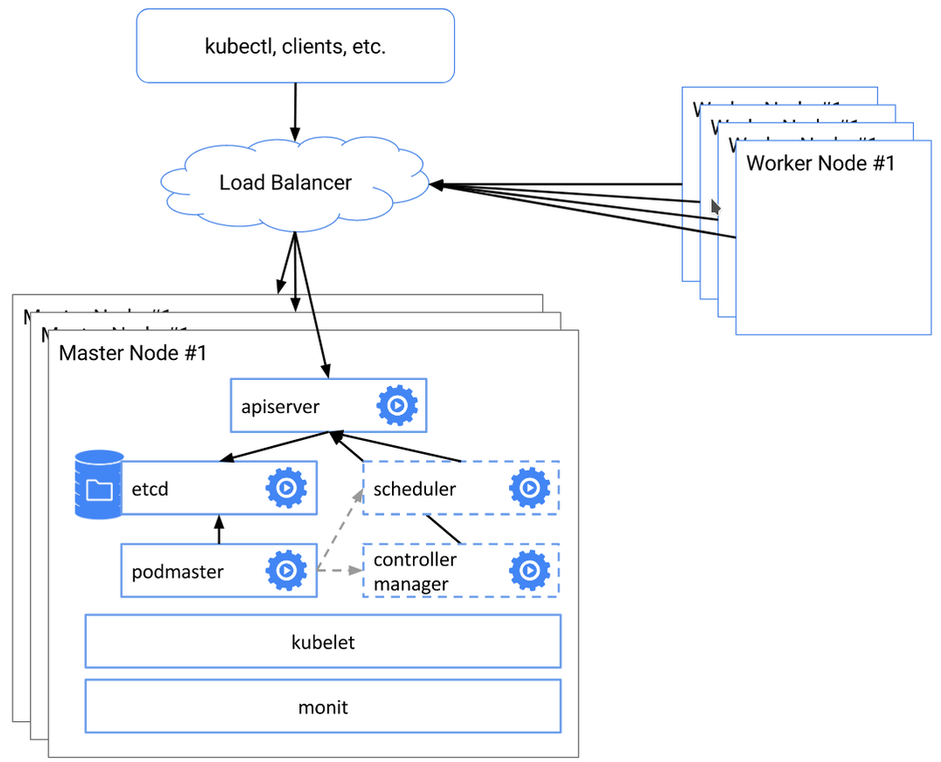
بناء مجموعات متاح للغاية (HA) مع KUBEADM. المصدر: Kubernetes.io ، 2020
Google Kubernetes Engine (GKE) هو بيئة مُدارة وجاهزة للإنتاج لتشغيل التطبيقات التي تم تحريكها.
Azure Kubernetes Service (AKs) هي kubernetes بدون خادم ، مع تجربة تكامل مستمر متكامل وتسليم مستمر (CI/CD) ، وأمن وحوكمة على مستوى المؤسسات. توحد فرق التطوير والعمليات الخاصة بك على منصة واحدة لبناء التطبيقات وتسليمها وتوسيع نطاقها بثقة.
Amazon EKS هي أداة تدير مثيلات طائرة التحكم في Kubernetes عبر مناطق توافر متعددة لضمان توافر مرتفع.
AWS Controllers لـ Kubernetes (ACK) هي أداة جديدة تتيح لك إدارة خدمات AWS مباشرة من Kubernetes. يجعل ACK من السهل بناء تطبيقات Kubernetes قابلة للتطوير ومتاحة للغاية والتي تستخدم خدمات AWS.
محرك الحاويات لـ Kubernetes (OKE) عبارة عن خدمة تزامن للحاويات التي تديرها أوراكل والتي يمكن أن تقلل من الوقت والتكلفة لبناء التطبيقات الأصلية السحابية الحديثة. على عكس معظم البائعين الآخرين ، توفر Oracle Cloud Infrastructure محرك الحاويات لـ Kubernetes كخدمة مجانية تعمل على حساب أعلى من الأداء والأعلى.
Anthos هي منصة لإدارة التطبيقات الحديثة توفر تجربة تنمية وعمليات ثابتة للبيئات السحابة والحيوية.
Red Hat Openshift is a fully managed Kubernetes platform that provides a foundation for on-premises, hybrid, and multicloud deployments.
OKD is a community distribution of Kubernetes optimized for continuous application development and multi-tenant deployment. OKD adds developer and operations-centric tools on top of Kubernetes to enable rapid application development, easy deployment and scaling, and long-term lifecycle maintenance for small and large teams.
Odo is a fast, iterative, and straightforward CLI tool for developers who write, build, and deploy applications on Kubernetes and OpenShift.
Kata Operator is an operator to perform lifecycle management (install/upgrade/uninstall) of Kata Runtime on Openshift as well as Kubernetes cluster.
Thanos is a set of components that can be composed into a highly available metric system with unlimited storage capacity, which can be added seamlessly on top of existing Prometheus deployments.
OpenShift Hive is an operator which runs as a service on top of Kubernetes/OpenShift. The Hive service can be used to provision and perform initial configuration of OpenShift 4 clusters.
Rook is a tool that turns distributed storage systems into self-managing, self-scaling, self-healing storage services. It automates the tasks of a storage administrator: deployment, bootstrapping, configuration, provisioning, scaling, upgrading, migration, disaster recovery, monitoring, and resource management.
VMware Tanzu is a centralized management platform for consistently operating and securing your Kubernetes infrastructure and modern applications across multiple teams and private/public clouds.
Kubespray is a tool that combines Kubernetes and Ansible to easily install Kubernetes clusters that can be deployed on AWS, GCE, Azure, OpenStack, vSphere, Packet (bare metal), Oracle Cloud Infrastructure (Experimental), or Baremetal.
KubeInit provides Ansible playbooks and roles for the deployment and configuration of multiple Kubernetes distributions.
Rancher is a complete software stack for teams adopting containers. It addresses the operational and security challenges of managing multiple Kubernetes clusters, while providing DevOps teams with integrated tools for running containerized workloads.
K3s is a highly available, certified Kubernetes distribution designed for production workloads in unattended, resource-constrained, remote locations or inside IoT appliances.
Helm is a Kubernetes Package Manager tool that makes it easier to install and manage Kubernetes applications.
Knative is a Kubernetes-based platform to build, deploy, and manage modern serverless workloads. Knative takes care of the operational overhead details of networking, autoscaling (even to zero), and revision tracking.
KubeFlow is a tool dedicated to making deployments of machine learning (ML) workflows on Kubernetes simple, portable and scalable.
Etcd is a distributed key-value store that provides a reliable way to store data that needs to be accessed by a distributed system or cluster of machines. Etcd is used as the backend for service discovery and stores cluster state and configuration for Kubernetes.
OpenEBS is a Kubernetes-based tool to create stateful applications using Container Attached Storage.
Container Storage Interface (CSI) is an API that lets container orchestration platforms like Kubernetes seamlessly communicate with stored data via a plug-in.
MicroK8s is a tool that delivers the full Kubernetes experience. In a Fully containerized deployment with compressed over-the-air updates for ultra-reliable operations. It is supported on Linux, Windows, and MacOS.
Charmed Kubernetes is a well integrated, turn-key, conformant Kubernetes platform, optimized for your multi-cloud environments developed by Canonical.
Grafana Kubernetes App is a toll that allows you to monitor your Kubernetes cluster's performance. It includes 4 dashboards, Cluster, Node, Pod/Container and Deployment. It allows for the automatic deployment of the required Prometheus exporters and a default scrape config to use with your in cluster Prometheus deployment.
KubeEdge is an open source system for extending native containerized application orchestration capabilities to hosts at Edge.It is built upon kubernetes and provides fundamental infrastructure support for network, app. deployment and metadata synchronization between cloud and edge.
Lens is the most powerful IDE for people who need to deal with Kubernetes clusters on a daily basis. It has support for MacOS, Windows and Linux operating systems.
kind is a tool for running local Kubernetes clusters using Docker container “nodes”. It was primarily designed for testing Kubernetes itself, but may be used for local development or CI.
Flux CD is a tool that automatically ensures that the state of your Kubernetes cluster matches the configuration you've supplied in Git. It uses an operator in the cluster to trigger deployments inside Kubernetes, which means that you don't need a separate continuous delivery tool.
Getting Kubernetes Certifications
Getting started with Kubernetes on AWS
Kubernetes on Microsoft Azure
Intro to Azure Kubernetes Service
Getting started with Google Cloud
Getting started with Kubernetes on Red Hat
Getting started with Kubernetes on IBM
YAML basics in Kubernetes
Elastic Cloud on Kubernetes
Docker and Kubernetes
Deploy a model to an Azure Kubernetes Service cluster
Simplify Machine Learning Inference on Kubernetes with Amazon SageMaker Operators
Running Apache Spark on Kubernetes
Kubernetes Across VMware vRealize Automation
VMware Tanzu Kubernetes Grid
All the Ways VMware Tanzu Works with AWS
VMware Tanzu Education
Using Ansible in a Cloud-Native Kubernetes Environment
Managing Kubernetes (K8s) objects with Ansible
Setting up a Kubernetes cluster using Vagrant and Ansible
Running MongoDB with Kubernetes
Kubernetes Fluentd
Understanding the new GitLab Kubernetes Agent
Kubernetes Contributors
KubeAcademy from VMware
Back to the Top
TensorFlow is an end-to-end open source platform for machine learning. It has a comprehensive, flexible ecosystem of tools, libraries and community resources that lets researchers push the state-of-the-art in ML and developers easily build and deploy ML powered applications.
Tensorman is a utility for easy management of Tensorflow containers by developed by System76.Tensorman allows Tensorflow to operate in an isolated environment that is contained from the rest of the system. This virtual environment can operate independent of the base system, allowing you to use any version of Tensorflow on any version of a Linux distribution that supports the Docker runtime.
Keras is a high-level neural networks API, written in Python and capable of running on top of TensorFlow, CNTK, or Theano.It was developed with a focus on enabling fast experimentation. It is capable of running on top of TensorFlow, Microsoft Cognitive Toolkit, R, Theano, or PlaidML.
PyTorch is a library for deep learning on irregular input data such as graphs, point clouds, and manifolds. Primarily developed by Facebook's AI Research lab.
Amazon SageMaker is a fully managed service that provides every developer and data scientist with the ability to build, train, and deploy machine learning (ML) models quickly. SageMaker removes the heavy lifting from each step of the machine learning process to make it easier to develop high quality models.
Azure Databricks is a fast and collaborative Apache Spark-based big data analytics service designed for data science and data engineering. Azure Databricks, sets up your Apache Spark environment in minutes, autoscale, and collaborate on shared projects in an interactive workspace. Azure Databricks supports Python, Scala, R, Java, and SQL, as well as data science frameworks and libraries including TensorFlow, PyTorch, and scikit-learn.
Microsoft Cognitive Toolkit (CNTK) is an open-source toolkit for commercial-grade distributed deep learning. It describes neural networks as a series of computational steps via a directed graph. CNTK allows the user to easily realize and combine popular model types such as feed-forward DNNs, convolutional neural networks (CNNs) and recurrent neural networks (RNNs/LSTMs). CNTK implements stochastic gradient descent (SGD, error backpropagation) learning with automatic differentiation and parallelization across multiple GPUs and servers.
Apache Airflow is an open-source workflow management platform created by the community to programmatically author, schedule and monitor workflows. ثَبَّتَ. مبادئ. Scalable. Airflow has a modular architecture and uses a message queue to orchestrate an arbitrary number of workers. Airflow is ready to scale to infinity.
Open Neural Network Exchange(ONNX) is an open ecosystem that empowers AI developers to choose the right tools as their project evolves. ONNX provides an open source format for AI models, both deep learning and traditional ML. It defines an extensible computation graph model, as well as definitions of built-in operators and standard data types.
Apache MXNet is a deep learning framework designed for both efficiency and flexibility. It allows you to mix symbolic and imperative programming to maximize efficiency and productivity. At its core, MXNet contains a dynamic dependency scheduler that automatically parallelizes both symbolic and imperative operations on the fly. A graph optimization layer on top of that makes symbolic execution fast and memory efficient. MXNet is portable and lightweight, scaling effectively to multiple GPUs and multiple machines. Support for Python, R, Julia, Scala, Go, Javascript and more.
AutoGluon is toolkit for Deep learning that automates machine learning tasks enabling you to easily achieve strong predictive performance in your applications. With just a few lines of code, you can train and deploy high-accuracy deep learning models on tabular, image, and text data.
Anaconda is a very popular Data Science platform for machine learning and deep learning that enables users to develop models, train them, and deploy them.
PlaidML is an advanced and portable tensor compiler for enabling deep learning on laptops, embedded devices, or other devices where the available computing hardware is not well supported or the available software stack contains unpalatable license restrictions.
OpenCV is a highly optimized library with focus on real-time computer vision applications. The C++, Python, and Java interfaces support Linux, MacOS, Windows, iOS, and Android.
Scikit-Learn is a Python module for machine learning built on top of SciPy, NumPy, and matplotlib, making it easier to apply robust and simple implementations of many popular machine learning algorithms.
Weka is an open source machine learning software that can be accessed through a graphical user interface, standard terminal applications, or a Java API. It is widely used for teaching, research, and industrial applications, contains a plethora of built-in tools for standard machine learning tasks, and additionally gives transparent access to well-known toolboxes such as scikit-learn, R, and Deeplearning4j.
Caffe is a deep learning framework made with expression, speed, and modularity in mind. It is developed by Berkeley AI Research (BAIR)/The Berkeley Vision and Learning Center (BVLC) and community contributors.
Theano is a Python library that allows you to define, optimize, and evaluate mathematical expressions involving multi-dimensional arrays efficiently including tight integration with NumPy.
nGraph is an open source C++ library, compiler and runtime for Deep Learning. The nGraph Compiler aims to accelerate developing AI workloads using any deep learning framework and deploying to a variety of hardware targets.It provides the freedom, performance, and ease-of-use to AI developers.
NVIDIA cuDNN is a GPU-accelerated library of primitives for deep neural networks. cuDNN provides highly tuned implementations for standard routines such as forward and backward convolution, pooling, normalization, and activation layers. cuDNN accelerates widely used deep learning frameworks, including Caffe2, Chainer, Keras, MATLAB, MxNet, PyTorch, and TensorFlow.
Jupyter Notebook is an open-source web application that allows you to create and share documents that contain live code, equations, visualizations and narrative text. Jupyter is used widely in industries that do data cleaning and transformation, numerical simulation, statistical modeling, data visualization, data science, and machine learning.
Apache Spark is a unified analytics engine for large-scale data processing. It provides high-level APIs in Scala, Java, Python, and R, and an optimized engine that supports general computation graphs for data analysis. It also supports a rich set of higher-level tools including Spark SQL for SQL and DataFrames, MLlib for machine learning, GraphX for graph processing, and Structured Streaming for stream processing.
Apache Spark Connector for SQL Server and Azure SQL is a high-performance connector that enables you to use transactional data in big data analytics and persists results for ad-hoc queries or reporting. The connector allows you to use any SQL database, on-premises or in the cloud, as an input data source or output data sink for Spark jobs.
Apache PredictionIO is an open source machine learning framework for developers, data scientists, and end users. It supports event collection, deployment of algorithms, evaluation, querying predictive results via REST APIs. It is based on scalable open source services like Hadoop, HBase (and other DBs), Elasticsearch, Spark and implements what is called a Lambda Architecture.
Cluster Manager for Apache Kafka(CMAK) is a tool for managing Apache Kafka clusters.
BigDL is a distributed deep learning library for Apache Spark. With BigDL, users can write their deep learning applications as standard Spark programs, which can directly run on top of existing Spark or Hadoop clusters.
Koalas is project makes data scientists more productive when interacting with big data, by implementing the pandas DataFrame API on top of Apache Spark.
Apache Spark™ MLflow is an open source platform to manage the ML lifecycle, including experimentation, reproducibility, deployment, and a central model registry. MLflow currently offers four components:
MLflow Tracking : Record and query experiments: code, data, config, and results.
MLflow Projects : Package data science code in a format to reproduce runs on any platform.
MLflow Models : Deploy machine learning models in diverse serving environments.
Model Registry : Store, annotate, discover, and manage models in a central repository.
Eclipse Deeplearning4J (DL4J) is a set of projects intended to support all the needs of a JVM-based(Scala, Kotlin, Clojure, and Groovy) deep learning application. This means starting with the raw data, loading and preprocessing it from wherever and whatever format it is in to building and tuning a wide variety of simple and complex deep learning networks.
Numba is an open source, NumPy-aware optimizing compiler for Python sponsored by Anaconda, Inc. It uses the LLVM compiler project to generate machine code from Python syntax. Numba can compile a large subset of numerically-focused Python, including many NumPy functions. Additionally, Numba has support for automatic parallelization of loops, generation of GPU-accelerated code, and creation of ufuncs and C callbacks.
Chainer is a Python-based deep learning framework aiming at flexibility. It provides automatic differentiation APIs based on the define-by-run approach (dynamic computational graphs) as well as object-oriented high-level APIs to build and train neural networks. It also supports CUDA/cuDNN using CuPy for high performance training and inference.
cuML is a suite of libraries that implement machine learning algorithms and mathematical primitives functions that share compatible APIs with other RAPIDS projects. cuML enables data scientists, researchers, and software engineers to run traditional tabular ML tasks on GPUs without going into the details of CUDA programming. In most cases, cuML's Python API matches the API from scikit-learn.
Machine Learning by Stanford University from Coursera
Machine Learning Courses Online from Coursera
Machine Learning Courses Online from Udemy
Learn Machine Learning with Online Courses and Classes from edX
Back to the Top

ROS is robotics middleware. Although ROS is not an operating system, it provides services designed for a heterogeneous computer cluster such as hardware abstraction, low-level device control, implementation of commonly used functionality, message-passing between processes, and package management.
ROS2 is a set of software libraries and tools that help you build robot applications. From drivers to state-of-the-art algorithms, and with powerful developer tools, ROS has what you need for your next robotics project. And it's all open source.
Robot Framework is a generic open source automation framework. It can be used for test automation and robotic process automation. It has easy syntax, utilizing human-readable keywords. Its capabilities can be extended by libraries implemented with Python or Java.
The Robotics Library (RL) is a self-contained C++ library for robot kinematics, motion planning and control. It covers mathematics, kinematics and dynamics, hardware abstraction, motion planning, collision detection, and visualization.RL runs on many different systems, including Linux, macOS, and Windows. It uses CMake as a build system and can be compiled with Clang, GCC, and Visual Studio.
MoveIt is the most widely used software for manipulation and has been used on over 100 robots. It provides an easy-to-use robotics platform for developing advanced applications, evaluating new designs and building integrated products for industrial, commercial, R&D, and other domains.
AutoGluon is toolkit for Deep learning that automates machine learning tasks enabling you to easily achieve strong predictive performance in your applications. With just a few lines of code, you can train and deploy high-accuracy deep learning models on tabular, image, and text data.
Gazebo accurately and efficiently simulates indoor and outdoor robots. You get a robust physics engine, high-quality graphics, and programmatic and graphical interfaces.
Robotics System Toolbox provides tools and algorithms for designing, simulating, and testing manipulators, mobile robots, and humanoid robots. For manipulators and humanoid robots, the toolbox includes algorithms for collision checking, trajectory generation, forward and inverse kinematics, and dynamics using a rigid body tree representation. For mobile robots, it includes algorithms for mapping, localization, path planning, path following, and motion control. The toolbox provides reference examples of common industrial robot applications. It also includes a library of commercially available industrial robot models that you can import, visualize, and simulate.
Intel Robot DevKit is the tool to generate Robotics Software Development Kit (RDK) designed for autonomous devices, including the ROS2 core and capacibilities packages like perception, planning, control driver etc. It provides flexible build/runtime configurations to meet different autonomous requirement on top of diversity hardware choices, for example use different hareware engine CPU/GPU/VPU to accelerate AI related features.
Arduino is an open-source platform used for building electronics projects. Arduino consists of both a physical programmable circuit board (often referred to as a microcontroller) and a piece of software, or IDE (Integrated Development Environment) that runs on your computer, used to write and upload computer code to the physical board.
ArduPilot enables the creation and use of trusted, autonomous, unmanned vehicle systems for the peaceful benefit of all. ArduPilot provides a comprehensive suite of tools suitable for almost any vehicle and application.
AirSim is a simulator for drones, cars and more, built on Unreal Engine (we now also have an experimental Unity release). It is open-source, cross platform, and supports hardware-in-loop with popular flight controllers such as PX4 for physically and visually realistic simulations.
F´ (F Prime) is a component-driven framework that enables rapid development and deployment of spaceflight and other embedded software applications. Originally developed at the Jet Propulsion Laboratory, F´ has been successfully deployed on several space applications.
The JPL Open Source Rover is an open source, build it yourself, scaled down version of the 6 wheel rover design that JPL uses to explore the surface of Mars. The Open Source Rover is designed almost entirely out of consumer off the shelf (COTS) parts. This project is intended to be a teaching and learning experience for those who want to get involved in mechanical engineering, software, electronics, or robotics.
Light Detection and Ranging(LiDAR) is a remote sensing method that uses light in the form of a pulsed laser at an object, and uses the time and wavelength of the reflected beam of light to estimate the distance and in some applications (Laser Imaging), to create a 3D representation of the object and its surface characteristics. This technology is commonly used in aircraft and self-driving vehicles.
AliceVision is a Photogrammetric Computer Vision Framework which provides a 3D Reconstruction and Camera Tracking algorithms. AliceVision aims to provide strong software basis with state-of-the-art computer vision algorithms that can be tested, analyzed and reused. The project is a result of collaboration between academia and industry to provide cutting-edge algorithms with the robustness and the quality required for production usage.
CARLA is an open-source simulator for autonomous driving research. CARLA has been developed from the ground up to support development, training, and validation of autonomous driving systems. In addition to open-source code and protocols, CARLA provides open digital assets (urban layouts, buildings, vehicles) that were created for this purpose and can be used freely. The simulation platform supports flexible specification of sensor suites and environmental conditions.
ROS bridge is a package to bridge ROS for CARLA Simulator.
ROS-Industrial is an open source project that extends the advanced capabilities of ROS software to manufacturing.
AWS RoboMaker is the most complete cloud solution for robotic developers to simulate, test and securely deploy robotic applications at scale. RoboMaker provides a fully-managed, scalable infrastructure for simulation that customers use for multi-robot simulation and CI/CD integration with regression testing in simulation.
Microsoft Robotics Developer Studio is a free .NET-based programming environment for building robotics applications.
Visual Studio Code Extension for ROS is an extension provides support for Robot Operating System (ROS) development.
Azure Kinect ROS Driver is a node which publishes sensor data from the Azure Kinect Developer Kit to the Robot Operating System (ROS). Developers working with ROS can use this node to connect an Azure Kinect Developer Kit to an existing ROS installation.
Azure IoT Hub for ROS is a ROS package works with the Microsoft Azure IoT Hub service to relay telemetry messages from the Robot to Azure IoT Hub or reflect properties from the Digital Twin to the robot using dynamic reconfigure.
ROS 2 with ONNX Runtime is a program that uses ROS 2 to run on different hardware platforms using their respective AI acceleration libraries for optimized execution of the ONNX model.
Azure Cognitive Services LUIS ROS Node is a ROS node that bridges between ROS and the Azure Language Understanding Service. it can be configured to process audio directly from a microphone, or can subscribe to a ROS audio topic, then processes speech and generates "intent" ROS messages which can be processed by another ROS node to generate ROS commands.
Robotics courses from Coursera
Learn Robotics with Online Courses and Classes from edX
Top Robotics Courses Online from Udemy
Free Online AI & Robotics Courses
REC Foundation Robotics Industry Certification
Carnegie Mellon Robotics Academy
RIA Robotic Integrator Certification Program
AWS RoboMaker – Develop, Test, Deploy, and Manage Intelligent Robotics Apps
Microsoft AI School
Language Understanding (LUIS) for Azure Cognitive Services
Azure VM templates to bootstrap ROS and ROS 2 environments
Google Robotics Research
Back to the Top

Open Source Security Foundation (OpenSSF) is a cross-industry collaboration that brings together leaders to improve the security of open source software by building a broader community, targeted initiatives, and best practices. The OpenSSF brings together open source security initiatives under one foundation to accelerate work through cross-industry support. Along with the Core Infrastructure Initiative and the Open Source Security Coalition, and will include new working groups that address vulnerability disclosures, security tooling and more.
STIGs Benchmarks - Security Technical Implementation Guides
CIS Benchmarks - CIS Center for Internet Security
NIST - Current FIPS
ISO Standards Catalogue
Common Criteria for Information Technology Security Evaluation (CC) is an international standard (ISO / IEC 15408) for computer security. It allows an objective evaluation to validate that a particular product satisfies a defined set of security requirements.
ISO 22301 is the international standard that provides a best-practice framework for implementing an optimised BCMS (business continuity management system).
ISO27001 is the international standard that describes the requirements for an ISMS (information security management system). The framework is designed to help organizations manage their security practices in one place, consistently and cost-effectively.
ISO 27701 specifies the requirements for a PIMS (privacy information management system) based on the requirements of ISO 27001. It is extended by a set of privacy-specific requirements, control objectives and controls. Companies that have implemented ISO 27001 will be able to use ISO 27701 to extend their security efforts to cover privacy management.
EU GDPR (General Data Protection Regulation) is a privacy and data protection law that supersedes existing national data protection laws across the EU, bringing uniformity by introducing just one main data protection law for companies/organizations to comply with.
CCPA (California Consumer Privacy Act) is a data privacy law that took effect on January 1, 2020 in the State of California. It applies to businesses that collect California residents' personal information, and its privacy requirements are similar to those of the EU's GDPR (General Data Protection Regulation).
Payment Card Industry (PCI) Data Security Standards (DSS) is a global information security standard designed to prevent fraud through increased control of credit card data.
SOC 2 is an auditing procedure that ensures your service providers securely manage your data to protect the interests of your comapny/organization and the privacy of their clients.
NIST CSF is a voluntary framework primarily intended for critical infrastructure organizations to manage and mitigate cybersecurity risk based on existing best practice.
AppArmor is an effective and easy-to-use Linux application security system. AppArmor proactively protects the operating system and applications from external or internal threats, even zero-day attacks, by enforcing good behavior and preventing both known and unknown application flaws from being exploited. AppArmor supplements the traditional Unix discretionary access control (DAC) model by providing mandatory access control (MAC). It has been included in the mainline Linux kernel since version 2.6.36 and its development has been supported by Canonical since 2009.
SELinux is a security enhancement to Linux which allows users and administrators more control over access control. Access can be constrained on such variables as which users and applications can access which resources. These resources may take the form of files. Standard Linux access controls, such as file modes (-rwxr-xr-x) are modifiable by the user and the applications which the user runs. Conversely, SELinux access controls are determined by a policy loaded on the system which may not be changed by careless users or misbehaving applications.
Control Groups(Cgroups) is a Linux kernel feature that allows you to allocate resources such as CPU time, system memory, network bandwidth, or any combination of these resources for user-defined groups of tasks (processes) running on a system.
EarlyOOM is a daemon for Linux that enables users to more quickly recover and regain control over their system in low-memory situations with heavy swap usage.
Libgcrypt is a general purpose cryptographic library originally based on code from GnuPG.
Kali Linux is an open source project that is maintained and funded by Offensive Security, a provider of world-class information security training and penetration testing services.
Pi-hole is a DNS sinkhole that protects your devices from unwanted content, without installing any client-side software, intended for use on a private network. It is designed for use on embedded devices with network capability, such as the Raspberry Pi, but it can be used on other machines running Linux and cloud implementations.
Aircrack-ng is a network software suite consisting of a detector, packet sniffer, WEP and WPA/WPA2-PSK cracker and analysis tool for 802.11 wireless LANs. It works with any wireless network interface controller whose driver supports raw monitoring mode and can sniff 802.11a, 802.11b and 802.11g traffic.
Burp Suite is a leading range of cybersecurity tools.
KernelCI is a community-based open source distributed test automation system focused on upstream kernel development. The primary goal of KernelCI is to use an open testing philosophy to ensure the quality, stability and long-term maintenance of the Linux kernel.
Continuous Kernel Integration project helps find bugs in kernel patches before they are commited to an upstram kernel tree. We are team of kernel developers, kernel testers, and automation engineers.
eBPF is a revolutionary technology that can run sandboxed programs in the Linux kernel without changing kernel source code or loading kernel modules. By making the Linux kernel programmable, infrastructure software can leverage existing layers, making them more intelligent and feature-rich without continuing to add additional layers of complexity to the system.
Cilium uses eBPF to accelerate getting data in and out of L7 proxies such as Envoy, enabling efficient visibility into API protocols like HTTP, gRPC, and Kafka.
Hubble is a Network, Service & Security Observability for Kubernetes using eBPF.
Istio is an open platform to connect, manage, and secure microservices. Istio's control plane provides an abstraction layer over the underlying cluster management platform, such as Kubernetes and Mesos.
Certgen is a convenience tool to generate and store certificates for Hubble Relay mTLS.
Scapy is a python-based interactive packet manipulation program & library.
syzkaller is an unsupervised, coverage-guided kernel fuzzer.
SchedViz is a tool for gathering and visualizing kernel scheduling traces on Linux machines.
oss-fuzz aims to make common open source software more secure and stable by combining modern fuzzing techniques with scalable, distributed execution.
OSSEC is a free, open-source host-based intrusion detection system. It performs log analysis, integrity checking, Windows registry monitoring, rootkit detection, time-based alerting, and active response.
Metasploit Project is a computer security project that provides information about security vulnerabilities and aids in penetration testing and IDS signature development.
Wfuzz was created to facilitate the task in web applications assessments and it is based on a simple concept: it replaces any reference to the FUZZ keyword by the value of a given payload.
Nmap is a security scanner used to discover hosts and services on a computer network, thus building a "map" of the network.
Patchwork is a web-based patch tracking system designed to facilitate the contribution and management of contributions to an open-source project.
pfSense is a free and open source firewall and router that also features unified threat management, load balancing, multi WAN, and more.
Snowpatch is a continuous integration tool for projects using a patch-based, mailing-list-centric git workflow. This workflow is used by a number of well-known open source projects such as the Linux kernel.
Snort is an open-source, free and lightweight network intrusion detection system (NIDS) software for Linux and Windows to detect emerging threats.
Wireshark is a free and open-source packet analyzer. It is used for network troubleshooting, analysis, software and communications protocol development, and education.
OpenSCAP is US standard maintained by National Institute of Standards and Technology (NIST). It provides multiple tools to assist administrators and auditors with assessment, measurement, and enforcement of security baselines. OpenSCAP maintains great flexibility and interoperability by reducing the costs of performing security audits. Whether you want to evaluate DISA STIGs, NIST's USGCB, or Red Hat's Security Response Team's content, all are supported by OpenSCAP.
Tink is a multi-language, cross-platform, open source library that provides cryptographic APIs that are secure, easy to use correctly, and harder to misuse.
OWASP is an online community, produces freely-available articles, methodologies, documentation, tools, and technologies in the field of web application security.
Open Vulnerability and Assessment Language is a community effort to standardize how to assess and report upon the machine state of computer systems. OVAL includes a language to encode system details, and community repositories of content. Tools and services that use OVAL provide enterprises with accurate, consistent, and actionable information to improve their security.
ClamAV is an open source antivirus engine for detecting trojans, viruses, malware & other malicious threats.
Microsoft Open Source Software Security
Cloudflare Open Source Security
The Seven Properties of Highly Secure Devices
How Layer 7 of the Internet Works
The 7 Kinds of Security
The Libgcrypt Reference Manual
The Open Web Application Security Project(OWASP) Foundation Top 10
Best Practices for Using Open Source Code from The Linux Foundation
AWS Certified Security - Specialty Certification
Microsoft Certified: Azure Security Engineer Associate
Google Cloud Certified Professional Cloud Security Engineer
Cisco Security Certifications
The Red Hat Certified Specialist in Security: Linux
Linux Professional Institute LPIC-3 Enterprise Security Certification
Cybersecurity Training and Courses from IBM Skills
Cybersecurity Courses and Certifications by Offensive Security
RSA Certification Program
Check Point Certified Security Expert(CCSE) Certification
Check Point Certified Security Administrator(CCSA) Certification
Check Point Certified Security Master (CCSM) Certification
Certified Cloud Security Professional(CCSP) Certification
Certified Information Systems Security Professional (CISSP) Certification
CCNP Routing and Switching
Certified Information Security Manager(CISM)
Wireshark Certified Network Analyst (WCNA)
Juniper Networks Certification Program Enterprise (JNCP)
Security Training Certifications and Courses from Udemy
Security Training Certifications and Courses from Coursera
Security Certifications Training from Pluarlsight
Back to the Top

Differential Privacy is a system that simultaneously enables researchers and analysts to extract useful insights from datasets containing personal information and offers stronger privacy protections. This is achieved by introducing "statistical noise".
Statistical Noise is a process that small aletrations to masked datasets. The statistical noise hides identifiable characteristics of individuals, ensuring that the privacy of personal information is protected, but it's small enough to not materially impact the accuracy of the answers extracted by analysts and researchers.
Laplacian Noise is a mechanism that adds Laplacian-distributed noise to a function.
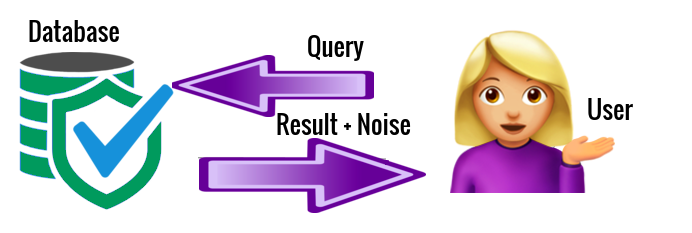
Above is a simple diagram of how Differential Privacy-Preserving Data Sharing and Data Mining protects a User's Data
PySyft is a Python library for secure and private Deep Learning. PySyft decouples private data from model training, using Federated Learning, Differential Privacy, and Encrypted Computation (like Multi-Party Computation (MPC) and Homomorphic Encryption (HE) within the main Deep Learning frameworks like PyTorch and TensorFlow.
TensorFlow Privacy is a Python library that includes implementations of TensorFlow optimizers for training machine learning models with differential privacy. The library comes with tutorials and analysis tools for computing the privacy guarantees provided.
TensorFlow Federated (TFF) is an open-source framework for machine learning and other computations on decentralized data. TFF has been developed to facilitate open research and experimentation with Federated Learning (FL), an approach to machine learning where a shared global model is trained across many participating clients that keep their training data locally.
Privacy on Beam is an end-to-end differential privacy solution built on Apache Beam. It is intended to be usable by all developers, regardless of their differential privacy expertise.
PyDP is a Python wrapper for Google's Differential Privacy project.
PennyLane is a cross-platform Python library for differentiable programming of quantum computers. By training a quantum computer the same way as a neural network.
BoTorch is a library for Bayesian Optimization built on PyTorch.
PyTorch Geometric (PyG) is a geometric deep learning extension library for PyTorch.
Skorch is a scikit-learn compatible neural network library that wraps PyTorch.
Diffprivlib is the IBM Differential Privacy Library for experimenting with, investigating and developing applications in, differential privacy.
Opacus is a library that enables training PyTorch models with differential privacy. It supports training with minimal code changes required on the client, has little impact on training performance and allows the client to online track the privacy budget expended at any given moment.
Smart Noise is a toolkit that uses state-of-the-art differential privacy (DP) techniques to inject noise into data, to prevent disclosure of sensitive information and manage exposure risk.
Differential Privacy Blog Series by the National Institute of Standards and Technology(NIST)
Apple's Differential Privacy Overview
Learning with Privacy at Scale with Apple Machine Learning
Microsoft Research Differential Privacy Overview
Responsible Machine Learning with Microsoft Azure
Responsible AI Resources with Microsoft AI
Preserve data privacy by using differential privacy and the SmartNoise package
Open Differential Privacy(OpenDP) Initiative by Microsoft and Harvard
Google's Differential Privacy Library
Computing Private Statistics with Privacy on Beam from Google Codelabs
Introducing TensorFlow Privacy: Learning with Differential Privacy for Training Data
TensorFlow Federated: Machine Learning on Decentralized Data
Federated Analytics: Collaborative Data Science without Data Collection
Differentially-Private Stochastic Gradient Descent(DP-SGD)
Learning Differential Privacy from Harvard University Privacy Tools Project
Harvard University Privacy Tools Project Courses & Educational Materials
The Weaknesses of Differential Privacy course on Coursera
The Differential Privacy of Bayesian Inference
Simultaneous private learning of multiple concepts
The Complexity of Computing the Optimal Composition of Differential Privacy
Order revealing encryption and the hardness of private learning
SAP HANA data anonymization using SAP Software Solutions
SAP HANA Security using their In-Memory Database
DEFCON Differential Privacy Training Launch
Secure and Private AI course on Udacity
Differential Privacy - Security and Privacy for Big Data - Part 1 course on Coursera
Differential Privacy - Security and Privacy for Big Data - Part 2 course on Coursera
Certified Ethical Emerging Technologist Professional Certificate course on Coursera
Back to the Top
CNCF Cloud Native Interactive Landscape
Build Cloud-Native applications in Microsoft Azure
Cloud-Native application development for Google Cloud
Cloud-Native development for Amazon Web Services
Cloud Native Applications with VMware Tanzu
Cloud Native Computing Foundation Training and Certification Program
Cloud Foundry Developer Training and Certification Program
Cloud-Native Architecture Course on Pluralsight
AWS Fundamentals: Going Cloud-Native on Coursera
Developing Cloud-Native Apps w/ Microservices Architectures course on Udemy
How load balancing works for cloud native applications with Azure Application Gateway on Linkedin Learning
Developing Cloud Native Applications course on edX
Cloud Native courses from IBM
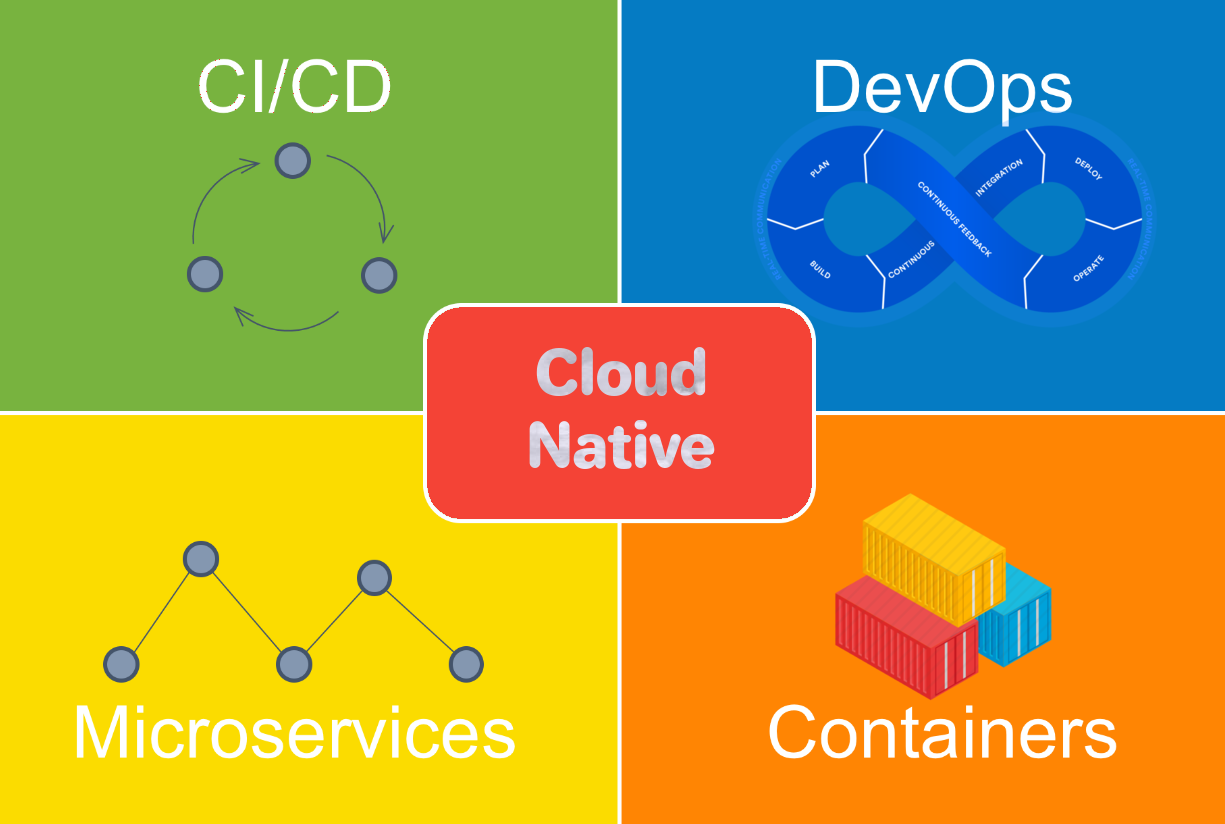
Application Framework
Spring Boot is an open-source micro framework maintained by Pivotal, which was acquired by VMware in 2019. It provides Java developers with a platform to get started with an auto configurable production-grade Spring application.
Apache Mesos is a cluster manager that provides efficient resource isolation and sharing across distributed applications, or frameworks. It can run Hadoop, Jenkins, Spark, Aurora, and other frameworks on a dynamically shared pool of nodes.
Apache Spark is a unified analytics engine for big data processing, with built-in modules for streaming, SQL, machine learning and graph processing.
Apache Hadoop is a framework that allows for the distributed processing of large data sets across clusters of computers using simple programming models. It is designed to scale up from single servers to thousands of machines, each offering local computation and storage. Rather than rely on hardware to deliver high-availability, the library itself is designed to detect and handle failures at the application layer, so delivering a highly-available service on top of a cluster of computers, each of which may be prone to failures.
Runtime Platform
BOSH is a tool that prepares your infrastructure for what needs to be managed. BOSH espouses software engineering best practices, such as continuous delivery, by making it easy to create software releases that automatically update complex distributed systems with simple commands.Due to the flexibility and power of BOSH, Google and VMware made it the heart of the Kubo project, now called the Cloud Foundry Container Runtime, based on Kubernetes.
Infrastructure Automatation
Maven is a build automation tool used primarily for Java projects. Maven can also be used to build and manage projects written in C#, Ruby, Scala, and other languages. The Maven project is hosted by the Apache Software Foundation.
Gradle is an open-source build-automation system that builds upon the concepts of Apache Ant and Apache Maven and introduces a Groovy-based domain-specific language instead of the XML form used by Apache Maven for declaring the project configuration.
Chef is an effortless Infrastructure Suite offers visibility into security and compliance status across all infrastructure and makes it easy to detect and correct issues long before they reach production.
Puppet is an open source tool that makes continuous integration and delivery of your software on traditional or containerized infrastructure easy by pulling together all your existing tools and giving you flexibility to deploy your way.
Ansible is an open-source software provisioning, configuration management, and application-deployment tool. It runs on many Unix-like systems, and can configure both Unix-like systems as well as Microsoft Windows.
Salt is Python-based, open-source software for event-driven IT automation, remote task execution, and configuration management. Supporting the "Infrastructure as Code" approach to data center system and network deployment and management, configuration automation, SecOps orchestration, vulnerability remediation, and hybrid cloud control.
Terraform is an open-source infrastructure as code software tool created by HashiCorp.It enables users to define and provision a datacenter infrastructure using a high-level configuration language known as Hashicorp Configuration Language (HCL), or optionally JSON.
Cloud Infrastructure
Amazon web service(AWS) is a platform that offers flexible, reliable, scalable, easy-to-use and cost-effective cloud computing solutions. The AWS platform is developed with a combination of infrastructure as a service (IaaS), platform as a service (PaaS) and packaged software as a service (SaaS) offerings.
Microsoft Azure is a cloud computing service created by Microsoft for building, testing, deploying, and managing applications and services through Microsoft-managed data centers.
Azure DevOps is a set of services for teams to share code, track work, and ship software; CLIs Build, deploy, diagnose, and manage multi-platform, scalable apps and services; Azure Pipelines Continuously build, test, and deploy to any platform and cloud; Azure Lab Services Set up labs for classrooms, trials, development and testing, and other scenarios.
Azure Draft is a tool for developers to create cloud-native applications on Kubernetes.
Google Cloud Platform integrates industry-leading tools(data management, hybrid & multi-cloud, and AI & ML) with Cloud Storage for enhanced support with everything from security and data transfer, to data backup and archive. Expand all . Backup, archival, and disaster recovery. Along with File systems and gateways.
OpenStack is a free and open-source software platform for cloud computing, mostly deployed as infrastructure-as-a-service that controls large pools of compute, storage, and networking resources throughout a datacenter, managed through a dashboard or via the OpenStack API. OpenStack works with popular enterprise and open source technologies making it ideal for heterogeneous infrastructure.
Cloud Foundry is an open source, multi cloud application platform as a service that makes it faster and easier to build, test, deploy and scale applications, providing a choice of clouds, developer frameworks, and application services. It is an open source project and is available through a variety of private cloud distributions and public cloud instances.
Bamboo is a continuous integration (CI) server that can be used to automate the release management for a software application, creating a continuous delivery pipeline.
Drone is a Continuous Delivery system built on container technology. Drone uses a simple YAML configuration file, a superset of docker-compose, to define and execute Pipelines inside Docker containers.
Travis CI is a hosted continuous integration service used to build and test software projects hosted at GitHub.
Circle CI is a continuous integration and continuous delivery platform that helps software teams work smarter, faster.
Team City is a build management and continuous integration server from JetBrains.
Shippable simplifies DevOps and makes it systematic with an Assembly Line platform that is heterogeneous, flexible, and provides complete visibility across your DevOps workflows.
Spinnaker is an open source, multi-cloud continuous delivery platform for releasing software changes with high velocity and confidence.
Prow is a Kubernetes based CI/CD system. Jobs can be triggered by various types of events and report their status to many different services. In addition to job execution, Prow provides GitHub automation in the form of policy enforcement, chat-ops via /foo style commands, and automatic PR merging. Prow has a microservice architecture implemented as a collection of container images that run as Kubernetes deployments.
AWS ECS is a highly scalable, high-performance container orchestration service that supports Docker containers and allows you to easily run and scale containerized applications on AWS. Amazon ECS eliminates the need for you to install and operate your own container orchestration software, manage and scale a cluster of virtual machines, or schedule containers on those virtual machines.
AWS CodeBuild is a fully managed continuous integration service that compiles source code, runs tests, and produces software packages that are ready to deploy. With CodeBuild, you don't need to provision, manage, and scale your own build servers.
CFEngine is an open-source configuration management system, written by Mark Burgess.Its primary function is to provide automated configuration and maintenance of large-scale computer systems, including the unified management of servers, desktops, consumer and industrial devices, embedded networked devices, mobile smartphones, and tablet computers.
Octpus Deploy is the deployment automation server for your entire team, designed to make it easy to orchestrate releases and deploy applications, whether on-premises or in the cloud.
AWS CodeDeploy is a fully managed deployment service that automates software deployments to a variety of compute services such as Amazon EC2, AWS Fargate, AWS Lambda, and your on-premises servers. AWS CodeDeploy makes it easier for you to rapidly release new features, helps you avoid downtime during application deployment, and handles the complexity of updating your applications.
AWS Lambda is an event-driven, serverless computing platform provided by Amazon as a part of the Amazon Web Services. It is a computing service that runs code in response to events and automatically manages the computing resources required by that code.
Traefik is an open-source Edge Router that makes publishing your services a fun and easy experience. It receives requests on behalf of your system and finds out which components are responsible for handling them. What sets Traefik apart, besides its many features, is that it automatically discovers the right configuration for your services.
Kubernetes is an open-source container-orchestration system for automating application deployment, scaling, and management. It was originally designed by Google, and is now maintained by the Cloud Native Computing Foundation.
Google Kubernetes Engine (GKE) is a managed, production-ready environment for deploying containerized applications.
OpenShift is focused on security at every level of the container stack and throughout the application lifecycle. It includes long-term, enterprise support from one of the leading Kubernetes contributors and open source software companies.
Rancher is a complete software stack for teams adopting containers. It addresses the operational and security challenges of managing multiple Kubernetes clusters, while providing DevOps teams with integrated tools for running containerized workloads.
Docker is a set of platform as a service products that use OS-level virtualization to deliver software in packages called containers. Containers are isolated from one another and bundle their own software, libraries and configuration files; they can communicate with each other through well-defined channels. All containers are run by a single operating-system kernel and are thus more lightweight than virtual machines.
Rook is an open source cloud-native storage orchestrator for Kubernetes that turns distributed storage systems into self-managing, self-scaling, self-healing storage services. It automates the tasks of a storage administrator: deployment, bootstrapping, configuration, provisioning, scaling, upgrading, migration, disaster recovery, monitoring, and resource management.
Podman(the POD MANager) is a tool for managing OCI containers and pods.
Rkt is a pod-native container engine for Linux. It is composable, secure, and built on standards.
Back to the Top
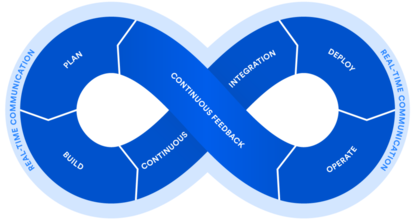
GitHub provides hosting for software development version control using Git. It offers all of the distributed version control and source code management functionality of Git as well as adding its own features. It provides access control and several collaboration features such as bug tracking, feature requests, task management, and wikis for every project.
GitHub Codespaces is an integrated development environment(IDE) on GitHub. That allows developers to develop entirely in the cloud using Visual Studio and Visual Studio Code.
GitHub Actions will automate, customize, and execute your software development workflows right in your repository with GitHub Actions. You can discover, create, and share actions to perform any job you'd like, including CI/CD, and combine actions in a completely customized workflow.GitHub Actions for Azure you can create workflows that you can set up in your repository to build, test, package, release and deploy to Azure.Learn more about all other integrations with Azure.
GitLab is a web-based DevOps lifecycle tool that provides a Git-repository manager providing wiki, issue-tracking and CI/CD pipeline features, using an open-source license, developed by GitLab Inc.
Jenkins is a free and open source automation server. Jenkins helps to automate the non-human part of the software development process, with continuous integration and facilitating technical aspects of continuous delivery.
Bitbucket is a web-based version control repository hosting service owned by Atlassian, for source code and development projects that use either Mercurial or Git revision control systems. Bitbucket offers both commercial plans and free accounts. It offers free accounts with an unlimited number of private repositories. Bitbucket integrates with other Atlassian software like Jira, HipChat, Confluence and Bamboo.
Bamboo is a continuous integration (CI) server that can be used to automate the release management for a software application, creating a continuous delivery pipeline.
Codecov is the leading, dedicated code coverage solution. It provides highly integrated tools to group, merge, archive and compare coverage reports. Whether your team is comparing changes in a pull request or reviewing a single commit, Codecov will improve the code review workflow and quality.
Drone is a Continuous Delivery system built on container technology. Drone uses a simple YAML configuration file, a superset of docker-compose, to define and execute Pipelines inside Docker containers.
Travis CI is a hosted continuous integration service used to build and test software projects hosted at GitHub.
Circle CI is a continuous integration and continuous delivery platform that helps software teams work smarter, faster.
Zuul-CI is a program that drives continuous integration, delivery, and deployment systems with a focus on project gating and interrelated projects. Using the same Ansible playbooks to deploy your system and run your tests.
Artifactory is a Universal Artifact Repository Manager developed by JFrog. It supports all major packages, enterprise ready security, clustered, HA, Docker registry, multi-site replication and scalable.
Azure DevOps is a set of services for teams to share code, track work, and ship software; CLIs Build, deploy, diagnose, and manage multi-platform, scalable apps and services; Azure Pipelines Continuously build, test, and deploy to any platform and cloud; Azure Lab Services Set up labs for classrooms, trials, development and testing, and other scenarios.
Team City is a build management and continuous integration server from JetBrains.
Shippable simplifies DevOps and makes it systematic with an Assembly Line platform that is heterogeneous, flexible, and provides complete visibility across your DevOps workflows.
Spinnaker is an open source, multi-cloud continuous delivery platform for releasing software changes with high velocity and confidence.
AWS CodeBuild is a fully managed continuous integration service that compiles source code, runs tests, and produces software packages that are ready to deploy. With CodeBuild, you don't need to provision, manage, and scale your own build servers.
Selenium is a free (open source) automated testing suite for web applications across different browsers and platforms.
Cucumber is a tool based on Behavior Driven Development (BDD) framework which is used to write acceptance tests for the web application. It allows automation of functional validation in easily readable and understandable format (like plain English) to Business Analysts, Developers, and Testers.
JUnit is a unit testing framework for the Java programming language.
Mocha is a JavaScript test framework for Node.js programs, featuring browser support, asynchronous testing, test coverage reports, and use of any assertion library.
Karma is a simple tool that allows you to execute JavaScript code in multiple real browsers.
Jasmine is an open source testing framework for JavaScript. It aims to run on any JavaScript-enabled platform, to not intrude on the application nor the IDE, and to have easy-to-read syntax.
Maven is a build automation tool used primarily for Java projects. Maven can also be used to build and manage projects written in C#, Ruby, Scala, and other languages. The Maven project is hosted by the Apache Software Foundation.
Gradle is an open-source build-automation system that builds upon the concepts of Apache Ant and Apache Maven and introduces a Groovy-based domain-specific language instead of the XML form used by Apache Maven for declaring the project configuration.
Chef is an effortless Infrastructure Suite offers visibility into security and compliance status across all infrastructure and makes it easy to detect and correct issues long before they reach production.
Puppet is an open source tool that makes continuous integration and delivery of your software on traditional or containerized infrastructure easy by pulling together all your existing tools and giving you flexibility to deploy your way.
Ansible is an open-source software provisioning, configuration management, and application-deployment tool. It runs on many Unix-like systems, and can configure both Unix-like systems as well as Microsoft Windows.
KubeInit provides Ansible playbooks and roles for the deployment and configuration of multiple Kubernetes distributions.
Salt is Python-based, open-source software for event-driven IT automation, remote task execution, and configuration management. Supporting the "Infrastructure as Code" approach to data center system and network deployment and management, configuration automation, SecOps orchestration, vulnerability remediation, and hybrid cloud control.
Terraform is an open-source infrastructure as code software tool created by HashiCorp.It enables users to define and provision a datacenter infrastructure using a high-level configuration language known as Hashicorp Configuration Language (HCL), or optionally JSON.
Consul is a service networking solution to connect and secure services across any runtime platform and public or private cloud.
Packer is lightweight, runs on every major operating system, and is highly performant, creating machine images for multiple platforms in parallel. Packer does not replace configuration management like Chef or Puppet. In fact, when building images, Packer is able to use tools like Chef or Puppet to install software onto the image.
Nomad is a highly available, distributed, data-center aware cluster and application scheduler designed to support the modern datacenter with support for long-running services, batch jobs, and much more.
Vagrant is a tool for building and managing virtual machine environments in a single workflow. With an easy-to-use workflow and focus on automation, Vagrant lowers development environment setup time and increases production parity.
Vault is a tool for securely accessing secrets. A secret is anything that you want to tightly control access to, such as API keys, passwords, certificates, and more. Vault provides a unified interface to any secret, while providing tight access control and recording a detailed audit log.
CFEngine is an open-source configuration management system, written by Mark Burgess.Its primary function is to provide automated configuration and maintenance of large-scale computer systems, including the unified management of servers, desktops, consumer and industrial devices, embedded networked devices, mobile smartphones, and tablet computers.
Octpus Deploy is the deployment automation server for your entire team, designed to make it easy to orchestrate releases and deploy applications, whether on-premises or in the cloud.
AWS CodeDeploy is a fully managed deployment service that automates software deployments to a variety of compute services such as Amazon EC2, AWS Fargate, AWS Lambda, and your on-premises servers. AWS CodeDeploy makes it easier for you to rapidly release new features, helps you avoid downtime during application deployment, and handles the complexity of updating your applications.
Kubernetes is an open-source container-orchestration system for automating application deployment, scaling, and management. It was originally designed by Google, and is now maintained by the Cloud Native Computing Foundation.
Docker is a set of platform as a service products that use OS-level virtualization to deliver software in packages called containers. Containers are isolated from one another and bundle their own software, libraries and configuration files; they can communicate with each other through well-defined channels. All containers are run by a single operating-system kernel and are thus more lightweight than virtual machines.
PowerShell/PowerShell Core is a cross-platform (Windows, Linux, and macOS) automation and configuration tool/framework that works well with your existing tools and is optimized for dealing with structured data (eg JSON, CSV, XML, etc.), REST APIs, and object models. It includes a command-line shell, an associated scripting language and a framework for processing cmdlets.
Hyper-V creates virtual machines on Windows 10. Hyper-V can be enabled in many ways including using the Windows 10 control panel, PowerShell or using the Deployment Imaging Servicing and Management tool (DISM).
Cloud Hypervisor is an open source Virtual Machine Monitor (VMM) that runs on top of KVM. The project focuses on exclusively running modern, cloud workloads, on top of a limited set of hardware architectures and platforms. Cloud workloads refers to those that are usually run by customers inside a cloud provider. Cloud Hypervisor is implemented in Rust and is based on the rust-vmm crates.
VMware vSphere Hypervisor is a bare-metal hypervisor that virtualizes servers; allowing you to consolidate your applications while saving time and money managing your IT infrastructure.
VMware vSphere is the industry-leading compute virtualization platform, and your first step to application modernization. It has been rearchitected with native Kubernetes to allow customers to modernize the 70 million+ workloads now running on vSphere.
VMware Tanzu is a centralized management platform for consistently operating and securing your Kubernetes infrastructure and modern applications across multiple teams and private/public clouds.
Rancher is a complete software stack for teams adopting containers. It addresses the operational and security challenges of managing multiple Kubernetes clusters, while providing DevOps teams with integrated tools for running containerized workloads.
K3s is a highly available, certified Kubernetes distribution designed for production workloads in unattended, resource-constrained, remote locations or inside IoT appliances.
Rook is an open source cloud-native storage orchestrator for Kubernetes that turns distributed storage systems into self-managing, self-scaling, self-healing storage services. It automates the tasks of a storage administrator: deployment, bootstrapping, configuration, provisioning, scaling, upgrading, migration, disaster recovery, monitoring, and resource management.
Google Kubernetes Engine (GKE) is a managed, production-ready environment for deploying containerized applications.
Anthos is a modern application management platform that provides a consistent development and operations experience for cloud and on-premises environments.
AWS ECS is a highly scalable, high-performance container orchestration service that supports Docker containers and allows you to easily run and scale containerized applications on AWS. Amazon ECS eliminates the need for you to install and operate your own container orchestration software, manage and scale a cluster of virtual machines, or schedule containers on those virtual machines.
Apache Mesos is a cluster manager that provides efficient resource isolation and sharing across distributed applications, or frameworks. It can run Hadoop, Jenkins, Spark, Aurora, and other frameworks on a dynamically shared pool of nodes.
Apache Spark is a unified analytics engine for big data processing, with built-in modules for streaming, SQL, machine learning and graph processing.
Apache Hadoop is a framework that allows for the distributed processing of large data sets across clusters of computers using simple programming models. It is designed to scale up from single servers to thousands of machines, each offering local computation and storage. Rather than rely on hardware to deliver high-availability, the library itself is designed to detect and handle failures at the application layer, so delivering a highly-available service on top of a cluster of computers, each of which may be prone to failures.
Microsoft Azure is a cloud computing service created by Microsoft for building, testing, deploying, and managing applications and services through Microsoft-managed data centers.
Azure Functions is a solution for easily running small pieces of code, or "functions," in the cloud. You can write just the code you need for the problem at hand, without worrying about a whole application or the infrastructure to run it.
Rkt is a pod-native container engine for Linux. It is composable, secure, and built on standards.
AWS Lambda is an event-driven, serverless computing platform provided by Amazon as a part of the Amazon Web Services. It is a computing service that runs code in response to events and automatically manages the computing resources required by that code.
Helm is the Kubernetes Package Manager.
Kubespray is a tool that combines Kubernetes and Ansible to easily install Kubernetes clusters that can be deployed on AWS, GCE, Azure, OpenStack, vSphere, Packet (bare metal), Oracle Cloud Infrastructure (Experimental), or Baremetal
Red Hat OpenShift is focused on security at every level of the container stack and throughout the application lifecycle. It includes long-term, enterprise support from one of the leading Kubernetes contributors and open source software companies.
OpenShift Hive is an operator which runs as a service on top of Kubernetes/OpenShift. The Hive service can be used to provision and perform initial configuration of OpenShift 4 clusters.
OKD is a community distribution of Kubernetes optimized for continuous application development and multi-tenant deployment. OKD adds developer and operations-centric tools on top of Kubernetes to enable rapid application development, easy deployment and scaling, and long-term lifecycle maintenance for small and large teams.
Odo is a fast, iterative, and straightforward CLI tool for developers who write, build, and deploy applications on Kubernetes and OpenShift.
Kata Operator is an operator to perform lifecycle management (install/upgrade/uninstall) of Kata Runtime on Openshift as well as Kubernetes cluster.
Knative is a Kubernetes-based platform to build, deploy, and manage modern serverless workloads. Knative takes care of the operational overhead details of networking, autoscaling (even to zero), and revision tracking.
Etcd is a distributed key-value store that provides a reliable way to store data that needs to be accessed by a distributed system or cluster of machines. Etcd is used as the backend for service discovery and stores cluster state and configuration for Kubernetes.
OpenStack is a free and open-source software platform for cloud computing, mostly deployed as infrastructure-as-a-service that controls large pools of compute, storage, and networking resources throughout a datacenter, managed through a dashboard or via the OpenStack API. OpenStack works with popular enterprise and open source technologies making it ideal for heterogeneous infrastructure.
Cloud Foundry is an open source, multi cloud application platform as a service that makes it faster and easier to build, test, deploy and scale applications, providing a choice of clouds, developer frameworks, and application services. It is an open source project and is available through a variety of private cloud distributions and public cloud instances.
Splunk software is used for searching, monitoring, and analyzing machine-generated big data, via a Web-style interface.
Prometheus is a free software application used for event monitoring and alerting. It records real-time metrics in a time series database (allowing for high dimensionality) built using a HTTP pull model, with flexible queries and real-time alerting.
Loki is a horizontally-scalable, highly-available, multi-tenant log aggregation system inspired by Prometheus. It is designed to be very cost effective and easy to operate. It does not index the contents of the logs, but rather a set of labels for each log stream.
Thanos is a set of components that can be composed into a highly available metric system with unlimited storage capacity, which can be added seamlessly on top of existing Prometheus deployments.
Container Storage Interface (CSI) is an API that lets container orchestration platforms like Kubernetes seamlessly communicate with stored data via a plug-in.
OpenEBS is a Kubernetes-based tool to create stateful applications using Container Attached Storage.
ElasticSearch is a search engine based on the Lucene library. It provides a distributed, multitenant-capable full-text search engine with an HTTP web interface and schema-free JSON documents. Elasticsearch is developed in Java.
Logstash is a tool for managing events and logs. When used generically, the term encompasses a larger system of log collection, processing, storage and searching activities.
Kibana is an open source data visualization plugin for Elasticsearch. It provides visualization capabilities on top of the content indexed on an Elasticsearch cluster. Users can create bar, line and scatter plots, or pie charts and maps on top of large volumes of data.
New Relic is a SaaS-based monitoring tool that fully supports the way DevOps teams work in the modern enterprise by streamlining your workflows with today's collaboration software and orchestration tools like Puppet, Chef, and Ansible.
Nagios is a free and open source computer-software application that monitors systems, networks and infrastructure. Nagios offers monitoring and alerting services for servers, switches, applications and services. It alerts users when things go wrong and alerts them a second time when the problem has been resolved.
SonarQube is an open-source platform developed by SonarSource for continuous inspection of code quality to perform automatic reviews with static analysis of code to detect bugs, code smells, and security vulnerabilities on 20+ programming languages.
Genie is a federated job orchestration engine developed by Netflix. Genie provides REST APIs to run a variety of big data jobs like Hadoop, Pig, Hive, Spark, Presto, Sqoop and more. It also provides APIs for managing the metadata of many distributed processing clusters and the commands and applications which run on them.
Inviso is a lightweight tool that provides the ability to search for Hadoop jobs, visualize the performance, and view cluster utilization.
Fenzo is a scheduler Java library for Apache Mesos frameworks that supports plugins for scheduling optimizations and facilitates cluster autoscaling.
Dynomite is a thin, distributed dynamo layer for different storage engines and protocols, which includes Redis and Memcached. Dynomite supports multi-datacenter replication and is designed for High Availability(HA).
Dyno is a tool that is used to scale a Java client application utilizing Dynomite.
Raigad is a process/tool that runs alongside Elasticsearch to automate backup/recovery, Deployments and Centralized Configuration management.
Priam is a process/tool that runs alongside Apache Cassandra to automate backup/recovery, Deployments and Centralized Configuration management.
Chaos Monkey is a resiliency tool used to randomly terminates virtual machine instances and containers that run inside of your production environment. Chaos Monkey should work with any backend that Spinnaker supports (AWS, Google Compute Engine, Microsoft Azure, Kubernetes, and Cloud Foundry).
Falcor is a JavaScript library for efficient data fetching. Falcor lets you represent all your remote data sources as a single domain model via a virtual JSON graph, whether in memory on the client or over the network on the server.
Restify is a framework, utilizing connect style middleware for building REST APIs.
Traefik is an open source Edge Router that makes publishing your services a fun and easy experience. It receives requests on behalf of your system and finds out which components are responsible for handling them. What sets Traefik apart, besides its many features, is that it automatically discovers the right configuration for your services.
Jira is a proprietary issue tracking product developed by Atlassian that allows bug tracking and agile project management.
Pivotal Tracker is the agile project management tool of choice for developers around the world for real-time collaboration around a shared, prioritized backlog.
Trello is a web-based Kanban-style list-making application that gives you perspective over all your projects, at work and at home.
Microsoft Teams is the hub for team collaboration in Office 365 that integrates the people, content, and tools your team needs to be more engaged and effective.
Slack is a cloud-based proprietary instant messaging platform developed by Slack Technologies.
OpsGenie is a cloud-based service for dev & ops teams, providing reliable alerts, on-call schedule management and escalations. OpsGenie integrates with monitoring tools & services, ensures the right people are notified.
Pagerduty automates processes built on best practices, allowing you to focus on higher value parts of incident response. Granular and scalable permissions enable teams to administer and operate independently while controlling visibility.
Veracode is a leading provider of enterprise-class application security, seamlessly integrating agile security solutions for organizations around the globe. In addition to application security services and secure devops services, Veracode provides a full security assessment to ensure your website and applications are secure, and ensures full enterprise data protection.
DevOps Engineering on AWS from AWS Training
AWS Certified DevOps Engineer - Professional from A Cloud Guru
Microsoft Certified: DevOps Engineer Expert Cert.
Introduction to Azure DevOps from A Cloud Guru
Architecting with Google Compute Engine
Architecting with Google Kubernetes Engine in Google Cloud
VMware Training and Certification Program
Cloudera Certification Program
Salesforce Certification Program
Salesforce Superbadges
Red Hat Training and Certification Program
Linux Foundation Training and Certification Program
Linux Professional Institute(LPI) Training and Certification
Learn DevOps with Online Courses and Lessons from edX
Top DevOps Courses Online from Udemy
Devops Courses from Coursera
Back to the Top
AWS Certified Security - Specialty Certification
Microsoft Certified: Azure Security Engineer Associate
Google Cloud Certified Professional Cloud Security Engineer
Cisco Security Certifications
The Red Hat Certified Specialist in Security: Linux
Linux Professional Institute LPIC-3 Enterprise Security Certification
Cybersecurity Training and Courses from IBM Skills
Cybersecurity Courses and Certifications by Offensive Security
Citrix Certified Associate – Networking(CCA-N)
Citrix Certified Professional – Virtualization(CCP-V)
CCNP Routing and Switching
Certified Information Security Manager(CISM)
Wireshark Certified Network Analyst (WCNA)
Juniper Networks Certification Program Enterprise (JNCP)
Networking courses and specializations from Coursera
Network & Security Courses from Udemy
Network & Security Courses from edX
 • Connection: In networking, a connection refers to pieces of related information that are transferred through a network. This generally infers that a connection is built before the data transfer (by following the procedures laid out in a protocol) and then is deconstructed at the at the end of the data transfer.

• Packet: A packet is, generally speaking, the most basic unit that is transferred over a network. When communicating over a network, packets are the envelopes that carry your data (in pieces) from one end point to the other.
Packets have a header portion that contains information about the packet including the source and destination, timestamps, network hops. The main portion of a packet contains the actual data being transferred. It is sometimes called the body or the payload.
• Network Interface: A network interface can refer to any kind of software interface to networking hardware. For instance, if you have two network cards in your computer, you can control and configure each network interface associated with them individually.
A network interface may be associated with a physical device, or it may be a representation of a virtual interface. The "loop-back" device, which is a virtual interface to the local machine, is an example of this.
 • LAN: LAN stands for "local area network". It refers to a network or a portion of a network that is not publicly accessible to the greater internet. A home or office network is an example of a LAN.

• WAN: WAN stands for "wide area network". It means a network that is much more extensive than a LAN. While WAN is the relevant term to use to describe large, dispersed networks in general, it is usually meant to mean the internet, as a whole.
If an interface is connected to the WAN, it is generally assumed that it is reachable through the internet.
• Protocol: A protocol is a set of rules and standards that basically define a language that devices can use to communicate. There are a great number of protocols in use extensively in networking, and they are often implemented in different layers.
Some low level protocols are TCP, UDP, IP, and ICMP. Some familiar examples of application layer protocols, built on these lower protocols, are HTTP (for accessing web content), SSH, TLS/SSL, and FTP.
 • Port: A port is an address on a single machine that can be tied to a specific piece of software. It is not a physical interface or location, but it allows your server to be able to communicate using more than one application.

• Firewall: A firewall is a program that decides whether traffic coming into a server or going out should be allowed. A firewall usually works by creating rules for which type of traffic is acceptable on which ports. Generally, firewalls block ports that are not used by a specific application on a server.

• NAT: Network address translation is a way to translate requests that are incoming into a routing server to the relevant devices or servers that it knows about in the LAN. This is usually implemented in physical LANs as a way to route requests through one IP address to the necessary backend servers.

• VPN: Virtual private network is a means of connecting separate LANs through the internet, while maintaining privacy. This is used as a means of connecting remote systems as if they were on a local network, often for security reasons.
 While networking is often discussed in terms of topology in a horizontal way, between hosts, its implementation is layered in a vertical fashion throughout a computer or network. This means is that there are multiple technologies and protocols that are built on top of each other in order for communication to function more easily. Each successive, higher layer abstracts the raw data a little bit more, and makes it simpler to use for applications and users. It also allows you to leverage lower layers in new ways without having to invest the time and energy to develop the protocols and applications that handle those types of traffic.

As data is sent out of one machine, it begins at the top of the stack and filters downwards. At the lowest level, actual transmission to another machine takes place. At this point, the data travels back up through the layers of the other computer. Each layer has the ability to add its own "wrapper" around the data that it receives from the adjacent layer, which will help the layers that come after decide what to do with the data when it is passed off.

One method of talking about the different layers of network communication is the OSI model. OSI stands for Open Systems Interconnect.This model defines seven separate layers. The layers in this model are:

• Application: The application layer is the layer that the users and user-applications most often interact with. Network communication is discussed in terms of availability of resources, partners to communicate with, and data synchronization.

• Presentation: The presentation layer is responsible for mapping resources and creating context. It is used to translate lower level networking data into data that applications expect to see.

• Session: The session layer is a connection handler. It creates, maintains, and destroys connections between nodes in a persistent way.

• Transport: The transport layer is responsible for handing the layers above it a reliable connection. In this context, reliable refers to the ability to verify that a piece of data was received intact at the other end of the connection. This layer can resend information that has been dropped or corrupted and can acknowledge the receipt of data to remote computers.

• Network: The network layer is used to route data between different nodes on the network. It uses addresses to be able to tell which computer to send information to. This layer can also break apart larger messages into smaller chunks to be reassembled on the opposite end.

• Data Link: This layer is implemented as a method of establishing and maintaining reliable links between different nodes or devices on a network using existing physical connections.

• Physical: The physical layer is responsible for handling the actual physical devices that are used to make a connection. This layer involves the bare software that manages physical connections as well as the hardware itself (like Ethernet).
The TCP/IP model, more commonly known as the Internet protocol suite, is another layering model that is simpler and has been widely adopted.It defines the four separate layers, some of which overlap with the OSI model:
• Application: In this model, the application layer is responsible for creating and transmitting user data between applications. The applications can be on remote systems, and should appear to operate as if locally to the end user.
The communication takes place between peers network.
 • Transport: The transport layer is responsible for communication between processes. This level of networking utilizes ports to address different services. It can build up unreliable or reliable connections depending on the type of protocol used.

• Internet: The internet layer is used to transport data from node to node in a network. This layer is aware of the endpoints of the connections, but does not worry about the actual connection needed to get from one place to another. IP addresses are defined in this layer as a way of reaching remote systems in an addressable manner.

• Link: The link layer implements the actual topology of the local network that allows the internet layer to present an addressable interface. It establishes connections between neighboring nodes to send data.
Interfaces are networking communication points for your computer. Each interface is associated with a physical or virtual networking device. Typically, your server will have one configurable network interface for each Ethernet or wireless internet card you have. In addition, it will define a virtual network interface called the "loopback" or localhost interface. This is used as an interface to connect applications and processes on a single computer to other applications and processes. You can see this referenced as the "lo" interface in many tools.
Networking works by piggybacks on a number of different protocols on top of each other. In this way, one piece of data can be transmitted using multiple protocols encapsulated within one another.
Media access control is a communications protocol that is used to distinguish specific devices. Each device is supposed to get a unique MAC address during the manufacturing process that differentiates it from every other device on the internet. Addressing hardware by the MAC address allows you to reference a device by a unique value even when the software on top may change the name for that specific device during operation. Media access control is one of the only protocols from the link layer that you are likely to interact with on a regular basis.
The IP protocol is one of the fundamental protocols that allow the internet to work. IP addresses are unique on each network and they allow machines to address each other across a network. It is implemented on the internet layer in the IP/TCP model. Networks can be linked together, but traffic must be routed when crossing network boundaries. This protocol assumes an unreliable network and multiple paths to the same destination that it can dynamically change between. There are a number of different implementations of the protocol. The most common implementation today is IPv4, although IPv6 is growing in popularity as an alternative due to the scarcity of IPv4 addresses available and improvements in the protocols capabilities.
ICMP: internet control message protocol is used to send messages between devices to indicate the availability or error conditions. These packets are used in a variety of network diagnostic tools, such as ping and traceroute. Usually ICMP packets are transmitted when a packet of a different kind meets some kind of a problem. Basically, they are used as a feedback mechanism for network communications.
TCP: Transmission control protocol is implemented in the transport layer of the IP/TCP model and is used to establish reliable connections. TCP is one of the protocols that encapsulates data into packets. It then transfers these to the remote end of the connection using the methods available on the lower layers. On the other end, it can check for errors, request certain pieces to be resent, and reassemble the information into one logical piece to send to the application layer. The protocol builds up a connection prior to data transfer using a system called a three-way handshake. This is a way for the two ends of the communication to acknowledge the request and agree upon a method of ensuring data reliability. After the data has been sent, the connection is torn down using a similar four-way handshake. TCP is the protocol of choice for many of the most popular uses for the internet, including WWW, FTP, SSH, and email. It is safe to say that the internet we know today would not be here without TCP.
UDP: User datagram protocol is a popular companion protocol to TCP and is also implemented in the transport layer. The fundamental difference between UDP and TCP is that UDP offers unreliable data transfer. It does not verify that data has been received on the other end of the connection. This might sound like a bad thing, and for many purposes, it is. However, it is also extremely important for some functions. It's not required to wait for confirmation that the data was received and forced to resend data, UDP is much faster than TCP. It does not establish a connection with the remote host, it simply fires off the data to that host and doesn't care if it is accepted or not. Since UDP is a simple transaction, it is useful for simple communications like querying for network resources. It also doesn't maintain a state, which makes it great for transmitting data from one machine to many real-time clients. This makes it ideal for VOIP, games, and other applications that cannot afford delays.
HTTP: Hypertext transfer protocol is a protocol defined in the application layer that forms the basis for communication on the web. HTTP defines a number of functions that tell the remote system what you are requesting. For instance, GET, POST, and DELETE all interact with the requested data in a different way.
JSON Web Token (JWT) is a compact URL-safe means of representing claims to be transferred between two parties. The claims in a JWT are encoded as a JSON object that is digitally signed using JSON Web Signature (JWS).
OAuth 2.0 is an open source authorization framework that enables applications to obtain limited access to user accounts on an HTTP service, such as Amazon, Google, Facebook, Microsoft, Twitter GitHub, and DigitalOcean. It works by delegating user authentication to the service that hosts the user account, and authorizing third-party applications to access the user account.
FTP: File transfer protocol is in the application layer and provides a way of transferring complete files from one host to another. It is inherently insecure, so it is not recommended for any externally facing network unless it is implemented as a public, download-only resource.
DNS: Domain name system is an application layer protocol used to provide a human-friendly naming mechanism for internet resources. It is what ties a domain name to an IP address and allows you to access sites by name in your browser.
SSH: Secure shell is an encrypted protocol implemented in the application layer that can be used to communicate with a remote server in a secure way. Many additional technologies are built around this protocol because of its end-to-end encryption and ubiquity. There are many other protocols that we haven't covered that are equally important. However, this should give you a good overview of some of the fundamental technologies that make the internet and networking possible.
KVM (for Kernel-based Virtual Machine) is a full virtualization solution for Linux on x86 hardware containing virtualization extensions (Intel VT or AMD-V). It consists of a loadable kernel module, kvm.ko, that provides the core virtualization infrastructure and a processor specific module, kvm-intel.ko or kvm-amd.ko.
QEMU is a fast processor emulator using a portable dynamic translator. QEMU emulates a full system, including a processor and various peripherals. It can be used to launch a different Operating System without rebooting the PC or to debug system code.
Hyper-V enables running virtualized computer systems on top of a physical host. These virtualized systems can be used and managed just as if they were physical computer systems, however they exist in virtualized and isolated environment. Special software called a hypervisor manages access between the virtual systems and the physical hardware resources. Virtualization enables quick deployment of computer systems, a way to quickly restore systems to a previously known good state, and the ability to migrate systems between physical hosts.
VirtManager is a graphical tool for managing virtual machines via libvirt. Most usage is with QEMU/KVM virtual machines, but Xen and libvirt LXC containers are well supported. Common operations for any libvirt driver should work.
oVirt is an open-source distributed virtualization solution, designed to manage your entire enterprise infrastructure. oVirt uses the trusted KVM hypervisor and is built upon several other community projects, including libvirt, Gluster, PatternFly, and Ansible.Founded by Red Hat as a community project on which Red Hat Enterprise Virtualization is based allowing for centralized management of virtual machines, compute, storage and networking resources, from an easy-to-use web-based front-end with platform independent access.
Xen is focused on advancing virtualization in a number of different commercial and open source applications, including server virtualization, Infrastructure as a Services (IaaS), desktop virtualization, security applications, embedded and hardware appliances, and automotive/aviation.
Ganeti is a virtual machine cluster management tool built on top of existing virtualization technologies such as Xen or KVM and other open source software. Once installed, the tool assumes management of the virtual instances (Xen DomU).
Packer is an open source tool for creating identical machine images for multiple platforms from a single source configuration. Packer is lightweight, runs on every major operating system, and is highly performant, creating machine images for multiple platforms in parallel. Packer does not replace configuration management like Chef or Puppet. In fact, when building images, Packer is able to use tools like Chef or Puppet to install software onto the image.
Vagrant is a tool for building and managing virtual machine environments in a single workflow. With an easy-to-use workflow and focus on automation, Vagrant lowers development environment setup time, increases production parity, and makes the "works on my machine" excuse a relic of the past. It provides easy to configure, reproducible, and portable work environments built on top of industry-standard technology and controlled by a single consistent workflow to help maximize the productivity and flexibility of you and your team.
VMware Workstation is a hosted hypervisor that runs on x64 versions of Windows and Linux operating systems; it enables users to set up virtual machines on a single physical machine, and use them simultaneously along with the actual machine.
VirtualBox is a powerful x86 and AMD64/Intel64 virtualization product for enterprise as well as home use. Not only is VirtualBox an extremely feature rich, high performance product for enterprise customers.
Back to the Top
SQL is a standard language for storing, manipulating and retrieving data in relational databases.
SQL Tutorial by W3Schools
Learn SQL Skills Online from Coursera
SQL Courses Online from Udemy
SQL Online Training Courses from LinkedIn Learning
Learn SQL For Free from Codecademy
GitLab's SQL Style Guide
OracleDB SQL Style Guide Basics
Tableau CRM: BI Software and Tools
Databases on AWS
Best Practices and Recommendations for SQL Server Clustering in AWS EC2.
Connecting from Google Kubernetes Engine to a Cloud SQL instance.
Educational Microsoft Azure SQL resources
MySQL Certifications
SQL vs. NoSQL Databases: What's the Difference?
What is NoSQL?
Azure Data Studio is an open source data management tool that enables working with SQL Server, Azure SQL DB and SQL DW from Windows, macOS and Linux.
Azure SQL Database is the intelligent, scalable, relational database service built for the cloud. It's evergreen and always up to date, with AI-powered and automated features that optimize performance and durability for you. Serverless compute and Hyperscale storage options automatically scale resources on demand, so you can focus on building new applications without worrying about storage size or resource management.
Azure SQL Managed Instance is a fully managed SQL Server Database engine instance that's hosted in Azure and placed in your network. This deployment model makes it easy to lift and shift your on-premises applications to the cloud with very few application and database changes. Managed instance has split compute and storage components.
Azure Synapse Analytics is a limitless analytics service that brings together enterprise data warehousing and Big Data analytics. It gives you the freedom to query data on your terms, using either serverless or provisioned resources at scale. It brings together the best of the SQL technologies used in enterprise data warehousing, Spark technologies used in big data analytics, and Pipelines for data integration and ETL/ELT.
MSSQL for Visual Studio Code is an extension for developing Microsoft SQL Server, Azure SQL Database and SQL Data Warehouse everywhere with a rich set of functionalities.
SQL Server Data Tools (SSDT) is a development tool for building SQL Server relational databases, Azure SQL Databases, Analysis Services (AS) data models, Integration Services (IS) packages, and Reporting Services (RS) reports. With SSDT, a developer can design and deploy any SQL Server content type with the same ease as they would develop an application in Visual Studio or Visual Studio Code.
Bulk Copy Program is a command-line tool that comes with Microsoft SQL Server. BCP, allows you to import and export large amounts of data in and out of SQL Server databases quickly snd efficeiently.
SQL Server Migration Assistant is a tool from Microsoft that simplifies database migration process from Oracle to SQL Server, Azure SQL Database, Azure SQL Database Managed Instance and Azure SQL Data Warehouse.
SQL Server Integration Services is a development platform for building enterprise-level data integration and data transformations solutions. Use Integration Services to solve complex business problems by copying or downloading files, loading data warehouses, cleansing and mining data, and managing SQL Server objects and data.
SQL Server Business Intelligence(BI) is a collection of tools in Microsoft's SQL Server for transforming raw data into information businesses can use to make decisions.
Tableau is a Data Visualization software used in relational databases, cloud databases, and spreadsheets. Tableau was acquired by Salesforce in August 2019.
DataGrip is a professional DataBase IDE developed by Jet Brains that provides context-sensitive code completion, helping you to write SQL code faster. Completion is aware of the tables structure, foreign keys, and even database objects created in code you're editing.
RStudio is an integrated development environment for R and Python, with a console, syntax-highlighting editor that supports direct code execution, and tools for plotting, history, debugging and workspace management.
MySQL is a fully managed database service to deploy cloud-native applications using the world's most popular open source database.
PostgreSQL is a powerful, open source object-relational database system with over 30 years of active development that has earned it a strong reputation for reliability, feature robustness, and performance.
Amazon DynamoDB is a key-value and document database that delivers single-digit millisecond performance at any scale. It is a fully managed, multiregion, multimaster, durable database with built-in security, backup and restore, and in-memory caching for internet-scale applications.
FoundationDB is an open source distributed database designed to handle large volumes of structured data across clusters of commodity servers. It organizes data as an ordered key-value store and employs ACID transactions for all operations. It is especially well-suited for read/write workloads but also has excellent performance for write-intensive workloads. FoundationDB was acquired by Apple in 2015.
CouchbaseDB is an open source distributed multi-model NoSQL document-oriented database. It creates a key-value store with managed cache for sub-millisecond data operations, with purpose-built indexers for efficient queries and a powerful query engine for executing SQL queries.
IBM DB2 is a collection of hybrid data management products offering a complete suite of AI-empowered capabilities designed to help you manage both structured and unstructured data on premises as well as in private and public cloud environments. Db2 is built on an intelligent common SQL engine designed for scalability and flexibility.
MongoDB is a document database meaning it stores data in JSON-like documents.
OracleDB is a powerful fully managed database helps developers manage business-critical data with the highest availability, reliability, and security.
MariaDB is an enterprise open source database solution for modern, mission-critical applications.
SQLite is a C-language library that implements a small, fast, self-contained, high-reliability, full-featured, SQL database engine.SQLite is the most used database engine in the world. SQLite is built into all mobile phones and most computers and comes bundled inside countless other applications that people use every day.
SQLite Database Browser is an open source SQL tool that allows users to create, design and edits SQLite database files. It lets users show a log of all the SQL commands that have been issued by them and by the application itself.
dbWatch is a complete database monitoring/management solution for SQL Server, Oracle, PostgreSQL, Sybase, MySQL and Azure. Designed for proactive management and automation of routine maintenance in large scale on-premise, hybrid/cloud database environments.
Cosmos DB Profiler is a real-time visual debugger allowing a development team to gain valuable insight and perspective into their usage of Cosmos DB database. It identifies over a dozen suspicious behaviors from your application's interaction with Cosmos DB.
Adminer is an SQL management client tool for managing databases, tables, relations, indexes, users. Adminer has support for all the popular database management systems such as MySQL, MariaDB, PostgreSQL, SQLite, MS SQL, Oracle, Firebird, SimpleDB, Elasticsearch and MongoDB.
DBeaver is an open source database tool for developers and database administrators. It offers supports for JDBC compliant databases such as MySQL, Oracle, IBM DB2, SQL Server, Firebird, SQLite, Sybase, Teradata, Firebird, Apache Hive, Phoenix, and Presto.
DbVisualizer is a SQL management tool that allows users to manage a wide range of databases such as Oracle, Sybase, SQL Server, MySQL, H3, and SQLite.
AppDynamics Database is a management product for Microsoft SQL Server. With AppDynamics you can monitor and trend key performance metrics such as resource consumption, database objects, schema statistics and more, allowing you to proactively tune and fix issues in a High-Volume Production Environment.
Toad is a SQL Server DBMS toolset developed by Quest. It increases productivity by using extensive automation, intuitive workflows, and built-in expertise. This SQL management tool resolve issues, manage change and promote the highest levels of code quality for both relational and non-relational databases.
Lepide SQL Server is an open source storage manager utility to analyse the performance of SQL Servers. It provides a complete overview of all configuration and permission changes being made to your SQL Server environment through an easy-to-use, graphical user interface.
Sequel Pro is a fast MacOS database management tool for working with MySQL. This SQL management tool helpful for interacting with your database by easily to adding new databases, new tables, and new rows.
Back to the Top
Distributed under the Creative Commons Attribution 4.0 International (CC BY 4.0) Public License.





