tinyobjloader
v1.0.6

用C ++ 03编写的微小但功能强大的单文件波沿OBJ加载器。除C ++ STL外,无依赖性。它可以用中等内存和时间解析超过1000万多边形。
tinyobjloader非常适合嵌入.OBJ加载器到您的(全局照明)渲染器;-)
如果您正在寻找C99版本,请参阅https://github.com/syoyo/tinyobjloader-c。
我们建议使用master ( main )分支。其v2.0释放候选人。现在,大多数功能几乎是强大且稳定的(版本V2.0的剩余任务是抛光C ++和Python API,并修复了内置的三角测量代码)。
我们已于2016年8月20日发布了新版本v1.0.0 v0.9.x
python Binding!以前的旧版本可在v0.9.x分支中找到。
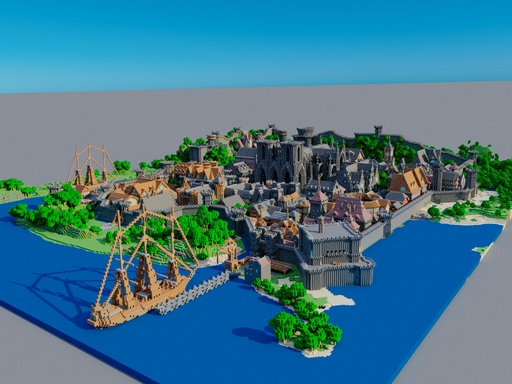
TinyObjloader可以成功加载6M三角形Rungholt场景。 http://casual-effects.com/data/index.html
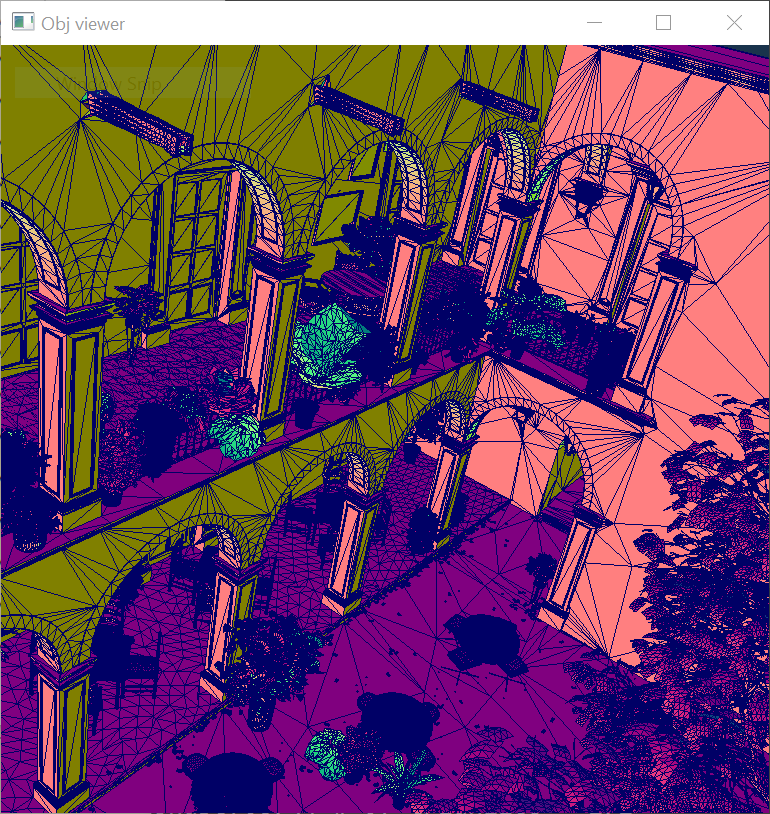
TinyObjLoader成功地用于...
TINYOBJLOADER_USE_DOUBLE多亏了双重精度支持。 -3D引擎与现代图形
python文件夹。f ) l ) p ) TinyObjLoader已获得MIT许可证的许可。
一种选择是简单地将标头文件复制到项目中,并确保精确定义一次TINYOBJLOADER_IMPLEMENTATION 。
尽管不是建议的方法,但您可以使用VCPKG依赖项管理器下载并安装TinyObjloader:
 git clone https://github.com/Microsoft/vcpkg.git
cd vcpkg
./bootstrap-vcpkg.sh
./vcpkg integrate install
./vcpkg install tinyobjloader
VCPKG中的TinyObjloader端口由Microsoft团队成员和社区贡献者保持最新状态。如果该版本已过时,请在VCPKG存储库上创建问题或拉出请求。
attrib_t包含顶点数据的单个和线性阵列(位置,正常和TexCoord)。
 attrib_t::vertices => 3 floats per vertex

       v[0]        v[1]        v[2]        v[3]               v[n-1]
  +-----------+-----------+-----------+-----------+      +-----------+
  | x | y | z | x | y | z | x | y | z | x | y | z | .... | x | y | z |
  +-----------+-----------+-----------+-----------+      +-----------+

attrib_t::normals => 3 floats per vertex

       n[0]        n[1]        n[2]        n[3]               n[n-1]
  +-----------+-----------+-----------+-----------+      +-----------+
  | x | y | z | x | y | z | x | y | z | x | y | z | .... | x | y | z |
  +-----------+-----------+-----------+-----------+      +-----------+

attrib_t::texcoords => 2 floats per vertex

       t[0]        t[1]        t[2]        t[3]               t[n-1]
  +-----------+-----------+-----------+-----------+      +-----------+
  |  u  |  v  |  u  |  v  |  u  |  v  |  u  |  v  | .... |  u  |  v  |
  +-----------+-----------+-----------+-----------+      +-----------+

attrib_t::colors => 3 floats per vertex(vertex color. optional)

       c[0]        c[1]        c[2]        c[3]               c[n-1]
  +-----------+-----------+-----------+-----------+      +-----------+
  | x | y | z | x | y | z | x | y | z | x | y | z | .... | x | y | z |
  +-----------+-----------+-----------+-----------+      +-----------+
每个shape_t::mesh_t不包含顶点数据,而是包含attrib_t数组索引。有关更多详细信息,请参见loader_example.cc 。
mesh_t::indices => array of vertex indices.

  +----+----+----+----+----+----+----+----+----+----+     +--------+
  | i0 | i1 | i2 | i3 | i4 | i5 | i6 | i7 | i8 | i9 | ... | i(n-1) |
  +----+----+----+----+----+----+----+----+----+----+     +--------+

Each index has an array index to attrib_t::vertices, attrib_t::normals and attrib_t::texcoords.

mesh_t::num_face_vertices => array of the number of vertices per face(e.g. 3 = triangle, 4 = quad , 5 or more = N-gons).


  +---+---+---+        +---+
  | 3 | 4 | 3 | ...... | 3 |
  +---+---+---+        +---+
    |   |   |            |
    |   |   |            +-----------------------------------------+
    |   |   |                                                      |
    |   |   +------------------------------+                       |
    |   |                                  |                       |
    |   +------------------+               |                       |
    |                      |               |                       |
    |/                     |/              |/                      |/

 mesh_t::indices

  |    face[0]   |       face[1]     |    face[2]   |     |      face[n-1]           |
  +----+----+----+----+----+----+----+----+----+----+     +--------+--------+--------+
  | i0 | i1 | i2 | i3 | i4 | i5 | i6 | i7 | i8 | i9 | ... | i(n-3) | i(n-2) | i(n-1) |
  +----+----+----+----+----+----+----+----+----+----+     +--------+--------+--------+
请注意,当tinyobj::LoadObj()参数中triangulate标志为true时, num_face_vertices都充满了3(三角形)。
现在,TinyObjloader使用real_t进行浮点数据类型。默认值为float(32bit) 。您可以使用TINYOBJLOADER_USE_DOUBLE define启用double(64bit)精度。
当您启用triangulation (默认值为默认值)时,TinyObjloader三角剖分多边形(带有4个或更多顶点的面部)。
内置的三角剖分代码可能在某些多边形形状下无法正常工作。
您可以使用mapbox/earcut.hpp定义TINYOBJLOADER_USE_MAPBOX_EARCUT 。这需要C ++ 11编译器。您需要将mapbox/earcut.hpp复制到您的项目。如果您的项目中有自己的mapbox/earcut.hpp文件,则可以定义TINYOBJLOADER_DONOT_INCLUDE_MAPBOX_EARCUT ,以便在tiny_obj_loader.h中不包含mapbox/earcut.hpp 。
# define TINYOBJLOADER_IMPLEMENTATION // define this in only *one* .cc
// Optional. define TINYOBJLOADER_USE_MAPBOX_EARCUT gives robust triangulation. Requires C++11
// #define TINYOBJLOADER_USE_MAPBOX_EARCUT
# include " tiny_obj_loader.h "

std::string inputfile = " cornell_box.obj " ;
tinyobj:: attrib_t attrib;
std::vector<tinyobj:: shape_t > shapes;
std::vector<tinyobj:: material_t > materials;

std::string warn;
std::string err;

bool ret = tinyobj::LoadObj(&attrib, &shapes, &materials, &warn, &err, inputfile.c_str());

if (!warn.empty()) {
  std::cout << warn << std::endl;
}

if (!err.empty()) {
  std::cerr << err << std::endl;
}

if (!ret) {
  exit ( 1 );
}

// Loop over shapes
for ( size_t s = 0 ; s < shapes.size(); s++) {
  // Loop over faces(polygon)
  size_t index_offset = 0 ;
  for ( size_t f = 0 ; f < shapes[s]. mesh . num_face_vertices . size (); f++) {
    size_t fv = size_t (shapes[s]. mesh . num_face_vertices [f]);

    // Loop over vertices in the face.
    for ( size_t v = 0 ; v < fv; v++) {
      // access to vertex
      tinyobj:: index_t idx = shapes[s]. mesh . indices [index_offset + v];

      tinyobj:: real_t vx = attrib. vertices [ 3 * size_t (idx. vertex_index )+ 0 ];
      tinyobj:: real_t vy = attrib. vertices [ 3 * size_t (idx. vertex_index )+ 1 ];
      tinyobj:: real_t vz = attrib. vertices [ 3 * size_t (idx. vertex_index )+ 2 ];

      // Check if `normal_index` is zero or positive. negative = no normal data
      if (idx. normal_index >= 0 ) {
        tinyobj:: real_t nx = attrib. normals [ 3 * size_t (idx. normal_index )+ 0 ];
        tinyobj:: real_t ny = attrib. normals [ 3 * size_t (idx. normal_index )+ 1 ];
        tinyobj:: real_t nz = attrib. normals [ 3 * size_t (idx. normal_index )+ 2 ];
      }

      // Check if `texcoord_index` is zero or positive. negative = no texcoord data
      if (idx. texcoord_index >= 0 ) {
        tinyobj:: real_t tx = attrib. texcoords [ 2 * size_t (idx. texcoord_index )+ 0 ];
        tinyobj:: real_t ty = attrib. texcoords [ 2 * size_t (idx. texcoord_index )+ 1 ];
      }
      // Optional: vertex colors
      // tinyobj::real_t red   = attrib.colors[3*size_t(idx.vertex_index)+0];
      // tinyobj::real_t green = attrib.colors[3*size_t(idx.vertex_index)+1];
      // tinyobj::real_t blue  = attrib.colors[3*size_t(idx.vertex_index)+2];
    }
    index_offset += fv;

    // per-face material
    shapes[s]. mesh . material_ids [f];
  }
}
# define TINYOBJLOADER_IMPLEMENTATION // define this in only *one* .cc
// Optional. define TINYOBJLOADER_USE_MAPBOX_EARCUT gives robust triangulation. Requires C++11
// #define TINYOBJLOADER_USE_MAPBOX_EARCUT
# include " tiny_obj_loader.h "


std::string inputfile = " cornell_box.obj " ;
tinyobj::ObjReaderConfig reader_config;
reader_config.mtl_search_path = " ./ " ; // Path to material files

tinyobj::ObjReader reader;

if (!reader.ParseFromFile(inputfile, reader_config)) {
  if (!reader. Error (). empty ()) {
      std::cerr << " TinyObjReader: " << reader. Error ();
  }
  exit ( 1 );
}

if (!reader.Warning().empty()) {
  std::cout << " TinyObjReader: " << reader. Warning ();
}

auto & attrib = reader.GetAttrib();
auto & shapes = reader.GetShapes();
auto & materials = reader.GetMaterials();

// Loop over shapes
for ( size_t s = 0 ; s < shapes.size(); s++) {
  // Loop over faces(polygon)
  size_t index_offset = 0 ;
  for ( size_t f = 0 ; f < shapes[s]. mesh . num_face_vertices . size (); f++) {
    size_t fv = size_t (shapes[s]. mesh . num_face_vertices [f]);

    // Loop over vertices in the face.
    for ( size_t v = 0 ; v < fv; v++) {
      // access to vertex
      tinyobj:: index_t idx = shapes[s]. mesh . indices [index_offset + v];
      tinyobj:: real_t vx = attrib. vertices [ 3 * size_t (idx. vertex_index )+ 0 ];
      tinyobj:: real_t vy = attrib. vertices [ 3 * size_t (idx. vertex_index )+ 1 ];
      tinyobj:: real_t vz = attrib. vertices [ 3 * size_t (idx. vertex_index )+ 2 ];

      // Check if `normal_index` is zero or positive. negative = no normal data
      if (idx. normal_index >= 0 ) {
        tinyobj:: real_t nx = attrib. normals [ 3 * size_t (idx. normal_index )+ 0 ];
        tinyobj:: real_t ny = attrib. normals [ 3 * size_t (idx. normal_index )+ 1 ];
        tinyobj:: real_t nz = attrib. normals [ 3 * size_t (idx. normal_index )+ 2 ];
      }

      // Check if `texcoord_index` is zero or positive. negative = no texcoord data
      if (idx. texcoord_index >= 0 ) {
        tinyobj:: real_t tx = attrib. texcoords [ 2 * size_t (idx. texcoord_index )+ 0 ];
        tinyobj:: real_t ty = attrib. texcoords [ 2 * size_t (idx. texcoord_index )+ 1 ];
      }

      // Optional: vertex colors
      // tinyobj::real_t red   = attrib.colors[3*size_t(idx.vertex_index)+0];
      // tinyobj::real_t green = attrib.colors[3*size_t(idx.vertex_index)+1];
      // tinyobj::real_t blue  = attrib.colors[3*size_t(idx.vertex_index)+2];
    }
    index_offset += fv;

    // per-face material
    shapes[s]. mesh . material_ids [f];
  }
}
优化的多线程.OBJ加载器可在experimental/目录上获得。如果您希望绝对性能加载.OBJ数据,则此优化的加载程序将适合您的目的。请注意,优化的加载程序使用C ++ 11线程,并且会进行更少的错误检查,但可能起作用大多数.OBJ数据。
这是一些基准结果。时间在MacBook 12(2016年初,M5 1.2GHz)上进行测量。
$ python -m pip install tinyobjloader
请参阅python/sample.py,例如使用python tinyobjloader的python结合。
每个GIT标签事件的CibuildWheels + Twine上传均在GitHub Action和Cirrus CI(ARM构建)中处理。
black应用于Python文件( python/sample.py )release 。确认CI构建还可以。v开头(例如v2.1.0 )git push --tags单位测试在tests目录中提供。有关详细信息,请参见tests/README.md 。