tinyobjloader
v1.0.6

ملف Wavefront Wavefront OBJ صغير ولكنه قوي مكتوب في C ++ 03. لا تبعية باستثناء C ++ STL. يمكن أن يحلل أكثر من 10 أمتار من المضلعات مع ذاكرة معتدلة ووقت.
tinyobjloader مفيد للتضمين .OBJ Loader على العارض (الإضاءة العالمية) ؛-)
إذا كنت تبحث عن إصدار C99 ، فيرجى الاطلاع على https://github.com/syoyo/tinyobjloader-c.
نوصي باستخدام الفرع master ( main ). مرشح الإصدار V2.0. أصبحت معظم الميزات الآن قوية ومستقرة (المهمة المتبقية للإصدار V2.0 هي تلميع C ++ و Python API ، وإصلاح رمز التثليث المدمج).
لقد أصدرنا إصدارًا جديدًا v1.0.0 في 20 أغسطس ، 2016. الإصدار القديم متاح كفرع v0.9.x
python . انظر أيضًا https://pypi.org/project/tinyobjloader/) يتوفر الإصدار القديم السابق في فرع v0.9.x
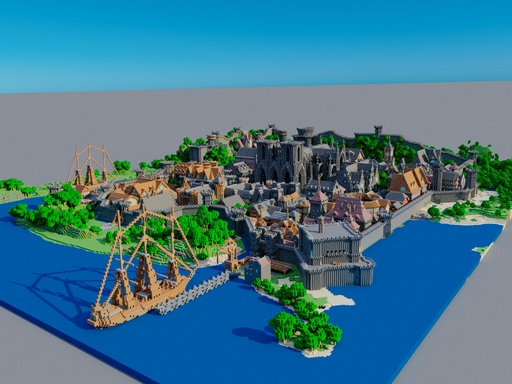
يمكن لـ TinyObjLoader تحميل مشهد Rungholt 6M بنجاح. http://casual-effects.com/data/index.html
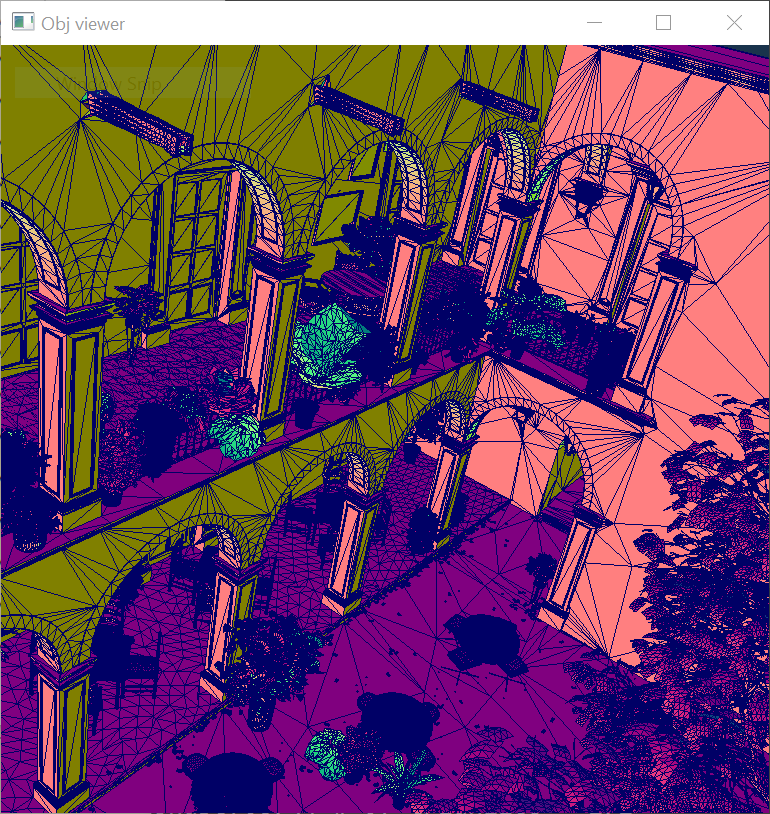
يتم استخدام TinyObjloader بنجاح في ...
TINYOBJLOADER_USE_DOUBLE بفضل Noma - محرك ثلاثي الأبعاد مع رسومات حديثة
python .f ) l ) p ) TinyObjLoader مرخصة بموجب ترخيص معهد ماساتشوستس للتكنولوجيا.
أحد الخيارات هو ببساطة نسخ ملف الرأس في مشروعك والتأكد من تعريف TINYOBJLOADER_IMPLEMENTATION مرة واحدة بالضبط.
على الرغم من أنها ليست طريقة موصى بها ، يمكنك تنزيل وتثبيت TinyObjLoader باستخدام مدير التبعية VCPKG:
 git clone https://github.com/Microsoft/vcpkg.git
cd vcpkg
./bootstrap-vcpkg.sh
./vcpkg integrate install
./vcpkg install tinyobjloader
يتم الاحتفاظ بمنفذ TinyObjLoader في VCPKG من قبل أعضاء فريق Microsoft والمساهمين في المجتمع. إذا كان الإصدار قديمًا ، فيرجى إنشاء مشكلة أو سحب طلب على مستودع VCPKG.
يحتوي attrib_t على مجموعة واحدة وخطية من بيانات قمة الرأس (الموضع ، العادي و Texcoord).
 attrib_t::vertices => 3 floats per vertex

       v[0]        v[1]        v[2]        v[3]               v[n-1]
  +-----------+-----------+-----------+-----------+      +-----------+
  | x | y | z | x | y | z | x | y | z | x | y | z | .... | x | y | z |
  +-----------+-----------+-----------+-----------+      +-----------+

attrib_t::normals => 3 floats per vertex

       n[0]        n[1]        n[2]        n[3]               n[n-1]
  +-----------+-----------+-----------+-----------+      +-----------+
  | x | y | z | x | y | z | x | y | z | x | y | z | .... | x | y | z |
  +-----------+-----------+-----------+-----------+      +-----------+

attrib_t::texcoords => 2 floats per vertex

       t[0]        t[1]        t[2]        t[3]               t[n-1]
  +-----------+-----------+-----------+-----------+      +-----------+
  |  u  |  v  |  u  |  v  |  u  |  v  |  u  |  v  | .... |  u  |  v  |
  +-----------+-----------+-----------+-----------+      +-----------+

attrib_t::colors => 3 floats per vertex(vertex color. optional)

       c[0]        c[1]        c[2]        c[3]               c[n-1]
  +-----------+-----------+-----------+-----------+      +-----------+
  | x | y | z | x | y | z | x | y | z | x | y | z | .... | x | y | z |
  +-----------+-----------+-----------+-----------+      +-----------+
لا يحتوي كل shape_t::mesh_t على بيانات قمة الرأس ولكنه يحتوي على فهرس صفيف إلى attrib_t . انظر loader_example.cc لمزيد من التفاصيل.
mesh_t::indices => array of vertex indices.

  +----+----+----+----+----+----+----+----+----+----+     +--------+
  | i0 | i1 | i2 | i3 | i4 | i5 | i6 | i7 | i8 | i9 | ... | i(n-1) |
  +----+----+----+----+----+----+----+----+----+----+     +--------+

Each index has an array index to attrib_t::vertices, attrib_t::normals and attrib_t::texcoords.

mesh_t::num_face_vertices => array of the number of vertices per face(e.g. 3 = triangle, 4 = quad , 5 or more = N-gons).


  +---+---+---+        +---+
  | 3 | 4 | 3 | ...... | 3 |
  +---+---+---+        +---+
    |   |   |            |
    |   |   |            +-----------------------------------------+
    |   |   |                                                      |
    |   |   +------------------------------+                       |
    |   |                                  |                       |
    |   +------------------+               |                       |
    |                      |               |                       |
    |/                     |/              |/                      |/

 mesh_t::indices

  |    face[0]   |       face[1]     |    face[2]   |     |      face[n-1]           |
  +----+----+----+----+----+----+----+----+----+----+     +--------+--------+--------+
  | i0 | i1 | i2 | i3 | i4 | i5 | i6 | i7 | i8 | i9 | ... | i(n-3) | i(n-2) | i(n-1) |
  +----+----+----+----+----+----+----+----+----+----+     +--------+--------+--------+
لاحظ أنه عندما تكون العلم triangulate صحيحًا في tinyobj::LoadObj() ، يتم ملء num_face_vertices مع 3 (مثلث).
TinyObjLoader استخدم الآن real_t لنوع بيانات النقطة العائمة. الافتراضي هو float(32bit) . يمكنك تمكين الدقة double(64bit) باستخدام تعريف TINYOBJLOADER_USE_DOUBLE .
عند تمكين triangulation (يتم تمكين الافتراضي) ، فإن مضلعات TinyObjloader الثلاثي (الوجوه مع 4 رؤوس أو أكثر).
قد لا يعمل رمز التثليث المدمج بشكل جيد في شكل مضلع.
يمكنك تحديد TINYOBJLOADER_USE_MAPBOX_EARCUT لتثليث قوي باستخدام mapbox/earcut.hpp . هذا يتطلب برنامج التحويل البرمجي C ++ 11 رغم ذلك. وتحتاج إلى نسخ mapbox/earcut.hpp إلى مشروعك. إذا كان لديك ملف mapbox/earcut.hpp الخاص بك في مشروعك ، فيمكنك تحديد TINYOBJLOADER_DONOT_INCLUDE_MAPBOX_EARCUT بحيث لا يتم تضمين mapbox/earcut.hpp داخل tiny_obj_loader.h .
# define TINYOBJLOADER_IMPLEMENTATION // define this in only *one* .cc
// Optional. define TINYOBJLOADER_USE_MAPBOX_EARCUT gives robust triangulation. Requires C++11
// #define TINYOBJLOADER_USE_MAPBOX_EARCUT
# include " tiny_obj_loader.h "

std::string inputfile = " cornell_box.obj " ;
tinyobj:: attrib_t attrib;
std::vector<tinyobj:: shape_t > shapes;
std::vector<tinyobj:: material_t > materials;

std::string warn;
std::string err;

bool ret = tinyobj::LoadObj(&attrib, &shapes, &materials, &warn, &err, inputfile.c_str());

if (!warn.empty()) {
  std::cout << warn << std::endl;
}

if (!err.empty()) {
  std::cerr << err << std::endl;
}

if (!ret) {
  exit ( 1 );
}

// Loop over shapes
for ( size_t s = 0 ; s < shapes.size(); s++) {
  // Loop over faces(polygon)
  size_t index_offset = 0 ;
  for ( size_t f = 0 ; f < shapes[s]. mesh . num_face_vertices . size (); f++) {
    size_t fv = size_t (shapes[s]. mesh . num_face_vertices [f]);

    // Loop over vertices in the face.
    for ( size_t v = 0 ; v < fv; v++) {
      // access to vertex
      tinyobj:: index_t idx = shapes[s]. mesh . indices [index_offset + v];

      tinyobj:: real_t vx = attrib. vertices [ 3 * size_t (idx. vertex_index )+ 0 ];
      tinyobj:: real_t vy = attrib. vertices [ 3 * size_t (idx. vertex_index )+ 1 ];
      tinyobj:: real_t vz = attrib. vertices [ 3 * size_t (idx. vertex_index )+ 2 ];

      // Check if `normal_index` is zero or positive. negative = no normal data
      if (idx. normal_index >= 0 ) {
        tinyobj:: real_t nx = attrib. normals [ 3 * size_t (idx. normal_index )+ 0 ];
        tinyobj:: real_t ny = attrib. normals [ 3 * size_t (idx. normal_index )+ 1 ];
        tinyobj:: real_t nz = attrib. normals [ 3 * size_t (idx. normal_index )+ 2 ];
      }

      // Check if `texcoord_index` is zero or positive. negative = no texcoord data
      if (idx. texcoord_index >= 0 ) {
        tinyobj:: real_t tx = attrib. texcoords [ 2 * size_t (idx. texcoord_index )+ 0 ];
        tinyobj:: real_t ty = attrib. texcoords [ 2 * size_t (idx. texcoord_index )+ 1 ];
      }
      // Optional: vertex colors
      // tinyobj::real_t red   = attrib.colors[3*size_t(idx.vertex_index)+0];
      // tinyobj::real_t green = attrib.colors[3*size_t(idx.vertex_index)+1];
      // tinyobj::real_t blue  = attrib.colors[3*size_t(idx.vertex_index)+2];
    }
    index_offset += fv;

    // per-face material
    shapes[s]. mesh . material_ids [f];
  }
}
# define TINYOBJLOADER_IMPLEMENTATION // define this in only *one* .cc
// Optional. define TINYOBJLOADER_USE_MAPBOX_EARCUT gives robust triangulation. Requires C++11
// #define TINYOBJLOADER_USE_MAPBOX_EARCUT
# include " tiny_obj_loader.h "


std::string inputfile = " cornell_box.obj " ;
tinyobj::ObjReaderConfig reader_config;
reader_config.mtl_search_path = " ./ " ; // Path to material files

tinyobj::ObjReader reader;

if (!reader.ParseFromFile(inputfile, reader_config)) {
  if (!reader. Error (). empty ()) {
      std::cerr << " TinyObjReader: " << reader. Error ();
  }
  exit ( 1 );
}

if (!reader.Warning().empty()) {
  std::cout << " TinyObjReader: " << reader. Warning ();
}

auto & attrib = reader.GetAttrib();
auto & shapes = reader.GetShapes();
auto & materials = reader.GetMaterials();

// Loop over shapes
for ( size_t s = 0 ; s < shapes.size(); s++) {
  // Loop over faces(polygon)
  size_t index_offset = 0 ;
  for ( size_t f = 0 ; f < shapes[s]. mesh . num_face_vertices . size (); f++) {
    size_t fv = size_t (shapes[s]. mesh . num_face_vertices [f]);

    // Loop over vertices in the face.
    for ( size_t v = 0 ; v < fv; v++) {
      // access to vertex
      tinyobj:: index_t idx = shapes[s]. mesh . indices [index_offset + v];
      tinyobj:: real_t vx = attrib. vertices [ 3 * size_t (idx. vertex_index )+ 0 ];
      tinyobj:: real_t vy = attrib. vertices [ 3 * size_t (idx. vertex_index )+ 1 ];
      tinyobj:: real_t vz = attrib. vertices [ 3 * size_t (idx. vertex_index )+ 2 ];

      // Check if `normal_index` is zero or positive. negative = no normal data
      if (idx. normal_index >= 0 ) {
        tinyobj:: real_t nx = attrib. normals [ 3 * size_t (idx. normal_index )+ 0 ];
        tinyobj:: real_t ny = attrib. normals [ 3 * size_t (idx. normal_index )+ 1 ];
        tinyobj:: real_t nz = attrib. normals [ 3 * size_t (idx. normal_index )+ 2 ];
      }

      // Check if `texcoord_index` is zero or positive. negative = no texcoord data
      if (idx. texcoord_index >= 0 ) {
        tinyobj:: real_t tx = attrib. texcoords [ 2 * size_t (idx. texcoord_index )+ 0 ];
        tinyobj:: real_t ty = attrib. texcoords [ 2 * size_t (idx. texcoord_index )+ 1 ];
      }

      // Optional: vertex colors
      // tinyobj::real_t red   = attrib.colors[3*size_t(idx.vertex_index)+0];
      // tinyobj::real_t green = attrib.colors[3*size_t(idx.vertex_index)+1];
      // tinyobj::real_t blue  = attrib.colors[3*size_t(idx.vertex_index)+2];
    }
    index_offset += fv;

    // per-face material
    shapes[s]. mesh . material_ids [f];
  }
}
المحمل المحسن متعدد الخيوط. OBJ متاح في experimental/ الدليل. إذا كنت ترغب في تحميل الأداء المطلق. OBJ ، فإن هذا المحمل الأمثل سوف يناسب هدفك. لاحظ أن المحمل المحسن يستخدم مؤشر ترابط C ++ 11 وأنه يقوم بفحص خطأ أقل ولكنه قد يعمل معظم بيانات .OBJ.
هنا بعض النتيجة القياسية. يتم قياس الوقت على MacBook 12 (أوائل عام 2016 ، Core M5 1.2Ghz).
$ python -m pip install tinyobjloader
انظر python/sample.py على سبيل المثال استخدام الربط python من tinyobjloader.
يتم التعامل مع CibuildWheels + تحميل خيوط لكل حدث وضع علامات Git في إجراءات GitHub و Cirrus CI (بنية ARM).
black على Python ( python/sample.py )release . تأكيد بناء CI على ما يرام.v (على سبيل المثال v2.1.0 )git push --tags يتم توفير اختبارات الوحدة في دليل tests . انظر tests/README.md للحصول على التفاصيل.