
The New York Times technical union recently announced a strike in order to fight for better salary and working conditions, which attracted widespread attention on the eve of the presidential election. The core demand for the strike is an average annual salary increase of 2.5% and guarantees work in the office two days a week. The union said that after many unsuccessful negotiations, it chose to strike to fight for its own rights. This move not only directly affected the daily operations of the New York Times, but also triggered social discussions about labor-management relations and the intervention of artificial intelligence companies.
The New York Times (NYT) Technical Union recently announced a strike, protesting the company's failure to meet its demands, including an average annual salary increase of 2.5% and consolidating office work requirements for two days a week. The union said that after many negotiations failed, they had no choice but to show their strength through strikes.
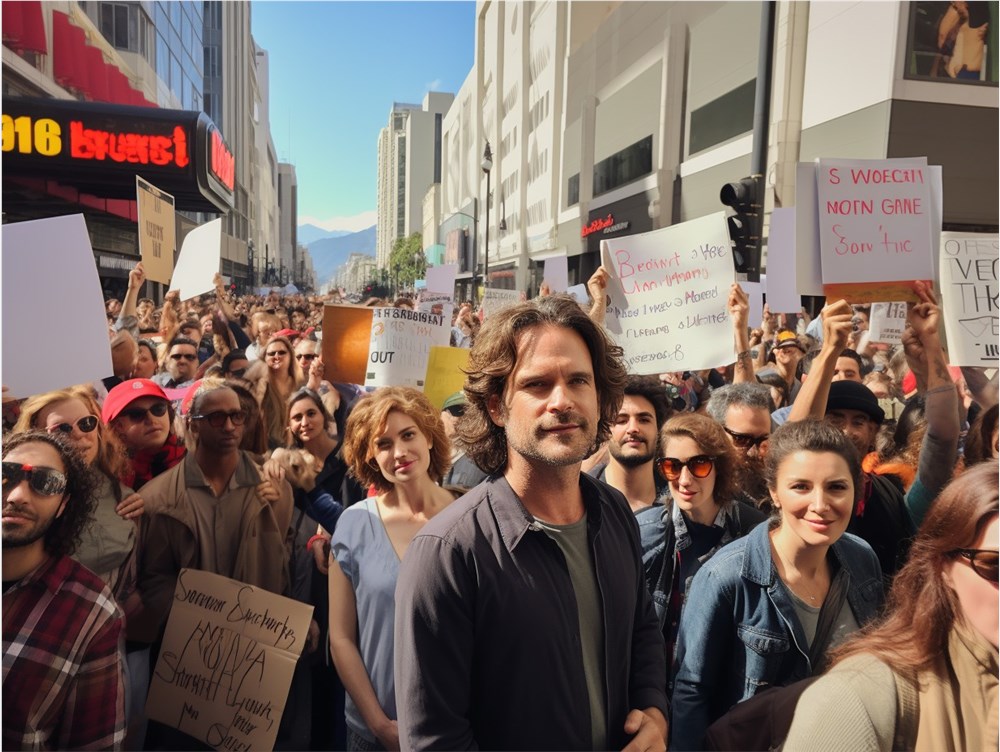
NYT publisher AG Sulzberg expressed concern about the strike, especially two days before the U.S. presidential election, noting that hundreds of millions of readers need to rely on New York Times' reports on Election Day and beyond. It seems inappropriate for the union to choose to strike at this critical moment.
During the protests by union members, Perplexity CEO Alavind Srinivas posted a controversial proposal on social media, saying he was willing to provide services to help NYT ensure coverage during the election is normal. His remarks have attracted widespread attention and discussion, with many accusing him of acting as a "substitute", an act that is widely regarded as immoral and may weaken the workers' ability to fight and negotiate.
Srinivas responded to Surzberg on social platforms, saying Perplexity can provide technical support at any time to ensure information can be kept open on high-traffic Election Day. However, this proposal was considered by strikers as a direct challenge to their work, as they are the employees responsible for these technical support efforts.
Although Srinivas tried to explain that his proposal was not to replace human work with AI, this statement did not calm the public's opposition. Many believe that Perplexity’s intervention may further exacerbate the conflicts within the NYT and make the union’s stance stronger.
In addition, Perplexity and NYT have already had a very tense relationship, which sent the company a letter to stop infringement last month accusing it of unauthorized crawling NYT’s articles for its use for its AI model. When facing the media, Srinivas did not give a clear explanation of the term "plagiarism", further deepening the outside world's concerns about the relationship between the two sides.
Now, as the strike continues, the conflict between the two sides seems to be becoming increasingly acute, and future developments are attracting much attention.
Key points:
NYT technicians announced a strike because the company did not meet the requirements.
The Perplexity CEO's proposal to provide services has sparked public criticism of him acting as a "substitute".
NYT has a tense relationship with Perplexity and blames each other for infringement.
The New York Times strike not only reflects the contradiction between wages and working conditions between labor and capital, but also highlights the complexity and ethical issues of artificial intelligence companies' intervention in labor disputes. The subsequent development of the incident deserves continuous attention, and the results will have a profound impact on the media industry and even other industries.