Plants_Diseases_Detection
1.0.0

This repo is for detecting plant diseases using deep learning. Plants provide over 80% of the food consumed by humans and are the primary source of nutrition for livestock. However, 1.3 billion tons every year of food are wasted, and there are 800 million hungry people around the world. Food waste is a huge source of greenhouse emissions and wasted natural resources. Thus, this project is to help reduce these numbers and secure more food for those hungry people at zero.
Introduction
Plants provide over 80% of the food consumed by humans and are the primary source of nutrition for livestock. However, 1.3 billion tons every year of food are wasted, and there are 800 million hungry people around the world. Food waste is a huge source of greenhouse emissions and wasted natural resources. As an entrepreneur who owns a startup called DeepInsights, I thought about why I am not inventing a solution to help out the farmers in my country and gradually reduce the issue of food insecurity all over the world. So, I came up with this idea, which is not only a solution, but also has humanitarian reasons by helping poor farmers improve their lives through reducing the wasted crops and securing more food for those hungry people all over the world with affordable solutions.
Background
According to the FAO (Food and Agriculture Organization-UN) report, which mentioned there are 40% of crops annually wasted globally due to plant diseases issue, which is worth more than 70 billion dollars. In my country and other African countries this percentage reached more than 75% of food due to lack of knowledge from the farmers of plant diseases and how to deal with it. Therefore, I designed a strategic, innovative cloud based and customer focused digital transformation projects-Plants disease Detection: Conceptualized the digital ‘Book, Track and Manage’ product for field plants disease detection. Assessed customer needs, analyzed insights, developed a roadmap and prototype which led to a successful MVP (minimum viable product) within 2 month (against a 9-month estimate), resulting in the project got accepted by three Canadian government accelerator’s program (Empoweredstartups, Pacific Technology Ventures, Planet Hatch) and projected over $150M in annual savings.
My case study
As we know, plant diseases differ from area to area, so I will focus this solution on detecting plant diseases in Africa Sudan as an example. The solution will not only help farmers detect these diseases, but also suggest suitable treatment with the most effective, affordable product, which is available in their country. Therefore, by using this smart solution farmers will reduce the waste of crops as a result of lack of knowledge. Moreover, there is a unique feature about this solution, which will be available in their native language. This project aligns with the United Nations Sustainable Development Goals (SDGs), which stated that Food security is a crucial aspect of human health and one of the pillars. The UN definition of food security identified four key pillars:
So, plant diseases and pests influence the availability and safety of plants for human and animal consumption.
What makes this solution unique are?
This solution builds on many phases until it reaches the ultimate goal, which is to decrease the global percentage of food waste because of plant diseases. Therefore, the first phase focused on the African corps because the food percentage of wasted food reached more than 80%. According to the UN, about 21% of people on the continent suffered from hunger in 2020, a total of 282 million people.
First Phase
The first phase of this project is to focus on the African strategic and economic corps, the reason why focus on Africa is that Africa has more hungry people than other continents. Moreover, African countries' economies depend on agriculture as the main source of income. For instance, Sudan has grazing land of between 120 million and 150 million hectares, and agricultural products represent between 75-80% of exports. This percentage is the normal situation, but unfortunately, due to plant diseases not reaching this percentage.
Second Phase
The second phase of this project will allow the solution to analyze many plants leaves from one pictures take it from the mobile app to save farmers time and efforts specifically in the big agriculture land in case the farmer does not want to use a drone. So as in the below the expected analysis of the diseases will be.
Phase Three
Phase three will contains below features:
Target plants
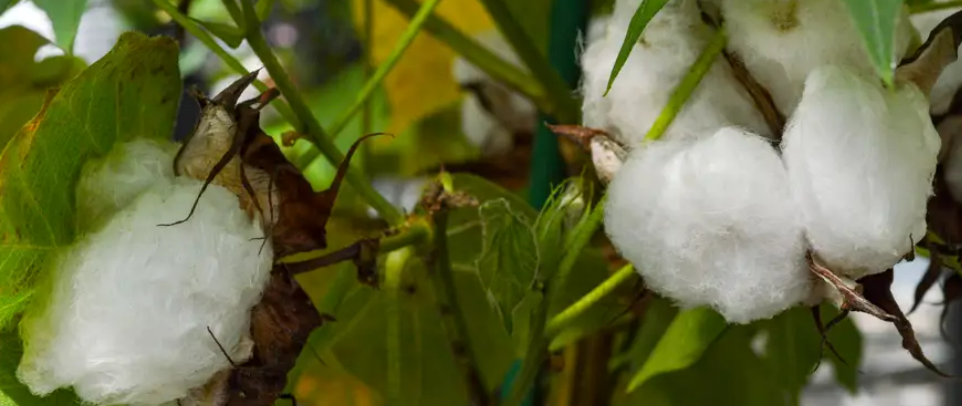
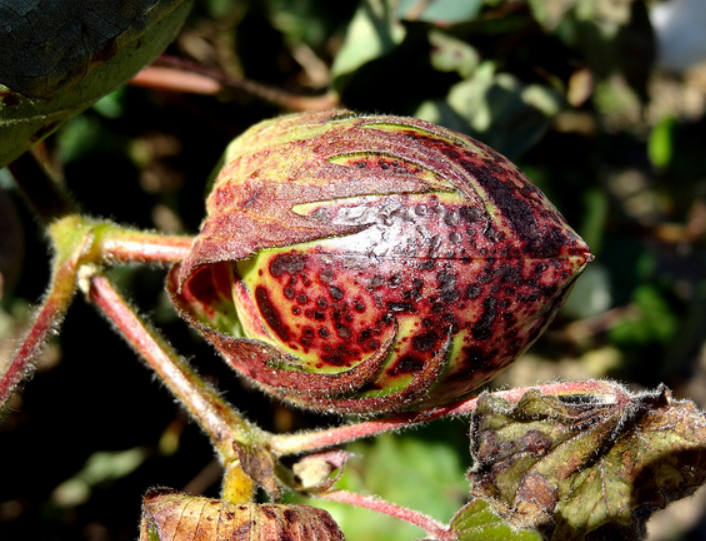
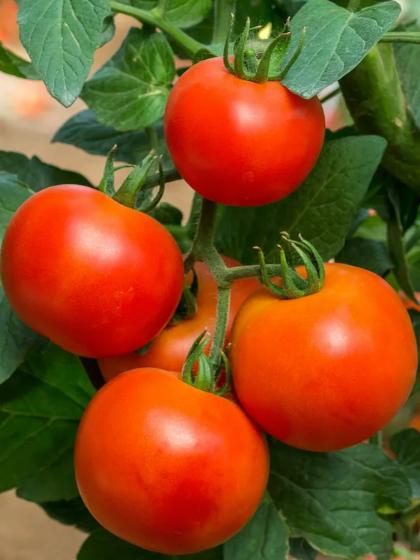
Below example of one of those plants that show the healthy and unhealthy of the plant
Cotton
Healthy plant
Unhealthy plant
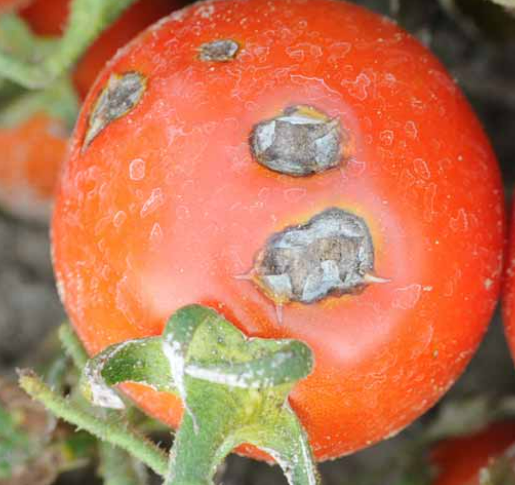
Tomato
Healthy plant
Unhealthy plant
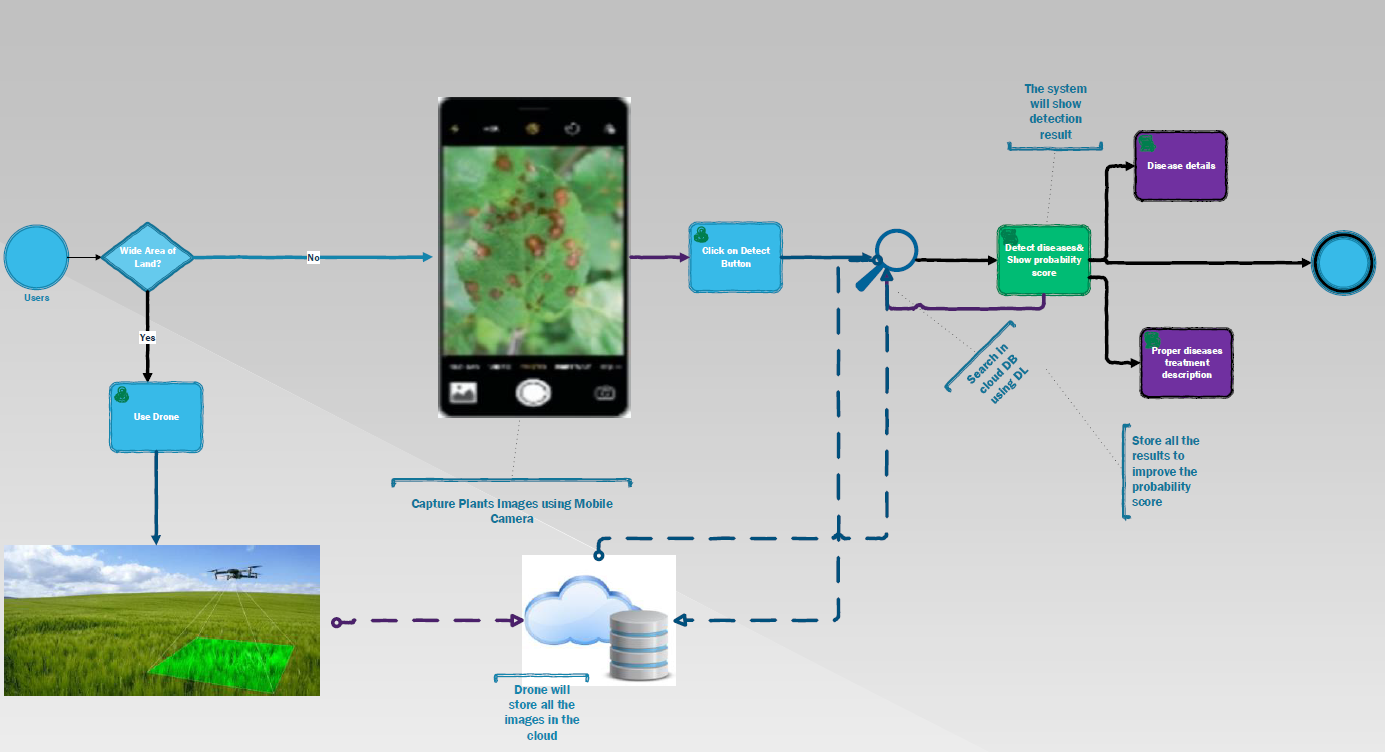
Solution architecture
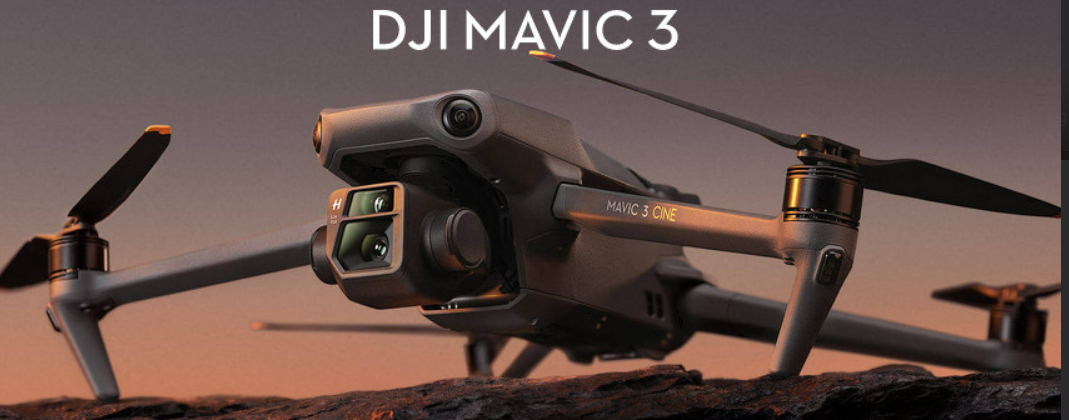
Tools &Technology
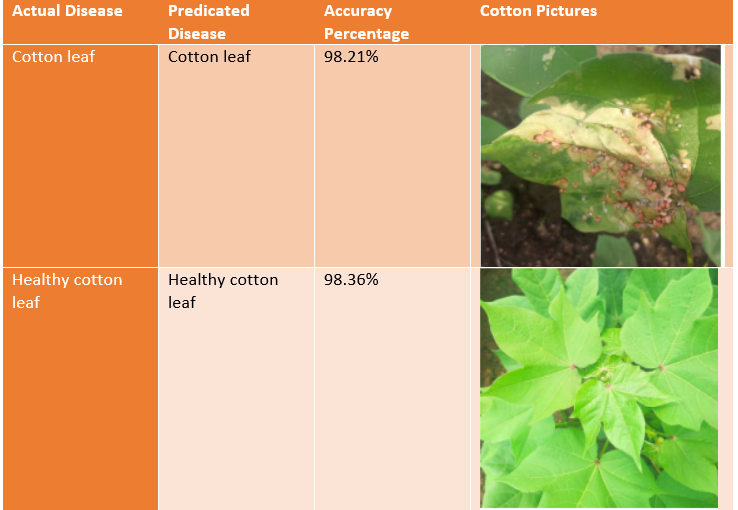
Model Result
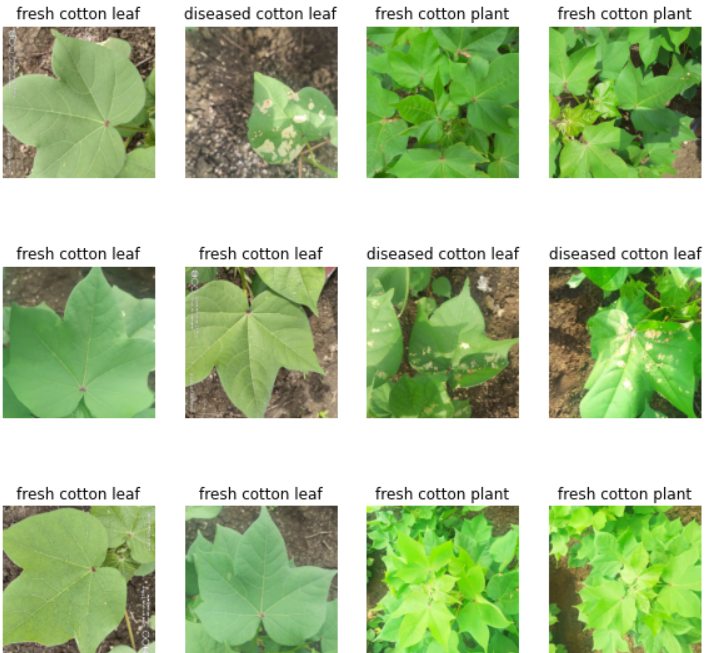
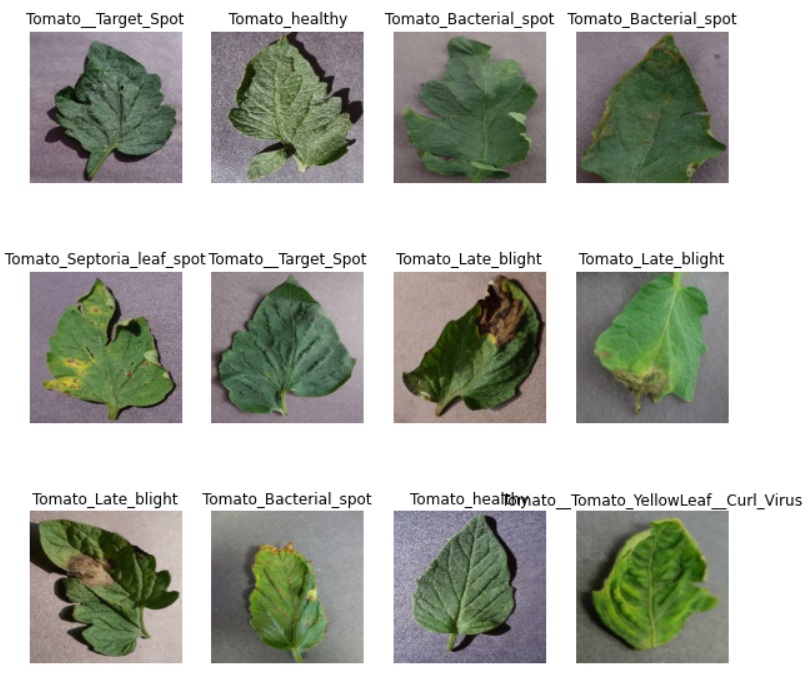
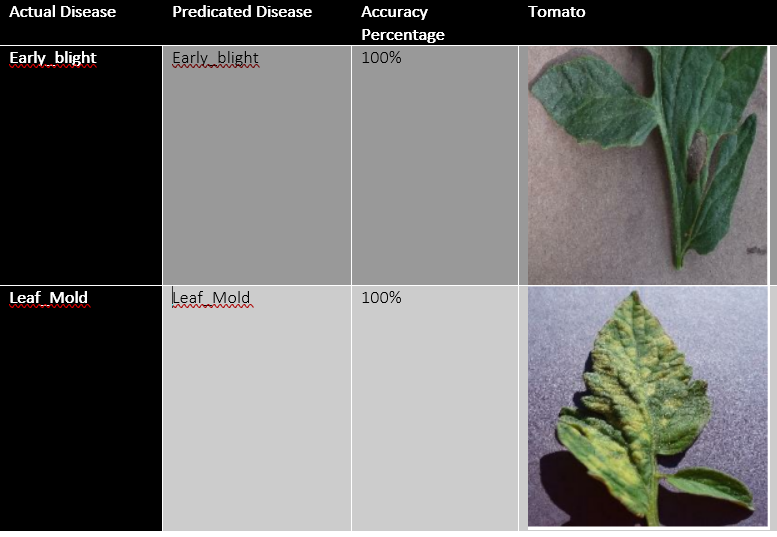
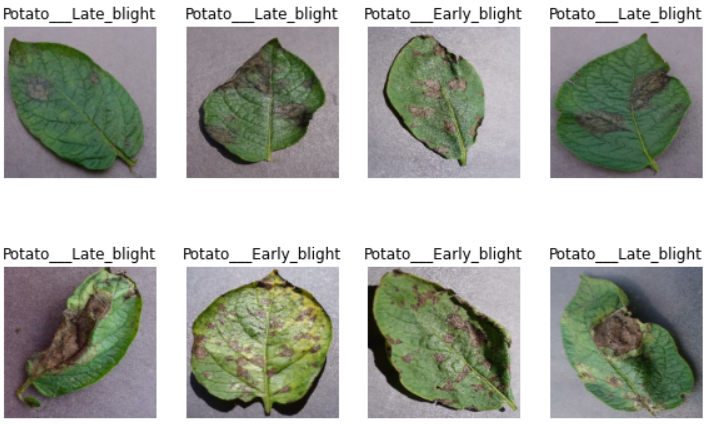
Below is a result of the model detecting successfully plant diseases
Cotton
Tomato
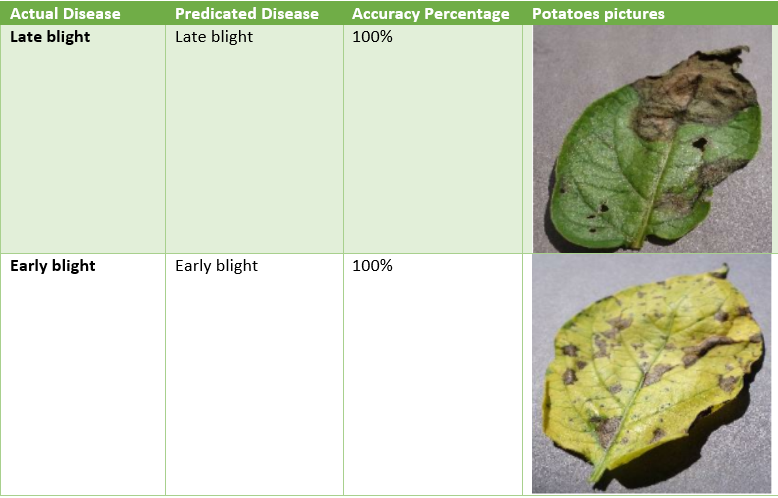
Potato
Solution Website
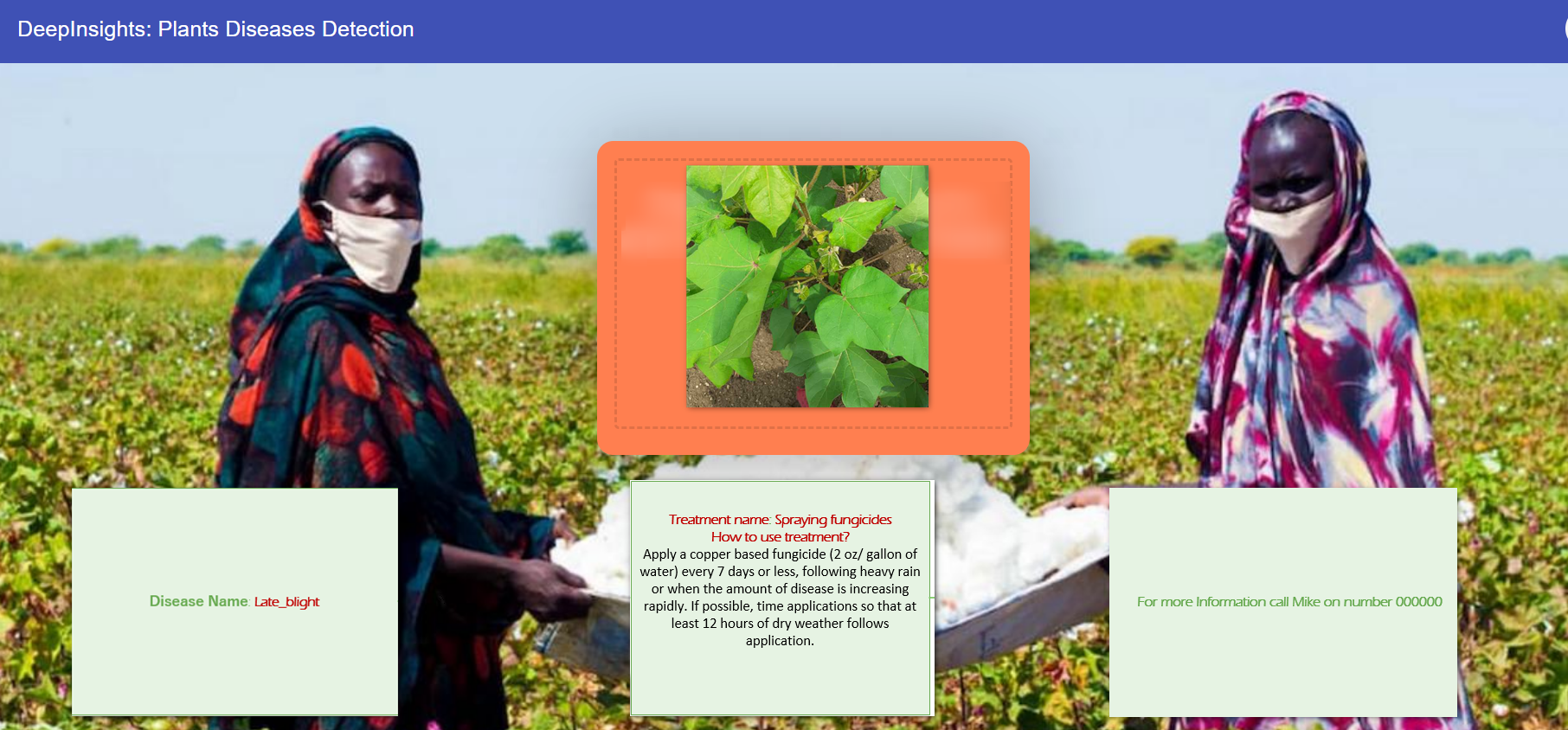
As we can see below the solution providing the
**Solution Mobile App
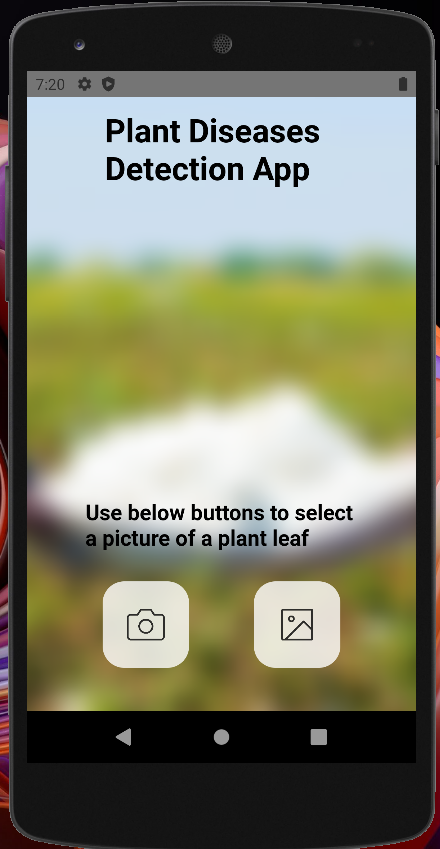
Next Step
Wheat
Importance of wheat in people life
Nobody can deny the importance of wheat as the most important plant for world food because It is the most widely cultivated crop in the world, cultivated on 217 million ha annually. Wheat now supplies a fifth of food calories and protein to the world’s population according to many studies, so clrearly there is continued urgency to enhance wheat productivity to ensure global food security given continued global population growth. Due to the war in Ukraine and because Ukraine consider is one of the biggest producer of wheat production the price of wheat has jumped on international markets after India banned the export of the staple cereal. In my view, the solution to such crises is focus of reduce the waste of wheat as a results of diseases, therefore, my research will has a great impact in this area.
Wheat diseases
There are many disease that wheat plant suffered from, below are some of them:
Below are example of showing by pictures healthy and unhealty wheat plant
healthy
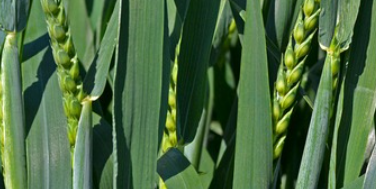
Unhealthy
This suffered from Rust dieases
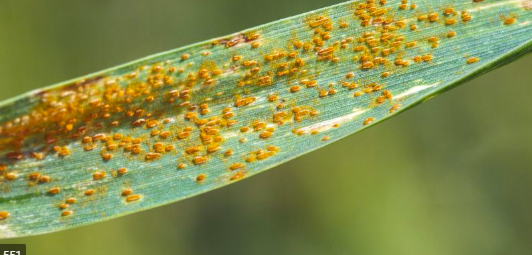
Wheat diseases by Picture
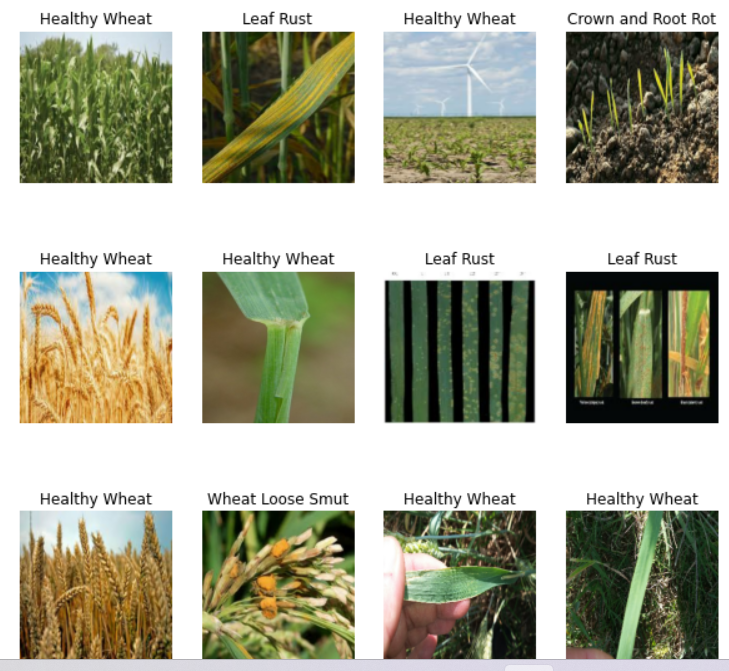
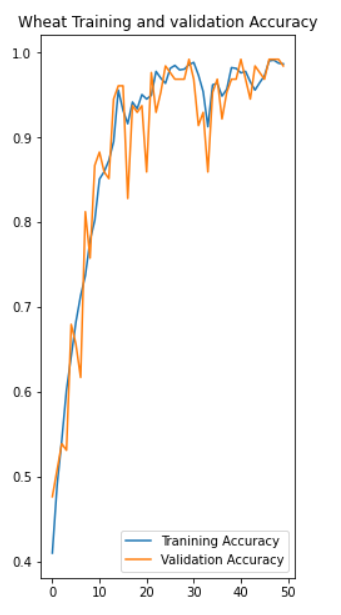
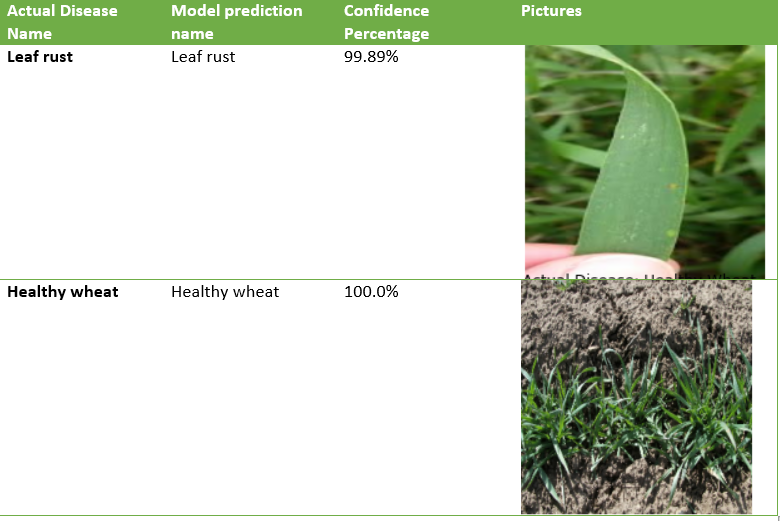
Wheat Model Result