baichuan Qlora Tuning
1.0.0

Based on qlora, the instructions are fine-tuned to the baichuan-7B big model.
 mpi4py
transformers == 4.28 . 1
peft == 0.3 . 0
icetk
deepspeed == 0.9 . 2
accelerate
cpm_kernels
sentencepiece == 0.1 . 99
peft = 0.3 . 0
torch = 2.0 . 0
The latest version is OK.
 --data
----msra
------train.txt
------eval.txt
--checkpoint
----baichuan
------adapter_model
--model_hub
----baichuan-7B
--baichuan_qlora.py  # 训练
--dataset.py  # 处理数据
--predict.py  # 交互式闲聊
--test_baichuan.py  # 测试baichuan模型
--train.log  # 训练日志
The data formats in train.txt and eval.txt are the same, and each behavior is a sample, which is specifically:
{ "instruct" : "你现在是一个实体识别模型,你需要提取文本里面的人名、地名、机构名,如果存在结果,返回'实体_实体类型',不同实体间用n分隔。如果没有结果,回答'没有'。" , "query" : "文本:因有关日寇在京掠夺文物详情,藏界较为重视,也是我们收藏北京史料中的要件之一。" , "answer" : "日_地名n京_地名n北京_地名" }Instruct is the instruction, query is the text, and answer is the result. It can be constructed by itself based on your own data.
The names of these three columns can be defined in baichuan_qlora.py.
Go to the hugging face to download the relevant files of baichuan-7B to model_hub/baichuan-7B. After the download is completed, you can use python test_baichuan.pt to test the model. After building the dataset, run it directly:
python baichaun_qlora . py After the training is completed, you can use the following instructions to make predictions:
python predict . py - - model_name "baichuan" - - base_model "./model_hub/baichuan-7B" - - tokenizer_path "./model_hub/baichuan-7B" - - lora_model "./checkpoint/baichuan/adapter_model" - - with_prompt - - interactivePrediction results:
加载模型耗时: 0.6068947672843933分钟
loading peft model
Start inference with instruction mode .
== == == == == == == == == == == == == == == == == == == == == == == == == == == == == == == == == == == == == == == == == == =
+ 当前使用的模型是: baichuan
- - - - - - - - - - - - - - - - - - - - - - - - - - - - - - - - - - - - - - - - - - - - - - - - - - - - - - - - - - - - - - - - - - - - - - - - - - - - - - - - - - - - -
+ 该模式下仅支持单轮问答,无多轮对话能力。
== == == == == == == == == == == == == == == == == == == == == == == == == == == == == == == == == == == == == == == == == == =
Input :你现在是一个实体识别模型,你需要提取文本里面的人名、地名、机构名,如果存在结果,返回'实体_实体类型' ,不同实体间用n分隔。如果没有结果,回答'没有' 。文本:我们是受到郑振铎先生、阿英先生著作的启示,从个人条件出发,瞄准现代出版史研究的空白,重点集藏解放区、国民党毁禁出版物。
Response :  郑振铎_人名
阿英_人名


Input :你现在是一个实体识别模型,你需要提取文本里面的人名、地名、机构名,如果存在结果,返回'实体_实体类型' ,不同实体间用n分隔。如果没有结果,回答'没有' 。文本:藏书家、作家姜德明先生在1997年出版的书话专集《文林枝叶》中以“爱书的朋友”为题,详细介绍了我们夫妇的藏品及三口之家以书为友、好乐清贫的逸闻趣事。
Response :  姜德明_人名


Input :你现在是一个实体识别模型,你需要提取文本里面的人名、地名、机构名,如果存在结果,返回'实体_实体类型' ,不同实体间用n分隔。如果没有结果,回答'没有' 。文本:去年,我们又被评为“北京市首届家庭藏书状元明星户”。
Response :  北京_地名
It has certain effects, but is not very good. It may require adjustment of parameters and training for longer time.
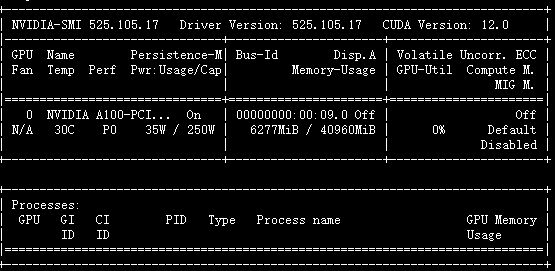
Predicted video memory:
https://github.com/wp931120/baichuan_sft_lora
https://github.com/baichuan-inc/baichuan-7B
https://github.com/artidoro/qlora/
https://github.com/taishan1994/qlora-chinese-LLM







