
Recently, Christie's, a world-renowned auction house, held an art auction with the theme of artificial intelligence (AI), called "Augmented Intelligence". The auction not only attracted the attention of art lovers around the world, but also caused widespread controversy. According to statistics, the auction exhibited more than 30 AI-created works of art, with a final transaction volume of up to US$728,784, becoming an important attempt in the field of art and technology integration.
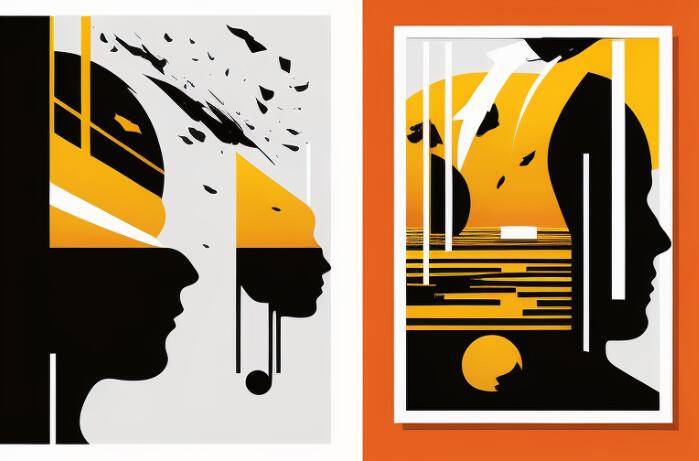
However, the auction is not without controversy. Before the auction began, more than 5,600 artists jointly signed an open letter asking Christie's to cancel the auction. Artists point out that many of the works participated were trained through unauthorized AI models that used copyrighted artworks as training data without permission from the original author or paid any fees. "These AI models and the companies behind them are exploiting human artists to use their works to develop commercial products that compete with them," the open letter emphasized.
Faced with the protests of artists, Christie's issued a statement in response, saying that artistic creation has always been an evolving process, inspired by various forms of communication and collision. Christie's said they are willing to explore the complexity of digital art and the challenges it brings, noting that the auction has received some positive response on social media. Nevertheless, the auction has sparked extensive discussions about art copyright, AI ethics, and the nature of artistic creation.
It is worth noting that 37% of the participants in this auction were users who registered for the first time in Christie’s auction, and 48% of the bidders were from millennials and Gen Z. This data shows that the younger generation has shown a strong interest in digital art and AI creation. At the auction, the highest transaction was "Machine Illusion - International Space Station Dream A" created by artist Refik Anadol, which was sold for $277,200. Anadol's works use more than 1.2 million images from the International Space Station and satellites as data sets, demonstrating the huge potential of AI technology in artistic creation.
Another highly-watched work is "Embed Research 1&2" collaborated by Holly Herndon and Mat Dryhurst, with a deal price of $94,500. This work is based on the modification and training of Herndon's own pictures. It was exhibited at the 2024 Whitney Biennale, further reflecting the influence of AI art in the field of contemporary art.
With the rapid development of AI technology, the art world is facing unprecedented challenges and opportunities. This auction not only demonstrated the application of AI in artistic creation, but also triggered profound thoughts on art copyright, creator rights and technical ethics. In the future, the intersection of art and technology will continue to be the focus of global attention, and this auction undoubtedly adds new dimensions to discussions in this area.
Key points: More than 5,600 artists signed an open letter asking Christie's to cancel the AI art auction, believing that the AI works infringe on copyright. Christie's auction ended up with a transaction volume of $728,784, with the highest transaction volume of "Machine Illusion" at $277,200. 37% of participants were first-time registered users and 48% of bidders were young millennials and Gen Z, showing their interest in digital art.