
In today's digital age, using AI technology to produce English learning content for children has become an innovative way of education. By combining various tools such as short essay generation, drawing design, audio production and video editing, learning resources that are both educational and interesting. This model can not only meet parents' needs for their children's English learning, but also achieve commercial monetization through social media platforms. It is a promising entrepreneurial idea.
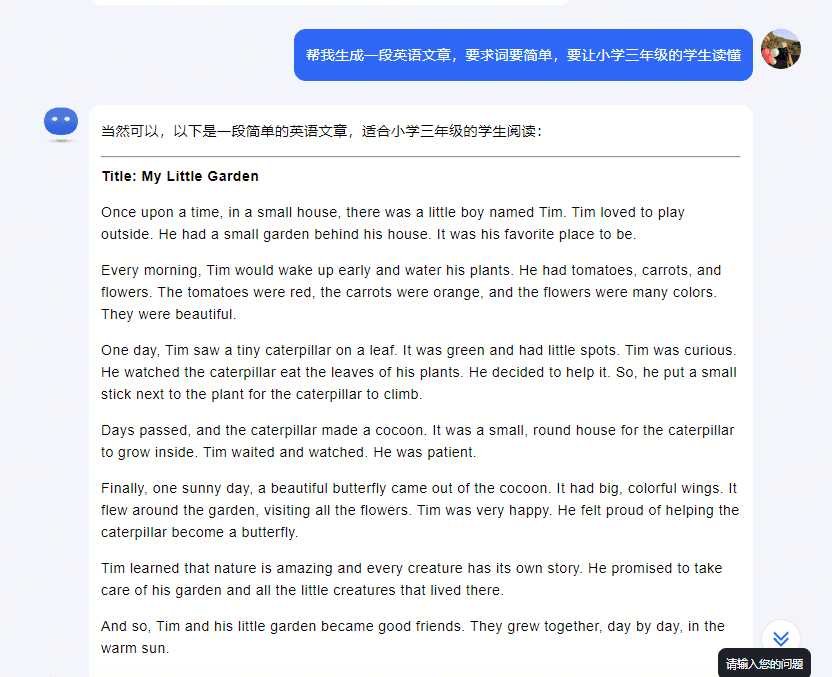
First, using AI tools like GPT 4.0 or Kimi to generate simple English essays for third graders is the starting point of this process. Through continuous adjustment and optimization, ensure that the content of the short article is in line with children's learning level and interests. Next, use AI drawing tools to generate cartoon-style drawings that match the content of the short article to further attract children's attention. These pictures not only need to conform to children's aesthetics, but also closely related to the content of the essay to enhance the learning effect.
After the content generation is completed, convert the short article into audio through text-to-speech tools such as TTSMaker, and select the voice and speech speed suitable for children to ensure that the audio is easy to understand and accept. Then, use design tools such as painting to type and design video materials, select appropriate backgrounds and materials, and integrate pictures and short articles. Finally, use video editing software such as Chuangying to integrate pictures, audio and short essays into a complete video, and add smart subtitles to further enhance the professionalism and attractiveness of the video.
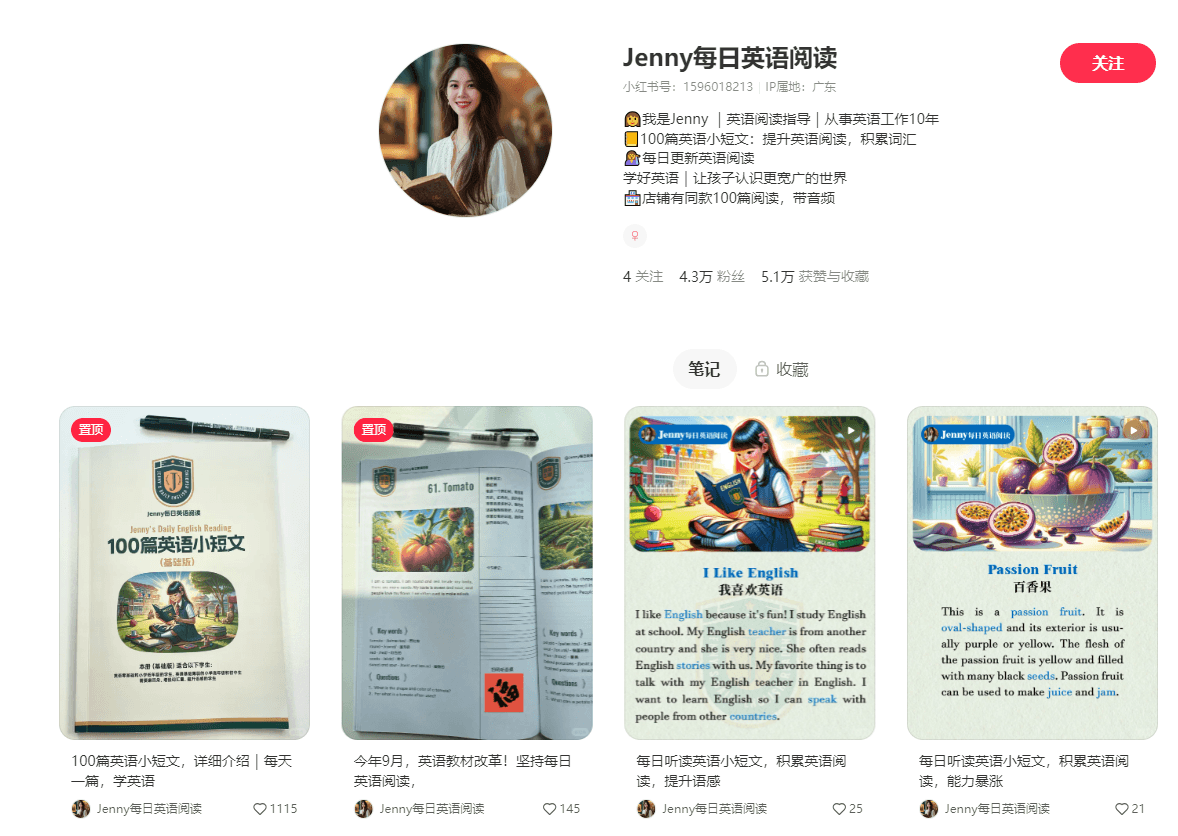
After the production is completed, the video will be posted to social media platforms such as Xiaohongshu, and the target users will be attracted through accurate content positioning and promotion strategies. With the spread of videos and the accumulation of users, further monetization can be made by selling goods or diverting to private domains. For example, selling books or products related to video content, or guiding fans to WeChat groups or personal WeChat, to provide higher-priced educational products or services.
This AI-driven educational content creation model is especially suitable for people who are interested in educational content creation, such as mothers, fathers or educators. Although it is moderately difficult to get started, through continuous practice and optimization, long-term sustainable benefits can be achieved. However, in order to keep the project durable and attractive, creators need to constantly innovate content and monetize to adapt to changing market demands.
In general, using AI technology to create children's English learning videos can not only meet parents' needs for their children's education, but also achieve commercial monetization through social media platforms. This innovative model that combines education and entertainment provides new entrepreneurial opportunities and monetization channels for educational content creators. In the future, with the continuous development of AI technology, the application scenarios and business potential of this model will be further expanded.