
In the field of digital art, a free tool called Glaze is quickly becoming a must-have tool for artists. The main function of this tool is to protect the artist's unique style from being imitated or copied by AI image generators by adding imperceptible noise into the images. With the rapid development of AI technology in image generation, the demand for Glaze has increased sharply, especially after Meta announced that it would use user data to perform AI training plans, access requests for its web version WebGlaze have been overcrowded.
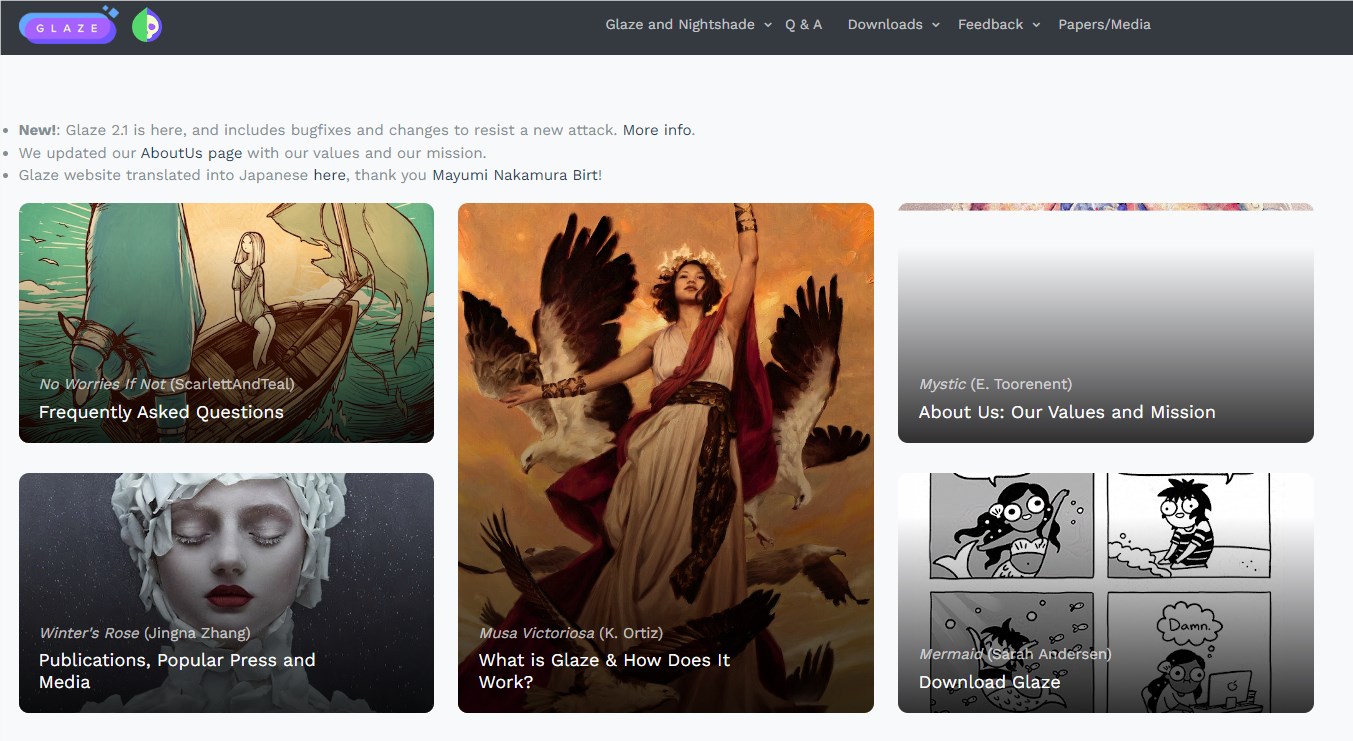
Product portal: https://top.aibase.com/tool/glaze
According to Glaze developer Ben Zhao, many artists have to wait weeks or even months to get access permissions due to the surge in access requests. To ensure proper use of the tool, the Glaze project team conducts manual reviews of each application to confirm the authenticity of the applicant and prevent abuse. Although this strict audit mechanism ensures the security of the tool, it also leads to delays in access rights.
However, despite Glaze's significant results in protecting artist styles, security researchers have recently discovered ways to bypass its protection mechanisms. This discovery has raised widespread doubts about the effectiveness of Glaze. Although Zhao and his team have updated the tools several times to increase the difficulty of the attack, critics believe the changes are still not enough to completely solve the problem. This technological challenge not only tests Glaze's defense capabilities, but also raises new questions about the relationship between AI and artistic creation.
Key points:
Glaze tools are sought after by artists to prevent AI image theft
Glaze tool demand surges as Meta plans to use user data for AI training
Security researchers find ways to bypass Glaze protection, raise questions about its effectiveness
The emergence of Glaze and its challenges not only reflect the widespread use of AI technology in the art field, but also reveals the importance of protecting original art styles in the digital age. With the continuous advancement of technology, how to find a balance between innovation and protection will be a common problem for artists and developers.