
During the National Day holiday, an unexpected phenomenon quickly became popular on the Internet: Lei Jun’s AI dubbing went viral! The editor of Downcodes will take you through this hilarious incident. Various spoof videos emerged one after another. Netizens used AI technology to ask Lei Jun to "critically comment" on various events, and even contained foul language. For a while, the Internet was full of ridicule of "being chased and scolded by Lei Jun". This phenomenon has sparked discussions about the misuse of AI technology and its impact on personal image and brand reputation.
During the National Day holiday, a ridiculous thing spread on the Internet - Lei Jun's AI dubbing suddenly became popular! The founder of Xiaomi must have been silently sighing in his heart: "This guy is definitely causing trouble!" Various players One after another took this AI tool and made "Lei Jun Rui Commentary" videos, which were not only funny, but also mixed with a lot of swear words. The entire National Day holiday felt like being "chased and scolded" by Lei Jun.

Recently, a large number of spoof videos with Lei Jun's voice in the background have emerged on short video platforms, leaving many viewers confused about what is real and what is fake. Some people originally thought they just wanted Mr. Lei to sing a song and make some funny videos, but instead they got a bunch of content full of gunpowder, which really made people laugh and cry. Some netizens even lamented that this method of ridicule was a bit excessive.
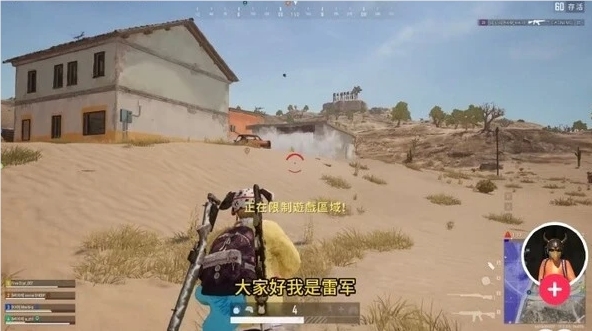
Some bloggers believe that such behavior not only affects Lei Jun's personal image, but may even cause damage to Xiaomi's brand. This is illegal behavior. It is recommended that those who engage in pranks delete the video quickly to avoid waiting for Xiaomi's legal action. I only regretted it when the team came to my door.
Industry insiders also expressed that the development of AI technology has made it easier and easier to forge videos and voices. The proliferation of this phenomenon makes it difficult to distinguish authenticity from fake, and also threatens the content quality of video platforms. Faced with such challenges, video platforms must not only strengthen supervision, but also protect users’ viewing experience and ensure that the content everyone sees is credible.
Lei Jun’s AI dubbing incident reflects the double-edged sword effect of the development of AI technology, which not only brings entertainment but also potential risks and challenges. How to standardize the application of AI technology and maintain the order of the network environment is worth pondering. It is hoped that similar incidents will prompt platforms to strengthen supervision and guide users to use AI technology rationally.