Linux Mint Guide
1.0.0



はじめる
ソフトウェアを取得します
ゲーム
ゲーム開発
MacOSワークスペースをセットアップします
Windows 10/11ワークスペースをセットアップします
LinuxでAndroidおよびAndroidアプリを使用します
プロのオーディオ/ビデオ編集
Kubernetes
機械学習
ロボット工学
オープンソースのセキュリティ
差別的なプライバシー
クラウドネイティブ開発
DevOps開発
フラッター開発
ネットワーキング
データベース
高度なトピック
トップに戻ります
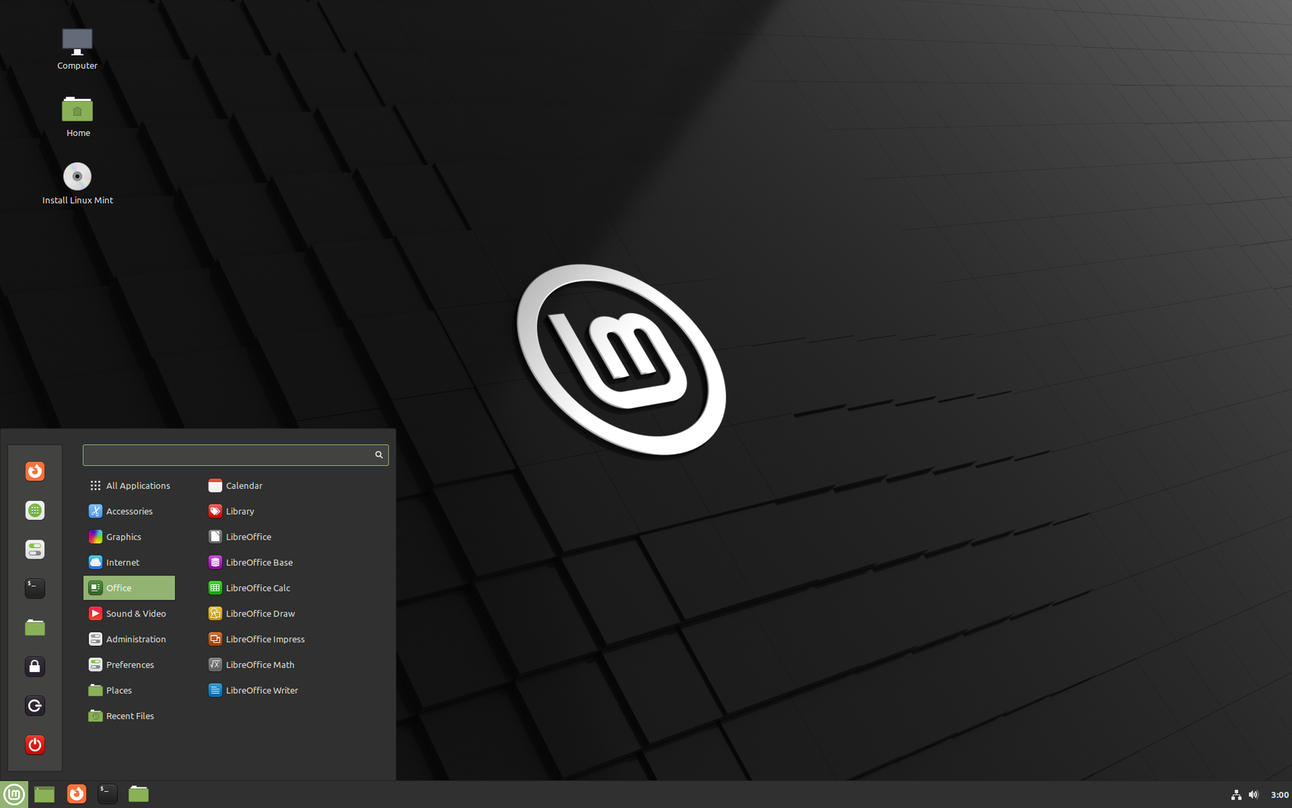
Linux Mintは、モダンでエレガントで快適なオープンソースオペレーティングシステム(DebianとUbuntuに基づいています)であり、新品および上級ユーザーの両方にとって強力で使いやすいです。 Linux MintのFlagsipバージョンは、Windows 7に似たシナモンデスクトップ環境を使用しています。
Linux Mint Mateは、Mateデスクトップ環境を使用します。
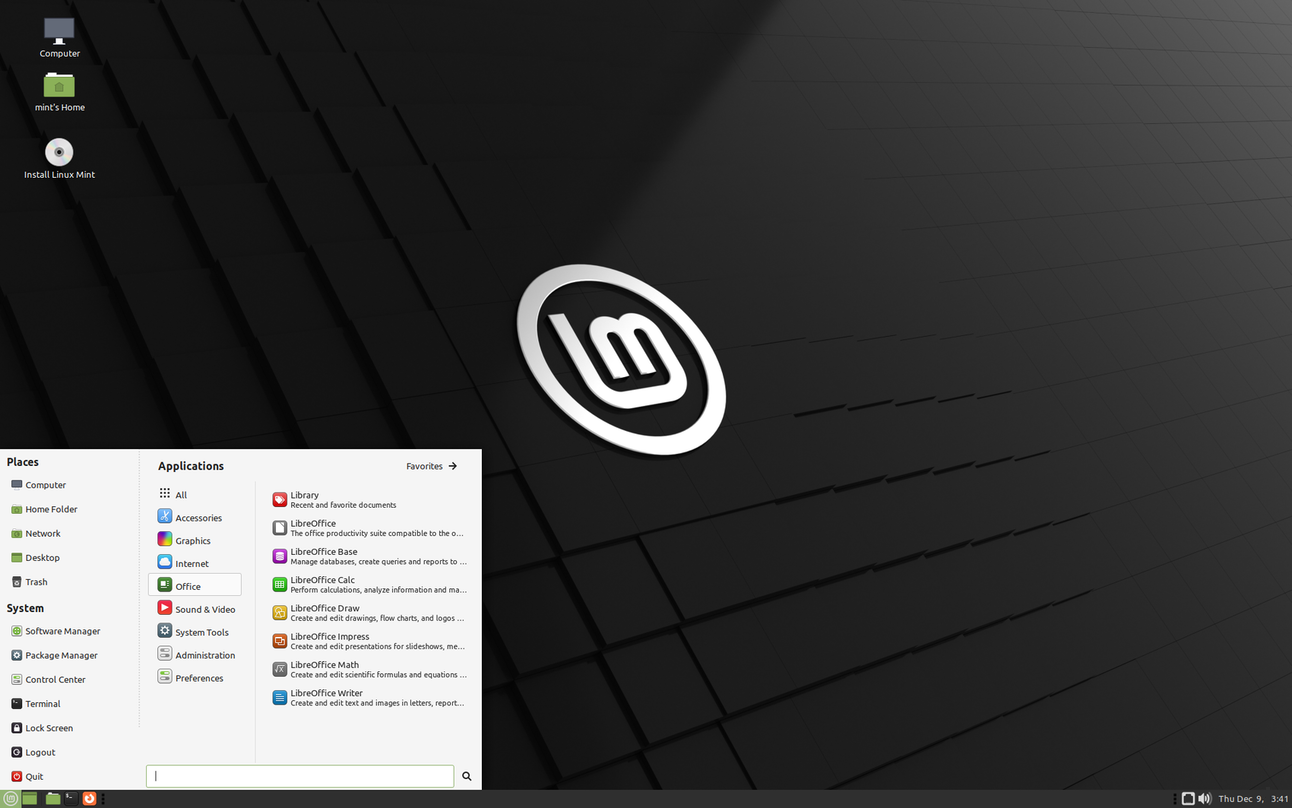
Linux Mint XFCEは、XFCEデスクトップ環境を使用しています。
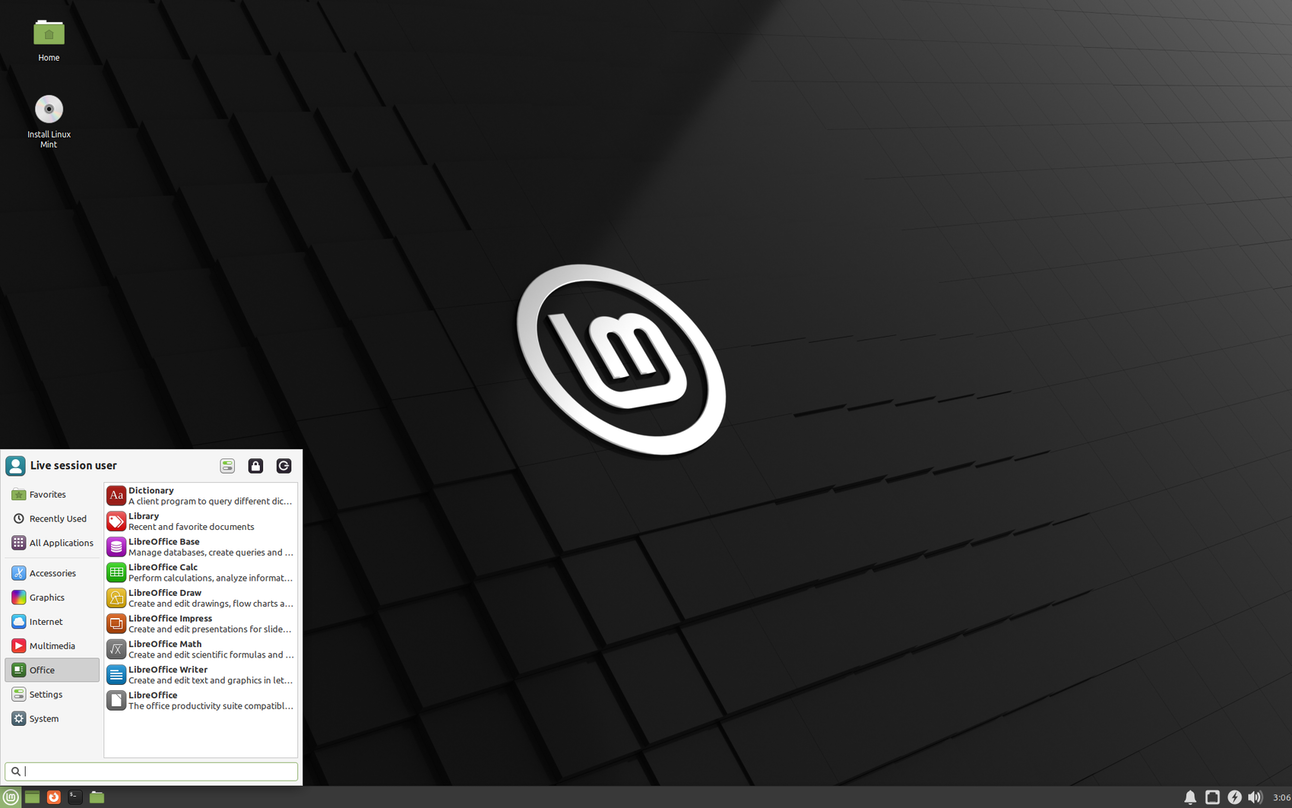
Linux Mint Debian Edition(LMDE)は、Debian Bullseyeをシナモンデスクトップで非常に安定した堅実なユーザーエクスペリエンスのベースとして使用しています。
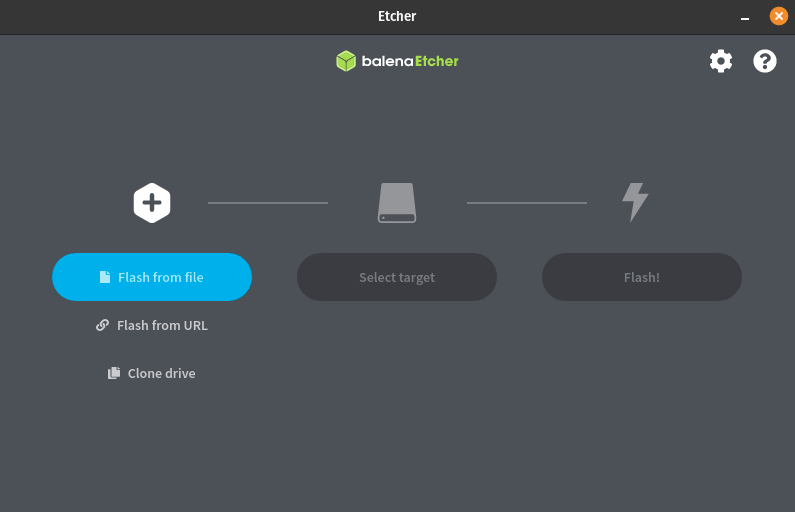
Etcherは、オープンソースのクロスプラットフォームソフトウェアであり、MicroSDカードまたはUSBデバイスにオペレーティングシステムの画像を簡単にフラッシュできます。
sudo apt install kde-plasma-desktopまたは
sudo apt install kde-standard
sudo systemctl enable ufw
sudo systemctl start ufwトップに戻ります
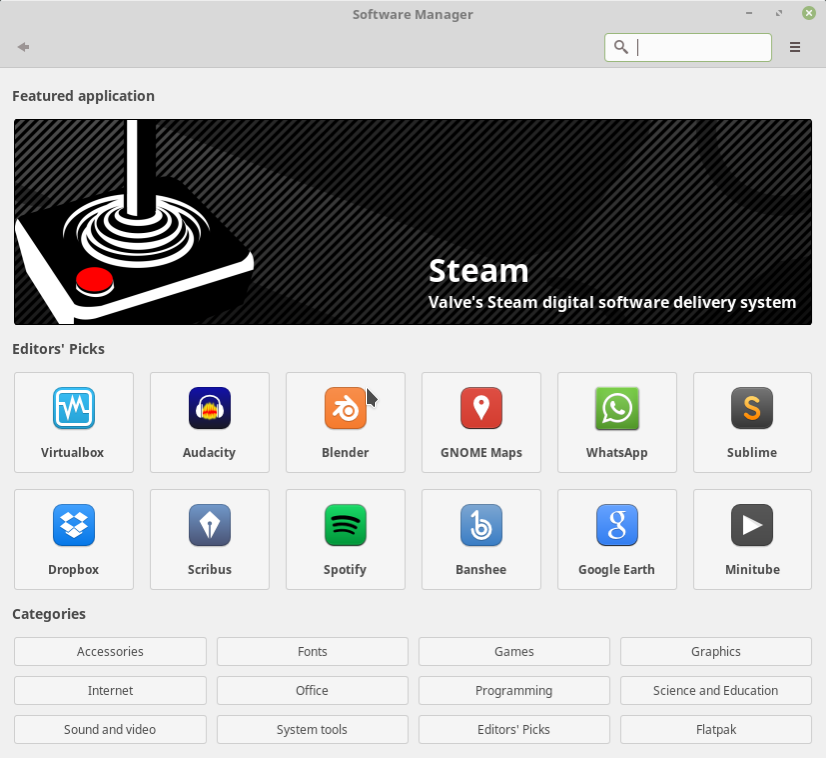
注1:このソフトウェアはすべて、Debian、小学生、Pop!_os、Fedora、Manjaro Linux、Endeavouros、Arch Linuxなどの他の人気のあるLinuxディストリビューションでも利用できます。
注2:コマンドラインチェックアウトを使用することに不安定な新しいユーザー向けに、Essentialアプリセクションを開始します。また、さらに下にスクロールすると、Flathub、Snap Store、Appimagesを介してソフトウェアアプリケーションを取得する他の簡単な方法が表示されます。
Google Chromeブラウザ
Microsoft Edgeブラウザー
ビジュアルスタジオコード
マイクロソフトチーム
オフィスアプリを備えたMicrosoft365(以前はオンラインでオフィス)
Googleワークスペース(以前のGスイート)
ズーム
DebianのiCloud
PCLoudは、すべてのファイルを保存、共有、作業できるセキュアクラウドストレージ(GoogleDriveなど)です。どこでもどこでも、任意のデバイスでアクセスできます。
Jitsi Meetは、完全に暗号化された100%オープンソースのビデオ会議ソリューションです。
Cisco WebEx Webアプリは、Cisco WebExビデオ会議ソリューションのWebベースのバージョンです。
スラック
トレロ
Skype
不和
Spotify
Apple Music(Web)は、Safari、Google Chrome、Mozilla Firefoxで実行されるApple MusicのWebアプリバージョンです。
Adobe Lighroom Online Photo Editorは、Adobe Photoshop LightroomのオンラインWebバージョンです。 Adobeアカウントは、アプリにサインインするために必要です。
Adobe Spark(Web)は、クールなソーシャルグラフィックス、ショートビデオ、Webページを作成できるアプリケーションです。 Adobeアカウントは、アプリにサインインするために必要です。
Photopeaは、PSD、XCF、スケッチ、XD、CDR形式をサポートする高度なオンライン画像エディターです。 (Adobe Photoshop、Gimp、Sketch App、Adobe XD、Coreldraw)。
マスターPDFエディターは、強力な多目的機能を備えたPDFドキュメントを操作するための簡単で使いやすいアプリケーションです。 Master PDFエディターを使用すると、PDFドキュメントを簡単に表示、作成、変更できます。
クロスオーバーLinux®は、Microsoft Windows互換性レイヤーです(ワイン(ワインはエミュレータではありません))。クロスオーバー互換性レイヤーにより、数千のWindowsベースのアプリケーションがLinux、MacOS、またはChrome OSで実行できます。
WinApps for Linuxは、Linux(Ubuntu/Fedora)のMicrosoft Office&AdobeなどのWindowsアプリを実行するプログラムです。
Davinci Resolve Video Editorは、プロの8K編集、色補正、視覚効果、オーディオポストプロダクションをすべて1つのソフトウェアツールに組み合わせた完全なビデオ編集ソリューションです。
Reaper Audio Editorは、コンピューター向けの完全なデジタルオーディオ制作アプリケーションであり、完全なマルチトラックオーディオとMIDIの録音、編集、処理、ミキシング、マスタリングツールセットを提供しています。
Flameshotは、スクリーンショットソフトウェアを使用するのが強力でありながら簡単なソフトウェアです。
Timeshift for Linuxは、Windowsのシステム復元機能とMac OSのタイムマシンツールと同様の機能を提供するアプリケーションです。 Timeshiftは、定期的にファイルシステムのインクリメンタルスナップショットを取得することにより、システムを保護します。これらのスナップショットは、システムのすべての変更を取り消すために、後日復元できます。
Stacerは、ユーザーがシステム全体を管理するのに役立つオープンソースシステムオプティマイザーおよびアプリケーションモニターです。アピメージとしても利用できます。
NativeFierは、構成を最小限に抑えたWebサイト用のデスクトップアプリを簡単に作成するコマンドラインツールです。アプリは、Windows、MacOS、Linuxで使用するために、OS実行可能ファイル(.App、.exeなど)で電子(フードの下でクロムを使用)で包まれます。
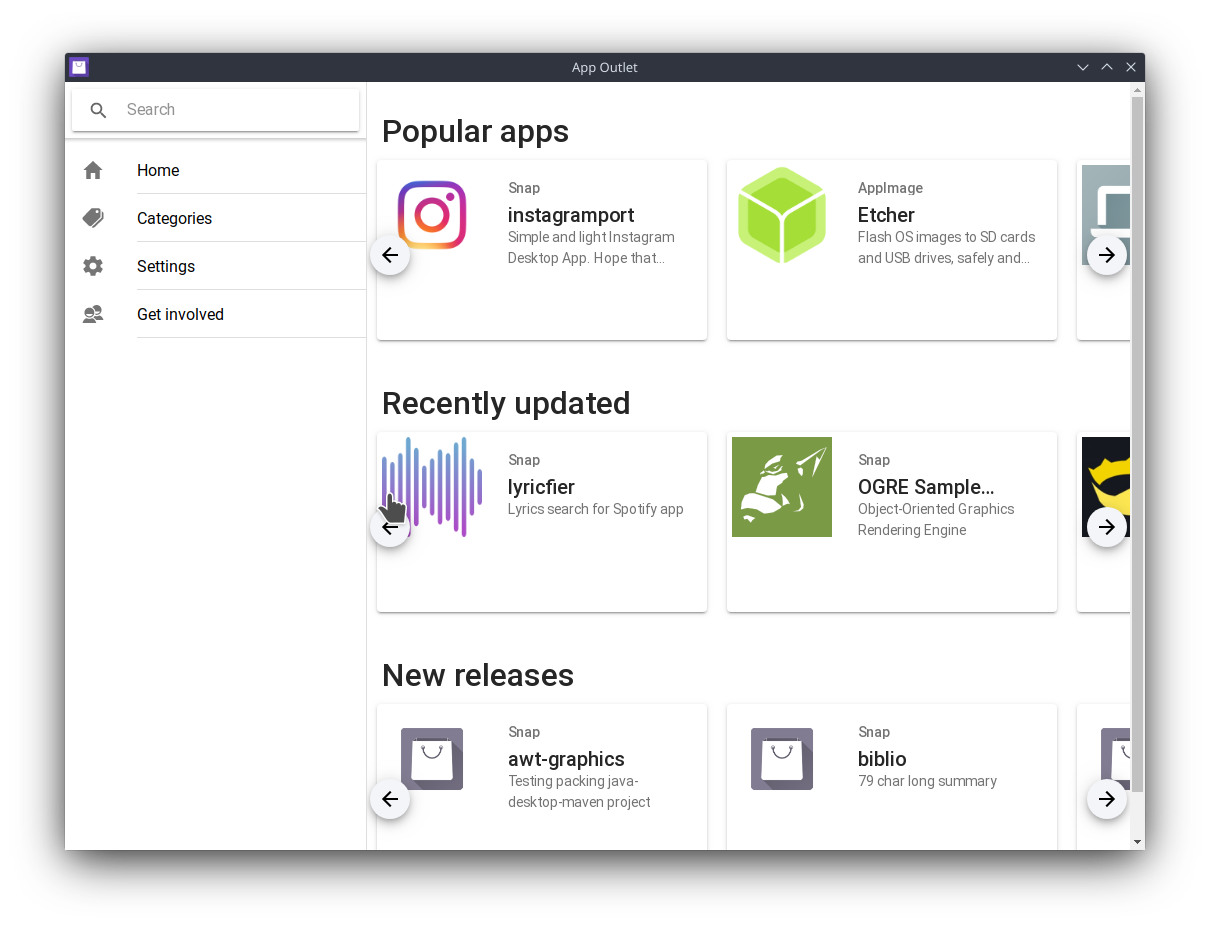
App Outletは、Linux App Store Online Serviceに触発されたユニバーサルアプリケーションストア(フラットパーク、スナップ、アピメージ)です。
sudo apt install flatpak
sudo apt install gnome-software-plugin-flatpak
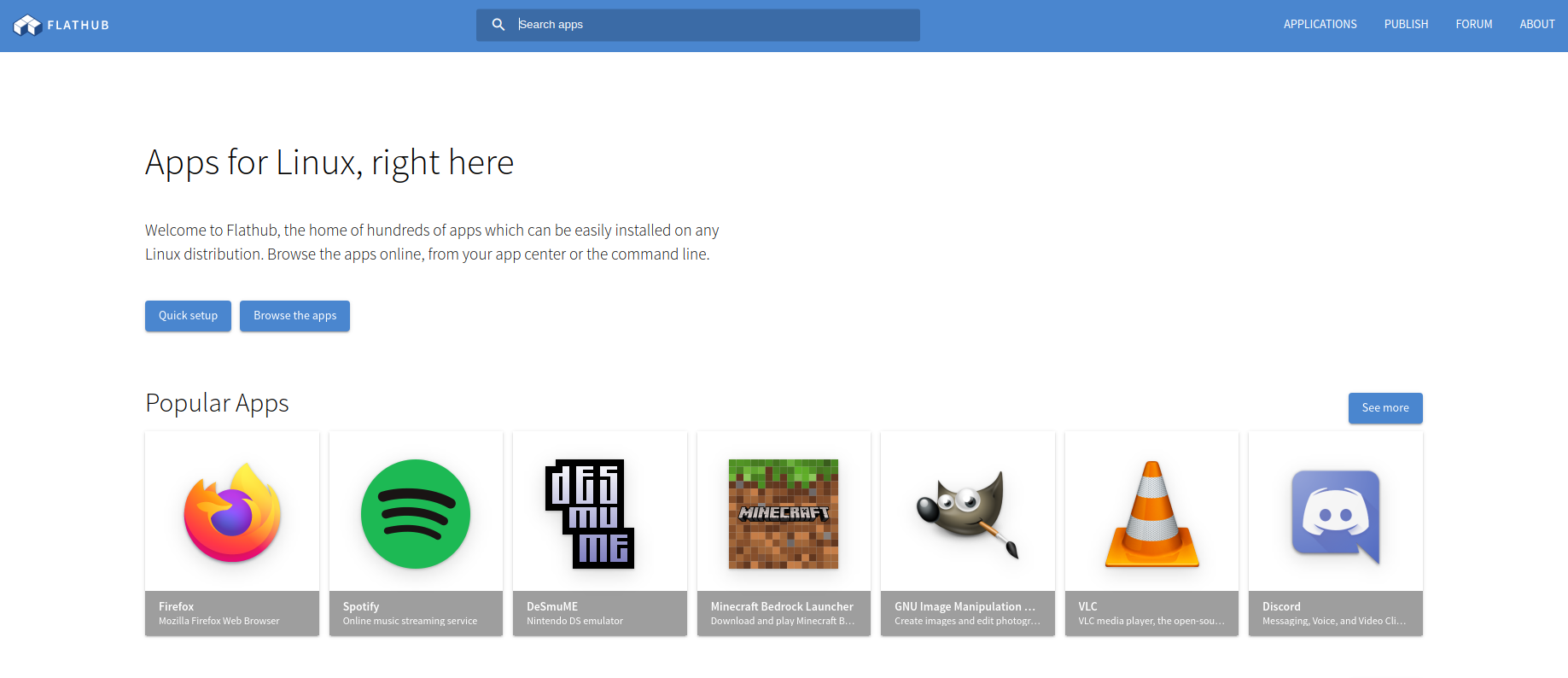
Flathubは、Flatpakアプリケーション向けのビルドおよび流通サービスです。
Flathubフォーラム
sudo apt install snapd
sudo apt install gnome-software-plugin-snap
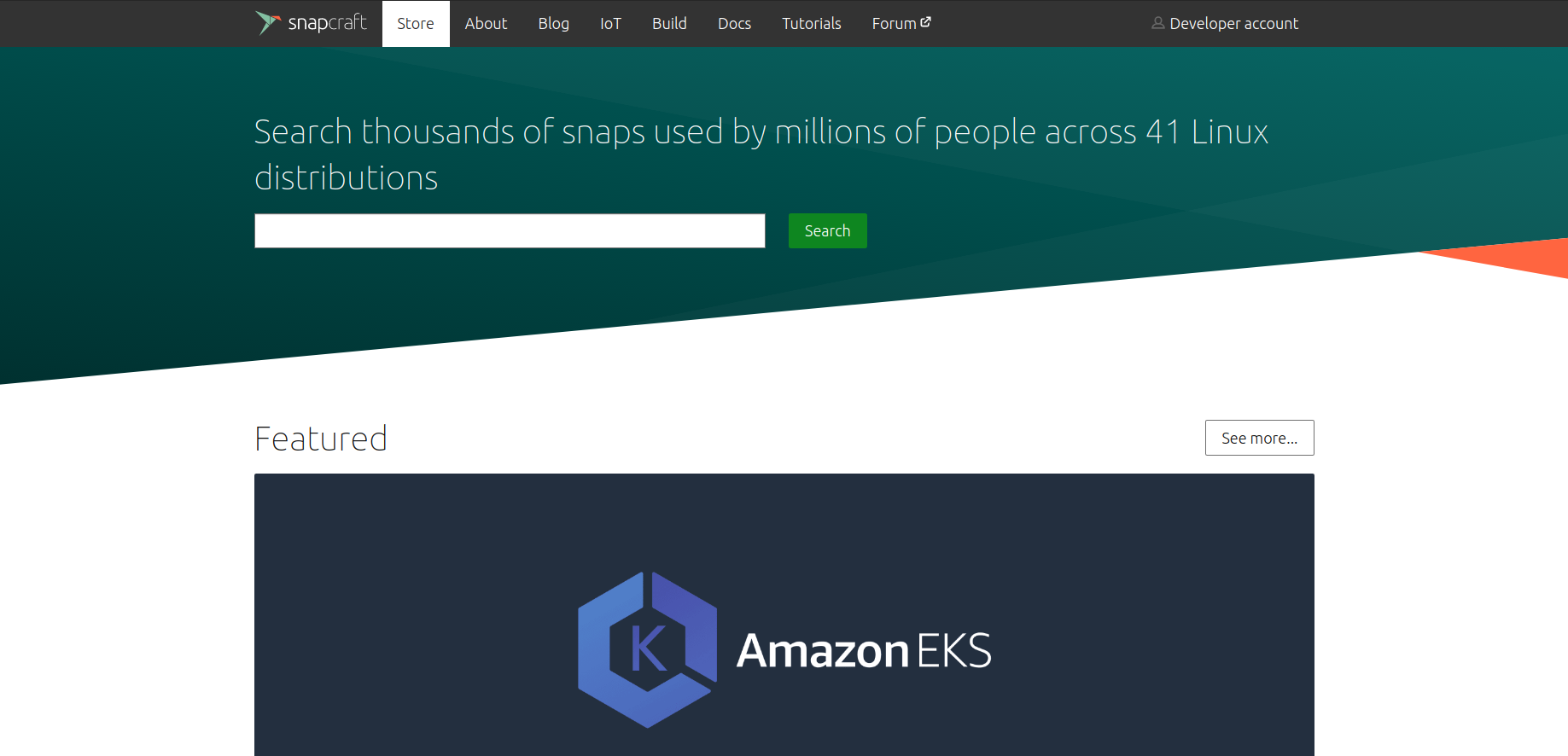
Snap Storeは、SNAPアプリケーション向けのビルドおよび流通サービスです。
スナップクラフトフォーラム
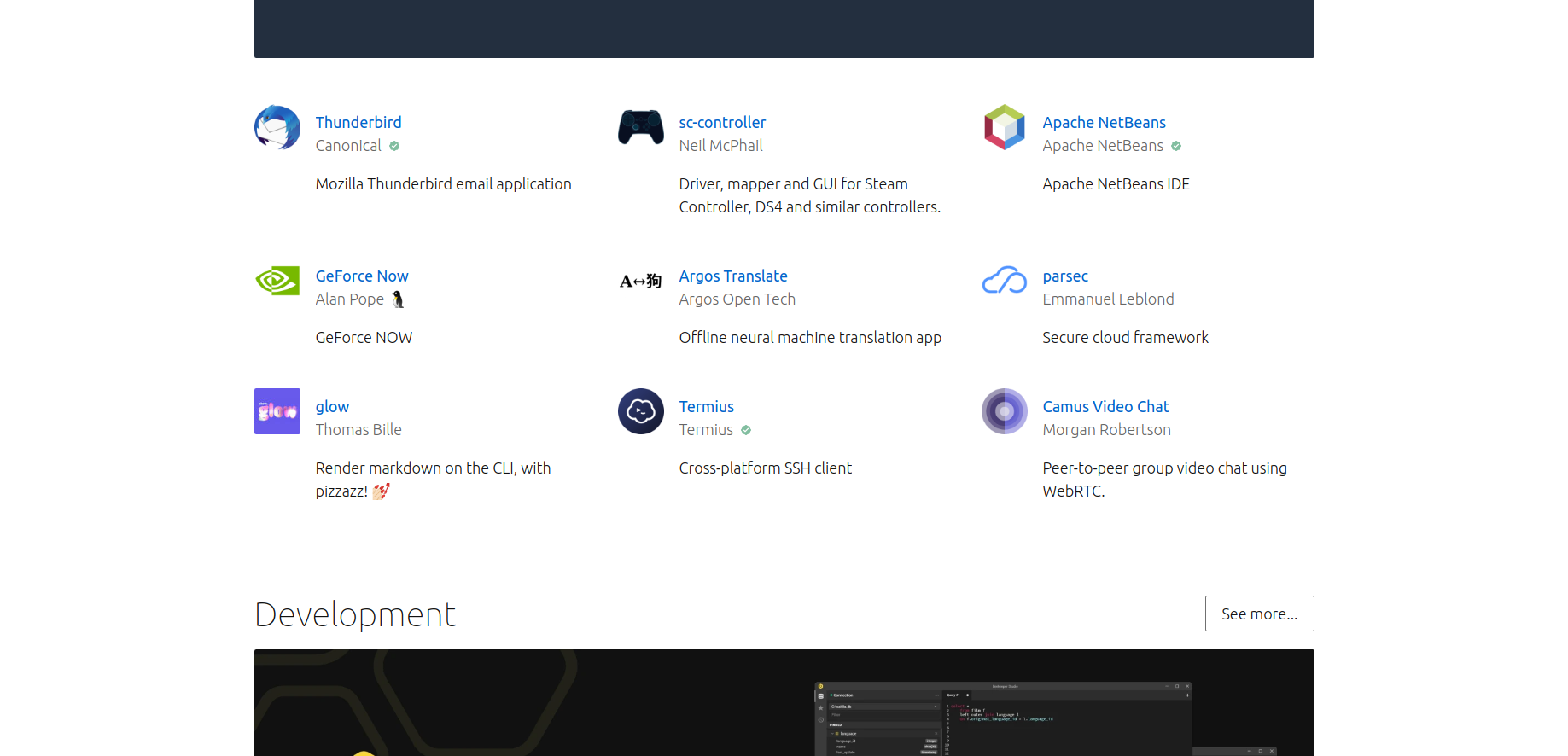
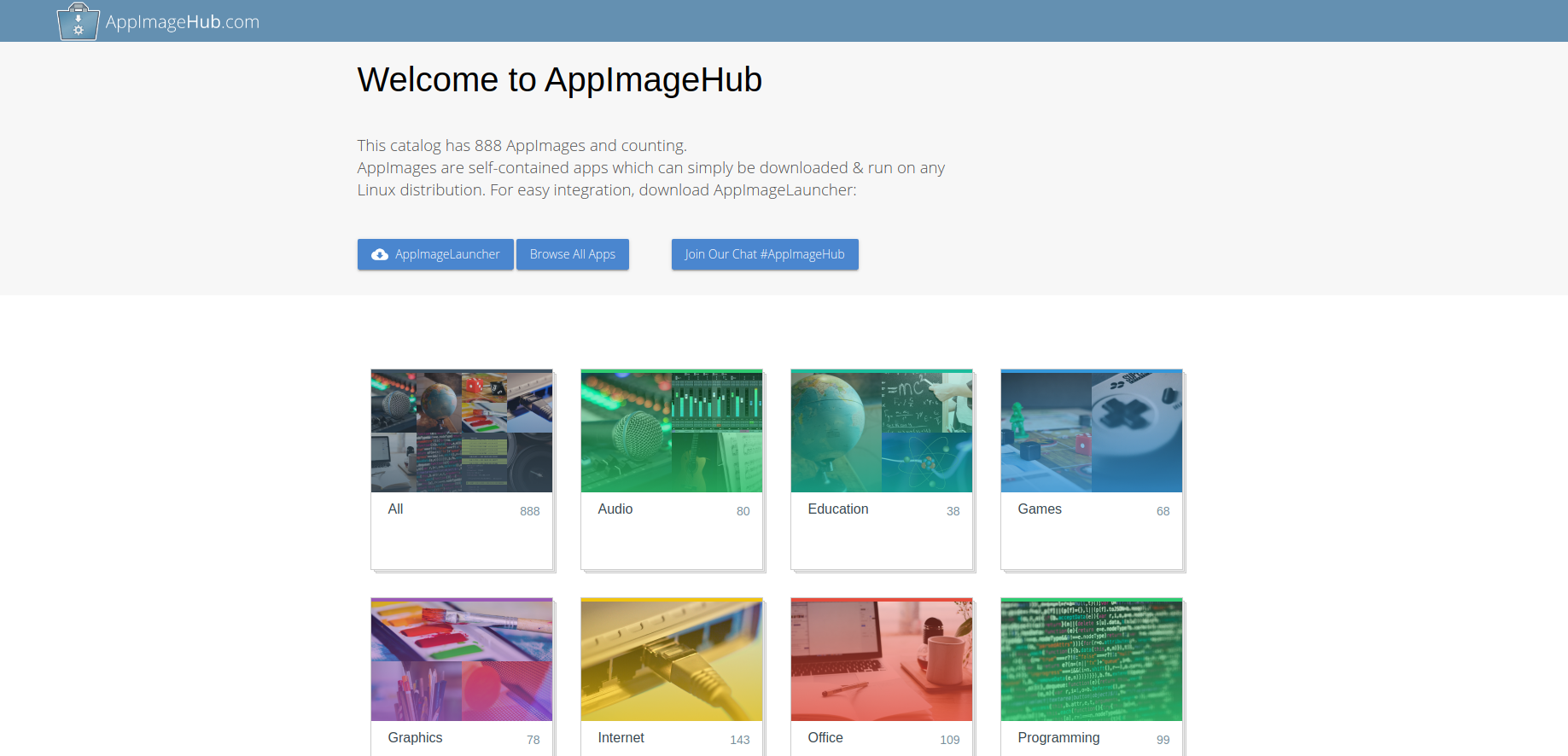
AppimageHubは、Appimageアプリケーション向けのビルドおよび流通サービスです。
Appimage Managerは、Appimagesのパッケージマネージャーです。
アピメージフォーラム
トップに戻ります
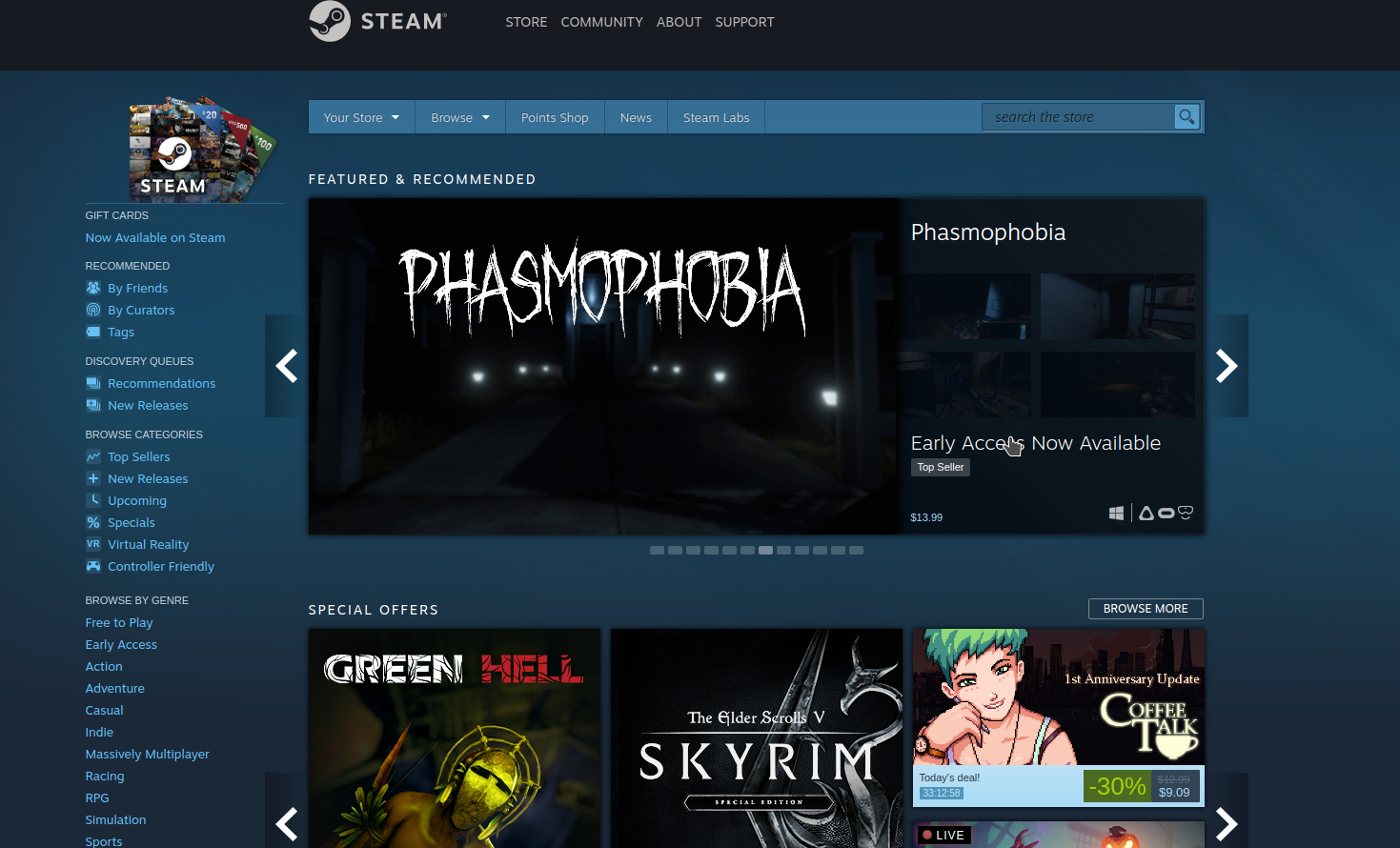
蒸気を取得します
または
wget https://steamcdn-a.akamaihd.net/client/installer/steam.debProtonは、Windows専用のゲームがLinuxオペレーティングシステムで実行できるようにするSteamクライアントで使用するためのツールです。ワインを使用してこれを容易にします。
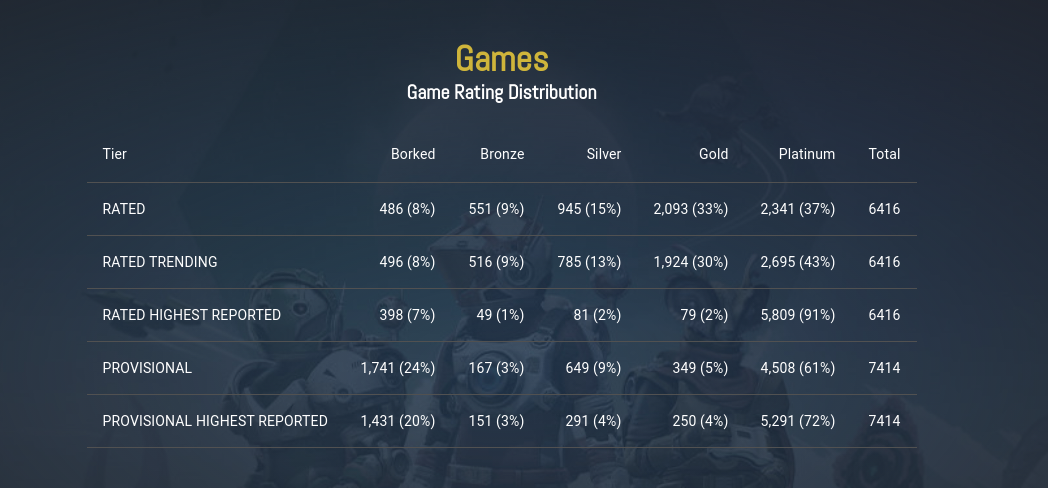
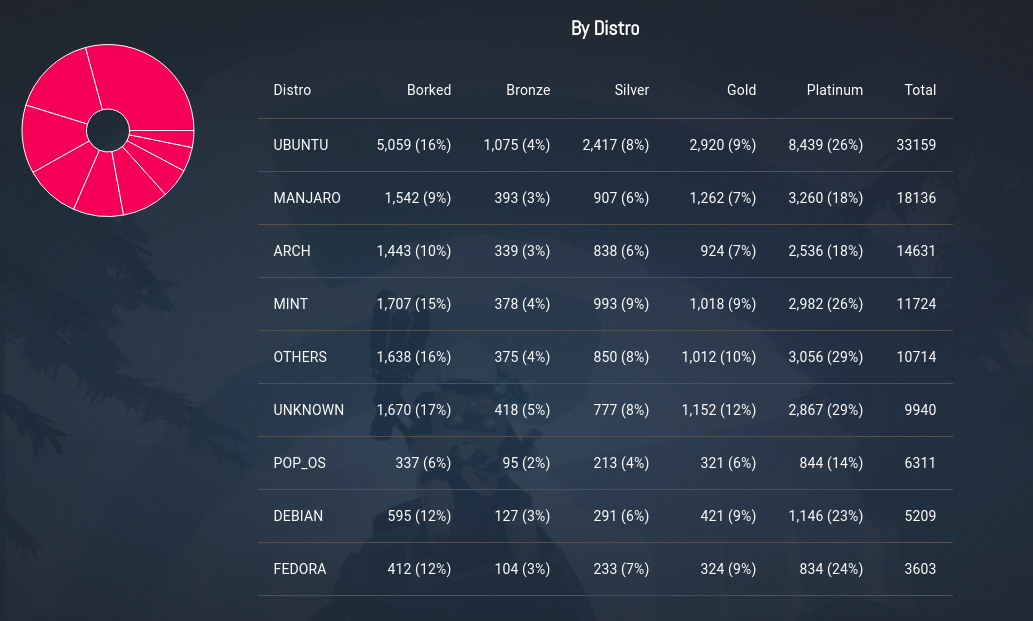
ProtOndBは、LinuxでProtonでゲームをテストし、ゲームのパフォーマンスの総合的なスコアを提供するため、他のゲーマーからの100,000を超えるゲームレポートのコレクションです。増え続ける提案は、Protonが開発を続けている間、ゲームを機能させることができる微調整を提供します。これに加えて、このサイトのSteamゲームカタログを探索して、Linuxで使用することができなかった幅広いタイトルを閲覧および発見することができます。
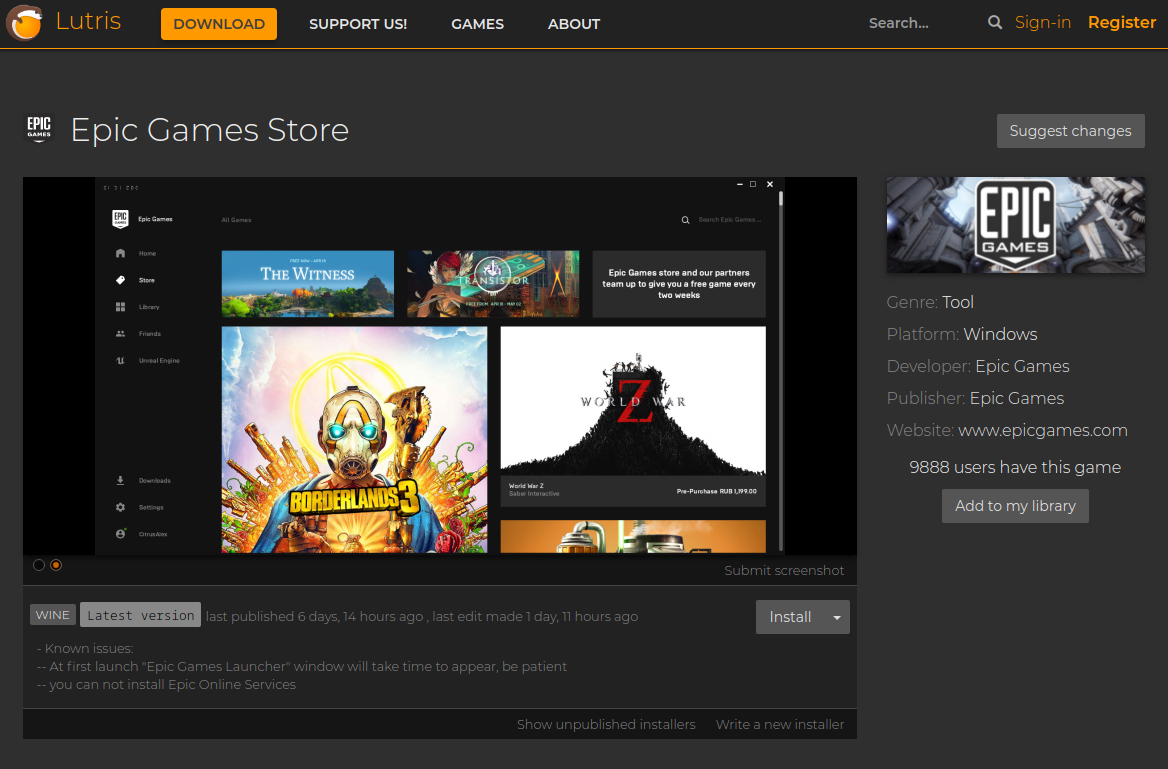
LutrisはLinuxのゲームクライアントです。現在のコンソール生成を除き、すべてのビデオゲームにアクセスできます。また、GOG、Steam、Battle.Net、Origin、Uplay、および既存のゲームライブラリとコミュニティの保守スクリプトをインポートできる他の多くのソースなど、他の多くのソースなど、完全に自動化されたセットアップを提供する他のストアとうまく統合します。
壮大なゲームストアを追加します
GameHubは、すべてのゲームの統一ライブラリです。これにより、ゲームをさまざまなプラットフォームから1つのプログラムに保存して、ゲームを管理しやすくすることができます。
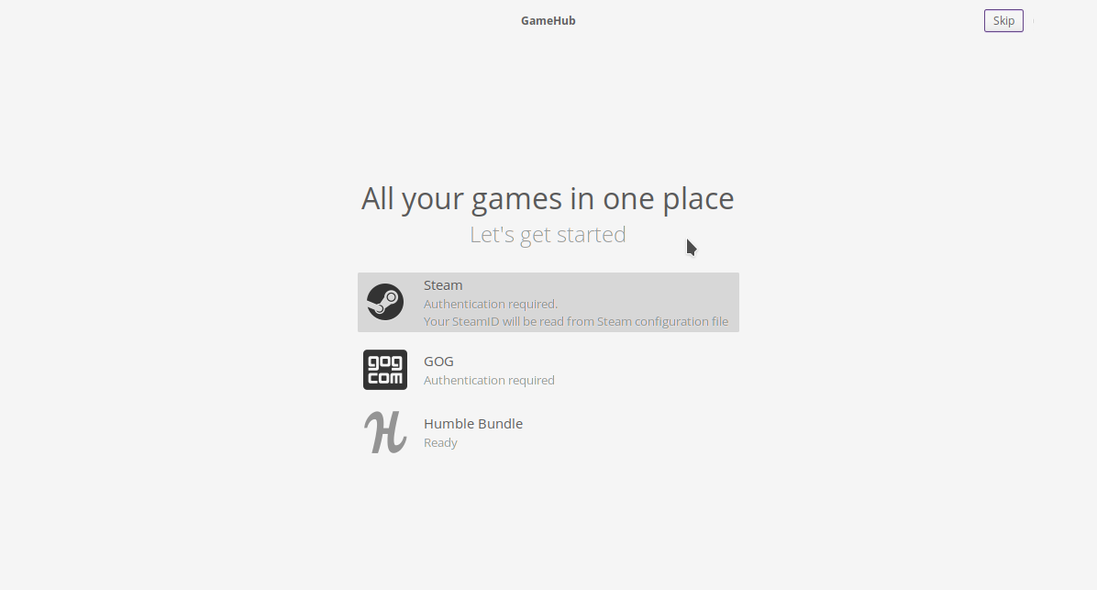
GameHubサポート:
Linuxのネイティブゲーム
複数の互換性レイヤー:
複数のゲームプラットフォーム:
GeForceはChromebookバージョンを使用して、Google ChromeまたはBrave、Vivaldi、Microsoft EdgeなどのChromiumベースのWebブラウザーですべてのゲームを再生します。また、Snap Store GeForceの電子デスクトップアプリとしても利用できます。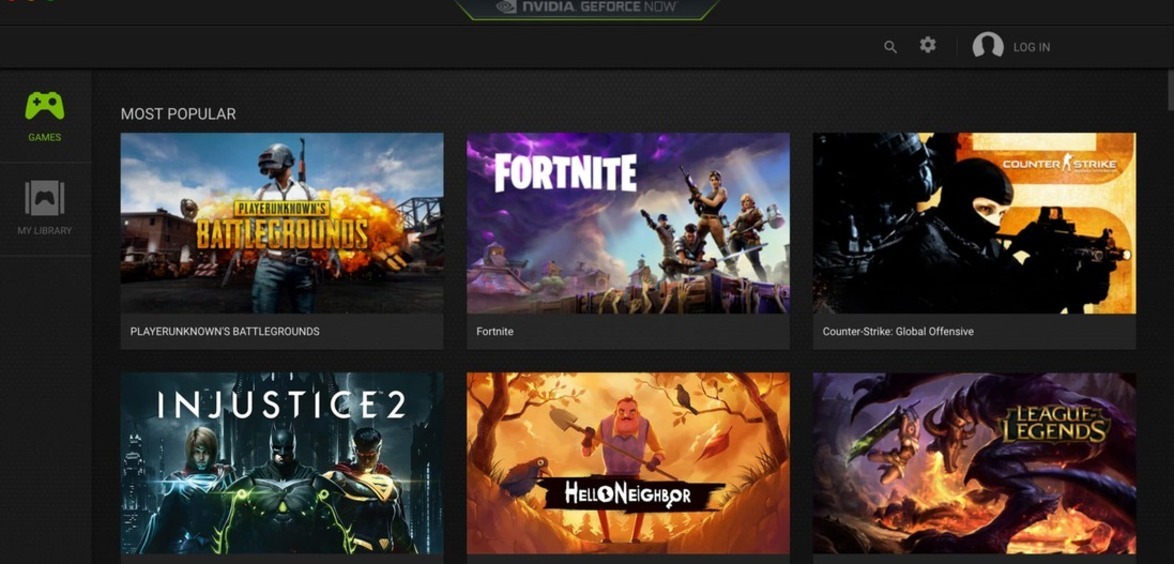
Moonlight Game Streamingは、構成が不要でインターネット上でPCゲームからストリーミングできるプログラムです。あなたが別の部屋にいるか、ゲームリグから何マイルも離れているかどうかにかかわらず、ほぼすべてのデバイスからストリーミングします。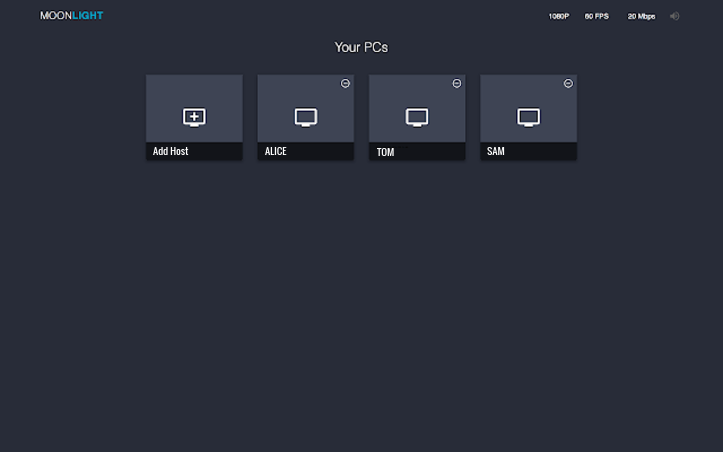
Chiakiは、Linux、FreeBSD、OpenBSD、Android、MacOS、Windows、Nintendo Switch、およびさらに多くのプラットフォームのPlayStation 4およびPlayStation 5のリモートプレイ用の無料でオープンソースソフトウェアクライアントです。
Xbox Project XCloudは、MicrosoftのクラウドベースのXboxゲームストリーミングテクノロジー(現在ベータ版)です。 Forza Horizon 4、Halo 5:Guardians、Gears of War 4、Sea of Thieves、Cuphead、Red Dead Redemption 2、およびMobile DeviceまたはChrome Webブラウザーの100以上のゲームなどのゲームをプレイします。 MicrosoftのXbox Project XCloudには、XboxゲームパスUltimateサブスクリプションが必要です。

Retroarchは、エミュレーター、ゲームエンジン、メディアプレーヤーのフロントエンドです。滑らかなグラフィカルインターフェイスを介して、幅広いコンピューターとコンソールでクラシックゲームを実行できます。設定も統一されているため、構成は完全に行われます。
Dolphinは、最近の2つの任天堂ビデオゲームコンソールのエミュレータであるGameCubeとWiiです。これにより、PCゲーマーは、すべてのPCコントローラーとの互換性、ネットワークマルチプレイヤーなど、いくつかの強化を備えたフルHD(1080p)のこれら2つのコンソールのゲームを楽しむことができます。
Citraは、お気に入りのゲームの多くをプレイできるニンテンドー3DSのオープンソースエミュレーターです。
Yuzuは、Citraの作成者からのNintendo Switchの実験的なオープンソースエミュレーターです。
Dosboxは、主にDOSゲームの実行に焦点を当てたオープンソースDOSエミュレーターです。
Mameはアーケードマシンエミュレータです。
XemuはオリジナルのXboxエミュレータです。
Greenwithenvy(GWE)は、Roberto Leinardiによって設計されたGTKシステムユーティリティであり、情報を提供し、ファンを制御し、NVIDIAビデオカードをオーバークロックしてパフォーマンスを向上させます。フラットパックとしてポップショップで利用できます。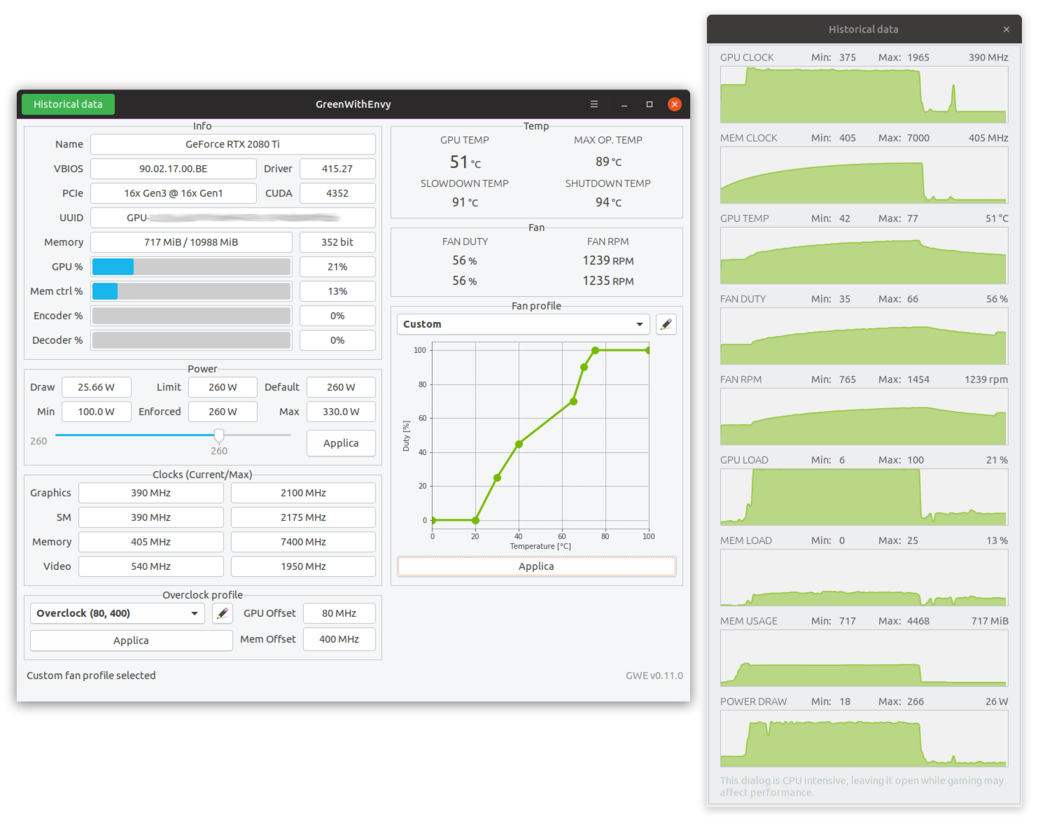
CorectRLは、ネイティブおよびWindowsアプリケーションのアプリケーションプロファイルを使用して、コンピューターハードウェアを簡単に制御できる無料のオープンソースLinuxアプリケーションであり、基本的なCPUコントロールと完全なAMD GPUコントロール(古いモデルと新しいモデルの両方)を備えています。
sudo add-apt-repository ppa:ernstp/mesarc
sudo apt install corectrl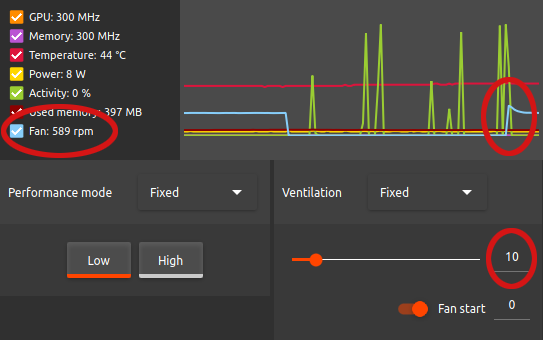
Geekbench 5は、ボタンを押すことでシステムのパフォーマンスを測定するクロスプラットフォームベンチマークです。
ユニジンの重ね合わせは、PCハードウェアの極端なパフォーマンスと安定性テスト、ビデオカード、電源、冷却システムです。

ワイン(ワインはエミュレータではありません)は、Linux、MacOS、BSDなどのいくつかのPOSIX準拠のオペレーティングシステムでWindowsアプリケーションを実行できる互換性層です。ワインは、仮想マシンやエミュレータのような内部Windowsロジックをシミュレートする代わりに、Windows API呼び出しをFlyでPOSIX呼び出しに変換し、他のメソッドのパフォーマンスとメモリのペナルティを排除し、Windowsアプリケーションをデスクトップにきれいに統合できるようにします。
Winetricksは、ワインの問題を回避する簡単な方法です。
これは、Adobeairエラーを回避するために必要です
sudo sed -i ' s|echo "${arg%%=*}"=\""${arg### *=}"\"|echo ${arg%%=*}=\"${arg### *=}\"|g ' /usr/local/bin/winetricks
sudo apt install cabextract libncurses5:armhfトップに戻ります
Unityは、クロスプラットフォームゲーム開発プラットフォームです。 Unityを使用して、高品質の3Dおよび2Dゲームを構築し、モバイル、デスクトップ、VR/AR、コンソール、またはWebに展開し、忠実で熱心なプレイヤーや顧客とつながります。
Unity Hub

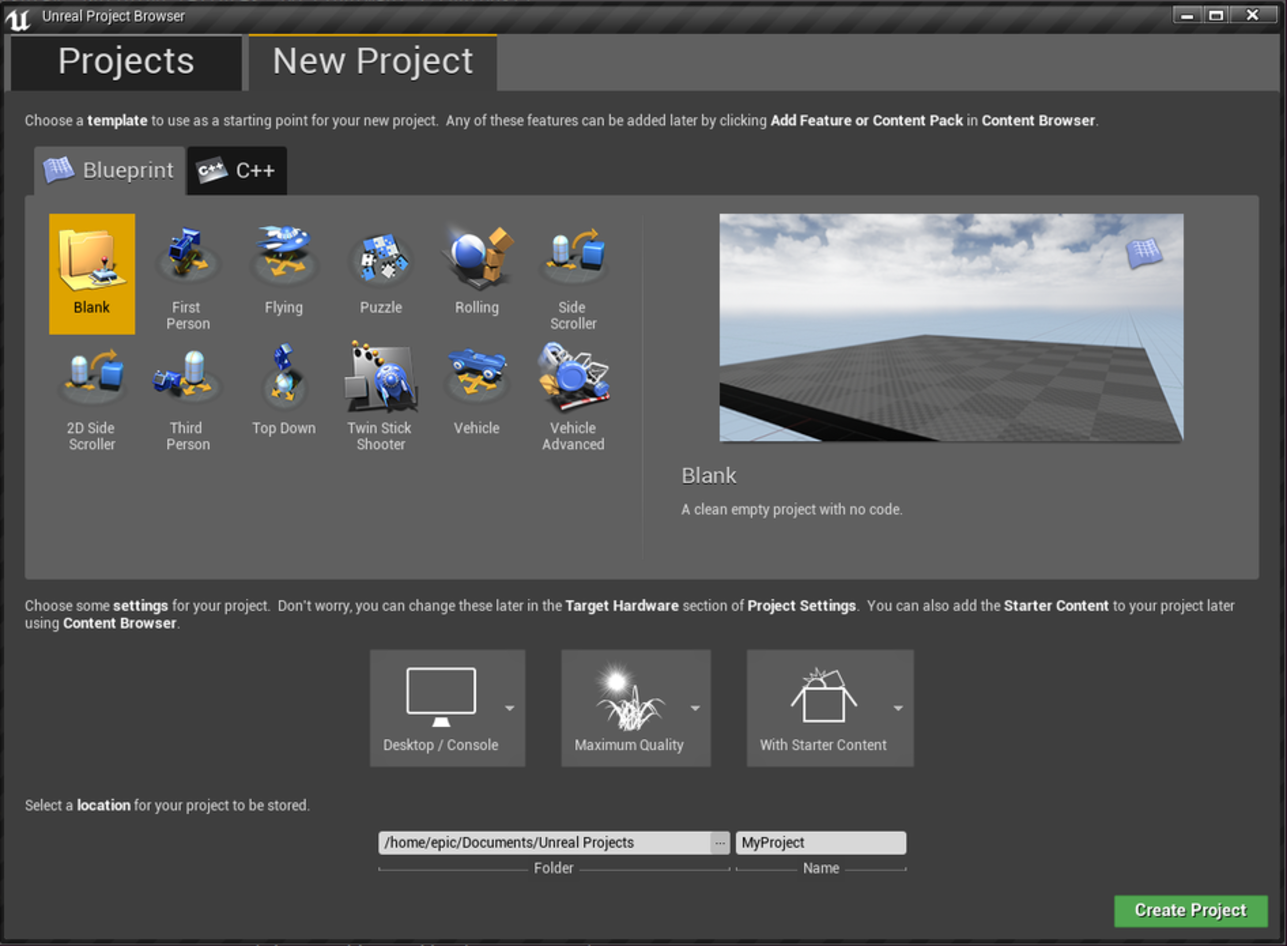
Unreal Engine 4は、世界で最もオープンで高度なリアルタイム3D作成ツールを備えたEpic Gamesによって開発されたゲームエンジンです。最先端のゲームエンジンとしての本来の目的だけでなく、今日の創造者に、最先端のコンテンツ、インタラクティブな体験、没入型の仮想世界を提供する自由と制御を継続的に提供するために継続的に進化しています。
Unreal Engine 4のLinuxゲーム開発4
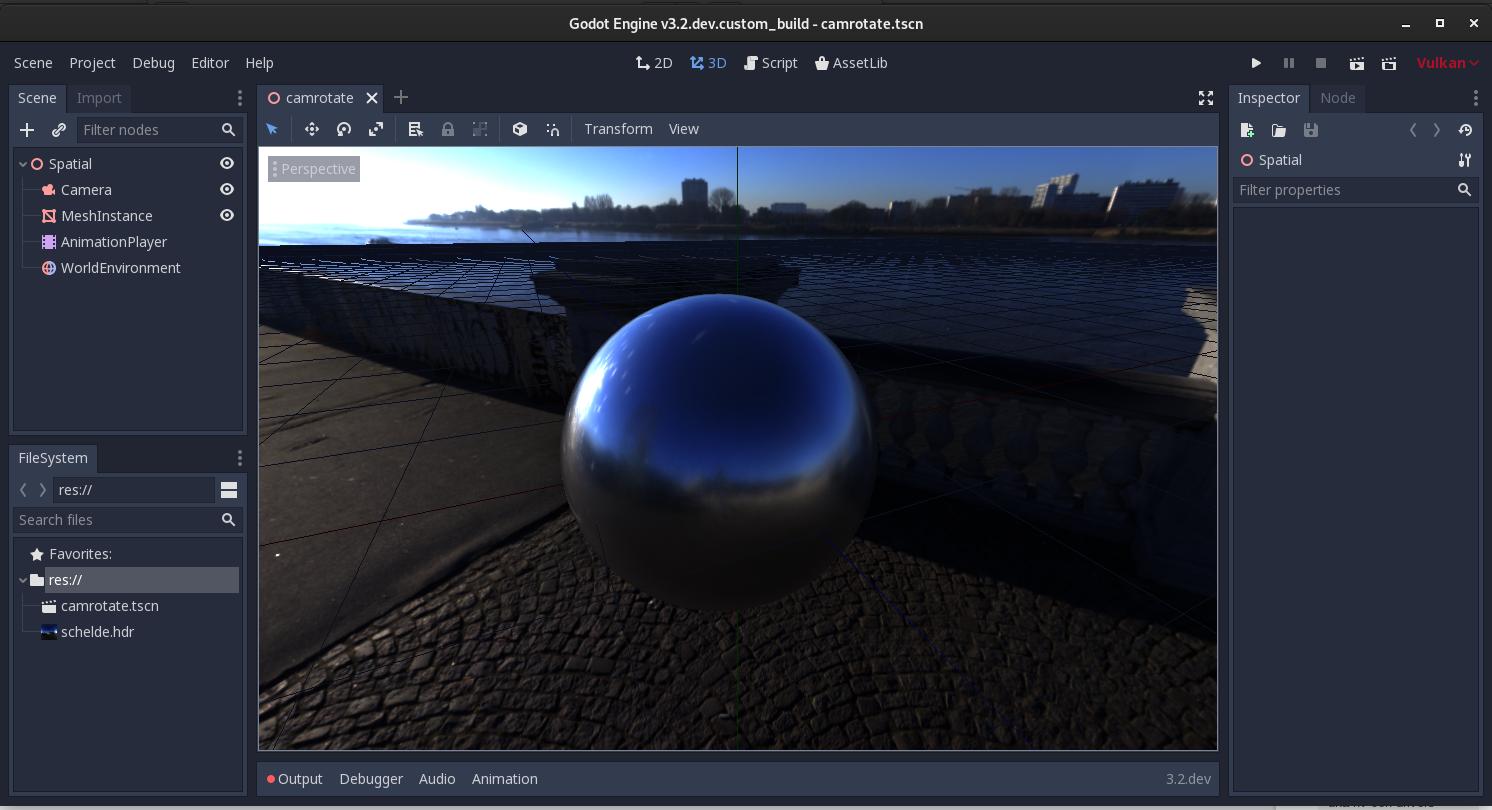
Godot Engineは、統一されたインターフェイスから2Dおよび3Dゲームを作成する機能が満載のクロスプラットフォームゲームエンジンです。ユーザーがホイールを再発明することなくゲームを作成することに集中できるように、包括的な一般的なツールセットを提供します。ゲームは、主要なデスクトッププラットフォーム(Linux、Mac OSX、Windows)、モバイル(Android、iOS)、Webベース(HTML5)プラットフォームなど、多くのプラットフォームにワンクリックでエクスポートできます。
Godotプロジェクトに寄付したい場合
ブレンダーは、無料でオープンソースの3Dクリエーションスイートです。モデリング、リギング、アニメーション、シミュレーション、レンダリング、コンポジットとモーショントラッキング、ビデオ編集、2Dアニメーションパイプラインなど、3Dパイプラインの全体をサポートします。
ブレンダープロジェクトに寄付したい場合

Unigineは、インタラクティブな3Dアプリで作業する開発チーム(C ++/C#プログラマー、3Dアーティスト)向けに設計されたクロスプラットフォームゲームエンジンです。

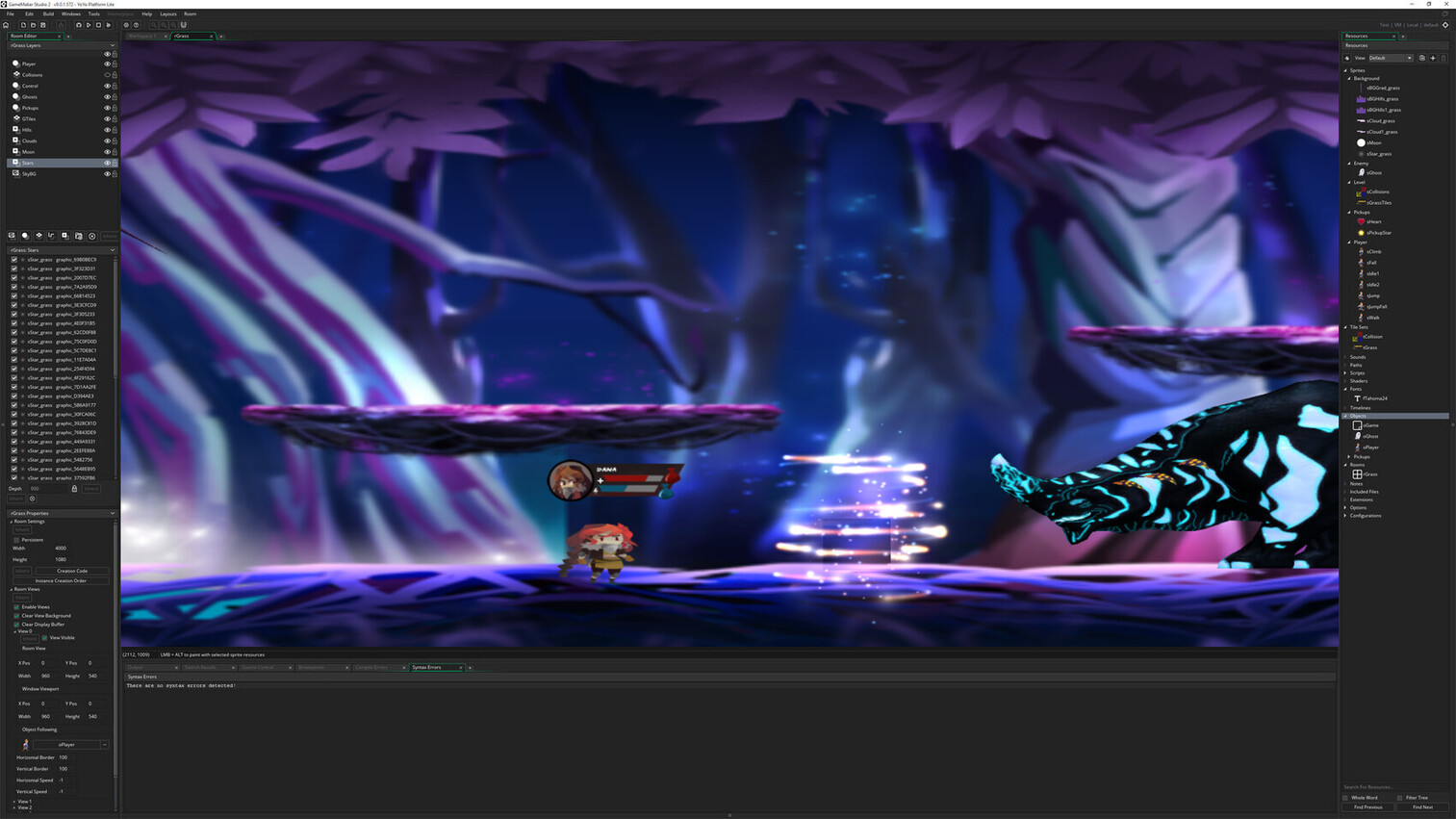
GameMaker Studio 2は、Gamemakerの最新かつ最大の化身です。コンセプトから完成したゲームに至るまでアイデアをとるために必要なものはすべて揃っています。 Entryの障壁と強力な機能がないため、GameMaker Studio 2は究極の2D開発環境です。
UbuntuのGameMaker Studioのセットアップ
Panda3Dは、DisneyとCMUが開発したPythonおよびC ++プログラムの3Dレンダリングとゲーム開発のフレームワークであるゲームエンジンです。 Panda3Dはオープンソースであり、商業ベンチャーを含むあらゆる目的で無料です。
Source 2は、ソースの後継者としてValveによる開発中の3Dビデオゲームエンジンです。 Dota 2、Artifact、Dota Underlords、Labの一部、Steamvr Home、およびHalf-Life:Alyxで使用されています。
Open Graphics Library(OpenGL)は、現在Khronos Groupが開発した2D/3D Vectorグラフィックスのハードウェアアクセラレーションレンダリング用のMulitpleプログラミング言語とプラットフォームで使用されるAPIです。
Open Computing Language(OPENCL)は、CPU、GPU、およびスーパーコンピューター、クラウドサーバー、パーソナルコンピューター、モバイルデバイス、埋め込まれたプラットフォームで見つかったCPU、GPU、およびその他のハードウェアアクセラレータで構成される不均一なプラットフォームの並列プログラミングのオープン標準です。
OpenGLシェーディング言語(GLSL)は、Cスタイルの言語に基づいた高レベルのシェーディング言語であるため、ユーザーがそのような言語で期待する機能のほとんどをカバーしています。制御構造(loops、if-elseステートメントなど)など、Switchステートメントを含むGLSLには存在します。
高レベルのシェーディング言語(HLSL)は、DirectXの高レベルのシェーディング言語です。 HLSLを使用して、ユーザーはDirect3Dパイプライン用にCのようなプログラム可能なシェーダーを作成できます。 HLSLは、プログラム可能な3Dパイプラインをセットアップするために、DirectX 9で最初に作成されました。
Vulkanは、PCやコンソールから携帯電話や組み込みプラットフォームまで、さまざまなデバイスで使用される最新のGPUへの高効率でクロスプラットフォームアクセスを提供する最新のクロスプラットフォームグラフィックおよびコンピューティートAPIです。バルカンは現在、クロノスコンソーシアムによって開発中です。
MoltenVKは、AppleのMetal Graphics Frameworkを使用して、iOSおよびMacOSで実行されているVulkanの実装です。
Moltenglは、AppleのMetal Graphics Frameworkで実行されるOpenGL ES 2.0 APIの実装です。
Nvidia Omniverseは、Pixarのユニバーサルシーンの説明とNVIDIA RTXに基づいた3D生産パイプラインの強力でマルチGPUのリアルタイムシミュレーションおよびコラボレーションプラットフォームです。
HGIGは、HDRでの消費者ゲーム体験を改善するために、公開ガイドラインを指定および利用できるようにするために会うゲームおよびテレビディスプレイ業界の企業のボランティアグループです。
Three.JSは、WebGLを使用してWebブラウザーでアニメーション化された3Dコンピューターグラフィックスの作成と表示に使用されるクロスブラウザーJavaScriptライブラリおよびアプリケーションプログラミングインターフェイスです。
SuperPowersは、リアルタイムコラボレーションプロジェクト向けのダウンロード可能なHTML5アプリです。通常のオフラインゲームメーカーのようにソロを使用したり、パスワードをセットアップしたり、Webブラウザーを介して友人をプロジェクトに参加させることができます。
LinuxのSteamvrは、選択したハードウェアでVRコンテンツを体験するための究極のツールです。 SteamVRは、バルブインデックス、HTC Vive、Oculus Rift、Windows Mixed Reality Headsetなどをサポートしています。

Steamvr Home
OpenVRは、アプリケーションがターゲットを絞っているハードウェアの特定の知識をアプリケーションに持っていることを要求することなく、複数のベンダーからVRハードウェア(Steam Index、HTC Vive、およびOculus Rift)にアクセスできるAPIとランタイムです。
SteamのOpenVRベンチマークは、実際のVRパフォーマンスを再現できるように再現してVRヘッドセットの内側にレンダリングするための最初のベンチマークツールです。
OpenHMDはオープンソースAPIおよびOculus Rift、HTC Vive、Sony PSVRなどの幅広いHMD(ヘッドマウントディスプレイ)デバイスをサポートするドライバーです。
OpenXRは、拡張現実(AR)およびVirtual Reality(VR)への高性能アクセスをXR(プラットフォームとデバイス)と総称するための高性能アクセスを提供する無料のオープン標準です。
Monadoは、GNU/Linuxの最初のOpenXR™ランタイムです。 Monadoは、オープンソースXRエコシステムの開発を開始し、デバイスベンダーがGNU/Linuxプラットフォームをターゲットにするための基本的な構成要素を提供することを目指しています。
Libsurviveは、灯台とViveベースのシステムでの6つのDOFトラッキングを可能にし、完全にオープンソースであり、あらゆるデバイスで実行できるツールとライブラリのセットです。現在、STEAMVR 1.0とSTEAMVR 2.0のデバイス生成の両方をサポートしており、市販されている追跡オブジェクトをサポートする必要があります。
Simulaは、Godotの上で実行されるLinuxのVRウィンドウマネージャーです。インストールには1分もかかりません。 Simulaは、Linuxドライバーを装備したSteamVRヘッドセットと正式に互換性があります(HTC Vive、HTC Vive Pro、&Valve Indexなど)。また、Monadoドライバー(North Star、OSVR HDK、PSVRなど)を備えたOpenXRヘッドセットに実験的サポートを追加しました。一部の人々は、OpenHMDを介してSimulaを実行するためにOculus Rift Sを手に入れました(こちらを参照)。
Unreal Online Learningは、実践的なビデオコースとガイド付き学習パスを提供する無料の学習プラットフォームです。
Unreal Engine認定トレーニングプログラム
教育のための非現実的なエンジン
非現実的なエンジントレーニングとシミュレーション
UNITY認定
Vulkanを始めましょう
Udemyのゲームデザインオンラインコース
SkillShareからのゲームデザインオンラインコース
EDXのオンラインコースとクラスでゲームデザインを学ぶ
Courseraのゲームデザインコース
Courseraのゲーム設計と開発の専門化コース
トップに戻ります
要件
Open the terminal and run:
sudo apt install qemu uml-utilities virt-manager dmg2img git wget libguestfs-tools p7zip
Sosumiは、VMにMacOSをダウンロードしてインストールできるアプリです。 APPはMacOS-Simple-KVMに基づいています。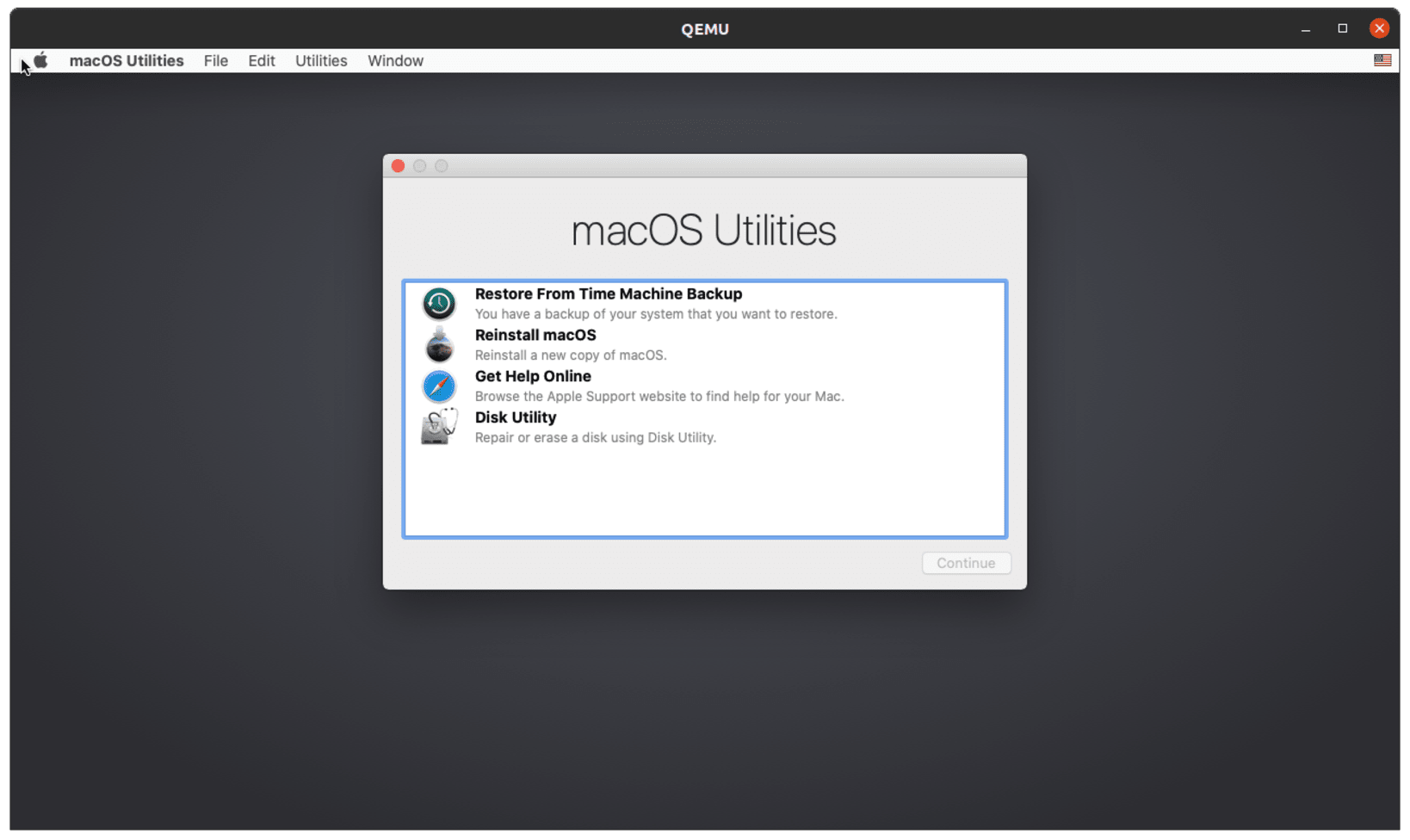
MacosのOpencore
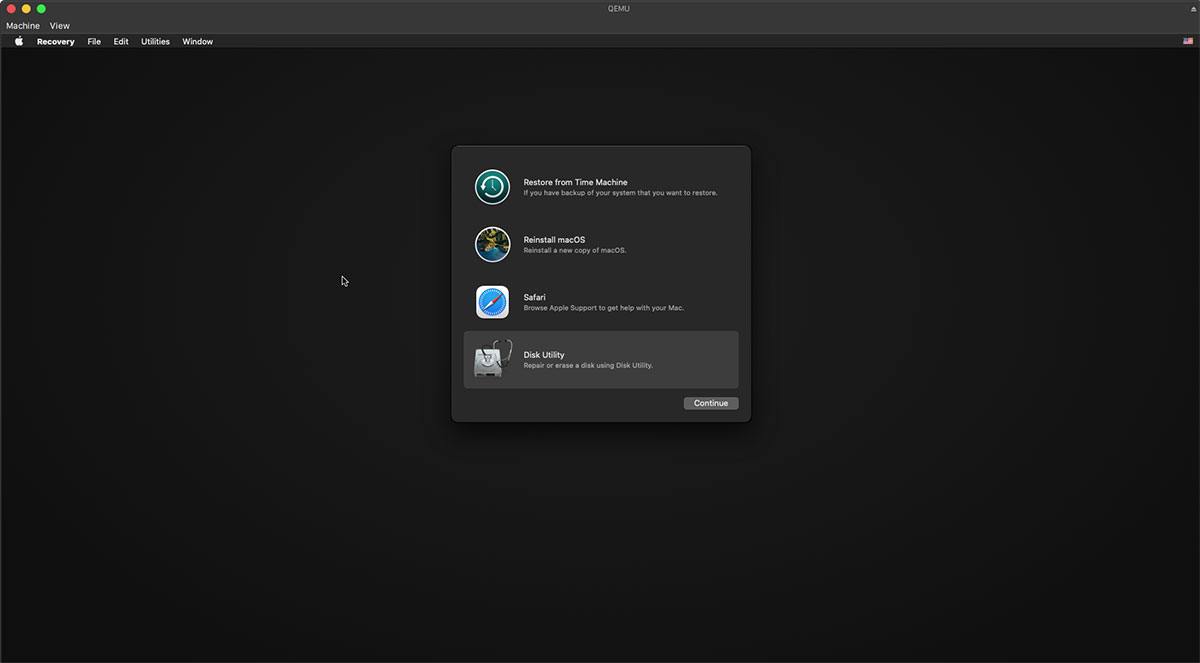
トップに戻ります
要件
Open the terminal and run:
sudo apt install qemu uml-utilities virt-manager gnome-boxes
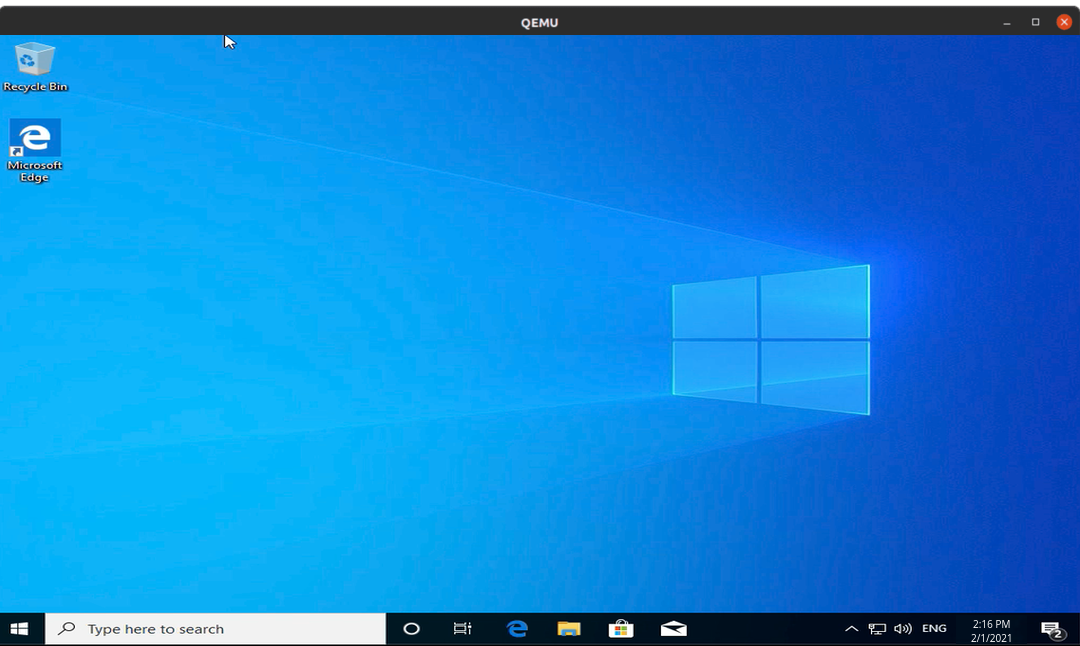
Gnome Boxesは、仮想マシンにアクセスできるアプリケーションで、ローカルまたはリモートで実行されます。また、リモートコンピューターの表示に接続することもできます。
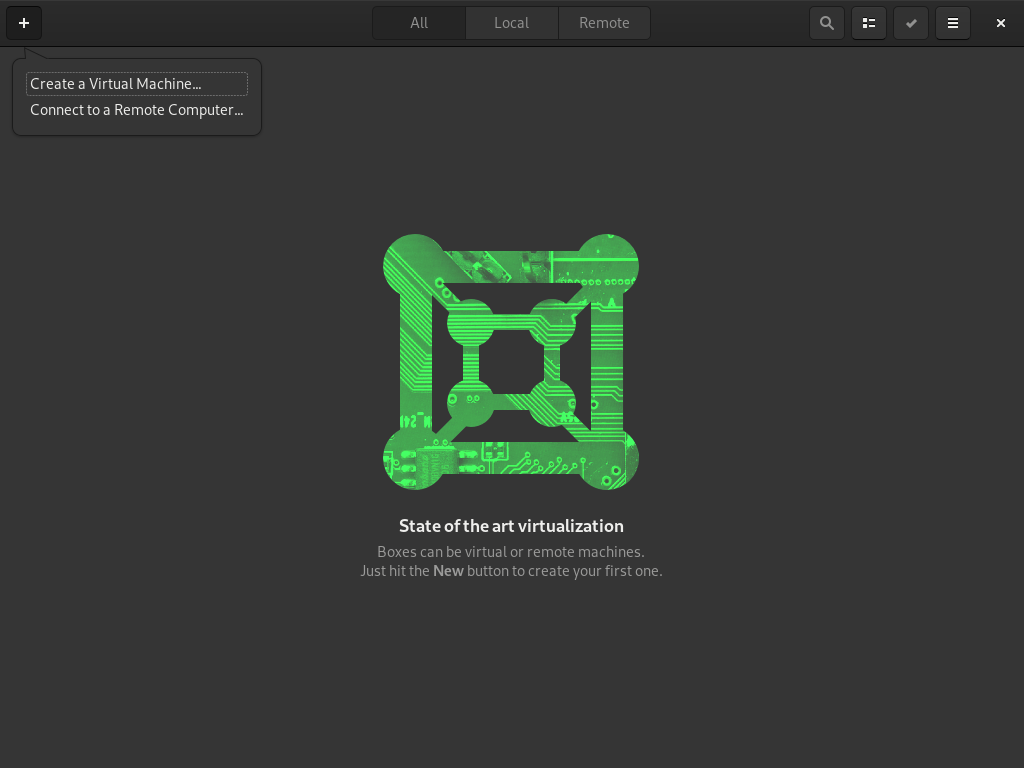
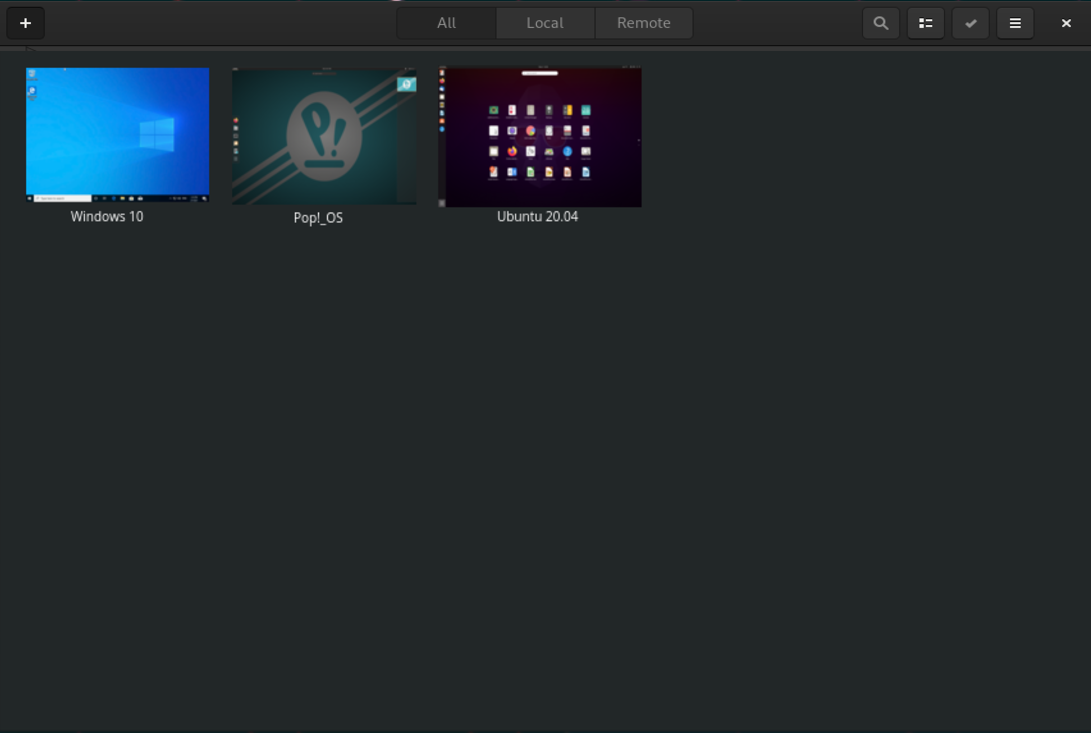
Windows 10のOpenCore
トップに戻ります
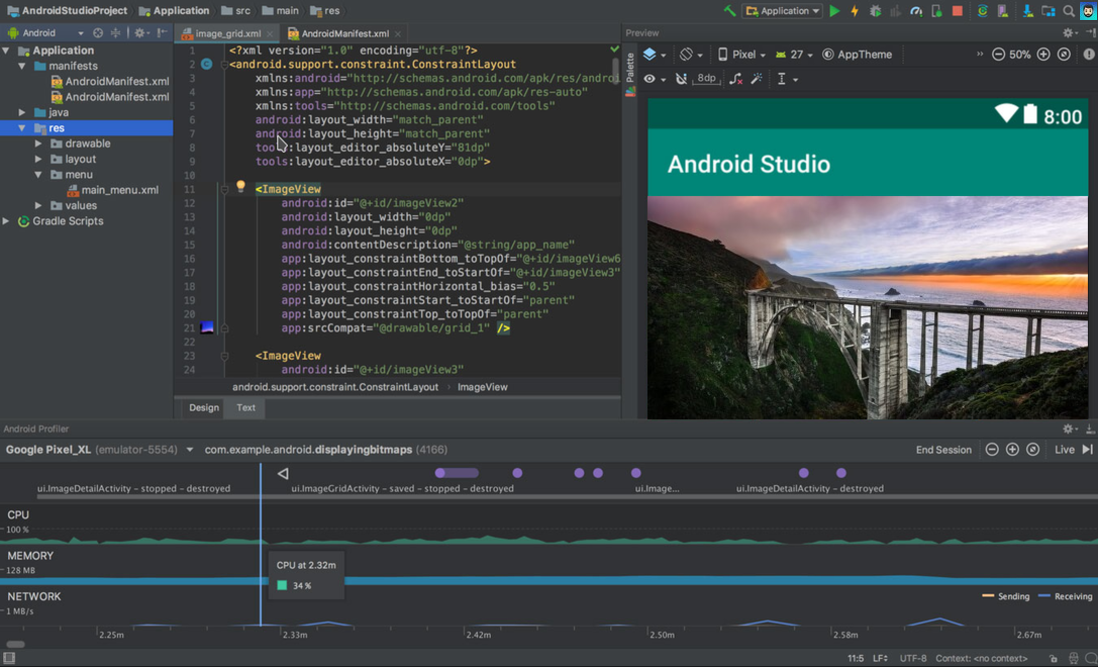
Android Studioは、GoogleのAndroidオペレーティングシステム(OS)の開発スイートです。 JetBrains Intellij Ideaソフトウェアに基づいて構築されており、Android開発専用に設計されています。 Windows、MacOS、Linuxでダウンロードできます。
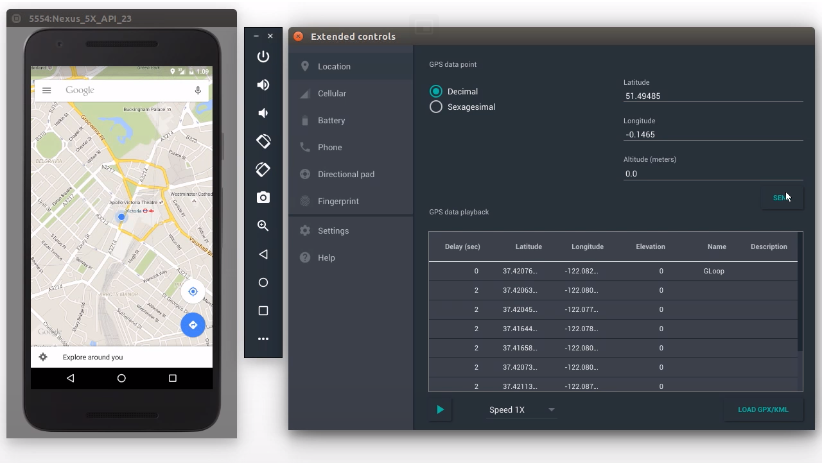
Android Virtual Device(AVD)は、Android携帯電話、タブレット、Wear OS、Android TV、またはAndroidエミュレータでシミュレートしたいAutomotive OSデバイスの特性を定義するAndroid Studioの構成です。 Androidエミュレーターは、コンピューター上のAndroidデバイスをシミュレートするため、各物理デバイスを使用する必要なく、さまざまなデバイスおよびAndroid APIレベルでアプリケーションをテストできます。
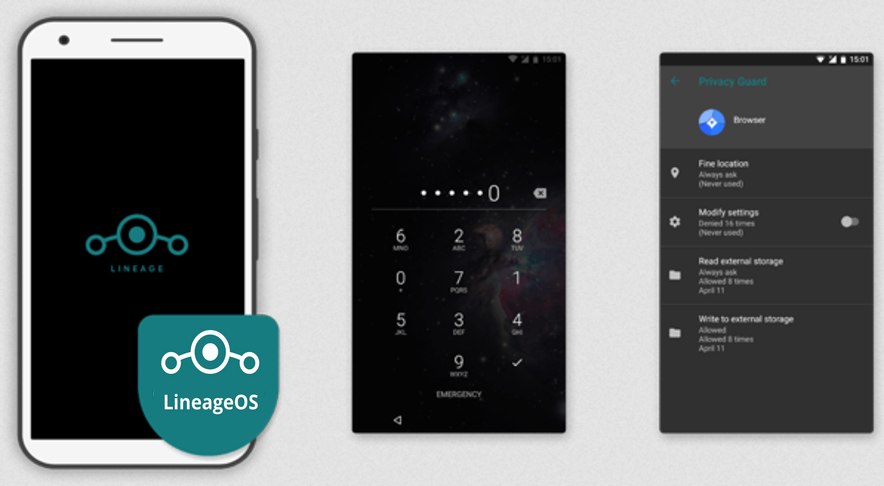
Lineageosは、Androidモバイルプラットフォームに基づいた、さまざまなデバイス用の無料のオープンソースオペレーティングシステムです。
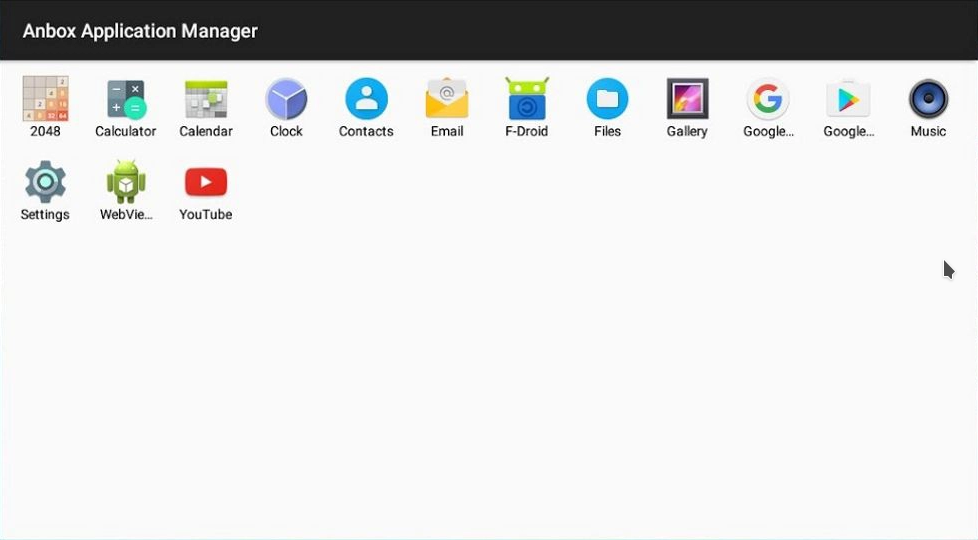
Anboxは、Ubuntu、Debian Fedora、OpenSuseなどの通常のGNU/Linuxシステムで完全なAndroidシステムを起動するためのコンテナベースのアプローチを提供するアプリケーションです。
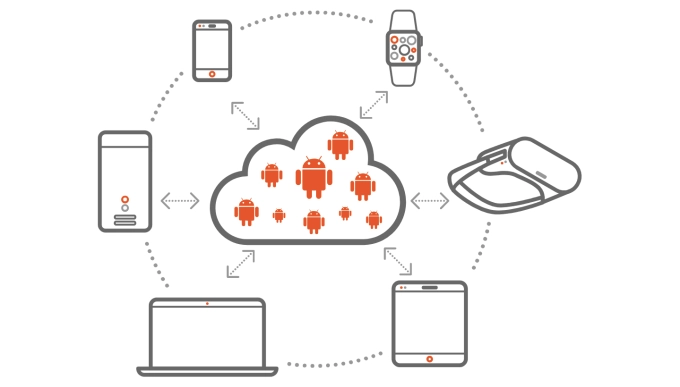
Anbox Cloudは、Canonicalが提供するモバイルクラウドコンピューティングプラットフォームです。クラウド、ハイスケール、およびあらゆる種類のハードウェアでAndroidを実行します。
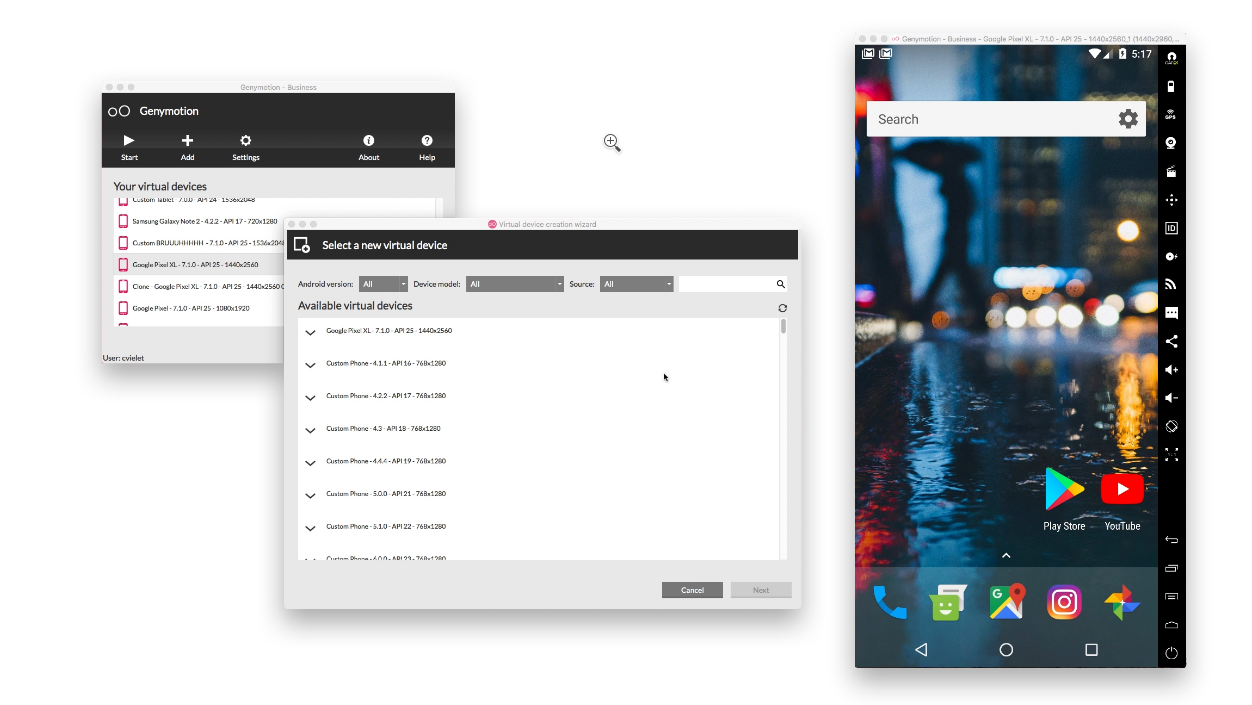
Genymotionは非常に高速なAndroidエミュレーターです。プログラム自体はVirtualBoxに基づいており、効果的に高速で知られており、Windows、Mac、LinuxデスクトップでAndroidアプリを実行するのに有用です。
デスクトップ
パフォーマンスが高いローカル仮想デバイス。
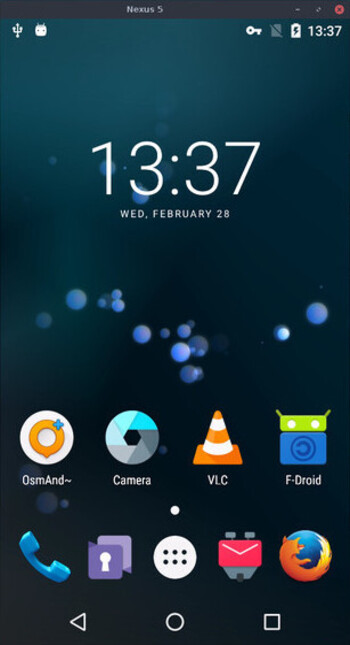
SCRCPYは、USBで接続されたAndroidデバイスの表示と制御を提供するGenymotionによるアプリケーションです(またはTCP/IPを超えて)。ルートアクセスを必要とせず、GNU/Linux、Windows、MacOで動作します。 Androidデバイスには、少なくともAPI 21(Android 5.0)が必要です。
トップに戻ります
H.264(AVC)は、最大8kのサポートを備えた複数のプロファイル(ツール)とレベル(最大ビットレートと解像度)を定義するブロック指向およびモーション補償の整数DCTコーディングに基づくビデオ圧縮標準です。
H.265(HEVC)は、H.264(AVC)の後継者であるビデオ圧縮標準です。同じレベルのビデオ品質で25%から50%のデータ圧縮、または同じビット率でビデオ品質を向上させます。
FFMPEGは、人間や機械が作成したほとんどすべてのものをデコード、エンコード、トランスコード、MUX、Demux、Stream、Filter、および再生できる主要なマルチメディアフレームワークです。これは、Windows、MacOS、Linuxなどの複数のプラットフォーム上の最先端の形式まで、最もあいまいな古代形式をサポートしています。
Handbrakeは、広くサポートされているコーデックを選択したほぼすべてのフォーマットからビデオをトランスコーディングするためのツールです。ウィンドウ、MacOS、Linuxでサポートされています。
HTTP(DASH)を介した動的な適応ストリーミングは、ビデオを再生し続けるために、ビデオストリームがネットワークパフォーマンスに基づいてビットレートを切り替えることを可能にする適応ストリーミングプロトコルです。
OpenMax™は、加速されたマルチメディアコンポーネントを複数のオペレーティングシステムとシリコンプラットフォームで開発、統合、プログラムできるようにすることにより、包括的なストリーミングメディアコーデックとアプリケーションポータビリティを提供するクロスプラットフォームAPIです。
Davinci Resolveは、プロの8K編集、色補正、視覚効果、オーディオポストプロダクションをすべて1つのソフトウェアツールに組み合わせた世界で唯一のソリューションです!編集、色、エフェクト、オーディオの間で1回のクリックですぐに移動できます。 Davinci Resolve Studioは、マルチユーザーコラボレーション用に設計された唯一のソリューションでもあるため、編集者、アシスタント、カラリスト、VFXアーティスト、サウンドデザイナーはすべて、同じプロジェクトで同時にライブで作業できます。
Blenderには、組み込みのビデオシーケンスエディターが付属しているため、ビデオカットやスプライシングなどの基本的なアクションを実行できます。また、ビデオマスキングやカラーグレーディングなどのより複雑なタスクを実行できます。ビデオエディターには、ライブプレビュー、Luma波形、Chroma Vectorscope、およびヒストグラムディスプレイが含まれます。オーディオミキシング、同期、スクラブ、波形の視覚化。
Kdenliveは、無制限のマルチメディアファイルをサポートするオープンソースビデオ編集ツールです。 MLTフレームワーク、KDEおよびQTに基づいています。機能が満載の非常に多用途のビデオ編集ツールを探している人。最新の20.08リリースは、インターフェイスレイアウト、複数のオーディオストリームサポート、Cachedデータ管理、クリップモニターとエフェクトパネルのズームバーなどの気の利いた機能を備えていますが、このリリースのハイライトは安定性とインターフェイスの改善であると主張する場合があります。
OpenShotは、編集環境で新しいユーザー向けに設計されたオープンソースビデオ編集ツールです。シンプルなドラッグアンドドロップ機能などのシンプルな機能があり、使いやすく迅速なラーンユーザーインターフェイスを提供します。強力なビデオエディターは、ビデオをカットしてトリミングするための効率的な方法をたくさん提供しています。無制限のトラック、ビデオエフェクトエンジン、タイトルエディター、3Dアニメーション、スローモーション、および時間効果を自由に利用できます。 WebM(VP9)、AVCHD(LIBX264)、HEVC(LIBX265)、MP3(LIBMP3LAME)やAAC(LIBFAAC)などのオーディオコーデックなどのFFMPEGによってサポートされる一般的に使用されるビデオコーデックをサポートします。このプログラムは、YouTubeなどのインターネットビデオWebサイトにアップロードするためのMPEG4、OGV、Blu-ray、DVDビデオ、およびフルHDビデオをレンダリングできます。
Lightworksは、映画業界が使用するデジタルビデオの編集とマスタリングのための非線形ビデオ編集アプリケーションです。そのプロフェッショナル版は、シャッターアイランド、パルプフィクション、ミッションインポッシブルなどの興行収入に使用されています。威圧的なユーザーインターフェイス。 Adobe Premiere Proなどのプロのビデオ編集者と同様に、LightWorksは新しいユーザーに使用するのがかなり複雑です。
ShotCutは、オープンソースのマルチプラットフォームビデオエディターです。ビデオ編集(4Kビデオ品質を含む)、エフェクトの追加、新しい映画の作成、ほとんどの画像ファイル形式のインポート、ほぼすべてのファイル形式へのエクスポートなど、さまざまなアクションを実行できます。
Oliveは、ハイエンドのプロフェッショナルビデオ編集ソフトウェアの完全に食事を提供する代替品を提供することを目的とした無料の非線形ビデオエディターです。
Natronは、2D/2.5Dのすべてのニーズをすべて処理できる強力なデジタルコンポジタです。その堅牢なOIIOファイル形式とOpenFXアーキテクチャは、Natronを視覚効果コミュニティにとって最も柔軟なオープンソースコンポジタにするものです。そのインターフェイスと機能的には、MacOS、Linux、Windowsなどのすべてのプラットフォームで同じです。
OBS(Open Broadcaster Software)は、ビデオ録画とライブストリーミング用の無料でオープンソースソフトウェアです。 Twitch、YouTube、その他多くのプロバイダーにストリーミングしたり、高品質のH264 / AACエンコードで自分のビデオを録音したりします。
Reaperは、コンピューター向けの完全なデジタルオーディオ制作アプリケーションであり、完全なマルチトラックオーディオとMIDIの録音、編集、処理、ミキシング、マスタリングツールセットを提供します。
Jack Audio Connection Kit別名Jackは、APIを実装するアプリケーション間のオーディオデータとMIDIデータの両方にリアルタイムで低遅延の接続を提供するプロフェッショナルなサウンドサーバーデーモンです。ジャックは、ネットワークを介してオーディオデータを「マスター」マシンに送信するように構成できます。これにより、オーディオが物理デバイスに出力されます。これは、追加のケーブルやハードウェアミキサーを必要とせずに、多くの「スレーブ」コンピューターのオーディオを混合し、オーディオパスをできるだけ長くデジタルに保つのに役立ちます。
Bitwig Studioは、サウンドデザイン、録音、ライブパフォーマンスなどのための線形および非線形のワークフローを備えたデジタルオーディオワークステーションです。 90以上の楽器、エフェクト、およびその他の創造的なツールに加えて。サポートされているWindows、MacOS、Linuxです。
Pipewireは、マルチメディアパイプラインを扱うサーバーおよびユーザースペースAPIです。これは、PulseaudioとJackの両方が現在処理されているユースケースをサポートするために使用できる、オーディオおよびビデオデバイスの上に低遅延のグラフベースの処理エンジンを提供します。 Pipewireは、コンテナ化されたアプリケーションからのオーディオおよびビデオデバイスと対話するための強力なセキュリティモデルを使用して設計されました。グラフ内のノードは、個別のプロセスとして実装でき、ソケットと通信し、FDの合格を使用してマルチメディアコンテンツを交換できます。
Yabridgeは、LinuxでWindows VST2およびVST3プラグインを使用するモダンで透明な方法です。 Yabridgeは、64ビットLinux VSTホストの32ビットと64ビットのWindows VST2およびVST3プラグインを使用して、まるでネイティブVST2およびVST3プラグインであるかのようにシームレスにサポートし、VST2プラグインのプラギン間通信とクイックスタートアップ時間を可能にするプラグイングループのオプションのサポートがあります。
Sonobusは、インターネット上またはローカルネットワーク上のデバイス間の高品質で低い低下のピアツーピアオーディオをストリーミングするための使いやすいアプリケーションです。
Avid Pro Toolsは、ソングライター、ミュージシャン、プロデューサー、エンジニア向けの業界標準オーディオ生産ソフトウェアです。
LMMSは、オープンソースのデジタルオーディオワークステーションアプリケーションプログラムです。 LMMSが適切なコンピューターハードウェアとペアになると、サンプルの配置、サウンドの合成、MIDIキーボードでの再生、トラッカーとシーケンサーの機能を組み合わせることで音楽を作成できます。 Paul GiblockとTobias Junghansによって開発されたこのプログラムは、「Linux Multimedia Studio」の略で、さまざまなオペレーティングシステムで動作できる便利なプラグインをサポートしています。
Ardorは、ミュージシャン、プログラマー、プロのレコーディングエンジニアを含む世界的なチームのオープンソースの協力的な努力です。開発は透明です - 誰でもそれが起こると私たちの仕事を見ることができます。ヴィンテージのハードウェアの良い部分のように、箱を開けて中を見ることができます。
Audacityは、Windows、Mac OS X、GNU/Linux、その他のオペレーティングシステム用の使いやすいマルチトラックオーディオエディターおよびレコーダーです。オープンソースとしてボランティアのグループによって開発され、無料で提供されました。素晴らしいサポートコミュニティ。
Glimpseは、Linux、MacOS、およびWindowsで利用できるGNU画像操作プログラムに基づいたクロスプラットフォームラスターグラフィックエディターです。 YouTubeビデオサムネイルを作成するための素晴らしいツール。
トップに戻ります

Kubernetes(K8S)は、コンテナ化されたアプリケーションの展開、スケーリング、および管理を自動化するためのオープンソースシステムです。
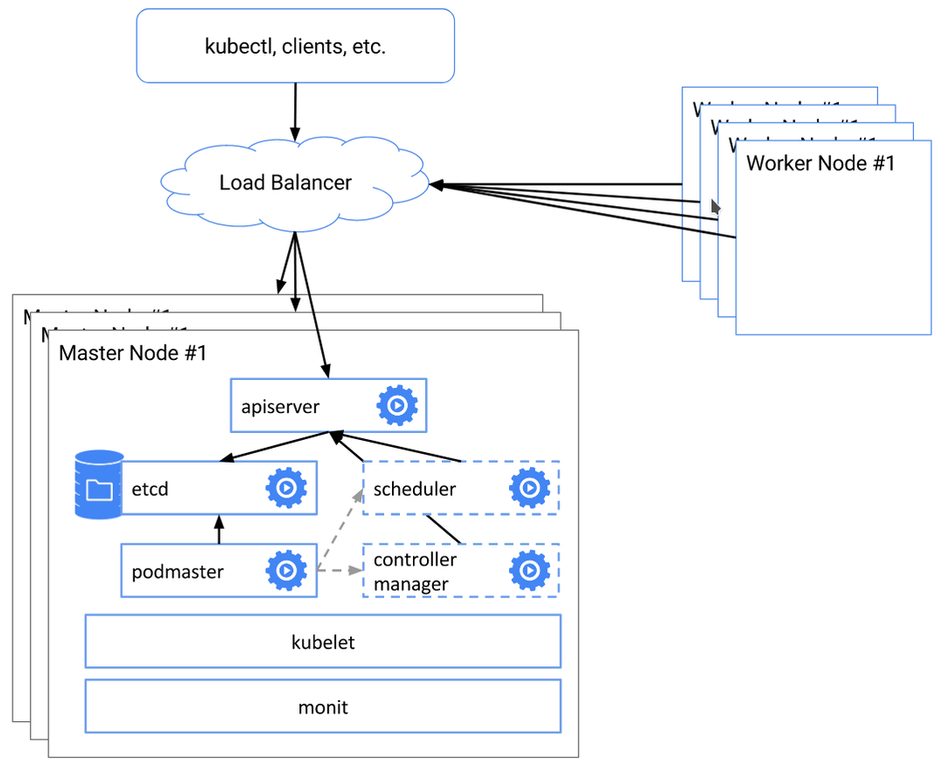
Kubeadmを使用した高度に利用可能性(HA)クラスターの構築。出典:Kubernetes.io、2020
Google Kubernetes Engine(GKE)は、コンテナ化されたアプリケーションを実行するための管理対応の生産対応環境です。
Azure Kubernetesサービス(AKS)は、統合された継続的な統合と継続的配信(CI/CD)エクスペリエンス、およびエンタープライズグレードのセキュリティとガバナンスを備えたサーバーレスKubernetesです。開発チームとオペレーションチームを単一のプラットフォームで統合して、自信を持ってアプリケーションを迅速に構築、配信、拡張します。
Amazon EKSは、複数の可用性ゾーンでKubernetesコントロールプレーンインスタンスを実行して、高可用性を確保するツールです。
Kubernetes(ACK)のAWSコントローラーは、KubernetesのAWSサービスを直接管理できる新しいツールです。 ACKにより、AWSサービスを利用するスケーラブルで利用可能なKubernetesアプリケーションを簡単に構築できます。
Kubernetes用のコンテナエンジン(OKE)は、Oracleが管理したコンテナオーケストレーションサービスで、最新のクラウドネイティブアプリケーションを構築するための時間とコストを削減できます。他のほとんどのベンダーとは異なり、Oracle Cloud Infrastructureは、Kubernetes用のコンテナエンジンを、より高いパフォーマンスの低コストのコンピューティングで実行する無料サービスとして提供します。
Anthosは、クラウドおよびオンプレミスの環境に一貫した開発と運用の経験を提供する最新のアプリケーション管理プラットフォームです。
Red Hat OpenShiftは、オンプレミス、ハイブリッド、およびマルチラウドの展開の基盤を提供する完全に管理されたKubernetesプラットフォームです。
OKDは、継続的なアプリケーション開発とマルチテナント展開のために最適化されたKubernetesのコミュニティ配信です。 OKDは、Kubernetesに加えて開発者と運用中心のツールを追加して、迅速なアプリケーション開発、簡単な展開とスケーリング、および大規模および大規模なチームの長期的なライフサイクルメンテナンスを可能にします。
ODOは、KubernetesとOpenShiftにアプリケーションを書き、構築し、展開する開発者向けの高速で反復的で簡単なCLIツールです。
Kataオペレーターは、OpenShiftおよびKubernetesクラスターでKataランタイムのライフサイクル管理(インストール/アップグレード/アンインストール)を実行するオペレーターです。
サノスは、無制限のストレージ容量を備えた高度に利用可能なメトリックシステムに構成できるコンポーネントのセットであり、既存のPrometheusの展開の上にシームレスに追加できます。
OpenShift Hiveは、Kubernetes/OpenShiftの上にサービスとして実行されるオペレーターです。 Hiveサービスを使用して、OpenShift 4クラスターの初期構成をプロビジョニングおよび実行できます。
Rookは、分散型ストレージシステムを自己管理、自己スケーリング、自己修復ストレージサービスに変えるツールです。展開、ブートストラップ、構成、プロビジョニング、スケーリング、アップグレード、移行、災害復旧、監視、リソース管理のストレージ管理者のタスクを自動化します。
VMware Tanzuは、複数のチームとプライベート/パブリッククラウドにわたって、Kubernetesインフラストラクチャと最新のアプリケーションを一貫して運用および保護するための集中管理プラットフォームです。
Kubesprayは、KubernetesとAnsibleを組み合わせて、AWS、GCE、Azure、OpenStack、VSphere、Packet(Bare Metal)、Oracle Cloud Infrastructure(実験)、またはBaremetalに展開できるKubernetesクラスターを簡単にインストールするツールです。
Kubeinitは、複数のKubernetes分布の展開と構成のためのAnsible Playbookと役割を提供します。
Rancherは、コンテナを採用するチーム向けの完全なソフトウェアスタックです。複数のKubernetesクラスターを管理するという運用およびセキュリティの課題に対処し、DevOpsチームにコンテナ化されたワークロードを実行するための統合ツールを提供します。
K3Sは、無人でリソースに制約されたリモートの場所またはIoTアプライアンス内の生産ワークロード用に設計された、非常に利用可能で認定されたKubernetes分布です。
HelmはKubernetesパッケージマネージャーツールであり、Kubernetesアプリケーションのインストールと管理を容易にします。
Knivateは、最新のサーバーレスワークロードを構築、展開、および管理するためのKubernetesベースのプラットフォームです。 Knativeは、ネットワーキング、自動強化(ゼロまで)、およびリビジョン追跡の運用上のオーバーヘッドの詳細を処理します。
Kubeflowは、Kubernetesの機械学習(ML)ワークフローの展開をシンプルでポータブルでスケーラブルにすることに専念するツールです。
etcdは、分散システムまたはマシンのクラスターによってアクセスする必要があるデータを保存する信頼できる方法を提供する分散キー値ストアです。 etcdは、サービスディスカバリーのバックエンドとして使用され、kubernetesのクラスター状態と構成を保存します。
OpeneBSは、コンテナ接続ストレージを使用してステートフルアプリケーションを作成するためのKubernetesベースのツールです。
コンテナストレージインターフェイス(CSI)は、Kubernetesなどのコンテナオーケストレーションプラットフォームをプラグインを介して保存されたデータとシームレスに通信できるAPIです。
MicroK8Sは、完全なKubernetesエクスペリエンスを提供するツールです。超信頼性の高い操作のために、圧縮されたオーバーザエアアップデートを備えた完全なコンテナ化された展開で。 Linux、Windows、およびMacOSでサポートされています。
charmed kubernetesは、カノニカルによって開発されたマルチクラウド環境向けに最適化された、よく統合されたターンキーのコンフォーマントクベルネートプラットフォームです。
Grafana Kubernetesアプリは、Kubernetesクラスターのパフォーマンスを監視できる通行料です。 4つのダッシュボード、クラスター、ノード、ポッド/コンテナ、展開が含まれます。これにより、必要なプロメテウス輸出業者の自動展開と、クラスターPrometheusの展開で使用するデフォルトのスクレイプ構成が可能になります。
Kubeedgeは、エッジでホストにネイティブコンテナ化されたアプリケーションオーケストレーション機能を拡張するためのオープンソースシステムです。それはKubernetes上に構築され、ネットワーク、APPの基本的なインフラストラクチャサポートを提供します。クラウドとエッジの間の展開とメタデータの同期。
レンズは、毎日Kubernetesクラスターに対処する必要がある人々にとって最も強力なIDEです。 MacOS、Windows、Linuxオペレーティングシステムをサポートしています。
Kindは、Dockerコンテナ「ノード」を使用してローカルKubernetesクラスターを実行するためのツールです。主にKubernetes自体をテストするために設計されていましたが、ローカル開発またはCIに使用される場合があります。
Flux CDは、Kubernetesクラスターの状態がGitで提供した構成と一致することを自動的に保証するツールです。クラスター内のオペレーターを使用して、Kubernetes内の展開をトリガーします。つまり、個別の連続配信ツールは必要ありません。
Kubernetes認定を取得します
AWSでKubernetesを始めます
Microsoft AzureのKubernetes
Azure Kubernetesサービスへのイントロ
Google Cloudを始めましょう
赤い帽子のkubernetesを始めます
IBMでKubernetesを始めます
KubernetesのYaml基本
Kubernetesの弾性雲
DockerとKubernetes
Azure Kubernetesサービスクラスターにモデルを展開します
Amazon Sagemakerオペレーターを使用してKubernetesの機械学習推論を簡素化する
KubernetesでApache Sparkを実行します
vmware vRealize Automationを介したKubernetes
VMware Tanzu Kubernetesグリッド
VMware TanzuがAWSで動作するすべての方法
VMware Tanzu Education
クラウドネイティブのクベルネテス環境でAnsibleを使用します
Kubernetes(K8S)オブジェクトの管理可能なオブジェクト
VagrantとAnsibleを使用してKubernetesクラスターをセットアップします
KubernetesでMongodbを実行します
Kubernetes Fluentd
新しいGitlab Kubernetesエージェントの理解
Kubernetesの寄稿者
VMwareのKubeacademy
トップに戻ります
Tensorflowは、機械学習用のエンドツーエンドのオープンソースプラットフォームです。ツール、ライブラリ、コミュニティリソースの包括的な柔軟なエコシステムがあり、研究者がMLの最先端をプッシュし、開発者がMLパワーアプリケーションを簡単に構築および展開できるようにします。
Tensormanは、System76.tensormanによって開発されたTensorflow容器の簡単な管理のユーティリティであり、Tensorflowはシステムの残りの部分から含まれる孤立した環境で動作できます。この仮想環境は、ベースシステムとは無関係に動作し、DockerランタイムをサポートするLinux分布の任意のバージョンでTensorFlowの任意のバージョンを使用できます。
Kerasは高レベルのニューラルネットワークAPIで、Pythonで書かれ、Tensorflow、CNTK、またはTheano.itの上で走ることができます。 Tensorflow、Microsoft Cognitive Toolkit、R、Theano、またはPlaidMlの上で走ることができます。
Pytorchは、グラフ、ポイントクラウド、マニホールドなどの不規則な入力データを深く学習するためのライブラリです。主にFacebookのAI Research Labによって開発されました。
Amazon Sagemakerは、すべての開発者とデータサイエンティストに、機械学習(ML)モデルを迅速に構築、トレーニング、展開する機能を提供する完全に管理されたサービスです。 Sagemakerは、機械学習プロセスの各ステップから重い持ち上げを削除して、高品質のモデルの開発を容易にします。
Azure Databricksは、データサイエンスとデータエンジニアリング向けに設計された高速で協力的なApache Sparkベースのビッグデータ分析サービスです。 Azure Databricksは、Apache Spark環境を数分でセットアップし、Autoscaleを設定し、インタラクティブなワークスペースで共有プロジェクトでコラボレーションします。 Azure Databricksは、Python、Scala、R、Java、SQL、およびTensorflow、Pytorch、Scikit-Learnなどのデータサイエンスフレームワークとライブラリをサポートしています。
Microsoft Cognitive Toolkit(CNTK)は、商用グレード分散ディープラーニング向けのオープンソースツールキットです。ニューラルネットワークを、指示されたグラフを介した一連の計算手順として説明しています。 CNTKを使用すると、ユーザーは、フィードフォワードDNN、畳み込みニューラルネットワーク(CNNS)、再発性ニューラルネットワーク(RNNS/LSTM)などの一般的なモデルタイプを簡単に実現および組み合わせて組み合わせることができます。 CNTKは、複数のGPUとサーバーにわたって自動分化と並列化により、確率勾配降下(SGD、エラーバックプロパゲーション)学習を実装します。
Apache Airflowは、コミュニティによって作成されたオープンソースのワークフロー管理プラットフォームであり、ワークフローをプログラム的に著者、スケジュール、監視します。インストール。原則。スケーラブル。 Airflowにはモジュラーアーキテクチャがあり、メッセージキューを使用して、任意の数の労働者を調整します。エアフローは無限にスケーリングする準備ができています。
Open Neural Network Exchange(ONNX)は、AI開発者がプロジェクトの進化に応じて適切なツールを選択できるようにするオープンエコシステムです。 ONNXは、深い学習と従来のMLの両方のAIモデルにオープンソース形式を提供します。拡張可能な計算グラフモデル、および組み込みの演算子と標準データ型の定義を定義します。
Apache MXNetは、効率と柔軟性の両方のために設計された深い学習フレームワークです。これにより、シンボリックと命令的なプログラミングを組み合わせて、効率と生産性を最大化できます。その中心にあるMXNETには、シンボリック操作と命令操作の両方を自動的に平行に並べる動的依存関係スケジューラが含まれています。その上にグラフ最適化レイヤーにより、シンボリック実行が高速になり、メモリ効率が高くなります。 MXNETはポータブルで軽量で、複数のGPUおよび複数のマシンに効果的にスケーリングします。 Python、R、Julia、Scala、Go、JavaScriptなどのサポート。
Autogluonは、機械学習タスクを自動化して、アプリケーションで強力な予測パフォーマンスを簡単に達成できるようにするディープラーニングのためのツールキットです。わずか数行のコードを使用すると、高精度の深い学習モデルを表、画像、テキストデータにトレーニングおよび展開できます。
Anacondaは、ユーザーがモデルを開発し、訓練し、展開できるようにする機械学習と深い学習のための非常に人気のあるデータサイエンスプラットフォームです。
PLAIDMLは、ラップトップ、埋め込みデバイス、または使用可能なコンピューティングハードウェアが十分にサポートされていない、または使用可能なソフトウェアスタックには不快なライセンス制限が含まれている他のデバイスで深い学習を可能にするための高度でポータブルテンソルコンパイラです。
OpenCVは、リアルタイムコンピュータービジョンアプリケーションに焦点を当てた高度に最適化されたライブラリです。 C ++、Python、およびJavaインターフェイスは、Linux、MacOS、Windows、iOS、およびAndroidをサポートしています。
Scikit-Learnは、Scipy、Numpy、およびMatplotlibの上に構築された機械学習用のPythonモジュールであり、多くの一般的な機械学習アルゴリズムの堅牢で簡単な実装を簡単に適用できます。
Wekaは、グラフィカルユーザーインターフェイス、標準端末アプリケーション、またはJava APIを介してアクセスできるオープンソースの機械学習ソフトウェアです。教育、研究、および産業用アプリケーションに広く使用されており、標準の機械学習タスクのための多数の組み込みツールが含まれており、Scikit-Learn、R、Deeplearning4Jなどのよく知られたツールボックスに透明なアクセスを提供します。
Caffeは、表現、速度、モジュール性を念頭に置いて作成された深い学習フレームワークです。 Berkeley AI Research(Bair)/The Berkeley Vision and Learning Center(BVLC)およびコミュニティ貢献者によって開発されました。
Theanoは、numpyとの緊密な統合を含む多次元アレイを含む数学的表現を定義、最適化、評価できるPythonライブラリです。
Ngraphは、ディープラーニングのためのオープンソースC ++ライブラリ、コンパイラ、ランタイムです。 NGRAPHコンパイラは、深い学習フレームワークを使用してAIワークロードの開発を加速し、さまざまなハードウェアターゲットに展開することを目的としています。これは、AI開発者に自由、パフォーマンス、および使いやすさを提供します。
Nvidia Cudnnは、深いニューラルネットワーク用のPrimitivesのGPU加速ライブラリです。 Cudnnは、前方および後方の畳み込み、プーリング、正規化、活性化層などの標準的なルーチンに高度に調整された実装を提供します。 Cudnnは、Caffe2、Chainer、Keras、Matlab、Mxnet、Pytorch、Tensorflowなど、広く使用されている深い学習フレームワークを加速します。
Jupyter Notebookは、ライブコード、方程式、視覚化、物語テキストを含むドキュメントを作成および共有できるオープンソースWebアプリケーションです。 Jupyterは、データのクリーニングと変換、数値シミュレーション、統計モデリング、データ視覚化、データサイエンス、および機械学習を行う業界で広く使用されています。
Apache Sparkは、大規模なデータ処理のための統一された分析エンジンです。 Scala、Java、Python、およびRで高レベルのAPIを提供し、データ分析のために一般的な計算グラフをサポートする最適化されたエンジンを提供します。また、SQLおよびDataFrames用のSpark SQL、機械学習用のMllib、グラフ処理用のGraphx、ストリーム処理用の構造ストリーミングなど、高レベルのツールのリッチセットもサポートしています。
Apache Spark Connector for SQL ServerおよびAzure SQLは、ビッグデータ分析でトランザクションデータを使用できるようにする高性能コネクタであり、アドホッククエリまたはレポートの結果を確保できます。このコネクタを使用すると、Sparkジョブの入力データソースまたは出力データシンクとして、SQLデータベース、オンプレミス、またはクラウド内で任意のSQLデータベースを使用できます。
Apache Predictionioは、開発者、データサイエンティスト、およびエンドユーザー向けのオープンソースの機械学習フレームワークです。イベントコレクション、アルゴリズムの展開、評価、REST APIを介した予測結果のクエリをサポートします。これは、Hadoop、Hbase(およびその他のDB)、Elasticsearch、Spark、およびLambda Architectureと呼ばれるものなどのスケーラブルなオープンソースサービスに基づいています。
Apache Kafka(CMAK)のクラスターマネージャーは、Apache Kafkaクラスターを管理するためのツールです。
Bigdlは、Apache Sparkの分散ディープラーニングライブラリです。 BIGDLを使用すると、ユーザーはディープラーニングアプリケーションを標準のSparkプログラムとして作成できます。これは、既存のSparkクラスターまたはHadoopクラスターの上で直接実行できます。
Koalasは、Apache Sparkの上にPandas DataFrame APIを実装することにより、ビッグデータと対話する際に、データサイエンティストをより生産的にするプロジェクトです。
Apache Spark™MLFlowは、実験、再現性、展開、中央モデルレジストリなど、MLライフサイクルを管理するためのオープンソースプラットフォームです。 MLFLOWは現在、4つのコンポーネントを提供しています。
MLFLOW追跡:レコードおよびクエリ実験:コード、データ、構成、および結果。
MLFLOWプロジェクト:任意のプラットフォームで実行を再現するための形式のデータサイエンスコードをパッケージ化します。
MLFLOWモデル:多様なサービス環境で機械学習モデルを展開します。
モデルレジストリ:中央リポジトリ内のモデルを保存、注釈、発見、管理します。
Eclipse Deeplearning4J(DL4J)は、JVMベース(Scala、Kotlin、Clojure、およびGroovy)のディープラーニングアプリケーションのすべてのニーズをサポートすることを目的とした一連のプロジェクトです。これは、RAWデータを開始して、さまざまなシンプルで複雑なディープラーニングネットワークを構築および調整するために、どこからでもどこにいても前から前処理することを意味します。
Numbaは、Anaconda、Inc。がスポンサーを務めるPython用のオープンソース、Numpy-Aware Optimizingコンパイラです。LLVMコンパイラプロジェクトを使用して、Python Syntaxからマシンコードを生成します。 Numbaは、多くのNumpy関数を含む、数値に焦点を当てたPythonの大きなサブセットをコンパイルできます。さらに、NUMBAは、ループの自動並列化、GPU加速コードの生成、およびUFUNCとCコールバックの作成をサポートしています。
Chainerは、柔軟性を目的としたPythonベースのディープラーニングフレームワークです。定義ごとのアプローチ(動的計算グラフ)と、ニューラルネットワークを構築およびトレーニングするオブジェクト指向の高レベルAPIに基づいて、自動分化APIを提供します。また、Cuda/CudnnをCudnnを使用して高性能トレーニングと推論をサポートしています。
CUMLは、互換性のあるAPIを他のRapidsプロジェクトと共有する機械学習アルゴリズムと数学的プリミティブ関数を実装するライブラリスイートです。 CUMLにより、データサイエンティスト、研究者、ソフトウェアエンジニアは、CUDAプログラミングの詳細を説明することなく、GPUで従来の表形式のMLタスクを実行できます。ほとんどの場合、CumlのPython APIはScikit-LearnのAPIと一致します。
Courseraのスタンフォード大学による機械学習
Courseraからオンラインの機械学習コース
Udemyからオンラインで機械学習コース
EDXのオンラインコースとクラスで機械学習を学ぶ
トップに戻ります

ROSはロボットミドルウェアです。 ROSはオペレーティングシステムではありませんが、ハードウェアの抽象化、低レベルのデバイス制御、一般的に使用される機能の実装、プロセス間のメッセージパス、パッケージ管理など、不均一なコンピュータークラスター向けに設計されたサービスを提供します。
ROS2は、ロボットアプリケーションの構築に役立つソフトウェアライブラリとツールのセットです。ドライバーから最先端のアルゴリズムまで、そして強力な開発者ツールを使用して、ROSには次のロボットプロジェクトに必要なものがあります。そして、それはすべてオープンソースです。
ロボットフレームワークは、一般的なオープンソース自動化フレームワークです。テスト自動化とロボットプロセスの自動化に使用できます。人間の読み取り可能なキーワードを利用して、簡単な構文を備えています。その機能は、PythonまたはJavaで実装されたライブラリによって拡張できます。
Robotics Library(RL)は、ロボット運動学、モーション計画、および制御用の自己完結型C ++ライブラリです。数学、運動学とダイナミクス、ハードウェアの抽象化、モーション計画、衝突検出、視覚化をカバーします。RLは、Linux、MacOS、Windowsなどのさまざまなシステムで実行されます。 Cmakeをビルドシステムとして使用し、Clang、GCC、Visual Studioでコンパイルできます。
MoveITは、操作に最も広く使用されているソフトウェアであり、100を超えるロボットで使用されています。高度なアプリケーションを開発し、新しい設計を評価し、産業、商業、R&D、およびその他のドメイン向けの統合製品を構築するための使いやすいロボット工学プラットフォームを提供します。
Autogluonは、機械学習タスクを自動化して、アプリケーションで強力な予測パフォーマンスを簡単に達成できるようにするディープラーニングのためのツールキットです。わずか数行のコードを使用すると、高精度の深い学習モデルを表、画像、テキストデータにトレーニングおよび展開できます。
Gazeboは、屋内および屋外のロボットを正確かつ効率的にシミュレートします。堅牢な物理エンジン、高品質のグラフィックス、プログラマティックおよびグラフィカルなインターフェイスを取得します。
Robotics System Toolboxは、マニピュレーター、モバイルロボット、およびヒューマノイドロボットを設計、シミュレート、テストするためのツールとアルゴリズムを提供します。マニピュレーターとヒューマノイドロボットの場合、ツールボックスには、衝突チェック、軌道生成、前方および逆運動学、および剛体ツリー表現を使用したダイナミクスのためのアルゴリズムが含まれています。モバイルロボットには、マッピング、ローカリゼーション、パス計画、パスフォロー、およびモーションコントロールのためのアルゴリズムが含まれています。ツールボックスは、一般的な産業用ロボットアプリケーションの参照例を提供します。また、インポート、視覚化、シミュレートできる市販の産業用ロボットモデルのライブラリも含まれています。
Intel Robot Devkitは、ROS2コアやプロデュース、計画、コントロールドライバーなどなどのROS2コアや容量性パッケージを含む自律型デバイス向けに設計されたRobotics Software Development Kit(RDK)を生成するためのツールです。多様なハードウェアの選択に加えて、柔軟なビルド/ランタイム構成を提供して、さまざまなヘアウェアエンジンCPU/VPUに関連する特集を使用します。
Arduinoは、電子プロジェクトの構築に使用されるオープンソースプラットフォームです。 Arduinoは、物理的なプログラム可能な回路基板(マイクロコントローラーと呼ばれることが多い)と、コンピューターで実行されるソフトウェアまたはIDE(統合開発環境)の両方で構成され、コンピューターコードを物理ボードに書き込み、アップロードするために使用されます。
Ardupilotは、すべての人の平和的な利益のために、信頼できる自律的な無人車両システムの作成と使用を可能にします。 Ardupilotは、ほとんどすべての車両と用途に適した包括的なツールスイートを提供します。
Airsimは、非現実的なエンジンの上に構築されたドローン、車などのシミュレーターです(実験的な統一リリースもあります)。オープンソース、クロスプラットフォームであり、物理的および視覚的に現実的なシミュレーションのためにPX4などの人気のあるフライトコントローラーを使用して、ハードウェアインループをサポートします。
F´(F Prime)は、SpaceFlightおよびその他の組み込みソフトウェアアプリケーションの迅速な開発と展開を可能にするコンポーネント駆動型フレームワークです。もともとJet Propulsion Laboratoryで開発されたF´は、いくつかの宇宙アプリケーションに成功裏に展開されています。
JPLオープンソースローバーは、オープンソースであり、自分で構築し、JPLが火星の表面を探索するために使用する6輪ローバーデザインのバージョンを縮小しました。オープンソースローバーは、ほぼ完全に棚(COTS)部品から消費者から設計されています。このプロジェクトは、機械工学、ソフトウェア、電子機器、またはロボット工学に参加したい人のための教育と学習の経験になることを目的としています。
光検出と測量(LIDAR)は、オブジェクトのパルスレーザーの形で光を使用し、反射光のビームの時間と波長を使用して、距離を推定し、一部のアプリケーション(レーザーイメージング)で、オブジェクトとその表面特性の3D表現を作成するリモートセンシング方法です。この技術は、航空機や自動運転車で一般的に使用されています。
AliceVisionは、3D再構成とカメラトラッキングアルゴリズムを提供する写真測量コンピュータービジョンフレームワークです。 AliceVisionは、テスト、分析、再利用できる最先端のコンピュータービジョンアルゴリズムを備えた強力なソフトウェアベースを提供することを目指しています。このプロジェクトは、学界と業界のコラボレーションの結果であり、生産の使用に必要な堅牢性と品質を最先端のアルゴリズムに提供します。
カーラは、自律運転研究のためのオープンソースシミュレーターです。カーラは、自律運転システムの開発、トレーニング、および検証をサポートするためにゼロから開発されました。オープンソースコードとプロトコルに加えて、カーラはこの目的のために作成され、自由に使用できるオープンデジタル資産(都市レイアウト、建物、車両)を提供します。シミュレーションプラットフォームは、センサースイートと環境条件の柔軟な仕様をサポートしています。
ROS Bridgeは、Carla SimulatorのROSをブリッジするパッケージです。
ROS-Industrialは、ROSソフトウェアの高度な機能を製造に拡張するオープンソースプロジェクトです。
AWS Robomakerは、ロボット開発者がロボットアプリケーションを大規模にシミュレート、テスト、安全に展開するための最も完全なクラウドソリューションです。 Robomakerは、顧客がマルチロボットシミュレーションとCI/CD統合に使用するシミュレーションのための完全に管理されたスケーラブルなインフラストラクチャを提供し、シミュレーションで回帰テストを行います。
Microsoft Robotics Developer Studioは、ロボット工学アプリケーションを構築するための無料の.NETベースのプログラミング環境です。
ROSのビジュアルスタジオコード拡張機能は、ロボットオペレーティングシステム(ROS)開発のサポートを提供する拡張機能です。
Azure Kinect ROSドライバーは、Azure Kinect開発者キットからロボットオペレーティングシステム(ROS)にセンサーデータを公開するノードです。 ROSを使用する開発者は、このノードを使用して、Azure Kinect開発者キットを既存のROSインストールに接続できます。
Azure IoT Hub for ROSはROSパッケージです。MicrosoftAzureIoT Hubサービスで動作し、ロボットからAzure IoTハブにテレメトリーメッセージを中継するか、ダイナミックな再構成を使用してデジタルツインからロボットまでのプロパティを反映します。
ONNX Runtime With ROS 2は、ROS 2を使用して、ONNXモデルの最適化された実行のためにそれぞれのAI加速ライブラリを使用してさまざまなハードウェアプラットフォームで実行するプログラムです。
Azure Cognitive Services Luis Ros Nodeは、ROSとAzure Language Understing Serviceの間に橋渡しするROSノードです。マイクから直接オーディオを処理するように構成するか、ROSオーディオトピックをサブスクライブしてから、スピーチを処理して、別のROSノードで処理してROSコマンドを生成できる「意図」のROSメッセージを生成することができます。
Courseraのロボットコース
EDXのオンラインコースとクラスでロボット工学を学びます
Udemyからオンラインでトップロボットコース
無料のオンラインAIおよびロボットコース
Rec Foundation Robotics Industry認定
カーネギーメロンロボティクスアカデミー
RIAロボットインテグレーター認定プログラム
AWS Robomaker - インテリジェントロボットアプリの開発、テスト、展開、管理
Microsoft AI School
Azure認知サービスの言語理解(LUIS)
Azure VM Templates to Bootstrap ROSおよびROS 2環境
Google Robotics Research
トップに戻ります

Open Source Security Foundation(OpenSSF)は、リーダーを集めて、より広範なコミュニティ、ターゲットを絞ったイニシアチブ、ベストプラクティスを構築することにより、オープンソースソフトウェアのセキュリティを改善するためにリーダーを集めています。 OpenSSFは、産業間サポートを通じて作業を加速するために、1つの財団の下にオープンソースのセキュリティイニシアチブを結び付けます。コアインフラストラクチャイニシアチブとオープンソースセキュリティ連合とともに、脆弱性の開示、セキュリティツールなどに対処する新しいワーキンググループが含まれます。
Stigsベンチマーク - セキュリティ技術実装ガイド
CISベンチマーク-CISインターネットセキュリティセンター
nist-現在のフィップ
ISO標準カタログ
情報技術セキュリティ評価(CC)の一般的な基準は、コンピューターセキュリティの国際標準(ISO / IEC 15408)です。これにより、客観的な評価が特定の製品が定義された一連のセキュリティ要件を満たすことを検証することができます。
ISO 22301は、最適化されたBCMS(ビジネス継続管理システム)を実装するためのベストプラクティスフレームワークを提供する国際標準です。
ISO27001は、ISM(情報セキュリティ管理システム)の要件を説明する国際標準です。このフレームワークは、組織がセキュリティプラクティスを一貫して費用対効果に管理できるように設計されています。
ISO 27701 ISO 27001の要件に基づいて、PIM(プライバシー情報管理システム)の要件を指定します。プライバシー固有の要件、制御目標、およびコントロールのセットによって拡張されます。 ISO 27001を実装した企業は、ISO 27701を使用して、プライバシー管理をカバーするためにセキュリティの取り組みを拡大することができます。
EU GDPR(一般的なデータ保護規則)は、EU全体の既存の国家データ保護法に取って代わるプライバシーおよびデータ保護法であり、企業/組織が準拠するための主要なデータ保護法の1つだけを導入することで均一性をもたらします。
CCPA(カリフォルニア消費者プライバシー法)は、2020年1月1日にカリフォルニア州で施行されたデータプライバシー法です。カリフォルニア州の居住者の個人情報を収集する企業に適用され、そのプライバシー要件はEUのGDPR(一般データ保護規則)のプライバシー要件に似ています。
支払いカード業界(PCI)データセキュリティ基準(DSS)は、クレジットカードデータの制御を増やすことで詐欺を防ぐために設計されたグローバルな情報セキュリティ基準です。
Soc 2は、サービスプロバイダーがデータを安全に管理して、Comapny/組織の利益とクライアントのプライバシーを保護する監査手順です。
NIST CSFは、主に既存のベストプラクティスに基づいてサイバーセキュリティリスクを管理および軽減するための重要なインフラストラクチャ組織を対象とした自発的なフレームワークです。
Apparmorは、効果的で使いやすいLinuxアプリケーションセキュリティシステムです。 Apparmorは、良好な行動を実施し、既知のアプリケーションの両方の欠陥の両方を悪用するのを防ぐことにより、外部または内部の脅威、さらにはゼロデイ攻撃からオペレーティングシステムとアプリケーションを積極的に保護します。 Apparmorは、必須アクセス制御(MAC)を提供することにより、従来のUNIXの裁量アクセス制御(DAC)モデルをサプリメントします。バージョン2.6.36以来、メインラインLinuxカーネルに含まれており、その開発は2009年からCanonicalによってサポートされています。
SELINUXは、ユーザーと管理者がアクセス制御をより多く制御できるようにするLinuxのセキュリティ強化です。アクセスは、ユーザーとアプリケーションがどのリソースにアクセスできるかなどの変数に制約することができます。これらのリソースはファイルの形をとる場合があります。ファイルモード(-RWXR-XR-X)などの標準のLinuxアクセスコントロールは、ユーザーとユーザーが実行するアプリケーションによって変更可能です。逆に、SELINUXアクセスコントロールは、不注意なユーザーやアプリケーションの不正行為によって変更されない可能性のあるシステムにロードされたポリシーによって決定されます。
コントロールグループ(CGROUPS)は、CPU時間、システムメモリ、ネットワーク帯域幅、またはシステムで実行されるタスクのユーザー定義グループ(プロセス)のこれらのリソースの任意の組み合わせなどのリソースを割り当てることができるLinuxカーネル機能です。
Earalyoomは、Linux向けのデーモンであり、ユーザーがより迅速に回復し、低メモリの状況でシステムをコントロールして回復し、スワップを使用して使用できます。
libgcryptは、もともとGnupgのコードに基づいた汎用暗号ライブラリです。
Kali Linuxは、世界クラスの情報セキュリティトレーニングと浸透試験サービスのプロバイダーである攻撃セキュリティによって維持および資金提供されているオープンソースプロジェクトです。
Pi-Holeは、プライベートネットワークでの使用を目的としたクライアント側ソフトウェアをインストールすることなく、デバイスを不要なコンテンツから保護するDNSシンクホールです。 Raspberry Piなどのネットワーク機能を備えた組み込みデバイスで使用するように設計されていますが、Linuxとクラウドの実装を実行している他のマシンで使用できます。
AirCrack-NGは、802.11ワイヤレスLANのための検出器、パケットスニファー、WEP、WPA/WPA2-PSKクラッカーおよび分析ツールで構成されるネットワークソフトウェアスイートです。ドライバーが生の監視モードをサポートし、802.11a、802.11b、802.11gのトラフィックを嗅ぐことができるワイヤレスネットワークインターフェイスコントローラーで動作します。
バープスイートは、サイバーセキュリティツールの主要な範囲です。
Kernelciは、上流のカーネル開発に焦点を当てたコミュニティベースのオープンソース分散テスト自動化システムです。 Kernelciの主な目標は、オープンテスト哲学を使用して、Linuxカーネルの品質、安定性、長期的なメンテナンスを確保することです。
継続的なカーネル統合プロジェクトは、アップストラムカーネルツリーにコミットする前に、カーネルパッチでバグを見つけるのに役立ちます。私たちは、カーネル開発者、カーネルテスター、自動化エンジニアのチームです。
EBPFは、カーネルソースコードを変更したり、カーネルモジュールをロードしたりせずに、Linuxカーネルでサンドボックスプログラムを実行できる革新的なテクノロジーです。 Linuxカーネルをプログラム可能にすることにより、インフラストラクチャソフトウェアは既存のレイヤーを活用できるため、システムに複雑さのレイヤーを追加することなく、よりインテリジェントで機能が豊富になります。
CiliumはEBPFを使用して、EnvoyなどのL7プロキシからデータの入力を加速し、HTTP、GRPC、KafkaなどのAPIプロトコルを効率的に可視化できるようにします。
Hubbleは、EBPFを使用したKubernetesのネットワーク、サービス、およびセキュリティの観測可能性です。
ISTIOは、マイクロサービスを接続、管理、保護するためのオープンプラットフォームです。 ISTIOのコントロールプレーンは、KubernetesやMesosなどの基礎となるクラスター管理プラットフォームに抽象化層を提供します。
Certgenは、Hubble Relay MTLS用の証明書を生成および保存するための利便性ツールです。
Scapyは、Pythonベースのインタラクティブパケット操作プログラム&ライブラリです。
Syzkallerは、監視されていない、カバレッジ誘導カーネルファッツァーです。
SchedVizは、Linuxマシンのトレースをスケジューリングするカーネルの収集と視覚化のためのツールです。
OSS-Fuzzは、最新のファジングテクニックとスケーラブルな分散実行された実行を組み合わせることにより、一般的なオープンソースソフトウェアをより安全で安定させることを目指しています。
OSSECは、無料のオープンソースベースの侵入検知システムです。ログ分析、整合性チェック、Windowsレジストリの監視、rootkit検出、時間ベースのアラート、アクティブな応答を実行します。
MetaSploit Projectは、セキュリティの脆弱性と浸透テストとIDSの署名開発における支援に関する情報を提供するコンピューターセキュリティプロジェクトです。
Wfuzzは、Webアプリケーションの評価でタスクを促進するために作成されました。これは、単純な概念に基づいています。ファズキーワードへの参照を特定のペイロードの値に置き換えます。
NMAPは、コンピューターネットワーク上のホストとサービスを発見するために使用されるセキュリティスキャナーであり、ネットワークの「マップ」を構築します。
Patchworkは、オープンソースプロジェクトへの貢献の貢献と管理を促進するために設計されたWebベースのパッチトラッキングシステムです。
PFSenseは、統一された脅威管理、負荷分散、マルチワンなども特徴とする無料でオープンソースのファイアウォールとルーターです。
SnowPatchは、パッチベースのメーリングリスト中心のGitワークフローを使用したプロジェクト向けの継続的な統合ツールです。このワークフローは、Linuxカーネルなどの多くの有名なオープンソースプロジェクトで使用されています。
Snortは、LinuxおよびWindows用のオープンソース、無料および軽量ネットワーク侵入検知システム(NIDS)ソフトウェアであり、新たな脅威を検出します。
Wiresharkは、無料でオープンソースのパケットアナライザーです。ネットワークのトラブルシューティング、分析、ソフトウェアおよび通信プロトコル開発、および教育に使用されます。
OpenScapは、国立標準技術研究所(NIST)によって維持されている米国標準です。管理者と監査人がセキュリティベースラインの評価、測定、および施行を支援する複数のツールを提供します。 OpenScapは、セキュリティ監査を実行するコストを削減することにより、優れた柔軟性と相互運用性を維持します。 Disa Stigs、NistのUSGCB、またはRed Hatのセキュリティ対応チームのコンテンツを評価したい場合でも、すべてがOpenScapによってサポートされています。
Tinkは、安全で、使いやすく、誤用が困難な暗号APIを提供する、多言語、クロスプラットフォーム、オープンソースライブラリです。
OWASPはオンラインコミュニティであり、Webアプリケーションセキュリティの分野で自由に利用できる記事、方法論、ドキュメント、ツール、およびテクノロジーを作成しています。
オープンな脆弱性と評価言語は、コンピューターシステムのマシン状態を評価および報告する方法を標準化するためのコミュニティの取り組みです。 Ovalには、システムの詳細をエンコードする言語と、コンテンツのコミュニティリポジトリが含まれます。 Ovalを使用するツールとサービスは、セキュリティを改善するために、正確で一貫した、実用的な情報を企業に提供します。
Clamavは、トロイの木馬、ウイルス、マルウェア、その他の悪意のある脅威を検出するためのオープンソースのウイルス対策エンジンです。
Microsoftオープンソースソフトウェアセキュリティ
CloudFlareオープンソースセキュリティ
非常に安全なデバイスの7つのプロパティ
インターネットのレイヤー7の仕組み
7種類のセキュリティ
libgcryptリファレンスマニュアル
Open Web Application Security Project(OWASP)Foundation Top 10
Linux Foundationからオープンソースコードを使用するためのベストプラクティス
AWS認定セキュリティ - 専門認定
Microsoft Certified:Azure Security Engineer Associate
Google Cloud認定プロフェッショナルクラウドセキュリティエンジニア
シスコセキュリティ認証
セキュリティのレッドハット認定スペシャリスト:Linux
Linux Professional Institute LPIC-3エンタープライズセキュリティ認証
IBMスキルからのサイバーセキュリティトレーニングとコース
攻撃セキュリティによるサイバーセキュリティコースと認定
RSA認定プログラム
Point Certified Security Expert(CCSE)認定をチェックします
Point Certified Security Administrator(CCSA)認定をチェックします
Point Certified Security Master(CCSM)認定をチェックします
認定クラウドセキュリティプロフェッショナル(CCSP)認定
認定情報システムセキュリティプロフェッショナル(CISSP)認定
CCNPルーティングと切り替え
認定情報セキュリティマネージャー(CISM)
Wireshark認定ネットワークアナリスト(WCNA)
Juniper Networks認定プログラムエンタープライズ(JNCP)
Udemyのセキュリティトレーニング認定とコース
Courseraのセキュリティトレーニング認定とコース
Pluarlsightからのセキュリティ認定トレーニング
トップに戻ります

差動プライバシーは、研究者とアナリストが個人情報を含むデータセットから有用な洞察を抽出し、より強力なプライバシー保護を提供できるようにするシステムです。これは、「統計ノイズ」を導入することで達成されます。
統計ノイズは、マスクされたデータセットに対する小さなアレトレーションのプロセスです。統計的ノイズは、個人の識別可能な特性を隠し、個人情報のプライバシーが保護されていることを保証しますが、アナリストや研究者が抽出した回答の正確性に実質的に影響を与えないほど小さいです。
ラプラシアンノイズは、ラプラシアン分散ノイズを関数に追加するメカニズムです。
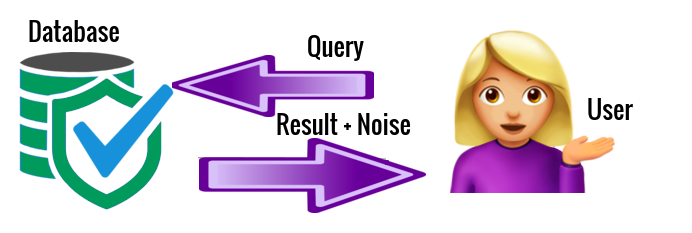
上記は、プライバシーを提供するデータ共有とデータマイニングがユーザーのデータをどのように保護するかを示す簡単な図です
Pysyftは、安全でプライベートな学習のためのPythonライブラリです。 PIYSYFTは、PytorchやTensorflowなどの主要なディープラーニングフレームワーク内の、フェデレーション学習、差別的なプライバシー、暗号化された計算(マルチパーティ計算(MPC)や同型暗号化(HE)などのモデルトレーニングからのプライベートデータを切り離します。
Tensorflow Privacyは、プライバシーが異なる機械学習モデルをトレーニングするためのTensorflowオプティマイザーの実装を含むPythonライブラリです。ライブラリには、提供されるプライバシー保証を計算するためのチュートリアルと分析ツールが付属しています。
Tensorflow Federated(TFF)は、機械学習および分散データに関するその他の計算のためのオープンソースフレームワークです。 TFFは、連合学習(FL)を使用したオープンな研究と実験を促進するために開発されました。これは、トレーニングデータをローカルに保持する多くの参加クライアントで共有グローバルモデルがトレーニングされている機械学習へのアプローチです。
Beamのプライバシーは、Apacheビーム上に構築されたエンドツーエンドの差動プライバシーソリューションです。プライバシーの専門知識の差に関係なく、すべての開発者が使用できることを目的としています。
PYDPは、Googleの差別的なプライバシープロジェクトのPythonラッパーです。
Pennylaneは、量子コンピューターの微分可能なプログラミング用のクロスプラットフォームPythonライブラリです。量子コンピューターをニューラルネットワークと同じようにトレーニングすることにより。
ボトルチは、Pytorchに基づいて構築されたBayesian最適化のライブラリです。
Pytorch Geometric(PYG)は、Pytorchの幾何学的な深い学習拡張ライブラリです。
Skorchは、PytorchをラップするScikit-Learn互換性のあるニューラルネットワークライブラリです。
diffprivlibは、アプリケーションの実験、調査、開発、差別的なプライバシーを実験、調査、開発するためのIBMディファレンシャルプライバシーライブラリです。
Opacusは、プライバシーが異なるPytorchモデルのトレーニングを可能にするライブラリです。クライアントに必要なコード変更を最小限に抑えたトレーニングをサポートし、トレーニングのパフォーマンスにほとんど影響を与え、クライアントがいつでも消費されるプライバシー予算をオンラインで追跡できるようにします。
Smart Noiseは、最先端の差動プライバシー(DP)テクニックを使用してデータにノイズを注入し、機密情報の開示を防ぎ、露出リスクを管理するツールキットです。
国立標準研究所(NIST)による差動プライバシーブログシリーズ
Appleの差別的なプライバシーの概要
Apple Machine Learningを使用して、規模のプライバシーで学習します
Microsoft Researchの差動プライバシーの概要
Microsoft Azureを使用した責任ある機械学習
Microsoft AIによる責任あるAIリソース
差別的なプライバシーとSmartNoiseパッケージを使用してデータプライバシーを保存します
MicrosoftとHarvardによるオープンディファレンシャルプライバシー(OpenDP)イニシアチブ
Googleの差動プライバシーライブラリ
Google CodelabsのBeamでプライバシーを備えたプライベート統計を計算する
Tensorflowの導入プライバシー:トレーニングデータのためのプライバシーの差で学習する
Tensorflow Federated:分散データに関する機械学習
Federated Analytics:データ収集のない共同データサイエンス
差次的に確率的勾配降下(DP-SGD)
ハーバード大学プライバシーツールプロジェクトからの差別的なプライバシーを学ぶ
ハーバード大学プライバシーツールプロジェクトコースと教育資料
Courseraの差動プライバシーコースの弱点
ベイジアン推論の差別的なプライバシー
複数の概念の同時プライベート学習
差別的なプライバシーの最適な構成を計算する複雑さ
暗号化とプライベートラーニングの硬度を明らかにします
SAP HANAデータ匿名化SAPソフトウェアソリューションを使用します
インメモリデータベースを使用したSAP HANAセキュリティ
DEFCON差動プライバシートレーニングの発売
Udacityの安全およびプライベートAIコース
プライバシーの差 - ビッグデータのセキュリティとプライバシー - Courseraのパート1コース
プライバシーの差 - ビッグデータのセキュリティとプライバシー-Courseraのパート2コース
Courseraの認定倫理的技術者専門証明書コース
トップに戻ります

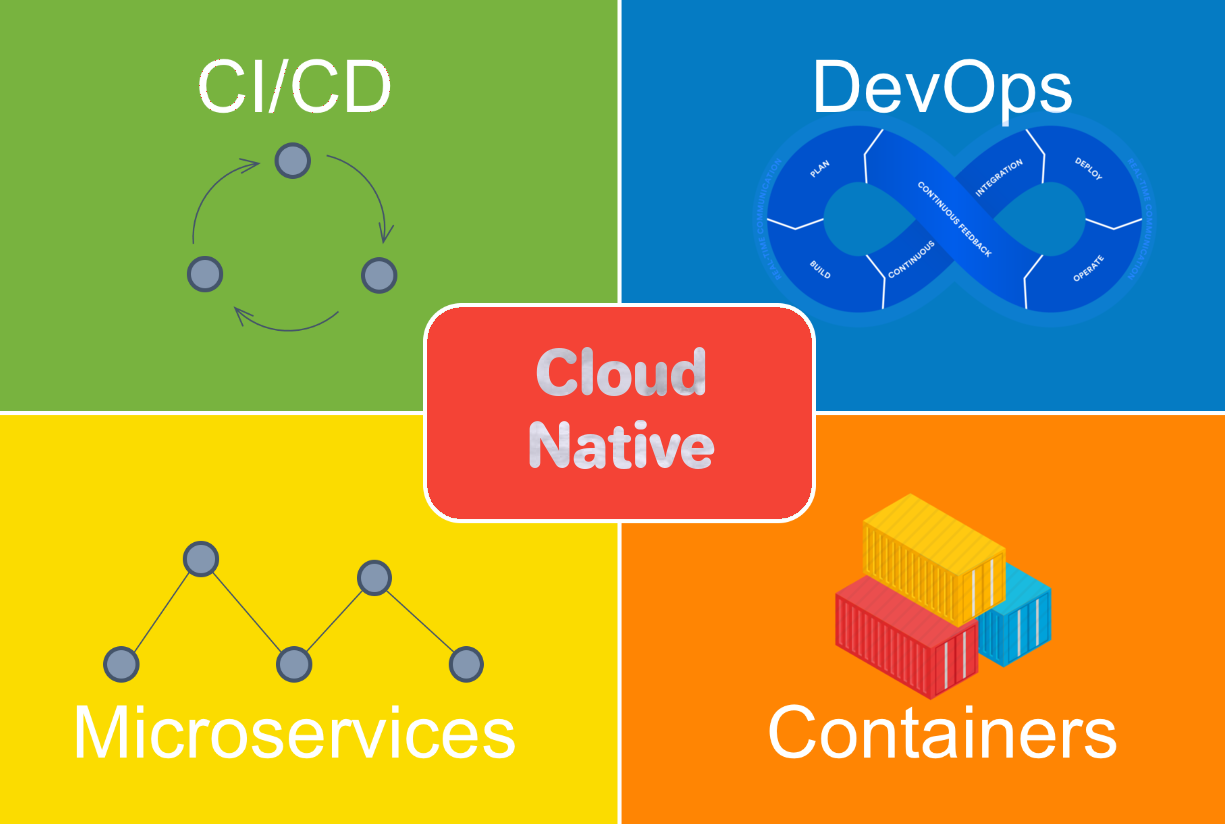
CNCFクラウドネイティブインタラクティブな風景
Microsoft Azureでクラウドネイティブアプリケーションを構築します
Google Cloudのクラウドネイティブアプリケーション開発
Amazon Webサービスのクラウドネイティブ開発
VMware Tanzuを使用したクラウドネイティブアプリケーション
クラウドネイティブコンピューティングファンデーショントレーニングおよび認定プログラム
Cloud Foundry開発者トレーニングおよび認定プログラム
PluralSightのクラウドネイティブアーキテクチャコース
AWSファンダメンタルズ:Courseraでクラウドネイティブに行く
UdemyのMicroservicesアーキテクチャコースを備えたクラウドネイティブアプリの開発
LinkedIn LearningのAzureアプリケーションゲートウェイを備えたクラウドネイティブアプリケーションの負荷分散の仕組み
EDXのクラウドネイティブアプリケーションコースの開発
IBMのクラウドネイティブコース
アプリケーションフレームワーク
Spring Bootは、Pivotalが維持するオープンソースのマイクロフレームワークであり、2019年にVMwareによって取得されました。Java開発者に、自動構成可能な生産グレードスプリングアプリケーションを開始するプラットフォームを提供します。
Apache Mesosは、分散アプリケーションまたはフレームワーク全体で効率的なリソースの分離と共有を提供するクラスターマネージャーです。 Hadoop、Jenkins、Spark、Aurora、およびその他のフレームワークを動的に共有されたノードのプールで実行できます。
Apache Sparkは、ストリーミング、SQL、機械学習、グラフ処理用の組み込みモジュールを備えたビッグデータ処理用の統一分析エンジンです。
Apache Hadoopは、シンプルなプログラミングモデルを使用して、コンピューターのクラスター全体で大きなデータセットの分散処理を可能にするフレームワークです。単一のサーバーから数千のマシンにスケールアップするように設計されており、それぞれがローカル計算とストレージを提供します。ライブラリ自体は、高可用性を提供するためにハードウェアに依存するのではなく、アプリケーションレイヤーで障害を検出および処理するように設計されているため、コンピューターのクラスターの上に高度に利用可能なサービスを提供します。
ランタイムプラットフォーム
Boshは、管理する必要があるもののためにインフラストラクチャを準備するツールです。 Boshは、継続的配信などのソフトウェアエンジニアリングのベストプラクティスを、Bosh、Google、VMwareの柔軟性とPowerで複雑な分散システムを自動的に更新するソフトウェアリリースを簡単に作成できるようにすることで、Kuboプロジェクトの中心になりました。
インフラストラクチャの自動化
Mavenは、主にJavaプロジェクトに使用されるビルドオートメーションツールです。 Mavenは、C#、Ruby、Scala、およびその他の言語で書かれたプロジェクトを構築および管理するためにも使用できます。 Mavenプロジェクトは、Apache Software Foundationがホストしています。
Gradleは、Apache AntとApache Mavenの概念に基づいたオープンソースの構築自動システムであり、プロジェクト構成を宣言するためにApache Mavenが使用するXMLフォームの代わりに、グルーヴィーなドメイン固有の言語を導入します。
シェフは、すべてのインフラストラクチャにわたってセキュリティとコンプライアンスのステータスを可視化するための簡単なインフラストラクチャスイートであり、生産に到達するずっと前に問題を簡単に検出して修正できるようにします。
Puppetは、既存のすべてのツールをまとめ、柔軟性を提供することで、従来のインフラまたはコンテナ化されたインフラストラクチャでソフトウェアを継続的に統合して配信できるようにするオープンソースツールです。
Ansibleは、オープンソースのソフトウェアプロビジョニング、構成管理、アプリケーション展開ツールです。多くのUNIXのようなシステムで実行され、UNIXのようなシステムとMicrosoft Windowsの両方を構成できます。
Saltは、イベント駆動型のITオートメーション、リモートタスク実行、構成管理用のPythonベースのオープンソースソフトウェアです。データセンターシステムとネットワークの展開と管理、構成の自動化、SECOPSオーケストレーション、脆弱性修復、ハイブリッドクラウド制御への「コードとしてのインフラストラクチャ」アプローチをサポートします。
Terraformは、Hashicorp.ITによって作成されたコードソフトウェアツールとしてのオープンソースインフラストラクチャです。ユーザーは、Hashicorp構成言語(HCL)またはオプションJSONとして知られる高レベルの構成言語を使用して、データセンターインフラストラクチャを定義およびプロビジョニングできます。
クラウドインフラストラクチャ
Amazon Web Service(AWS)は、柔軟で信頼性が高く、スケーラブルで、使いやすく、費用対効果の高いクラウドコンピューティングソリューションを提供するプラットフォームです。 AWSプラットフォームは、サービスとしてのインフラストラクチャ(IAAS)、サービスとしてのプラットフォーム(PAAS)、およびサービスとしてのパッケージ化されたソフトウェア(SAAS)の提供を組み合わせて開発されています。
Microsoft Azureは、Microsoftが管理したデータセンターを通じてアプリケーションとサービスの構築、テスト、展開、および管理のためにMicrosoftが作成したクラウドコンピューティングサービスです。
Azure Devopsは、チームがコードを共有し、作業を追跡し、船舶ソフトウェアを共有するための一連のサービスです。 CLISは、マルチプラットフォーム、スケーラブルなアプリおよびサービスを構築、展開、診断、および管理します。 Azureパイプラインは、任意のプラットフォームとクラウドに継続的に構築、テスト、展開します。 Azure Lab Servicesは、教室、試行、開発およびテスト、その他のシナリオ向けにラボを設定しました。
Azure Draftは、開発者がKubernetesでクラウドネイティブアプリケーションを作成するためのツールです。
Google Cloud Platformは、業界をリードするツール(データ管理、Hybrid&Multi-Cloud、およびAI&ML)をクラウドストレージに統合し、セキュリティやデータ転送、データバックアップ、アーカイブまで、あらゆるものを強化します。すべて拡張します。バックアップ、アーカイブ、災害復旧。ファイルシステムとゲートウェイとともに。
OpenStackは、クラウドコンピューティング用の無料でオープンソースのソフトウェアプラットフォームであり、主にディスセンター全体またはOpenStack APIを介して管理されるデータセンター全体のコンピューティング、ストレージ、ネットワーキングリソースの大きなプールを制御するインフラストラクチャとして展開されます。 OpenStackは、人気のあるエンタープライズおよびオープンソーステクノロジーと連携して、不均一なインフラストラクチャに最適です。
Cloud Foundryは、クラウド、開発者フレームワーク、アプリケーションサービスの選択を提供する、より高速かつ容易に構築、テスト、展開、尺度を提供できるサービスとして、オープンソースのマルチクラウドアプリケーションプラットフォームです。オープンソースプロジェクトであり、さまざまなプライベートクラウド分布とパブリッククラウドインスタンスを通じて利用できます。
Bambooは、ソフトウェアアプリケーションのリリース管理を自動化するために使用できる連続統合(CI)サーバーであり、継続的な配信パイプラインを作成します。
ドローンは、コンテナテクノロジーに基づいて構築された連続配信システムです。 Droneは、Docker-ComposeのスーパーセットであるシンプルなYAML構成ファイルを使用して、Dockerコンテナ内のパイプラインを定義および実行します。
Travis CIは、GitHubでホストされているソフトウェアプロジェクトの構築とテストに使用されるホストされた連続統合サービスです。
Circle CIは、ソフトウェアチームがよりスマートでより速く作業するのに役立つ継続的な統合および継続的な配信プラットフォームです。
Team Cityは、JetBrainsのビルド管理および継続的な統合サーバーです。
ShippableはDevOpsを簡素化し、不均一で柔軟性があり、DevOpsワークフロー全体で完全な可視性を提供する組み立てラインプラットフォームで体系的にします。
Spinnakerは、高い速度と信頼性でソフトウェアの変更をリリースするためのオープンソースのマルチクラウド連続配信プラットフォームです。
ProwはKubernetesベースのCI/CDシステムです。ジョブは、さまざまな種類のイベントによってトリガーされ、そのステータスをさまざまなサービスに報告できます。ジョブの実行に加えて、Prowは、Policy執行、 /Fooスタイルコマンドを介したチャットオープン、および自動PRマージの形でGitHub自動化を提供します。 Prowには、Kubernetesの展開として実行されるコンテナ画像のコレクションとして実装されたマイクロサービスアーキテクチャがあります。
AWS ECSは、Dockerコンテナをサポートし、AWSでコンテナ化されたアプリケーションを簡単に実行およびスケーリングできる非常にスケーラブルで高性能コンテナオーケストレーションサービスです。 Amazon ECSは、独自のコンテナオーケストレーションソフトウェアをインストールおよび操作する必要があることを排除し、仮想マシンのクラスターを管理およびスケジュールする、またはそれらの仮想マシンのコンテナをスケジュールします。
AWS CodeBuildは、ソースコードをコンパイルし、テストを実行し、展開する準備ができたソフトウェアパッケージを生成する完全に管理された継続的な統合サービスです。 CodeBuildを使用すると、独自のビルドサーバーをプロビジョニング、管理、およびスケーリングする必要はありません。
CFENGINEは、Mark Burgessによって書かれたオープンソース構成管理システムです。主な機能は、サーバー、デスクトップ、コンシューマ、産業用デバイス、組み込みネットワークデバイス、モバイルスマートフォン、タブレットコンピューターの統一された管理など、大規模なコンピューターシステムの自動構成とメンテナンスを提供することです。
OctPus Deployは、チーム全体のDeployment Automation Serverであり、オンプレミスでもクラウドでも、リリースを簡単に調整してアプリケーションを展開できるように設計されています。
AWS CodeDePloyは、Amazon EC2、AWS Fargate、AWS Lambda、およびオンプレミスサーバーなどのさまざまなコンピューティングサービスにソフトウェアの展開を自動化する完全に管理された展開サービスです。 AWS CodeDePloyを使用すると、新機能を迅速にリリースし、アプリケーションの展開中のダウンタイムを回避し、アプリケーションの更新の複雑さを処理できます。
AWS Lambdaは、Amazon Webサービスの一部としてAmazonが提供するイベント駆動型のサーバーレスコンピューティングプラットフォームです。これは、イベントに応じてコードを実行し、そのコードで必要なコンピューティングリソースを自動的に管理するコンピューティングサービスです。
Traefikは、オープンソースのエッジルーターであり、サービスの公開を楽しく簡単な体験にします。システムに代わってリクエストを受信し、どのコンポーネントがそれらを処理する責任があるかを見つけます。 Traefikを際立たせているのは、その多くの機能に加えて、サービスに適した構成を自動的に発見することです。
Kubernetesは、アプリケーションの展開、スケーリング、および管理を自動化するためのオープンソースのコンテナ編成システムです。もともとGoogleによって設計されており、現在はCloud Native Computing Foundationによって維持されています。
Google Kubernetes Engine(GKE)は、コンテナ化されたアプリケーションを展開するためのマネージド、生産対応の環境です。
OpenShiftは、コンテナスタックのあらゆるレベルのセキュリティと、アプリケーションライフサイクル全体でセキュリティに焦点を当てています。これには、主要なKubernetesの貢献者の1人およびオープンソースソフトウェア会社からの長期的なエンタープライズサポートが含まれています。
Rancherは、コンテナを採用するチーム向けの完全なソフトウェアスタックです。複数のKubernetesクラスターを管理するという運用およびセキュリティの課題に対処し、DevOpsチームにコンテナ化されたワークロードを実行するための統合ツールを提供します。
Dockerは、OSレベルの仮想化を使用してコンテナと呼ばれるパッケージでソフトウェアを配信するサービス製品としてのプラットフォームのセットです。コンテナは互いに分離されており、独自のソフトウェア、ライブラリ、構成ファイルを束ねます。明確に定義されたチャネルを通じて互いに通信できます。すべてのコンテナは単一の動作システムカーネルによって実行されるため、仮想マシンよりも軽量です。
Rookは、分散型ストレージシステムを自己管理、自己スケーリング、自己修復ストレージサービスに変えるKubernetes用のオープンソースクラウドネイティブストレージオーケストレーターです。展開、ブートストラップ、構成、プロビジョニング、スケーリング、アップグレード、移行、災害復旧、監視、リソース管理のストレージ管理者のタスクを自動化します。
ポッドマン(ポッドマネージャー)は、OCIコンテナとポッドを管理するためのツールです。
RKTは、Linux用のポッドネイティブコンテナエンジンです。構成可能で安全で、基準に基づいて構築されています。
トップに戻ります
GitHubは、GITを使用してソフトウェア開発バージョンコントロールのホスティングを提供します。 GITのすべての分散バージョン制御およびソースコード管理機能を提供し、独自の機能を追加します。アクセス制御と、すべてのプロジェクトのバグ追跡、機能要求、タスク管理、WIKIなどのいくつかのコラボレーション機能を提供します。
GitHub CodeSpacesは、GitHubの統合開発環境(IDE)です。これにより、開発者はVisual StudioおよびVisual Studioコードを使用してクラウドで完全に開発できます。
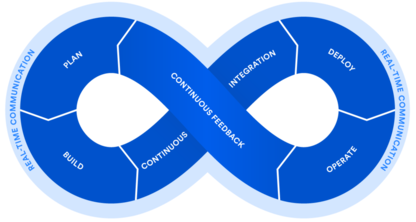
GitHub Actionsは、GitHubアクションを使用して、リポジトリ内のソフトウェア開発ワークフローを自動化、カスタマイズ、および実行します。 You can discover, create, and share actions to perform any job you'd like, including CI/CD, and combine actions in a completely customized workflow.GitHub Actions for Azure you can create workflows that you can set up in your repository to build, test, package, release and deploy to Azure.Learn more about all other integrations with Azure.
GitLab is a web-based DevOps lifecycle tool that provides a Git-repository manager providing wiki, issue-tracking and CI/CD pipeline features, using an open-source license, developed by GitLab Inc.
Jenkins is a free and open source automation server. Jenkins helps to automate the non-human part of the software development process, with continuous integration and facilitating technical aspects of continuous delivery.
Bitbucket is a web-based version control repository hosting service owned by Atlassian, for source code and development projects that use either Mercurial or Git revision control systems. Bitbucket offers both commercial plans and free accounts. It offers free accounts with an unlimited number of private repositories. Bitbucket integrates with other Atlassian software like Jira, HipChat, Confluence and Bamboo.
Bamboo is a continuous integration (CI) server that can be used to automate the release management for a software application, creating a continuous delivery pipeline.
Codecov is the leading, dedicated code coverage solution. It provides highly integrated tools to group, merge, archive and compare coverage reports. Whether your team is comparing changes in a pull request or reviewing a single commit, Codecov will improve the code review workflow and quality.
Drone is a Continuous Delivery system built on container technology. Drone uses a simple YAML configuration file, a superset of docker-compose, to define and execute Pipelines inside Docker containers.
Travis CI is a hosted continuous integration service used to build and test software projects hosted at GitHub.
Circle CI is a continuous integration and continuous delivery platform that helps software teams work smarter, faster.
Zuul-CI is a program that drives continuous integration, delivery, and deployment systems with a focus on project gating and interrelated projects. Using the same Ansible playbooks to deploy your system and run your tests.
Artifactory is a Universal Artifact Repository Manager developed by JFrog. It supports all major packages, enterprise ready security, clustered, HA, Docker registry, multi-site replication and scalable.
Azure DevOps is a set of services for teams to share code, track work, and ship software; CLIs Build, deploy, diagnose, and manage multi-platform, scalable apps and services; Azure Pipelines Continuously build, test, and deploy to any platform and cloud; Azure Lab Services Set up labs for classrooms, trials, development and testing, and other scenarios.
Team City is a build management and continuous integration server from JetBrains.
Shippable simplifies DevOps and makes it systematic with an Assembly Line platform that is heterogeneous, flexible, and provides complete visibility across your DevOps workflows.
Spinnaker is an open source, multi-cloud continuous delivery platform for releasing software changes with high velocity and confidence.
AWS CodeBuild is a fully managed continuous integration service that compiles source code, runs tests, and produces software packages that are ready to deploy. With CodeBuild, you don't need to provision, manage, and scale your own build servers.
Selenium is a free (open source) automated testing suite for web applications across different browsers and platforms.
Cucumber is a tool based on Behavior Driven Development (BDD) framework which is used to write acceptance tests for the web application. It allows automation of functional validation in easily readable and understandable format (like plain English) to Business Analysts, Developers, and Testers.
JUnit is a unit testing framework for the Java programming language.
Mocha is a JavaScript test framework for Node.js programs, featuring browser support, asynchronous testing, test coverage reports, and use of any assertion library.
Karma is a simple tool that allows you to execute JavaScript code in multiple real browsers.
Jasmine is an open source testing framework for JavaScript. It aims to run on any JavaScript-enabled platform, to not intrude on the application nor the IDE, and to have easy-to-read syntax.
Maven is a build automation tool used primarily for Java projects. Maven can also be used to build and manage projects written in C#, Ruby, Scala, and other languages. The Maven project is hosted by the Apache Software Foundation.
Gradle is an open-source build-automation system that builds upon the concepts of Apache Ant and Apache Maven and introduces a Groovy-based domain-specific language instead of the XML form used by Apache Maven for declaring the project configuration.
Chef is an effortless Infrastructure Suite offers visibility into security and compliance status across all infrastructure and makes it easy to detect and correct issues long before they reach production.
Puppet is an open source tool that makes continuous integration and delivery of your software on traditional or containerized infrastructure easy by pulling together all your existing tools and giving you flexibility to deploy your way.
Ansible is an open-source software provisioning, configuration management, and application-deployment tool. It runs on many Unix-like systems, and can configure both Unix-like systems as well as Microsoft Windows.
Kubeinitは、複数のKubernetes分布の展開と構成のためのAnsible Playbookと役割を提供します。
Salt is Python-based, open-source software for event-driven IT automation, remote task execution, and configuration management. Supporting the "Infrastructure as Code" approach to data center system and network deployment and management, configuration automation, SecOps orchestration, vulnerability remediation, and hybrid cloud control.
Terraform is an open-source infrastructure as code software tool created by HashiCorp.It enables users to define and provision a datacenter infrastructure using a high-level configuration language known as Hashicorp Configuration Language (HCL), or optionally JSON.
Consul is a service networking solution to connect and secure services across any runtime platform and public or private cloud.
Packer is lightweight, runs on every major operating system, and is highly performant, creating machine images for multiple platforms in parallel. Packer does not replace configuration management like Chef or Puppet. In fact, when building images, Packer is able to use tools like Chef or Puppet to install software onto the image.
Nomad is a highly available, distributed, data-center aware cluster and application scheduler designed to support the modern datacenter with support for long-running services, batch jobs, and much more.
Vagrant is a tool for building and managing virtual machine environments in a single workflow. With an easy-to-use workflow and focus on automation, Vagrant lowers development environment setup time and increases production parity.
Vault is a tool for securely accessing secrets. A secret is anything that you want to tightly control access to, such as API keys, passwords, certificates, and more. Vault provides a unified interface to any secret, while providing tight access control and recording a detailed audit log.
CFEngine is an open-source configuration management system, written by Mark Burgess.Its primary function is to provide automated configuration and maintenance of large-scale computer systems, including the unified management of servers, desktops, consumer and industrial devices, embedded networked devices, mobile smartphones, and tablet computers.
Octpus Deploy is the deployment automation server for your entire team, designed to make it easy to orchestrate releases and deploy applications, whether on-premises or in the cloud.
AWS CodeDeploy is a fully managed deployment service that automates software deployments to a variety of compute services such as Amazon EC2, AWS Fargate, AWS Lambda, and your on-premises servers. AWS CodeDeploy makes it easier for you to rapidly release new features, helps you avoid downtime during application deployment, and handles the complexity of updating your applications.
Kubernetes is an open-source container-orchestration system for automating application deployment, scaling, and management. It was originally designed by Google, and is now maintained by the Cloud Native Computing Foundation.
Docker is a set of platform as a service products that use OS-level virtualization to deliver software in packages called containers. Containers are isolated from one another and bundle their own software, libraries and configuration files; they can communicate with each other through well-defined channels. All containers are run by a single operating-system kernel and are thus more lightweight than virtual machines.
PowerShell/PowerShell Core is a cross-platform (Windows, Linux, and macOS) automation and configuration tool/framework that works well with your existing tools and is optimized for dealing with structured data (eg JSON, CSV, XML, etc.), REST APIs, and object models. It includes a command-line shell, an associated scripting language and a framework for processing cmdlets.
Hyper-V creates virtual machines on Windows 10. Hyper-V can be enabled in many ways including using the Windows 10 control panel, PowerShell or using the Deployment Imaging Servicing and Management tool (DISM).
Cloud Hypervisor is an open source Virtual Machine Monitor (VMM) that runs on top of KVM. The project focuses on exclusively running modern, cloud workloads, on top of a limited set of hardware architectures and platforms. Cloud workloads refers to those that are usually run by customers inside a cloud provider. Cloud Hypervisor is implemented in Rust and is based on the rust-vmm crates.
VMware vSphere Hypervisor is a bare-metal hypervisor that virtualizes servers; allowing you to consolidate your applications while saving time and money managing your IT infrastructure.
VMware vSphere is the industry-leading compute virtualization platform, and your first step to application modernization. It has been rearchitected with native Kubernetes to allow customers to modernize the 70 million+ workloads now running on vSphere.
VMware Tanzuは、複数のチームとプライベート/パブリッククラウドにわたって、Kubernetesインフラストラクチャと最新のアプリケーションを一貫して運用および保護するための集中管理プラットフォームです。
Rancherは、コンテナを採用するチーム向けの完全なソフトウェアスタックです。複数のKubernetesクラスターを管理するという運用およびセキュリティの課題に対処し、DevOpsチームにコンテナ化されたワークロードを実行するための統合ツールを提供します。
K3Sは、無人でリソースに制約されたリモートの場所またはIoTアプライアンス内の生産ワークロード用に設計された、非常に利用可能で認定されたKubernetes分布です。
Rook is an open source cloud-native storage orchestrator for Kubernetes that turns distributed storage systems into self-managing, self-scaling, self-healing storage services.展開、ブートストラップ、構成、プロビジョニング、スケーリング、アップグレード、移行、災害復旧、監視、リソース管理のストレージ管理者のタスクを自動化します。
Google Kubernetes Engine (GKE) is a managed, production-ready environment for deploying containerized applications.
Anthosは、クラウドおよびオンプレミスの環境に一貫した開発と運用の経験を提供する最新のアプリケーション管理プラットフォームです。
AWS ECS is a highly scalable, high-performance container orchestration service that supports Docker containers and allows you to easily run and scale containerized applications on AWS. Amazon ECS eliminates the need for you to install and operate your own container orchestration software, manage and scale a cluster of virtual machines, or schedule containers on those virtual machines.
Apache Mesos is a cluster manager that provides efficient resource isolation and sharing across distributed applications, or frameworks. It can run Hadoop, Jenkins, Spark, Aurora, and other frameworks on a dynamically shared pool of nodes.
Apache Spark is a unified analytics engine for big data processing, with built-in modules for streaming, SQL, machine learning and graph processing.
Apache Hadoop is a framework that allows for the distributed processing of large data sets across clusters of computers using simple programming models. It is designed to scale up from single servers to thousands of machines, each offering local computation and storage. Rather than rely on hardware to deliver high-availability, the library itself is designed to detect and handle failures at the application layer, so delivering a highly-available service on top of a cluster of computers, each of which may be prone to failures.
Microsoft Azure is a cloud computing service created by Microsoft for building, testing, deploying, and managing applications and services through Microsoft-managed data centers.
Azure Functions is a solution for easily running small pieces of code, or "functions," in the cloud. You can write just the code you need for the problem at hand, without worrying about a whole application or the infrastructure to run it.
Rkt is a pod-native container engine for Linux. It is composable, secure, and built on standards.
AWS Lambda is an event-driven, serverless computing platform provided by Amazon as a part of the Amazon Web Services. It is a computing service that runs code in response to events and automatically manages the computing resources required by that code.
Helm is the Kubernetes Package Manager.
Kubespray is a tool that combines Kubernetes and Ansible to easily install Kubernetes clusters that can be deployed on AWS, GCE, Azure, OpenStack, vSphere, Packet (bare metal), Oracle Cloud Infrastructure (Experimental), or Baremetal
Red Hat OpenShift is focused on security at every level of the container stack and throughout the application lifecycle. It includes long-term, enterprise support from one of the leading Kubernetes contributors and open source software companies.
OpenShift Hiveは、Kubernetes/OpenShiftの上にサービスとして実行されるオペレーターです。 Hiveサービスを使用して、OpenShift 4クラスターの初期構成をプロビジョニングおよび実行できます。
OKDは、継続的なアプリケーション開発とマルチテナント展開のために最適化されたKubernetesのコミュニティ配信です。 OKDは、Kubernetesに加えて開発者と運用中心のツールを追加して、迅速なアプリケーション開発、簡単な展開とスケーリング、および大規模および大規模なチームの長期的なライフサイクルメンテナンスを可能にします。
ODOは、KubernetesとOpenShiftにアプリケーションを書き、構築し、展開する開発者向けの高速で反復的で簡単なCLIツールです。
Kataオペレーターは、OpenShiftおよびKubernetesクラスターでKataランタイムのライフサイクル管理(インストール/アップグレード/アンインストール)を実行するオペレーターです。
Knivateは、最新のサーバーレスワークロードを構築、展開、および管理するためのKubernetesベースのプラットフォームです。 Knativeは、ネットワーキング、自動強化(ゼロまで)、およびリビジョン追跡の運用上のオーバーヘッドの詳細を処理します。
etcdは、分散システムまたはマシンのクラスターによってアクセスする必要があるデータを保存する信頼できる方法を提供する分散キー値ストアです。 etcdは、サービスディスカバリーのバックエンドとして使用され、kubernetesのクラスター状態と構成を保存します。
OpenStack is a free and open-source software platform for cloud computing, mostly deployed as infrastructure-as-a-service that controls large pools of compute, storage, and networking resources throughout a datacenter, managed through a dashboard or via the OpenStack API. OpenStack works with popular enterprise and open source technologies making it ideal for heterogeneous infrastructure.
Cloud Foundry is an open source, multi cloud application platform as a service that makes it faster and easier to build, test, deploy and scale applications, providing a choice of clouds, developer frameworks, and application services. It is an open source project and is available through a variety of private cloud distributions and public cloud instances.
Splunk software is used for searching, monitoring, and analyzing machine-generated big data, via a Web-style interface.
Prometheus is a free software application used for event monitoring and alerting. It records real-time metrics in a time series database (allowing for high dimensionality) built using a HTTP pull model, with flexible queries and real-time alerting.
Loki is a horizontally-scalable, highly-available, multi-tenant log aggregation system inspired by Prometheus. It is designed to be very cost effective and easy to operate. It does not index the contents of the logs, but rather a set of labels for each log stream.
サノスは、無制限のストレージ容量を備えた高度に利用可能なメトリックシステムに構成できるコンポーネントのセットであり、既存のPrometheusの展開の上にシームレスに追加できます。
コンテナストレージインターフェイス(CSI)は、Kubernetesなどのコンテナオーケストレーションプラットフォームをプラグインを介して保存されたデータとシームレスに通信できるAPIです。
OpeneBSは、コンテナ接続ストレージを使用してステートフルアプリケーションを作成するためのKubernetesベースのツールです。
ElasticSearch is a search engine based on the Lucene library. It provides a distributed, multitenant-capable full-text search engine with an HTTP web interface and schema-free JSON documents. Elasticsearch is developed in Java.
Logstash is a tool for managing events and logs. When used generically, the term encompasses a larger system of log collection, processing, storage and searching activities.
Kibana is an open source data visualization plugin for Elasticsearch. It provides visualization capabilities on top of the content indexed on an Elasticsearch cluster. Users can create bar, line and scatter plots, or pie charts and maps on top of large volumes of data.
New Relic is a SaaS-based monitoring tool that fully supports the way DevOps teams work in the modern enterprise by streamlining your workflows with today's collaboration software and orchestration tools like Puppet, Chef, and Ansible.
Nagios is a free and open source computer-software application that monitors systems, networks and infrastructure. Nagios offers monitoring and alerting services for servers, switches, applications and services. It alerts users when things go wrong and alerts them a second time when the problem has been resolved.
SonarQube is an open-source platform developed by SonarSource for continuous inspection of code quality to perform automatic reviews with static analysis of code to detect bugs, code smells, and security vulnerabilities on 20+ programming languages.
Genie is a federated job orchestration engine developed by Netflix. Genie provides REST APIs to run a variety of big data jobs like Hadoop, Pig, Hive, Spark, Presto, Sqoop and more. It also provides APIs for managing the metadata of many distributed processing clusters and the commands and applications which run on them.
Inviso is a lightweight tool that provides the ability to search for Hadoop jobs, visualize the performance, and view cluster utilization.
Fenzo is a scheduler Java library for Apache Mesos frameworks that supports plugins for scheduling optimizations and facilitates cluster autoscaling.
Dynomite is a thin, distributed dynamo layer for different storage engines and protocols, which includes Redis and Memcached. Dynomite supports multi-datacenter replication and is designed for High Availability(HA).
Dyno is a tool that is used to scale a Java client application utilizing Dynomite.
Raigad is a process/tool that runs alongside Elasticsearch to automate backup/recovery, Deployments and Centralized Configuration management.
Priam is a process/tool that runs alongside Apache Cassandra to automate backup/recovery, Deployments and Centralized Configuration management.
Chaos Monkey is a resiliency tool used to randomly terminates virtual machine instances and containers that run inside of your production environment. Chaos Monkey should work with any backend that Spinnaker supports (AWS, Google Compute Engine, Microsoft Azure, Kubernetes, and Cloud Foundry).
Falcor is a JavaScript library for efficient data fetching. Falcor lets you represent all your remote data sources as a single domain model via a virtual JSON graph, whether in memory on the client or over the network on the server.
Restify is a framework, utilizing connect style middleware for building REST APIs.
Traefik is an open source Edge Router that makes publishing your services a fun and easy experience. It receives requests on behalf of your system and finds out which components are responsible for handling them. What sets Traefik apart, besides its many features, is that it automatically discovers the right configuration for your services.
Jira is a proprietary issue tracking product developed by Atlassian that allows bug tracking and agile project management.
Pivotal Tracker is the agile project management tool of choice for developers around the world for real-time collaboration around a shared, prioritized backlog.
Trello is a web-based Kanban-style list-making application that gives you perspective over all your projects, at work and at home.
Microsoft Teams is the hub for team collaboration in Office 365 that integrates the people, content, and tools your team needs to be more engaged and effective.
Slack is a cloud-based proprietary instant messaging platform developed by Slack Technologies.
OpsGenie is a cloud-based service for dev & ops teams, providing reliable alerts, on-call schedule management and escalations. OpsGenie integrates with monitoring tools & services, ensures the right people are notified.
Pagerduty automates processes built on best practices, allowing you to focus on higher value parts of incident response. Granular and scalable permissions enable teams to administer and operate independently while controlling visibility.
Veracode is a leading provider of enterprise-class application security, seamlessly integrating agile security solutions for organizations around the globe. In addition to application security services and secure devops services, Veracode provides a full security assessment to ensure your website and applications are secure, and ensures full enterprise data protection.
DevOps Engineering on AWS from AWS Training
AWS Certified DevOps Engineer - Professional from A Cloud Guru
Microsoft Certified: DevOps Engineer Expert Cert.
Introduction to Azure DevOps from A Cloud Guru
Architecting with Google Compute Engine
Architecting with Google Kubernetes Engine in Google Cloud
VMware Training and Certification Program
Cloudera Certification Program
Salesforce Certification Program
Salesforce Superbadges
Red Hat Training and Certification Program
Linux Foundation Training and Certification Program
Linux Professional Institute(LPI) Training and Certification
Learn DevOps with Online Courses and Lessons from edX
Top DevOps Courses Online from Udemy
Devops Courses from Coursera
トップに戻ります

Flutter is Google's UI toolkit for crafting beautiful, natively compiled applications for mobile(Andorid and iOS), web, and desktop(Windows, MacOS, Linux, and Google Fuchsia) from a single codebase. Flutter works with existing code, is used by developers and organizations around the world, and is free and open source.
Flutter Gems is a curated package guide for Flutter which functionally categorizes some of the most useful and popular flutter packages available on pub.dev Flutter Gems A Flutter package landscape guide comprising 1500+ neatly categorized useful and popular packages.
Dart is an open-source, scalable programming language, with robust libraries and runtimes, for building web, server, and mobile apps using the Flutter framework.
Flutter documentation
Style Guide for Flutter
Creating your first Flutter app
Build and release an Android app using Flutter
Flutter Tools & techniques
Dart and Flutter: The Complete Developer's Guide on Udemy
Creating an Interactive Story with Flutter on Coursera
Flutter for Beginners course on Pluralsight
Flutter Online Training Courses on LinkedIn Learning
The Complete Flutter App Development Bootcamp with Dart by App Brewery
Adding Firebase to your Flutter app
Using Firebase and Firestore with Flutter
Fuchsia Project
Getting Started with Fuchsia
Fuchsia Reference
Contributing to Fuchsia
Firebase is a Backend-as-a-Service (BaaS) app development platform that provides hosted backend services such as a realtime database, cloud storage, authentication, crash reporting, machine learning, remote configuration, and hosting for your static files.
FlutterFire is a set of Flutter plugins that enable Flutter apps to use Firebase services. You can follow an example that shows how to use these plugins in the Firebase for Flutter codelab.
FlutterBoost is a Flutter plugin which enables hybrid integration of Flutter for your existing native apps with minimum efforts.
Go-flutter is a package that brings Flutter to the desktop. project implements the Flutter's Embedding API using a single code base that runs on Windows, macOS, and Linux.レンダリングのために、GLFWは各プラットフォームのOpenGLのバッファ/マウス/キーボードに適切な抽象化を提供するため、ジョブに適合します。
Appwrite is a secure end-to-end backend server for Web, Mobile, and Flutter developers that is packaged as a set of Docker containers for easy deployment.
Fluro is a Flutter routing library that adds flexible routing options like wildcards, named parameters and clear route definitions.
トップに戻ります
AWS Certified Security - Specialty Certification
Microsoft Certified: Azure Security Engineer Associate
Google Cloud Certified Professional Cloud Security Engineer
Cisco Security Certifications
The Red Hat Certified Specialist in Security: Linux
Linux Professional Institute LPIC-3 Enterprise Security Certification
Cybersecurity Training and Courses from IBM Skills
Cybersecurity Courses and Certifications by Offensive Security
Citrix Certified Associate – Networking(CCA-N)
Citrix Certified Professional – Virtualization(CCP-V)
CCNP Routing and Switching
Certified Information Security Manager(CISM)
Wireshark Certified Network Analyst (WCNA)
Juniper Networks Certification Program Enterprise (JNCP)
Networking courses and specializations from Coursera
Network & Security Courses from Udemy
Network & Security Courses from edX
 • Connection: In networking, a connection refers to pieces of related information that are transferred through a network. This generally infers that a connection is built before the data transfer (by following the procedures laid out in a protocol) and then is deconstructed at the at the end of the data transfer.

• Packet: A packet is, generally speaking, the most basic unit that is transferred over a network. When communicating over a network, packets are the envelopes that carry your data (in pieces) from one end point to the other.
Packets have a header portion that contains information about the packet including the source and destination, timestamps, network hops. The main portion of a packet contains the actual data being transferred. It is sometimes called the body or the payload.
• Network Interface: A network interface can refer to any kind of software interface to networking hardware. For instance, if you have two network cards in your computer, you can control and configure each network interface associated with them individually.
A network interface may be associated with a physical device, or it may be a representation of a virtual interface. The "loop-back" device, which is a virtual interface to the local machine, is an example of this.
 • LAN: LAN stands for "local area network". It refers to a network or a portion of a network that is not publicly accessible to the greater internet. A home or office network is an example of a LAN.

• WAN: WAN stands for "wide area network". It means a network that is much more extensive than a LAN. While WAN is the relevant term to use to describe large, dispersed networks in general, it is usually meant to mean the internet, as a whole.
If an interface is connected to the WAN, it is generally assumed that it is reachable through the internet.
• Protocol: A protocol is a set of rules and standards that basically define a language that devices can use to communicate. There are a great number of protocols in use extensively in networking, and they are often implemented in different layers.
Some low level protocols are TCP, UDP, IP, and ICMP. Some familiar examples of application layer protocols, built on these lower protocols, are HTTP (for accessing web content), SSH, TLS/SSL, and FTP.
 • Port: A port is an address on a single machine that can be tied to a specific piece of software. It is not a physical interface or location, but it allows your server to be able to communicate using more than one application.

• Firewall: A firewall is a program that decides whether traffic coming into a server or going out should be allowed. A firewall usually works by creating rules for which type of traffic is acceptable on which ports. Generally, firewalls block ports that are not used by a specific application on a server.

• NAT: Network address translation is a way to translate requests that are incoming into a routing server to the relevant devices or servers that it knows about in the LAN. This is usually implemented in physical LANs as a way to route requests through one IP address to the necessary backend servers.

• VPN: Virtual private network is a means of connecting separate LANs through the internet, while maintaining privacy. This is used as a means of connecting remote systems as if they were on a local network, often for security reasons.
 While networking is often discussed in terms of topology in a horizontal way, between hosts, its implementation is layered in a vertical fashion throughout a computer or network. This means is that there are multiple technologies and protocols that are built on top of each other in order for communication to function more easily. Each successive, higher layer abstracts the raw data a little bit more, and makes it simpler to use for applications and users. It also allows you to leverage lower layers in new ways without having to invest the time and energy to develop the protocols and applications that handle those types of traffic.

As data is sent out of one machine, it begins at the top of the stack and filters downwards. At the lowest level, actual transmission to another machine takes place. At this point, the data travels back up through the layers of the other computer. Each layer has the ability to add its own "wrapper" around the data that it receives from the adjacent layer, which will help the layers that come after decide what to do with the data when it is passed off.

One method of talking about the different layers of network communication is the OSI model. OSI stands for Open Systems Interconnect.This model defines seven separate layers. The layers in this model are:

• Application: The application layer is the layer that the users and user-applications most often interact with. Network communication is discussed in terms of availability of resources, partners to communicate with, and data synchronization.

• Presentation: The presentation layer is responsible for mapping resources and creating context. It is used to translate lower level networking data into data that applications expect to see.

• Session: The session layer is a connection handler. It creates, maintains, and destroys connections between nodes in a persistent way.

• Transport: The transport layer is responsible for handing the layers above it a reliable connection. In this context, reliable refers to the ability to verify that a piece of data was received intact at the other end of the connection. This layer can resend information that has been dropped or corrupted and can acknowledge the receipt of data to remote computers.

• Network: The network layer is used to route data between different nodes on the network. It uses addresses to be able to tell which computer to send information to. This layer can also break apart larger messages into smaller chunks to be reassembled on the opposite end.

• Data Link: This layer is implemented as a method of establishing and maintaining reliable links between different nodes or devices on a network using existing physical connections.

• Physical: The physical layer is responsible for handling the actual physical devices that are used to make a connection. This layer involves the bare software that manages physical connections as well as the hardware itself (like Ethernet).
The TCP/IP model, more commonly known as the Internet protocol suite, is another layering model that is simpler and has been widely adopted.It defines the four separate layers, some of which overlap with the OSI model:
• Application: In this model, the application layer is responsible for creating and transmitting user data between applications. The applications can be on remote systems, and should appear to operate as if locally to the end user.
The communication takes place between peers network.
 • Transport: The transport layer is responsible for communication between processes. This level of networking utilizes ports to address different services. It can build up unreliable or reliable connections depending on the type of protocol used.

• Internet: The internet layer is used to transport data from node to node in a network. This layer is aware of the endpoints of the connections, but does not worry about the actual connection needed to get from one place to another. IP addresses are defined in this layer as a way of reaching remote systems in an addressable manner.

• Link: The link layer implements the actual topology of the local network that allows the internet layer to present an addressable interface. It establishes connections between neighboring nodes to send data.
Interfaces are networking communication points for your computer. Each interface is associated with a physical or virtual networking device. Typically, your server will have one configurable network interface for each Ethernet or wireless internet card you have. In addition, it will define a virtual network interface called the "loopback" or localhost interface. This is used as an interface to connect applications and processes on a single computer to other applications and processes. You can see this referenced as the "lo" interface in many tools.
Networking works by piggybacks on a number of different protocols on top of each other. In this way, one piece of data can be transmitted using multiple protocols encapsulated within one another.
Media access control is a communications protocol that is used to distinguish specific devices. Each device is supposed to get a unique MAC address during the manufacturing process that differentiates it from every other device on the internet. Addressing hardware by the MAC address allows you to reference a device by a unique value even when the software on top may change the name for that specific device during operation. Media access control is one of the only protocols from the link layer that you are likely to interact with on a regular basis.
The IP protocol is one of the fundamental protocols that allow the internet to work. IP addresses are unique on each network and they allow machines to address each other across a network. It is implemented on the internet layer in the IP/TCP model. Networks can be linked together, but traffic must be routed when crossing network boundaries. This protocol assumes an unreliable network and multiple paths to the same destination that it can dynamically change between. There are a number of different implementations of the protocol. The most common implementation today is IPv4, although IPv6 is growing in popularity as an alternative due to the scarcity of IPv4 addresses available and improvements in the protocols capabilities.
ICMP: internet control message protocol is used to send messages between devices to indicate the availability or error conditions. These packets are used in a variety of network diagnostic tools, such as ping and traceroute. Usually ICMP packets are transmitted when a packet of a different kind meets some kind of a problem. Basically, they are used as a feedback mechanism for network communications.
TCP: Transmission control protocol is implemented in the transport layer of the IP/TCP model and is used to establish reliable connections. TCP is one of the protocols that encapsulates data into packets. It then transfers these to the remote end of the connection using the methods available on the lower layers. On the other end, it can check for errors, request certain pieces to be resent, and reassemble the information into one logical piece to send to the application layer. The protocol builds up a connection prior to data transfer using a system called a three-way handshake. This is a way for the two ends of the communication to acknowledge the request and agree upon a method of ensuring data reliability. After the data has been sent, the connection is torn down using a similar four-way handshake. TCP is the protocol of choice for many of the most popular uses for the internet, including WWW, FTP, SSH, and email. It is safe to say that the internet we know today would not be here without TCP.
UDP: User datagram protocol is a popular companion protocol to TCP and is also implemented in the transport layer. The fundamental difference between UDP and TCP is that UDP offers unreliable data transfer. It does not verify that data has been received on the other end of the connection. This might sound like a bad thing, and for many purposes, it is. However, it is also extremely important for some functions. It's not required to wait for confirmation that the data was received and forced to resend data, UDP is much faster than TCP. It does not establish a connection with the remote host, it simply fires off the data to that host and doesn't care if it is accepted or not. Since UDP is a simple transaction, it is useful for simple communications like querying for network resources. It also doesn't maintain a state, which makes it great for transmitting data from one machine to many real-time clients. This makes it ideal for VOIP, games, and other applications that cannot afford delays.
HTTP: Hypertext transfer protocol is a protocol defined in the application layer that forms the basis for communication on the web. HTTP defines a number of functions that tell the remote system what you are requesting. For instance, GET, POST, and DELETE all interact with the requested data in a different way.
JSON Web Token (JWT) is a compact URL-safe means of representing claims to be transferred between two parties. The claims in a JWT are encoded as a JSON object that is digitally signed using JSON Web Signature (JWS).
OAuth 2.0 is an open source authorization framework that enables applications to obtain limited access to user accounts on an HTTP service, such as Amazon, Google, Facebook, Microsoft, Twitter GitHub, and DigitalOcean. It works by delegating user authentication to the service that hosts the user account, and authorizing third-party applications to access the user account.
FTP: File transfer protocol is in the application layer and provides a way of transferring complete files from one host to another. It is inherently insecure, so it is not recommended for any externally facing network unless it is implemented as a public, download-only resource.
DNS: Domain name system is an application layer protocol used to provide a human-friendly naming mechanism for internet resources. It is what ties a domain name to an IP address and allows you to access sites by name in your browser.
SSH: Secure shell is an encrypted protocol implemented in the application layer that can be used to communicate with a remote server in a secure way. Many additional technologies are built around this protocol because of its end-to-end encryption and ubiquity. There are many other protocols that we haven't covered that are equally important. However, this should give you a good overview of some of the fundamental technologies that make the internet and networking possible.
KVM (for Kernel-based Virtual Machine) is a full virtualization solution for Linux on x86 hardware containing virtualization extensions (Intel VT or AMD-V). It consists of a loadable kernel module, kvm.ko, that provides the core virtualization infrastructure and a processor specific module, kvm-intel.ko or kvm-amd.ko.
QEMU is a fast processor emulator using a portable dynamic translator. QEMU emulates a full system, including a processor and various peripherals. It can be used to launch a different Operating System without rebooting the PC or to debug system code.
Hyper-V enables running virtualized computer systems on top of a physical host. These virtualized systems can be used and managed just as if they were physical computer systems, however they exist in virtualized and isolated environment. Special software called a hypervisor manages access between the virtual systems and the physical hardware resources. Virtualization enables quick deployment of computer systems, a way to quickly restore systems to a previously known good state, and the ability to migrate systems between physical hosts.
VirtManager is a graphical tool for managing virtual machines via libvirt. Most usage is with QEMU/KVM virtual machines, but Xen and libvirt LXC containers are well supported. Common operations for any libvirt driver should work.
oVirt is an open-source distributed virtualization solution, designed to manage your entire enterprise infrastructure. oVirt uses the trusted KVM hypervisor and is built upon several other community projects, including libvirt, Gluster, PatternFly, and Ansible.Founded by Red Hat as a community project on which Red Hat Enterprise Virtualization is based allowing for centralized management of virtual machines, compute, storage and networking resources, from an easy-to-use web-based front-end with platform independent access.
Xen is focused on advancing virtualization in a number of different commercial and open source applications, including server virtualization, Infrastructure as a Services (IaaS), desktop virtualization, security applications, embedded and hardware appliances, and automotive/aviation.
Ganeti is a virtual machine cluster management tool built on top of existing virtualization technologies such as Xen or KVM and other open source software. Once installed, the tool assumes management of the virtual instances (Xen DomU).
Packer is an open source tool for creating identical machine images for multiple platforms from a single source configuration. Packer is lightweight, runs on every major operating system, and is highly performant, creating machine images for multiple platforms in parallel. Packer does not replace configuration management like Chef or Puppet. In fact, when building images, Packer is able to use tools like Chef or Puppet to install software onto the image.
Vagrant is a tool for building and managing virtual machine environments in a single workflow. With an easy-to-use workflow and focus on automation, Vagrant lowers development environment setup time, increases production parity, and makes the "works on my machine" excuse a relic of the past. It provides easy to configure, reproducible, and portable work environments built on top of industry-standard technology and controlled by a single consistent workflow to help maximize the productivity and flexibility of you and your team.
VMware Workstation is a hosted hypervisor that runs on x64 versions of Windows and Linux operating systems; it enables users to set up virtual machines on a single physical machine, and use them simultaneously along with the actual machine.
VirtualBox is a powerful x86 and AMD64/Intel64 virtualization product for enterprise as well as home use. Not only is VirtualBox an extremely feature rich, high performance product for enterprise customers.
トップに戻ります
SQL is a standard language for storing, manipulating and retrieving data in relational databases.
SQL Tutorial by W3Schools
Learn SQL Skills Online from Coursera
SQL Courses Online from Udemy
SQL Online Training Courses from LinkedIn Learning
Learn SQL For Free from Codecademy
GitLab's SQL Style Guide
OracleDB SQL Style Guide Basics
Tableau CRM: BI Software and Tools
Databases on AWS
Best Practices and Recommendations for SQL Server Clustering in AWS EC2.
Connecting from Google Kubernetes Engine to a Cloud SQL instance.
Educational Microsoft Azure SQL resources
MySQL Certifications
SQL vs. NoSQL Databases: What's the Difference?
What is NoSQL?
Azure Data Studio is an open source data management tool that enables working with SQL Server, Azure SQL DB and SQL DW from Windows, macOS and Linux.
Azure SQL Database is the intelligent, scalable, relational database service built for the cloud. It's evergreen and always up to date, with AI-powered and automated features that optimize performance and durability for you. Serverless compute and Hyperscale storage options automatically scale resources on demand, so you can focus on building new applications without worrying about storage size or resource management.
Azure SQL Managed Instance is a fully managed SQL Server Database engine instance that's hosted in Azure and placed in your network. This deployment model makes it easy to lift and shift your on-premises applications to the cloud with very few application and database changes. Managed instance has split compute and storage components.
Azure Synapse Analytics is a limitless analytics service that brings together enterprise data warehousing and Big Data analytics. It gives you the freedom to query data on your terms, using either serverless or provisioned resources at scale. It brings together the best of the SQL technologies used in enterprise data warehousing, Spark technologies used in big data analytics, and Pipelines for data integration and ETL/ELT.
MSSQL for Visual Studio Code is an extension for developing Microsoft SQL Server, Azure SQL Database and SQL Data Warehouse everywhere with a rich set of functionalities.
SQL Server Data Tools (SSDT) is a development tool for building SQL Server relational databases, Azure SQL Databases, Analysis Services (AS) data models, Integration Services (IS) packages, and Reporting Services (RS) reports. With SSDT, a developer can design and deploy any SQL Server content type with the same ease as they would develop an application in Visual Studio or Visual Studio Code.
Bulk Copy Program is a command-line tool that comes with Microsoft SQL Server. BCP, allows you to import and export large amounts of data in and out of SQL Server databases quickly snd efficeiently.
SQL Server Migration Assistant is a tool from Microsoft that simplifies database migration process from Oracle to SQL Server, Azure SQL Database, Azure SQL Database Managed Instance and Azure SQL Data Warehouse.
SQL Server Integration Services is a development platform for building enterprise-level data integration and data transformations solutions. Use Integration Services to solve complex business problems by copying or downloading files, loading data warehouses, cleansing and mining data, and managing SQL Server objects and data.
SQL Server Business Intelligence(BI) is a collection of tools in Microsoft's SQL Server for transforming raw data into information businesses can use to make decisions.
Tableau is a Data Visualization software used in relational databases, cloud databases, and spreadsheets. Tableau was acquired by Salesforce in August 2019.
DataGrip is a professional DataBase IDE developed by Jet Brains that provides context-sensitive code completion, helping you to write SQL code faster. Completion is aware of the tables structure, foreign keys, and even database objects created in code you're editing.
RStudio is an integrated development environment for R and Python, with a console, syntax-highlighting editor that supports direct code execution, and tools for plotting, history, debugging and workspace management.
MySQL is a fully managed database service to deploy cloud-native applications using the world's most popular open source database.
PostgreSQL is a powerful, open source object-relational database system with over 30 years of active development that has earned it a strong reputation for reliability, feature robustness, and performance.
Amazon DynamoDB is a key-value and document database that delivers single-digit millisecond performance at any scale. It is a fully managed, multiregion, multimaster, durable database with built-in security, backup and restore, and in-memory caching for internet-scale applications.
FoundationDB is an open source distributed database designed to handle large volumes of structured data across clusters of commodity servers. It organizes data as an ordered key-value store and employs ACID transactions for all operations. It is especially well-suited for read/write workloads but also has excellent performance for write-intensive workloads. FoundationDB was acquired by Apple in 2015.
CouchbaseDB is an open source distributed multi-model NoSQL document-oriented database. It creates a key-value store with managed cache for sub-millisecond data operations, with purpose-built indexers for efficient queries and a powerful query engine for executing SQL queries.
IBM DB2 is a collection of hybrid data management products offering a complete suite of AI-empowered capabilities designed to help you manage both structured and unstructured data on premises as well as in private and public cloud environments. Db2 is built on an intelligent common SQL engine designed for scalability and flexibility.
MongoDB is a document database meaning it stores data in JSON-like documents.
OracleDB is a powerful fully managed database helps developers manage business-critical data with the highest availability, reliability, and security.
MariaDB is an enterprise open source database solution for modern, mission-critical applications.
SQLite is a C-language library that implements a small, fast, self-contained, high-reliability, full-featured, SQL database engine.SQLite is the most used database engine in the world. SQLite is built into all mobile phones and most computers and comes bundled inside countless other applications that people use every day.
SQLite Database Browser is an open source SQL tool that allows users to create, design and edits SQLite database files. It lets users show a log of all the SQL commands that have been issued by them and by the application itself.
dbWatch is a complete database monitoring/management solution for SQL Server, Oracle, PostgreSQL, Sybase, MySQL and Azure. Designed for proactive management and automation of routine maintenance in large scale on-premise, hybrid/cloud database environments.
Cosmos DB Profiler is a real-time visual debugger allowing a development team to gain valuable insight and perspective into their usage of Cosmos DB database. It identifies over a dozen suspicious behaviors from your application's interaction with Cosmos DB.
Adminer is an SQL management client tool for managing databases, tables, relations, indexes, users. Adminer has support for all the popular database management systems such as MySQL, MariaDB, PostgreSQL, SQLite, MS SQL, Oracle, Firebird, SimpleDB, Elasticsearch and MongoDB.
DBeaver is an open source database tool for developers and database administrators. It offers supports for JDBC compliant databases such as MySQL, Oracle, IBM DB2, SQL Server, Firebird, SQLite, Sybase, Teradata, Firebird, Apache Hive, Phoenix, and Presto.
DbVisualizer is a SQL management tool that allows users to manage a wide range of databases such as Oracle, Sybase, SQL Server, MySQL, H3, and SQLite.
AppDynamics Database is a management product for Microsoft SQL Server. With AppDynamics you can monitor and trend key performance metrics such as resource consumption, database objects, schema statistics and more, allowing you to proactively tune and fix issues in a High-Volume Production Environment.
Toad is a SQL Server DBMS toolset developed by Quest. It increases productivity by using extensive automation, intuitive workflows, and built-in expertise. This SQL management tool resolve issues, manage change and promote the highest levels of code quality for both relational and non-relational databases.
Lepide SQL Server is an open source storage manager utility to analyse the performance of SQL Servers. It provides a complete overview of all configuration and permission changes being made to your SQL Server environment through an easy-to-use, graphical user interface.
Sequel Pro is a fast MacOS database management tool for working with MySQL. This SQL management tool helpful for interacting with your database by easily to adding new databases, new tables, and new rows.
トップに戻ります
Below are some of my favorite Ubuntu tutorials from DigitalOcean that also work well with Linux Mint and Debian.
How To Set Up Multi-Factor Authentication for SSH on Ubuntu 20.04
How To Configure Nginx as a Web Server and Reverse Proxy for Apache on One Ubuntu 20.04 Server
How To Install and Configure Postfix on Ubuntu 20.04
How To Install and Use SQLite on Ubuntu 20.04
How To Deploy a React Application with Nginx on Ubuntu 20.04
How to Optimize WordPress on Ubuntu 20.04
How To Acquire a Let's Encrypt Certificate Using DNS Validation with certbot-dns-digitalocean on Ubuntu 20.04
How To Build a Slackbot in Python on Ubuntu 20.04
How To Back Up, Restore, and Migrate a MongoDB Database on Ubuntu 20.04
How To Set Up an Ubuntu 20.04 Server on a DigitalOcean Droplet
How To Set Up Physical Streaming Replication with PostgreSQL 12 on Ubuntu 20.04
How To Install and Use Docker Compose on Ubuntu 20.04
How To Remotely Access GUI Applications Using Docker and Caddy on Ubuntu 20.04
How To Install MySQL on Ubuntu 20.04
How To Set Up Mattermost on Ubuntu 20.04
How To Set Up a Remote Desktop with X2Go on Ubuntu 20.04
How To Install and Configure Drone on Ubuntu 20.04
How To Create a Self-Signed SSL Certificate for Apache in Ubuntu 20.04
How To Install the Django Web Framework on Ubuntu 20.04
How To Install Jenkins on Ubuntu 20.04
How To Use Traefik v2 as a Reverse Proxy for Docker Containers on Ubuntu 20.04
How To Sandbox Processes With Systemd On Ubuntu 20.04
How To Host a Website Using Cloudflare and Nginx on Ubuntu 20.04
トップに戻ります
Distributed under the Creative Commons Attribution 4.0 International (CC BY 4.0) Public License.





