Linux Notes
1.0.0

The operating system is a computer program that manages computer hardware and software resources, and is also the core and cornerstone of the computer system. A computer system consists of two parts: hardware and software. Operating System (OS) is the first layer of software configured on computer hardware and is the first expansion of the hardware system. It occupies a particularly important position in computer systems; while other system software such as assembler, compiler, database management system, and a large number of application software will rely on the support of the operating system to obtain its services. Take the Intel Pentium system product series model as an example:
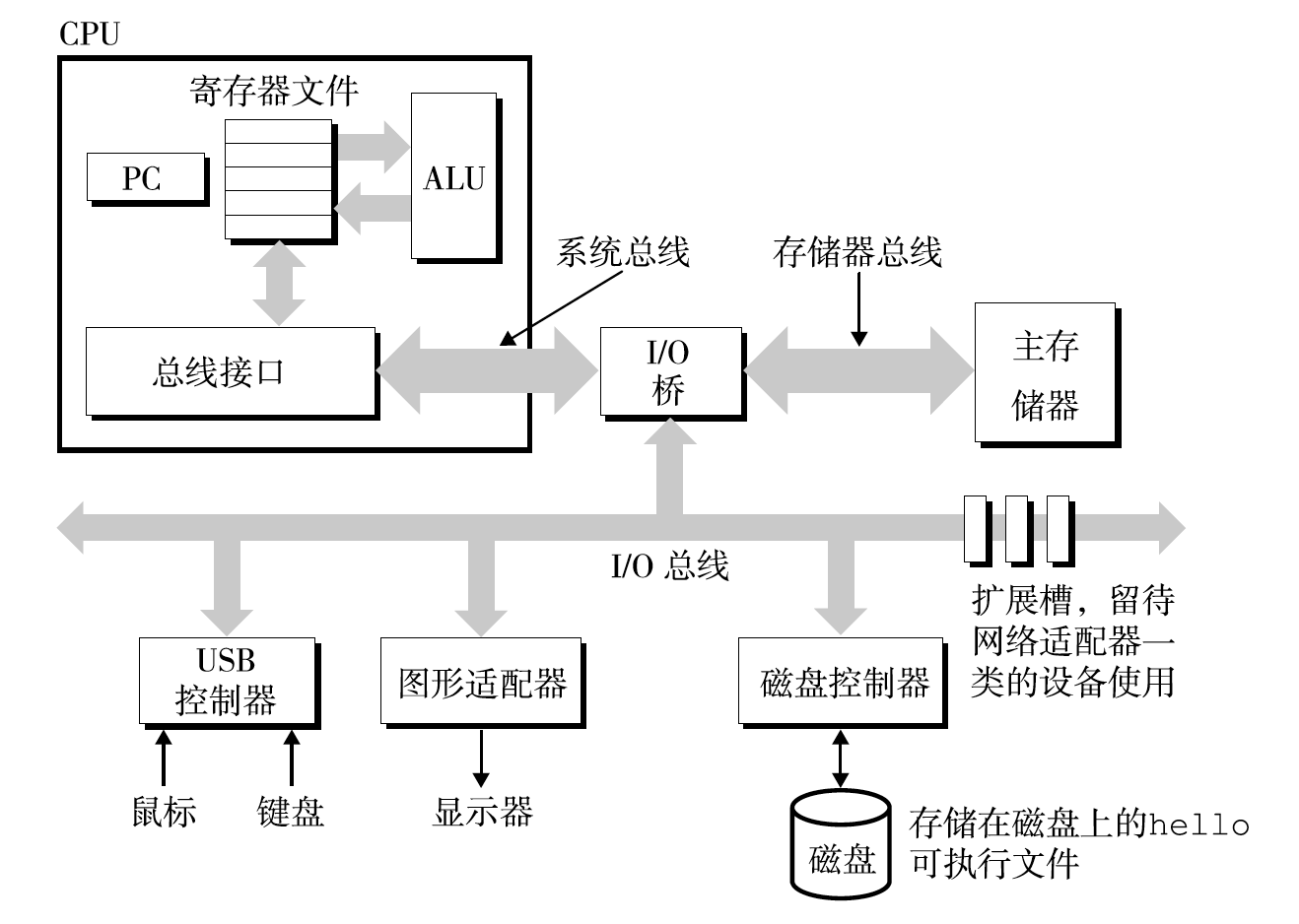
Operating systems have become the most important system software that must be configured in modern computer systems (large, medium, small and microcomputers), multiprocessor systems, computer networks, multimedia systems and embedded systems. From the perspective of general users, OS can be regarded as the interface between the user and the computer hardware system; from the perspective of resource management, OS can be regarded as the manager of computer system resources. In addition, OS implements abstraction of computer resources, hiding the details of hardware operations, and allowing users to use the machine more conveniently.
The OS is between the user and the computer hardware system, and the user uses the computer system through the OS. In other words, with the help of OS, users can easily, quickly, safely and reliably manipulate computer hardware and run their own programs.
Users can use the operating system in the following three ways
In a computer system, it usually contains a variety of hardware and software resources. In summary, resources can be divided into four categories: processors, memory, IO devices, and information (data and programs). Correspondingly, the main function of OS is to effectively manage these four types of resources, namely: processor management, used to allocate and control processors; memory management, mainly responsible for memory allocation and recycling; IO device management, responsible for IO devices allocation and manipulation; file management, responsible for file access, sharing and protection. It can be seen that OS is indeed the manager of computer system resources. In fact, a widely popular view on the role of OS in the world today is to regard OS as the resource manager of computer systems.
For a completely software-free computer system (i.e. bare metal), it provides the user with the actual hardware interface (physical interface). The user must have a full understanding of the implementation details of the physical interface and program it with machine instructions. Therefore, the physical machine must be difficult to use. To facilitate users to use IO devices, people overwrite a layer of IO device management software on bare metal to implement the details of IO device operation and provide a set of IO operation commands, such as Read and Write commands, which users can use to input or output data without caring about how IO is implemented. At this time, the machine the user sees will be a machine with stronger functions and more convenient use than bare metal. That is to say, the IO software laid on bare metal hides the specific details of the operation of the IO device, providing an abstract set of IO devices upwards.
All articles of the author are subject to the Creative Commons Attribution-Non-Commercial Use-Prohibited Deduction 4.0 International License. Reprinting is welcome and copyright is respected. You can also go to the NGTE Books homepage to browse a list of books for multiple categories including knowledge system, programming language, software engineering, model and architecture, Web and large front-end, server-side development practice and engineering architecture, distributed infrastructure, artificial intelligence and deep learning, product operations and entrepreneurship, and other:





