
In the field of artificial intelligence, creative writing has always been a challenging and compelling research direction. OpenAI recently announced that they have successfully trained a "new model" that excelled in creative writing, and the news quickly attracted widespread attention. OpenAI CEO Sam Altman shared this breakthrough on social media platform X, and specifically mentioned that the model can accurately capture the unique atmosphere of "meta-novel", demonstrating the potential of AI in literary creation.
Altman praised the performance of this new model. He mentioned that he had asked the model to create a short meta novel about AI and sadness, and the results were amazing. AI not only completes the task, but also shows extremely high linguistic expression skills and creative depth. This performance is in sharp contrast to OpenAI's past rigorous application in mathematics, programming and other fields, marking a major breakthrough in AI in the field of artistic creation.
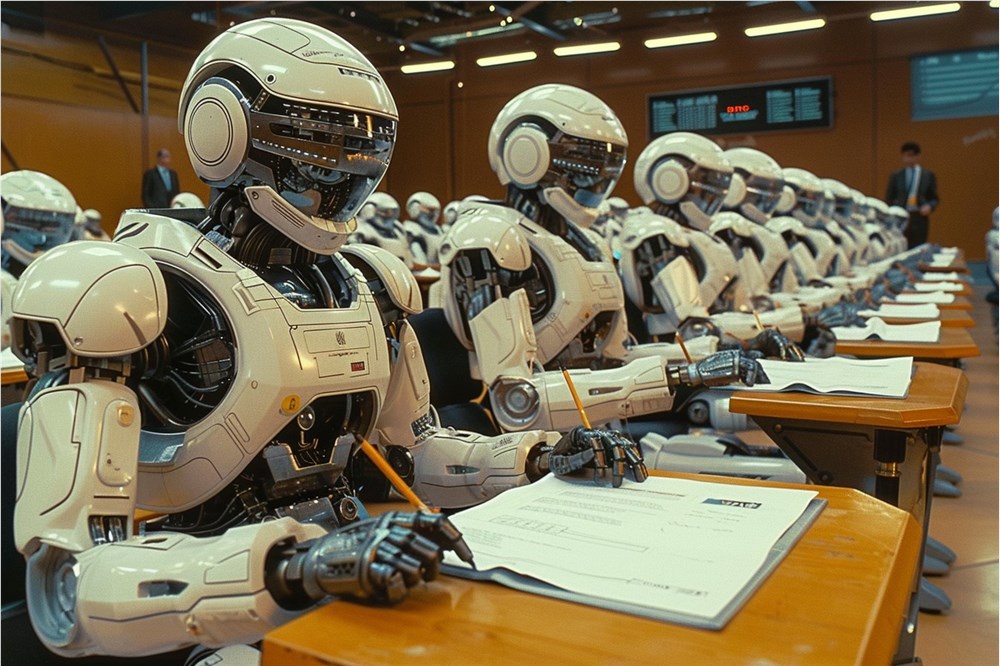
In fact, creative writing is not OpenAI's traditional strength. Previously, AI's expression in prose and literary creation often seemed stiff, lacking emotional depth and humanized expression. However, with the introduction of the latest generation of models, OpenAI seems to be breaking this limitation and moving towards more natural and emotional text generation. Altman's sharing not only allows us to see the huge potential of AI in the field of creation, but also opens up new possibilities for future AI applications.
Although Altman has not disclosed the specific release date of the new model, his confidence in its capabilities has undoubtedly inspired expectations. In the future, we may see more and more AI works emerging in the fields of literature, art, etc., bringing new perspectives and inspirations to human creation.
OpenAI's attempt is undoubtedly an important milestone in the development of artificial intelligence. With the continuous advancement of technology, AI will not only continue to play an important role in science and technology, but will also gradually integrate into all aspects of literary and artistic creation and become a capable assistant to human creation. This trend will not only change the way you create it, but may also redefine the boundaries between art and technology.