
Bay Area robot newcomer Figure is advancing its home robotics program at an expected rate. Company founder Brett Adcock announced on Thursday that it will launch the Alpha test of the home environment of Figure 02 humanoid robots in the second half of 2025, a timetable that is significantly ahead of industry expectations. At the heart of driving this radical plan is Figure's latest Helix system - a universal AI model integrating vision, language and action.
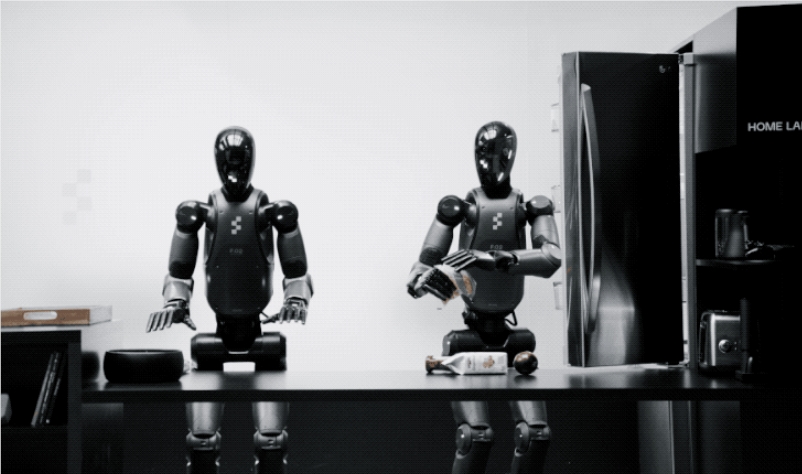
Helix's breakthrough lies in its multimodal learning ability, which can process visual data and natural language instructions simultaneously, significantly improving the efficiency of robot learning new tasks. This independent research and development technology route marks a strategic turn after Figure and OpenAI parted ways. In recent demonstrations, Helix has been able to coordinate two robots to complete complex housework such as cooking, demonstrating strong task execution capabilities.
Although family scenarios are generally regarded as the ultimate goal of humanoid robots, Figure adopts a pragmatic strategy of "industry first, home". In early 2024, the company had launched an industrial pilot at its BMW South Carolina factory, and accumulated practical experience using a structured environment. This choice coincides with industry players such as Tesla and Apptronik, reflecting the dual advantages of industrial scenarios in terms of technological maturity and commercial feasibility.
However, the temptation of the family market is still huge. As global aging intensifies, demand for nursing robots surges. A few players such as Norwegian startup 1X have taken the lead in making plans, but face severe challenges such as environmental complexity, security and cost control. Although Figure's 2025 plan has not disclosed specific details, the positioning of the Alpha test shows that its family strategy is still in an early stage of exploration.