
Recently, NVIDIA released a video generation model called Magic1-For-1, which has once again refreshed people's perception of AI video creation. The biggest highlight of this model is that it can generate a complete one-minute video content in just one minute, truly achieving the "magic" effect of "instant generation". This breakthrough technology not only demonstrates the huge potential of AI in the field of video generation, but also provides new possibilities for future digital content creation.
The core innovation of the Magic1-For-1 model is that it breaks down the complex "text-to-video" generation task into two more easily processed diffusion steps: "text-to-image generation" and "image-to-video generation". This decomposition strategy not only reduces the difficulty of model training, but also greatly improves the generation speed and efficiency. The researchers pointed out that under the same optimization algorithm, the entire generation process of the Magic1-For-1 model is easier to converge, thereby achieving faster and more stable video generation. The success of this technology is not only reflected in time savings, but also in its effective optimization of memory consumption and inference delays, making the process of generating high-quality videos smoother and more efficient.
This breakthrough technology was not completed independently by Nvidia, but was launched by teams from research institutions such as Peking University and Hedra Inc. They summarized the core idea of the "Magic1-For-1" model as "to simplify the complexity." By breaking down the complex process of text-to-video into two simpler steps, the research team took full advantage of the relatively mature and efficient advantages of "text-to-image generation", thereby accelerating the entire video generation process. The success of this method is not only reflected in time savings, but also in its effective optimization of memory consumption and inference delays, making the process of generating high-quality videos smoother and more efficient.
At the technical implementation level, the "Magic1-For-1" model uses advanced step distillation algorithms, aiming to train a "generator" model to generate high-quality video in just a few steps. To achieve this goal, the research team also cleverly designed two auxiliary models to approximate the real data distribution and generate the data distribution. By accurately aligning these distributions, the “generator” model can learn more effectively and generate more realistic video content. In addition, the model has innovatively introduced CFG distillation technology, further reducing the computational overhead in the inference process, thereby achieving a leap in generation speed while ensuring video quality.
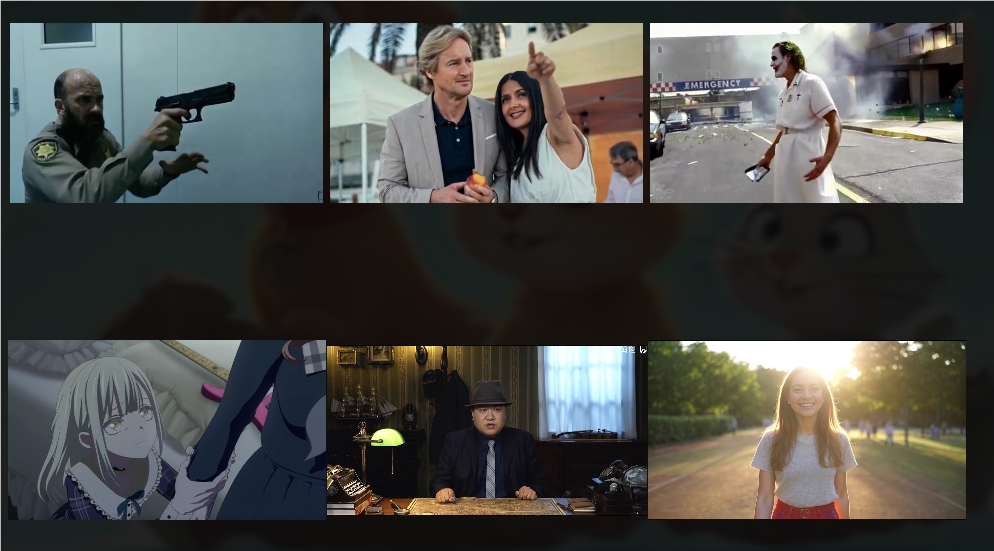
To visually demonstrate the powerful performance of the "Magic1-For-1" model, the researchers gave a wonderful demonstration. The results show that the model can generate stunning high-quality videos in just 50 or even 4 steps. Among them, the 50-step version of the video shows rich movement and composition details, with vivid and delicate pictures; while the 4-step version focuses more on showing the efficient processing capabilities of the model, and its generation speed is impressive. What is even more amazing is that with the help of the sliding window method, the "Magic1-For-1" model can even generate exciting videos that last up to one minute, while ensuring excellent visual quality and smooth sports performance.
The advent of the "Magic1-For-1" model not only brought revolutionary changes to the field of video creation, but also provided new ideas and directions for the future development of digital content generation technology. It can be foreseen that with the continuous popularization and application of this technology, it will inevitably attract the widespread attention of more creators and developers, and will effectively promote the rapid development and prosperity of the entire AI video generation industry.
Project address: https://magic-141.github.io/Magic-141/