
In today's digital age, using AI music generation tools and AI video generation tools to create music video MVs has become an innovative way of making money. By combining AI technology with creative content, creators can display and share their works on video platforms (such as YouTube, Bilibili, etc.), attracting a large number of viewers and fans. This model can not only monetize through the platform's advertising sharing, fan rewards and commercial cooperation, but also provides broad development space for music creators, video producers and AI technology enthusiasts.
The right people to make money include music creators, video producers, AI technology enthusiasts, and individuals or teams who want to earn income from creative content. Although it is medium to get started, it requires a certain foundation in music and video production, as well as familiarity with AI tools and application capabilities. This is undoubtedly a field of potential for creators willing to learn and explore.
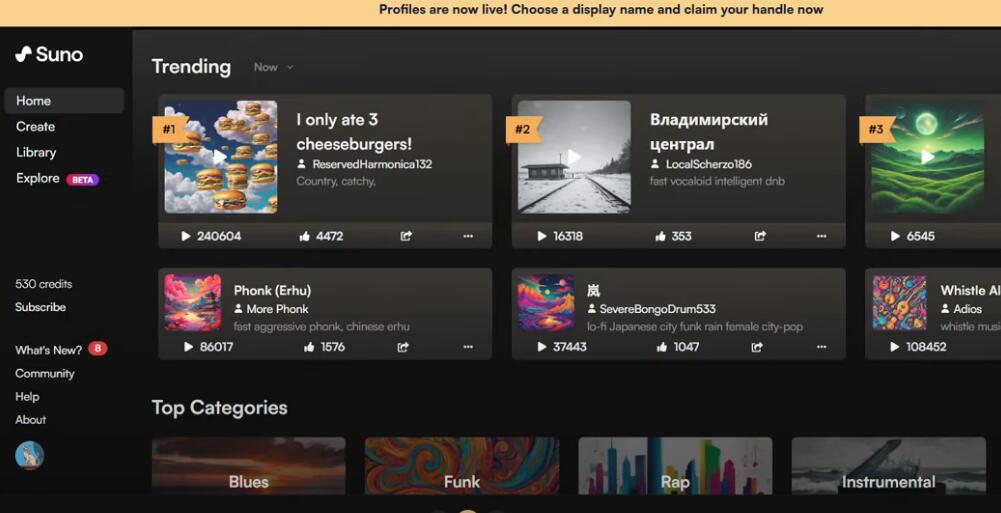
The first step in the operation process is to use AI music generation tools (such as Suno) to generate music according to prompts. These tools can quickly generate music that matches a specific theme and style, laying the foundation for subsequent video production. Next, the creator needs to edit and adjust the generated music to ensure it matches the theme and style of the MV. Although this step requires a certain amount of music production experience, the assistance of AI tools greatly reduces the technical threshold.
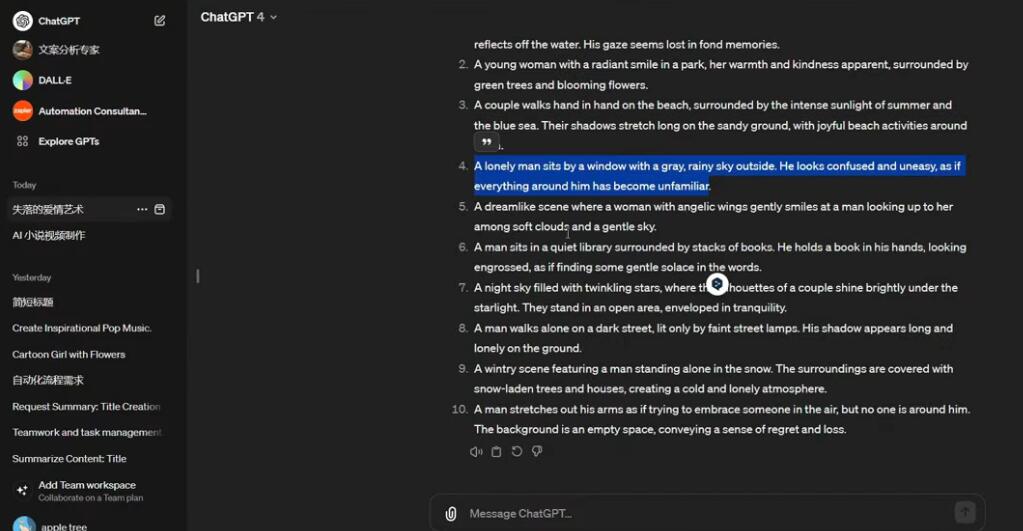
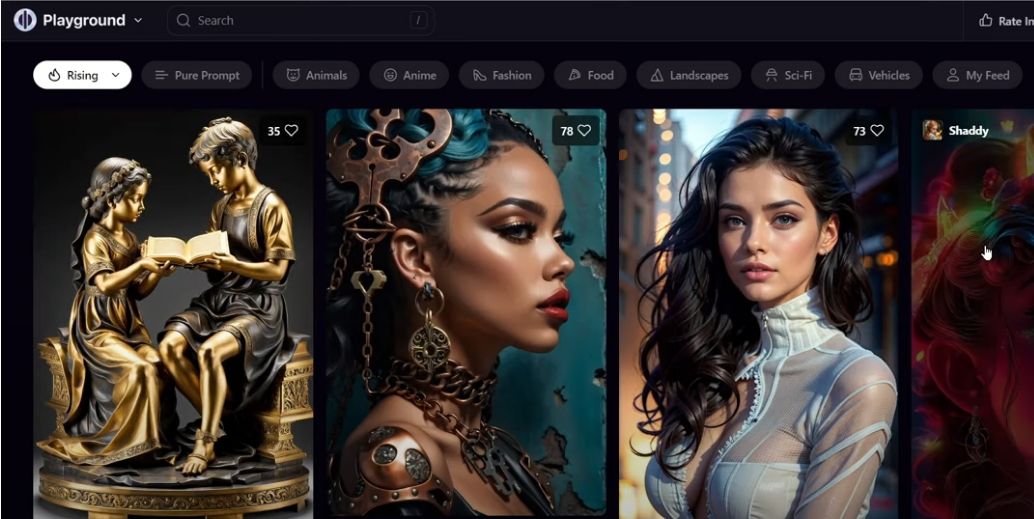
After the music editing is completed, creators can use AI image generation tools (such as GPT, Playground, Midjourney) to generate pictures of the corresponding style based on the music lyrics. These pictures not only provide visual support for the MV, but also enhance the artistic and attractiveness of the work. Through the intelligent generation of AI tools, creators can easily obtain high-quality image materials, saving a lot of time and effort.
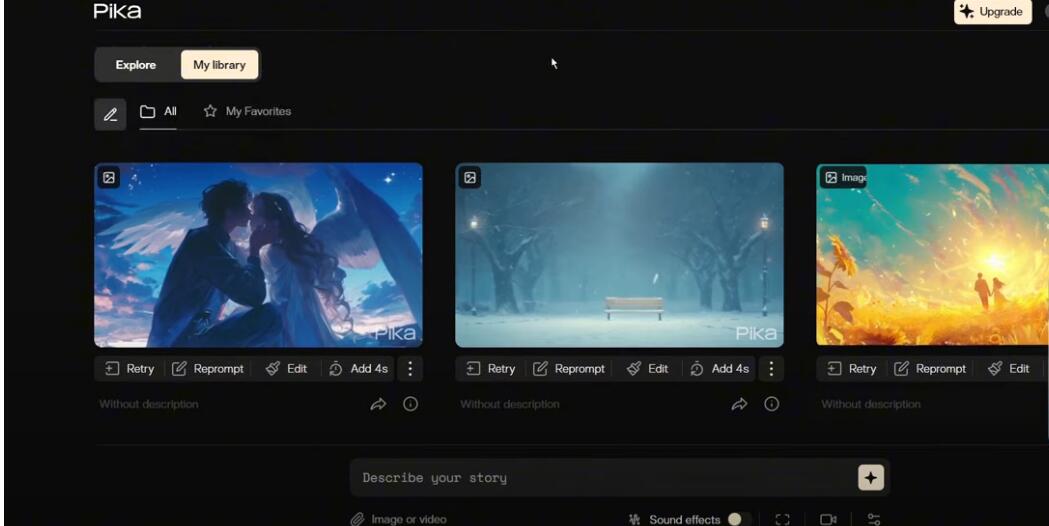
Next, creators can use AI video generation tools (such as Pika, Clip Art) to convert pictures into videos and add dynamic effects and transitions. This step not only makes the video more vivid, but also enhances the viewer's viewing experience. After the video is generated, the creator also needs to perform post-editing, adjust the order, speed and special effects to ensure that the video is synchronized with the music. Although this process requires a certain amount of video production experience, the assistance of AI tools makes the operation easier.
After video editing is completed, creators can use AI tools to design attractive cover images for display of videos. A beautiful cover can not only attract the audience's attention, but also increase the click rate of the video. Finally, the creator uploads the completed MV to the video platform, sets up appropriate titles, descriptions, tags and covers for publishing and promoting. Through effective promotion strategies, creators can attract more audiences and fans, and then monetize through advertising sharing, fan rewards and commercial cooperation.
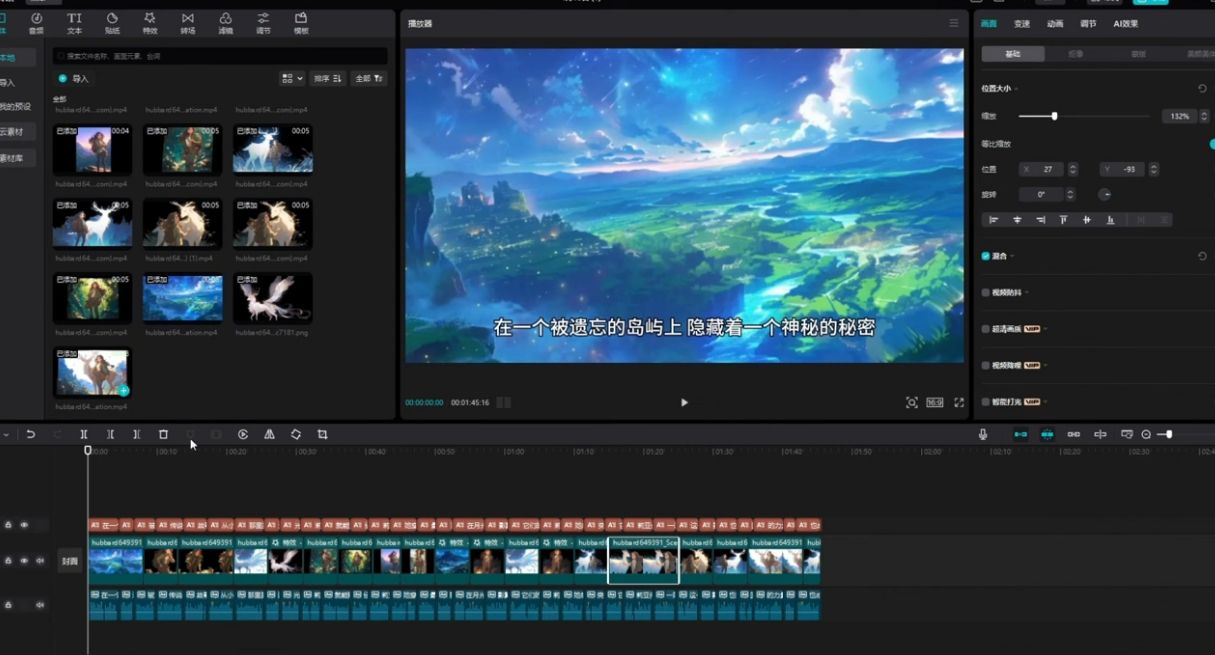
This case shows how to combine AI music and video generation tools to create attractive music video MVs. The use of AI tools not only greatly reduces the technical threshold for music and video production, but also provides creators with broad creative space and creative freedom. Through the sharing and promotion of video platforms, creators can attract fans and audiences, and then monetize content in various ways.
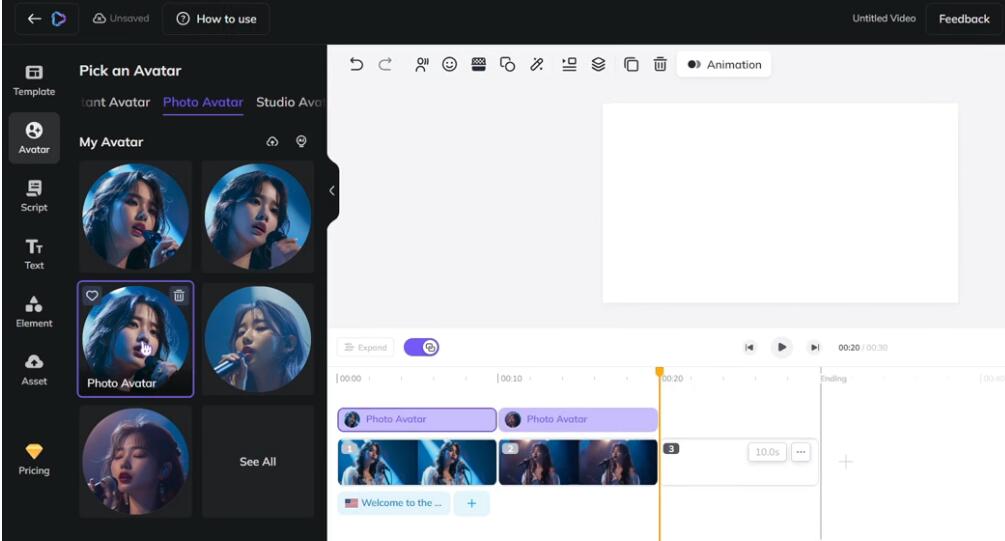
In general, using AI music generation tools and AI video generation tools to create music video MVs is an innovative way of making money. It not only provides creators with new ways of creating, but also brings a brand new audio-visual experience to the audience. With the continuous development of AI technology, this model will show greater potential and possibilities in the future.