
At the forefront of the technology field, Apple and Meta are quietly launching a competition for AI-powered humanoid robots. Although the two companies have competitive relationships in certain fields, the interweaving of cooperation and confrontation may open a new chapter in the development of technology. This competition is not only a contest of technology, but also a redefinition of the future lifestyle.
As a pioneer in consumer electronics, Apple's innovative capabilities in the field of smart hardware are undoubtedly. Recently, it was revealed that Apple is investing heavily in artificial intelligence and robotics with the goal of developing a humanoid robot that can interact naturally with humans. Although Apple's specific details of this project have not been disclosed yet, some industry experts believe that the application scenarios of this robot will cover areas such as home assistants and elderly care. Apple's robots may integrate its existing ecosystems, such as the Siri voice assistant and HomeKit smart home platform, providing a more seamless user experience.
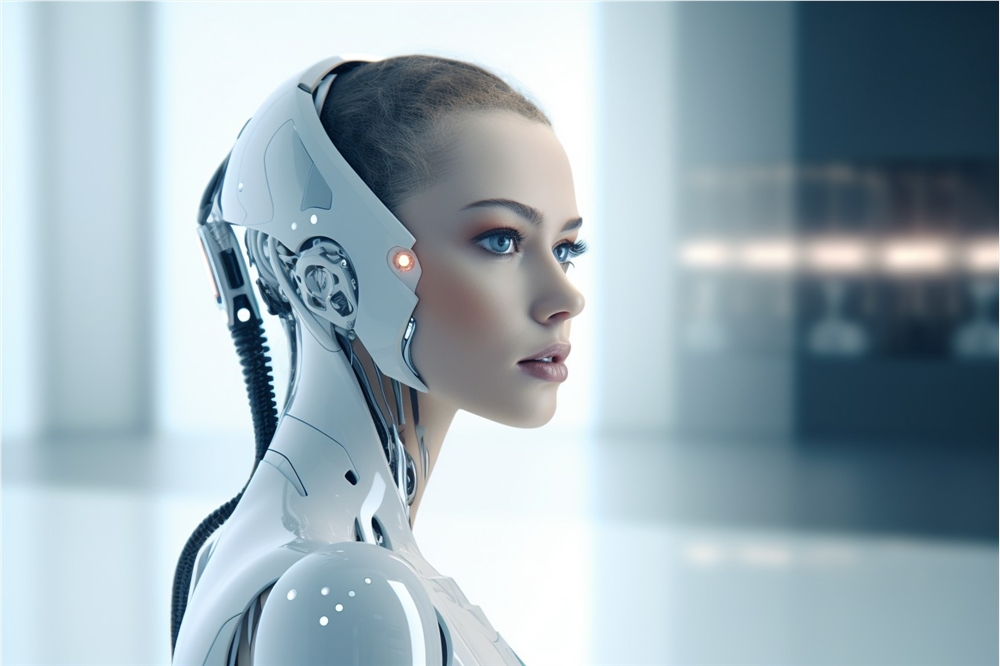
At the same time, Meta is not willing to be outdone and actively participates in the research and development of humanoid robots. As a social media giant, Meta has been exploring the combination of virtual reality and augmented reality. And this time, they have turned their attention to the physical world, hoping to improve people's quality of life through AI-powered robots. It is reported that Meta's robots will be equipped with advanced natural language processing and computer vision technology to enable them to understand and respond to human instructions. Meta's robots may be combined with its existing virtual reality platform Oculus and augmented reality technology to provide a more immersive interactive experience.
This competition among technology giants is not only a competition of technology, but also a redefinition of the future lifestyle. As humanoid robotics continue to mature, they may become common "members" in homes and workplaces. However, industry insiders also pointed out that safety and ethical issues still need to be treated with caution. How the two companies balance innovation and responsibility will be a key issue that needs to be solved in future development. For example, how to ensure that a robot does not invade user privacy and how to prevent a robot from being used for improper purposes are all issues that need to be seriously considered.
Regardless of the final result, this "robot competition" between Apple and Meta will undoubtedly attract widespread attention, and technology enthusiasts can look forward to the launch of smarter and more humanized products. In the near future, we may be able to see these emotional and intelligent humanoid robots in our daily lives, bringing an unprecedented experience. Whether as home assistants, elderly caregivers, or workplace partners, these robots have the potential to greatly improve our quality of life and drive a new wave of technology.