
The open source AI chat tool LobeChat has achieved remarkable results in one month of public beta: its monthly income exceeded 30,000 yuan, and more than 60 paid users. This shows that the commercialization of open source projects is not out of reach, and it also brings motivation to continue working hard for the LobeChat team. However, its paid conversion rate is less than 1%, exposing the challenge of low user willingness to pay in the open source model and the functional gap compared to mature products. The article analyzes the problems faced by LobeChat, future development plans, and challenges encountered by the team in product design in detail, and proposes corresponding solutions.
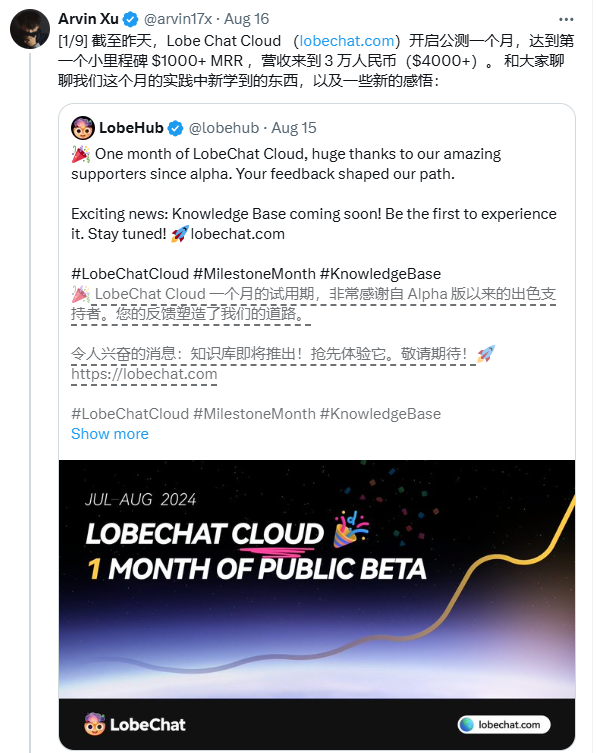
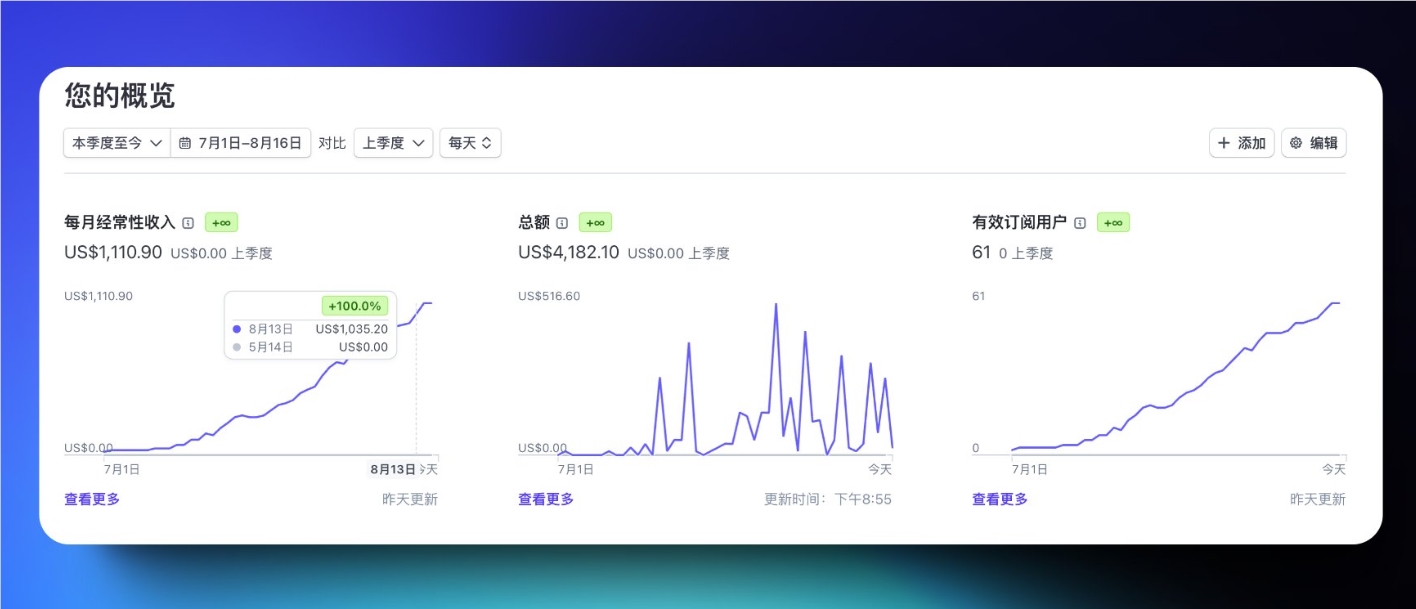
Recently, open source AI chat tool LobeChat announced that its cloud service has achieved monthly revenue of more than 30,000 yuan (about 4,000 US dollars) in one month, and the number of paid users has reached more than 60, achieving preliminary results.
The LobeChat team said that this achievement gave them hope for the commercialization of open source projects. Only about 60 paid users can support the team's daily operations, which is completely different from the traditional Internet's idea of pursuing millions of users.
Official website address: https://lobechat.com/welcome
However, LobeChat also faces the challenge of low paid conversion rates. Currently, LobeChat cloud service has more than 7,000 registered users, but paying users account for less than 1%. The team analyzed that this may be because the market competition is fierce and the user choices are numerous, and the functions of LobeChat cloud service are still far behind those of mature products such as ChatGPT and Claude.
The LobeChat team believes that open source strategies are one of the main reasons for low paid conversion rates. They admitted that users who choose open source solutions tend to be more likely to use them for free, so it is very difficult to make money from them. 
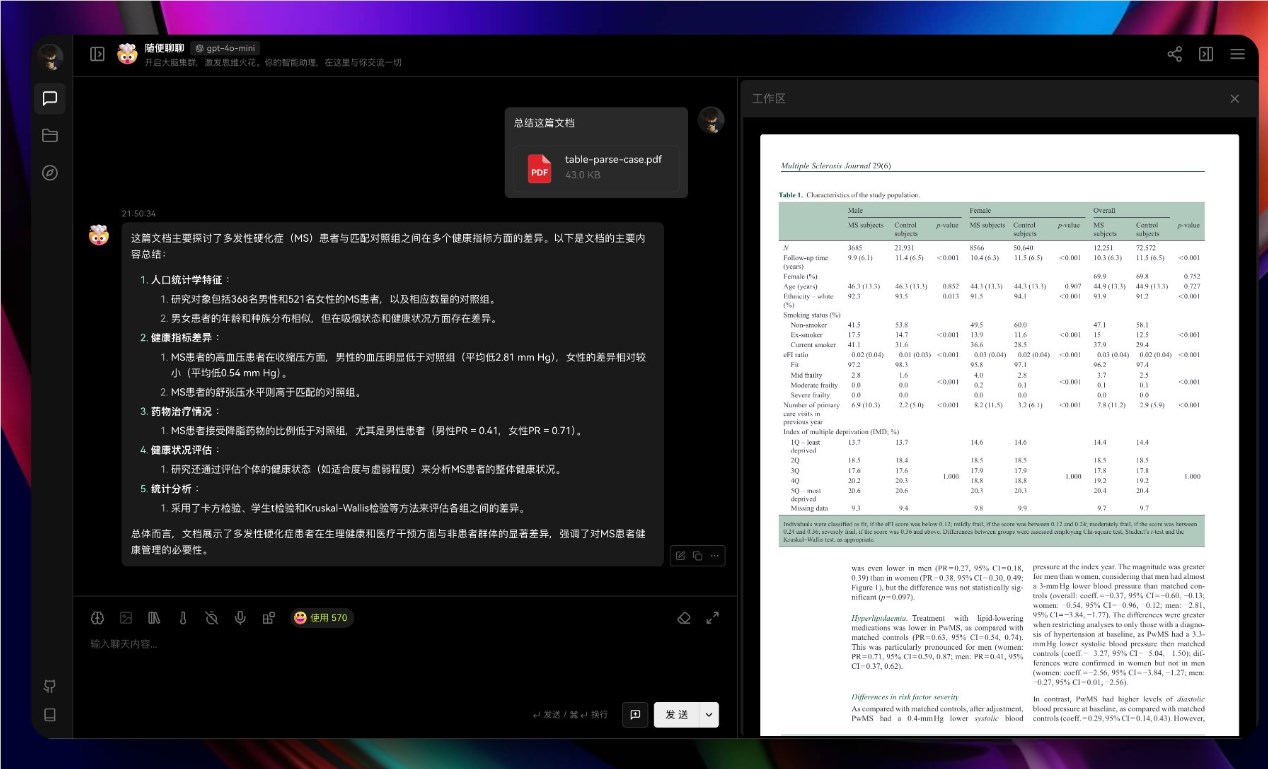
To solve this problem, LobeChat plans to focus on developing differentiated and value-added services in cloud services in the future, such as the upcoming file upload/knowledge base conversation feature.
In addition, the LobeChat team plans to adjust the existing fixed usage subscription model. They found that this model is not suitable for AI products billed by tokens, because users may consume all tokens in a short time after purchasing the basic version subscription, resulting in the inability to continue to use.
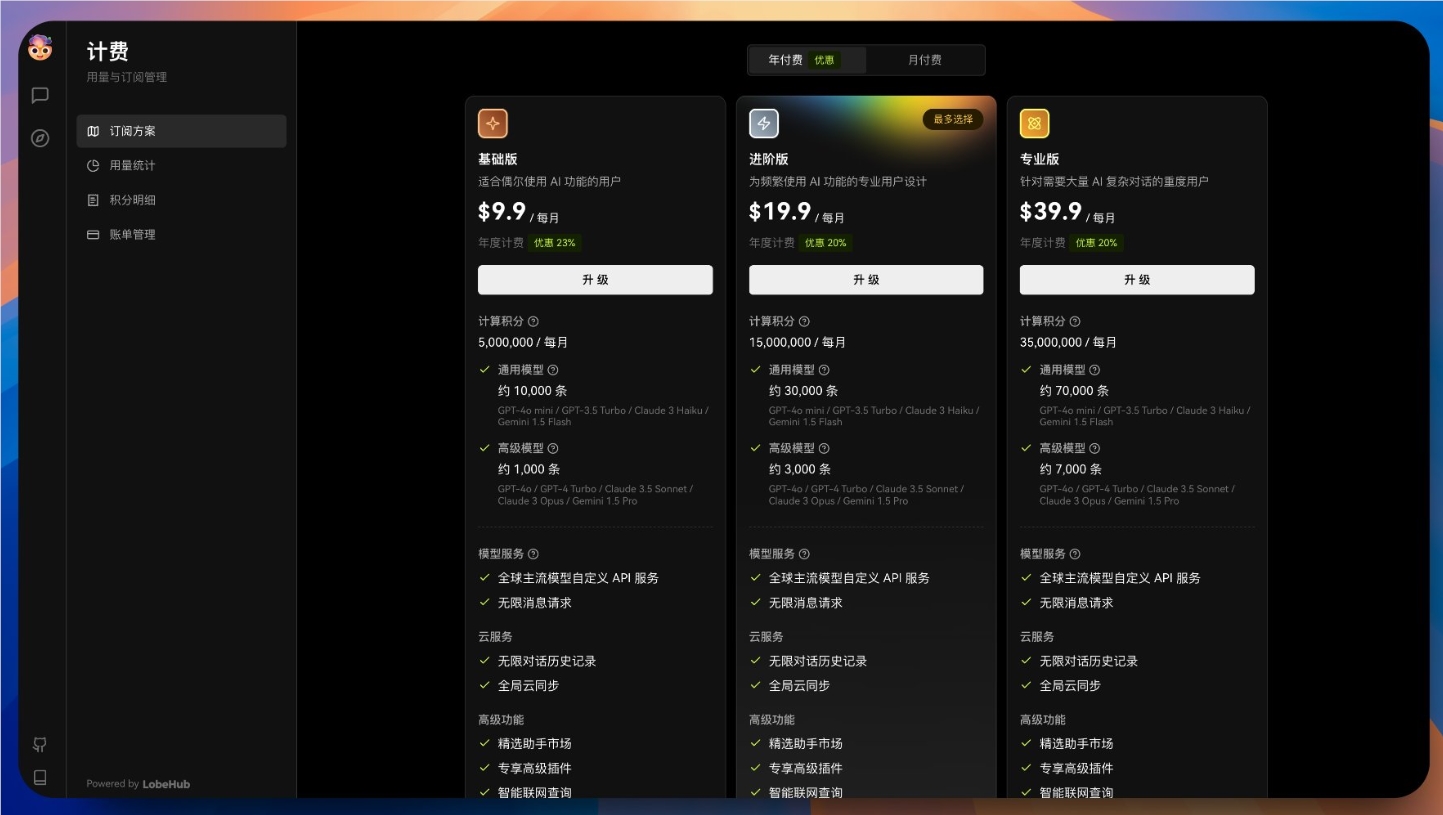
In the future, LobeChat will adopt a relatively low basic service subscription fee + on-demand purchase of token usage to alleviate user subscription and usage pressure.
The LobeChat team also shared the challenges they encountered in product design, such as the cumulative growth in token usage in multiple rounds of conversations. Because users often don’t realize this problem, the actual user experience does not match expectations.
The LobeChat team promises to bear the additional usage loss caused by product design defects and calls on users to contact them in time when they encounter problems.
Finally, the LobeChat team revealed that the current monthly income of 30,000 yuan can basically cover the operating costs of AI API and infrastructure, and the profit margin is limited. They will continue to focus on the MRR (monthly recurring revenue) indicators to ensure the sustainable development of the project.
Reference: https://x.com/arvin17x/status/1824474651877314796
All in all, both LobeChat's successes and challenges provide valuable experience in the commercialization of open source AI projects. Its future development deserves continuous attention. Its efforts to solve problems such as low paid conversion rates and product design defects will directly affect its long-term development and profitability.