
Pope Francis recently delivered a speech at the G7 Summit, emphasizing the importance of artificial intelligence ethics, triggering widespread global attention on the development direction of AI. He pointed out that while AI technology is developing rapidly, human values and dignity are facing unprecedented challenges. This speech not only highlighted the importance that religious circles attach to AI ethics, but also provided important ethical thinking for global AI governance. This article will interpret the Pope’s speech and the global response to AI ethics.
This week, Pope Francis spoke about artificial intelligence and emphasized the importance of ethics at the G7 summit in southern Italy. "While artificial intelligence programs look at humans and their behavior, it is precisely in the implementation and development of these systems that the understanding of values and dignity is most at risk," he said in a speech on the sidelines of Italy's bid for the G7 presidency.
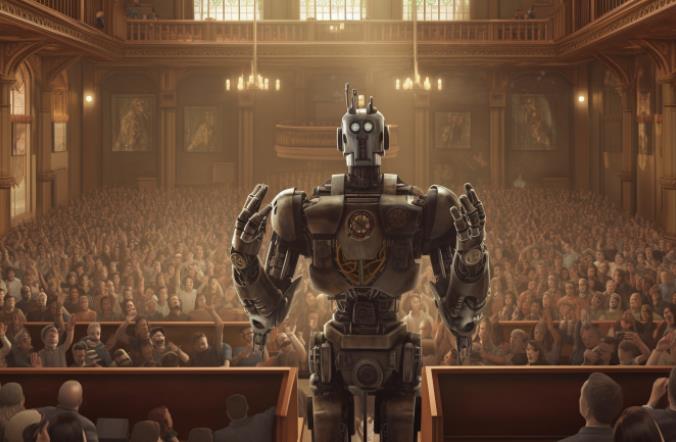
The Pope highlighted the impact that artificial intelligence can have on the human worldview, and how the worldview embodied by the technology can influence its inventors and developers. He also mentioned other forms of truth, and how AI should be a bulwark against the “technocratic paradigm.”
The pope's speech sparked discussion about what truths need to be considered in the development of artificial intelligence. At the same time, how various stakeholders should work together to ensure the ethical development of artificial intelligence has also become the focus. The "Rome Call for AI Ethics" proposed by Vatican City has received support from signatories including Microsoft, IBM, Cisco, the Food and Agriculture Organization of the United Nations, and the Pontifical Institute for Life. This initiative aims to promote accountability among organizations, governments, institutions and the private sector to create a future where digital innovation and technological advancement serve human intelligence and creativity.
At the national level, the U.S. Department of Homeland Security established the Artificial Intelligence Safety and Security Committee in April 2024, which includes members from major companies, academics, policymakers and civil organizations. In the UK, the formulation of the AI Act has adopted a more liberalized “self-management” approach.
The Pope’s speech and the actions of countries around the world show that artificial intelligence ethics has become a global consensus. In the future, how to balance technological development and ethical norms will be an important issue facing the world. We need to always adhere to people-centeredness while technological progress is made to ensure that artificial intelligence benefits mankind.