
The rise of OpenAI has put pressure on many AI startups, who worry that their products will be swallowed up by OpenAI's status as a technology giant. OpenAI CEO Altman once publicly stated that any company developing within the scope of its technology will face the risk of being crushed, triggering heated discussions in the industry. This article will take an in-depth look at the challenges and opportunities faced by AI startups, and how they are coping with the tremendous pressure from OpenAI.
In the world of AI, OpenAI is like a giant holding the sword of Damocles, worrying countless AI startups. But is that really the case? This article will take you to find out.
One of the biggest worries of AI startups is that their products will be overwhelmed by the "regular army" of technology giants. They are afraid of hearing others say: "This is a shell application."
A few months ago, OpenAI CEO Altman stated on a podcast that any startup or product built within the scope of OpenAI technology will face the fate of being crushed.
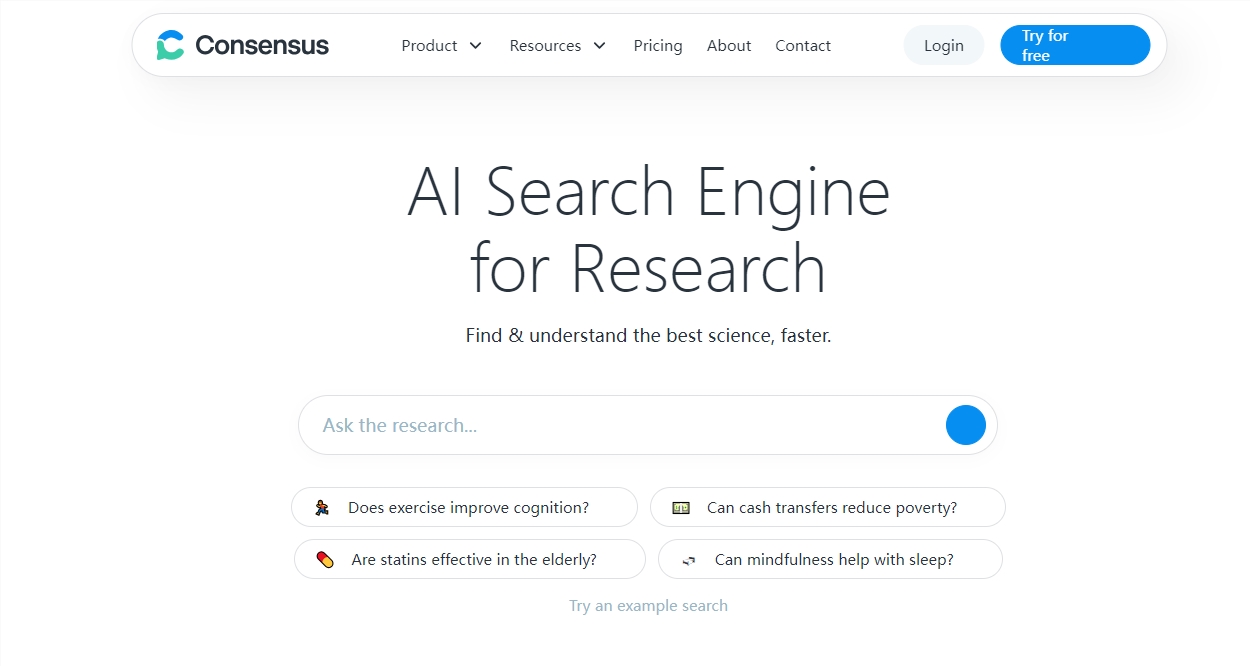
However, not everyone agrees. Eric Olson, co-founder and CEO of the AI startup Consensus, publicly responded to Altman, saying that he had no worries about his company.
Olson believes that there is nothing wrong with startups shelling out in their early stages. The key is to make the product "thicker" over time through design, user interface, new features, services, branding, etc.
The article pointed out that most products only achieved "passing" and were far from "excellent". The difficulty and importance of building a great product is often underestimated.
Consensus was founded based on this concept. They focus on providing an easy-to-use academic search engine, filling a gap in the market that Google Scholar overlooked.
Faced with the huge influence of OpenAI, AI startups need to focus on their own advantages and create differentiated products in order to gain a foothold in the fiercely competitive market. Ultimately, success depends on innovation and a deep understanding of user needs, not just the underlying technology. This is the key to the continued development of the AI field.