
OpenAI is undergoing dramatic changes as it plans to transform from a non-profit organization into a for-profit company and seek huge funding. However, negative news such as the resignation of senior executives and the obstruction of financing plans followed one after another, causing concerns about its future development prospects. The editor of Downcodes will provide you with an in-depth analysis of the current challenges and opportunities faced by OpenAI.
Recently, OpenAI is in a critical period of transformation, planning to transform from a non-profit laboratory to a profitable company and preparing for a new round of huge financing. However, there are constant turmoil within the company, and many senior executives such as the chief technology officer and chief research officer have resigned one after another, causing external concerns about the future development direction of OpenAI.
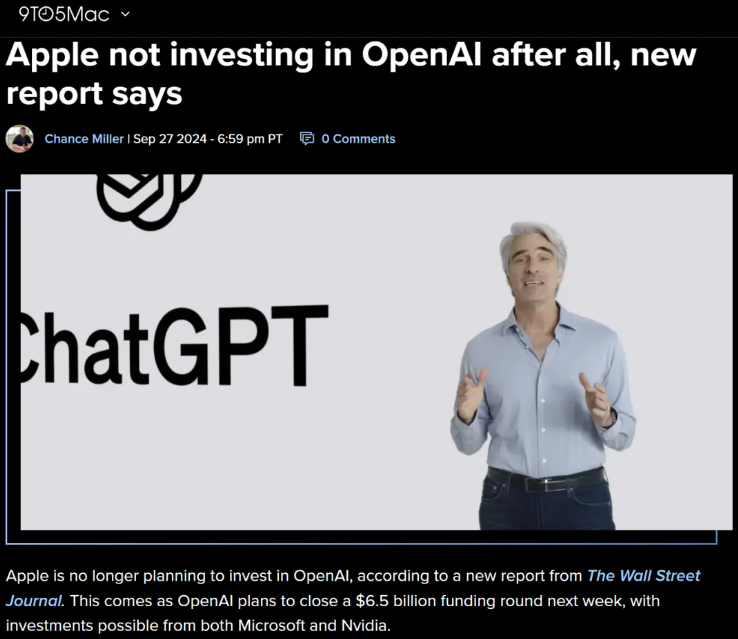
It is reported that Apple unexpectedly gave up participating in OpenAI’s latest round of financing of US$6.5 billion, causing the financing plan to be cold. Although OpenAI expects revenue to reach US$300 million this year, a year-on-year growth of up to 1,700%, the company is expected to lose US$5 billion this year, and its profit prospects are worrying.
Some employees expressed concerns about the current situation of OpenAI, believing that while the company is pursuing rapid growth, there are hidden dangers in product safety testing, which may lead to a decline in competitive advantage. Since the reinstatement of CEO Altman last year, the company has actively promoted the improvement of products such as ChatGPT, promoted artificial intelligence technology globally, and plans to invest heavily in building AI chips and data centers. However, the company's team expanded rapidly within a year, and the management structure faced huge challenges.
At the same time, OpenAI is also facing fierce challenges from competitors such as Anthropic and xAI, and technology investors are also concerned about frequent changes in company executives. In the face of various doubts, Altman stated in public that OpenAI will be more powerful after the transformation. However, investors are cautious about the company's internal turmoil, believing that this may herald a huge crisis for OpenAI's development. Let us wait and see how OpenAI will develop in the future and whether it can maintain its technological leadership while pursuing commercialization.
The future of OpenAI is full of uncertainty, and its transformation path is destined to be full of challenges. Whether it can successfully resolve internal crises and cope with fierce market competition will directly determine whether it can continue to maintain its leading position in the field of artificial intelligence. Let us pay attention to the subsequent development of OpenAI.