
The editor of Downcodes will give you an in-depth understanding of computer system software! System software is the bridge between computer hardware and users. It covers many aspects such as operating systems, drivers, diagnostic tools, server software, window systems and utilities. This article will explain in detail the components and functions of these system software and their important role in computer systems, and answer some common questions to help you better understand and use computer systems.
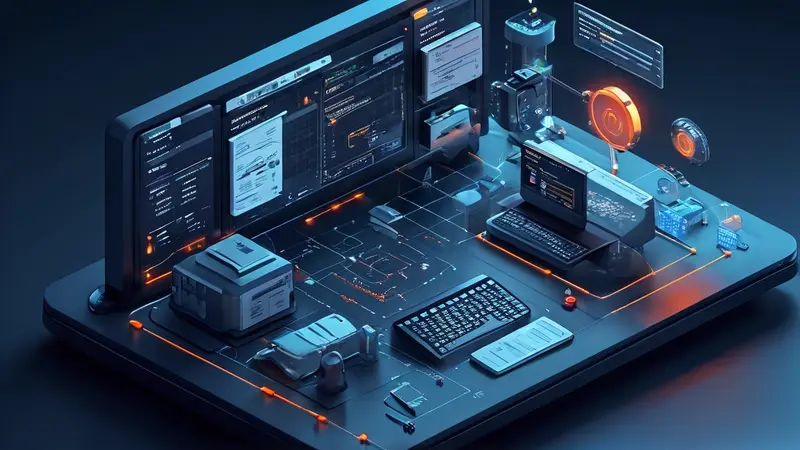
System software is intermediary software between computer hardware and users, mainly including operating systems, device drivers, diagnostic tools, server software, window systems and utilities. The operating system (such as: Windows, macOS, Linux, Android, iOS) is the core system software. It manages hardware resources, optimizes task scheduling, and provides necessary services for upper-layer applications. The operating system is described in more detail next.
The operating system is the most basic software of a computer system. It manages and controls computer hardware and software resources, and provides users and other software with a convenient interactive interface and usage environment. The basic functions of the operating system are system resource management, file management, job management and task scheduling. For example, Windows system is one of the most popular personal computer operating systems at present. It features a graphical interface, multi-tasking and extensive hardware support. And become famous.
The operating system is responsible for reasonably and efficiently managing computer resources such as CPU, memory, hard disk, and network. This includes memory allocation, disk space management, and input/output device allocation and scheduling.
An operating system provides a file system for storing, retrieving, and managing computer files. It typically provides an interface for users to access, organize, and control files and folders.
The device driver is the bridge between the hardware device and the operating system. It is responsible for controlling and managing the operation of the hardware device. Drivers enable the operating system to recognize and use hardware, such as printers, graphics cards, sound cards, etc. Different hardware devices require specialized drivers based on their functionality and design to ensure they work properly.
Device drivers enable hardware devices to be compatible with different versions of operating systems. Hardware manufacturers provide driver software for various operating systems.
Driver updates can improve the performance of hardware devices, fix known bugs, and improve the stability and performance of computer systems.
Diagnostic tools are mainly used to detect and diagnose computer hardware and software problems to ensure the stable operation of the system. These software can check for problems in the system and provide solutions, such as memory detection tools, hard disk detection and repair programs, etc.
Some diagnostic tools can monitor system performance and track system resource usage in real time, such as CPU, RAM, and hard disk usage.
They can help detect system errors and device conflicts, analyze the causes of system crashes, and provide corresponding solutions.
Server software mainly runs on server hardware and provides functions such as data, resource sharing, and network services. They include web servers, file servers, database servers, etc. Server software can handle client requests and provide efficient data processing and access services.
Server software can manage resource sharing in the network, allowing multiple users to access the same data resources.
Database management system (DBMS) is one of the common server software, which provides a complex mechanism for storing, retrieving, managing and protecting data.
A windowing system provides the basis for a graphical user interface (GUI), which manages screen output and user input. For example, the X Window System provides a standard window system for UNIX and Linux systems. The window system is a platform for interaction between users and various application software.
A windowing system allows users to interact with the computer through an intuitive graphical interface rather than just the command line.
Windowing systems are designed to run on a variety of hardware, allowing the same code to be used regardless of the specific device.
Utilities are also an important part of system software, including disk cleaning tools, compression tools, text editors, etc. Utilities are used to perform system maintenance and perform daily tasks without requiring intense user interaction.
Tools such as disk defragmentation and disk cleanup can help optimize system performance and enhance system stability.
Utilities can add new functionality to the operating system or enhance existing functionality, such as backup tools, system security tools, etc.
The selection of system software has a direct impact on computer performance and user experience. Their update and maintenance are crucial to ensuring the safe and efficient operation of the computer system.
What are commonly used system software? What are the benefits of using system software?
Commonly used system software includes file managers, disk cleaning tools, security protection software, application managers, settings managers, etc. These software can help us better manage and maintain the operating system and its related settings.
The benefits of using system software are many. First of all, file managers can help us find and organize files conveniently, improving the efficiency of work and study. Secondly, the disk cleaning tool can help us delete useless temporary files and junk files, free up disk space, and improve the running speed of the computer. In addition, security protection software can help us defend against viruses and malware attacks and protect our computer security. In addition, the application manager can facilitate us to install, update and uninstall software, making software management more convenient. Finally, the settings manager can help us personalize the settings of the operating system to make our computer more suitable for personal needs.
What are the commonly used system software? What are their functions and uses?
Commonly used system software includes operating systems, file managers, disk cleaning tools, security protection software, application managers, settings managers, etc.
The operating system is a system software that manages and controls computer hardware resources to ensure that the computer can run normally. A file manager is a software that helps us manage and maintain files. It makes it easy for us to find, copy, cut, paste and delete files. The disk cleanup tool is a tool used to clean up junk files, temporary files and useless system files on the computer disk and free up disk space. Security protection software is software used to protect computer security from viruses, malware, and network attacks. Application Manager is a tool used to manage and maintain software installed on your computer, making it easier for us to install, update, and uninstall software. Settings Manager is software used to personalize operating system settings, allowing us to customize the appearance and behavior of the operating system according to our personal needs.
How to choose and use appropriate system software?
There are several aspects to consider when selecting and using appropriate system software. First of all, you need to clarify your own needs and choose appropriate software based on your own operating habits and usage habits. Secondly, you need to consider the performance and stability of the software and choose software that is powerful, easy to operate, and has been tested and verified. In addition, you also need to pay attention to the compatibility of the software and choose software that is compatible with your own operating system version. Finally, you need to pay attention to the security of the software and choose software that comes from trustworthy manufacturers and has a good reputation.
Using appropriate system software requires first understanding the functions and uses of the software and operating in accordance with the software's operating instructions. At the same time, you also need to pay attention to software updates and maintenance, upgrade software versions in a timely manner, and fix security vulnerabilities. In addition, pay attention to protecting personal privacy and computer security, and avoid downloading and installing software from unknown sources.
I hope the explanation by the editor of Downcodes can help you better understand the system software! System software is the cornerstone of computer operation, and mastering its knowledge is essential for daily use and maintenance. If you have any questions, please leave a message to discuss!