
ByteDance recently quietly launched an AI model sharing community platform called "Lumi", which has attracted attention in the industry. The platform aims to provide functions such as model uploading and sharing, workflow construction, and LoRA training. It is currently in the internal testing stage and is only available to whitelist users. The editor of Downcodes will conduct a detailed analysis of the characteristics of the platform, ByteDance’s layout in the AI field, and comparison with competitors.
On October 31, ByteDance quietly launched an AI model sharing community platform called Lumi. It is reported that the platform will provide functions such as model upload and sharing, workflow construction, and LoRA training. It is still in the internal testing stage and is only open to whitelist users.
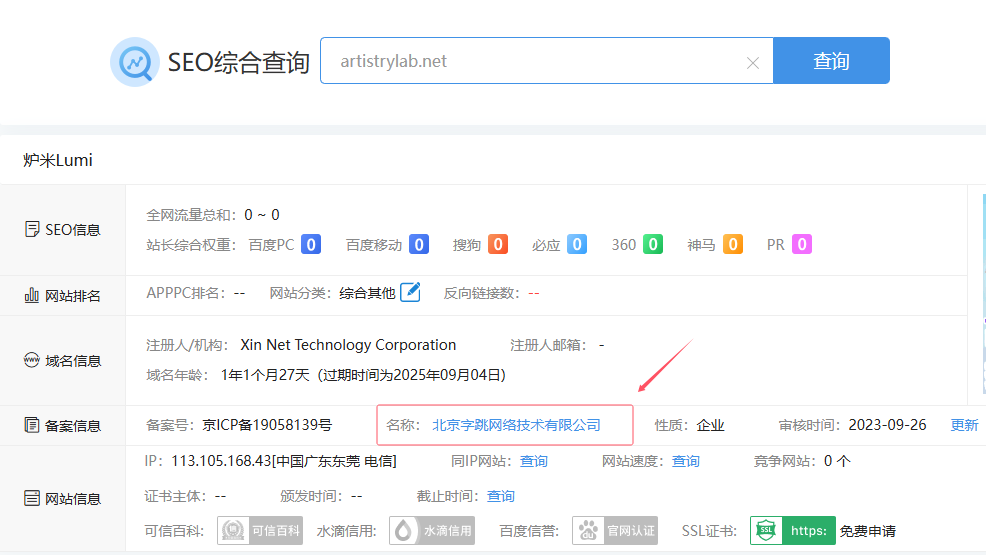
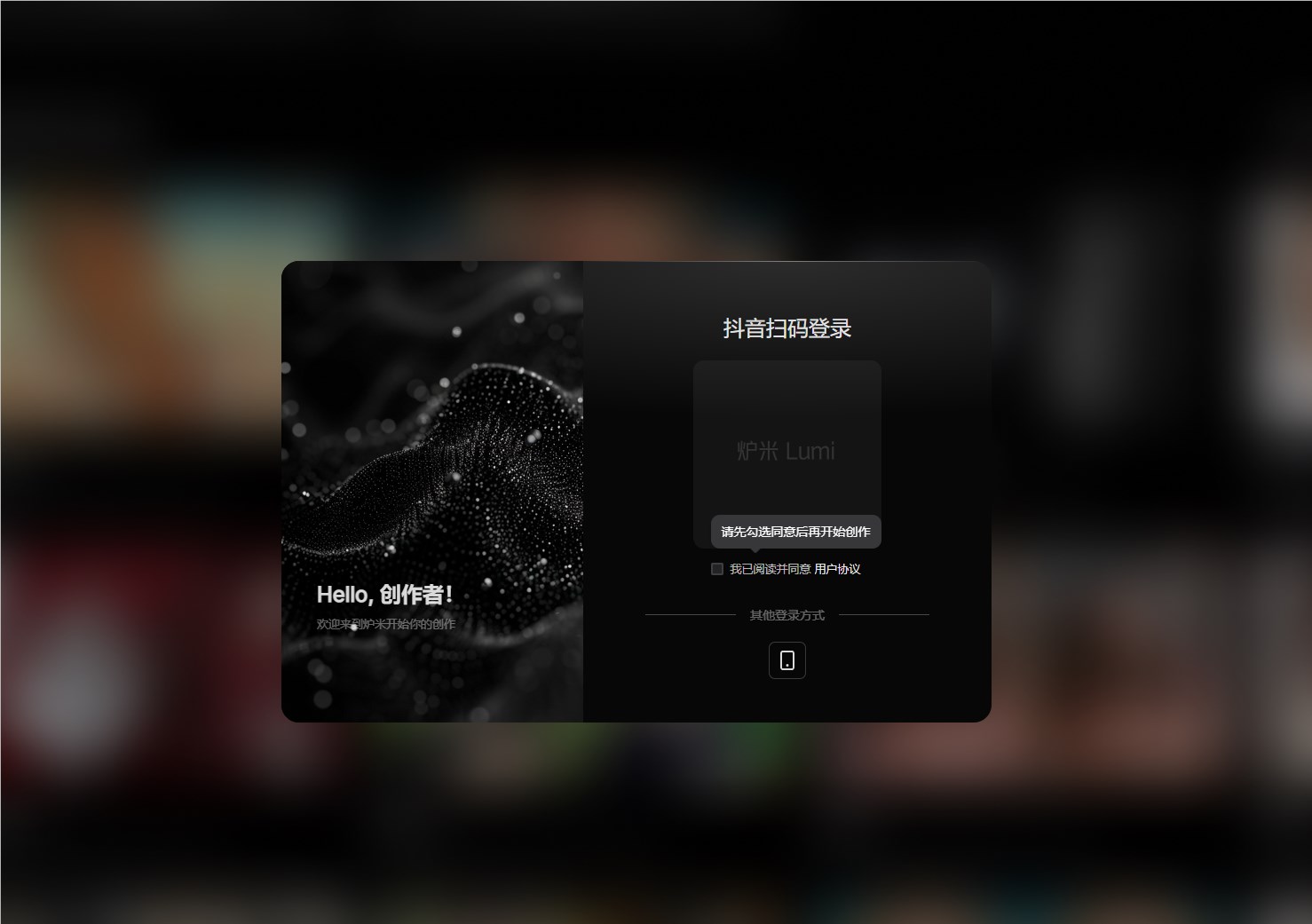
The reporter found that when users scan the QR code to log in to the platform, they will receive a prompt that they have not yet obtained access rights and are welcome to join the platform after it is opened. Public information shows that the main operator of the platform is Beijing Zitiao Network Technology Co., Ltd., and the domain name artistlab.net used by it completed the review on September 26, 2023.
In fact, the Lumi platform is the latest layout in ByteDance’s AI landscape. It is understood that ByteDance has extensive layout in the field of AI: in terms of large models, it has self-developed large models of Dou Bao; in the field of ChatBot, it has launched Dou Bao and Little Wukong; in the field of AI social networking, it is internally testing the Douyin AI interactive space ; Developed a cat box (original speaking stove) in the field of AI virtual companionship; this In addition, Jimeng (AI image generation), Jichuang (AI marketing creation platform), Jianying (AI video editing), Button (Agent construction platform), Doubao Aixue (AI education product), Sponge Music (AI music Generation) and products such as MarsCode (code generation).
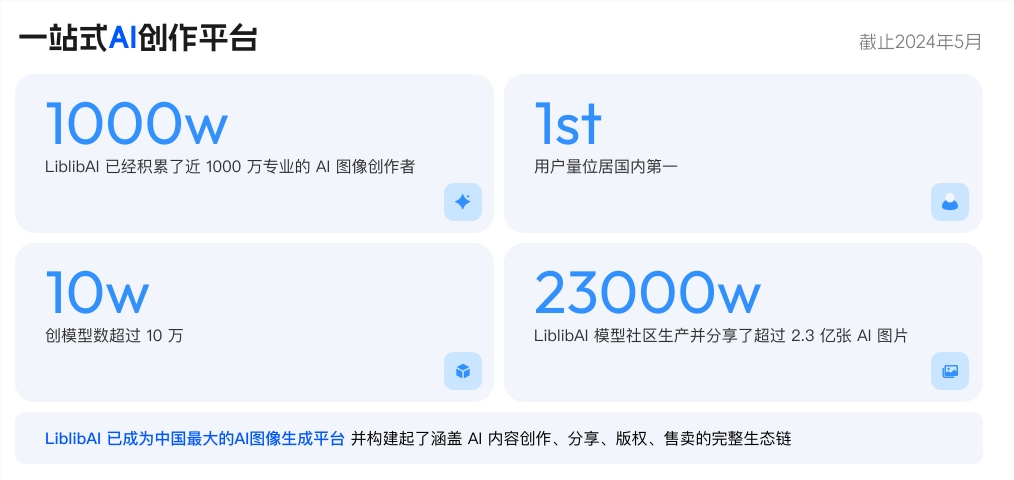
It is worth noting that the Lumi platform launched this time is quite similar to LiblibAI in terms of functional positioning. Data shows that as of May 2024, LiblibAI has developed into China's largest AI image generation platform, with a total of nearly 10 million professional AI image creators, ranking first in the country in user scale. The platform has more than 100,000 creative models, and the number of AI pictures produced and shared by its model community has exceeded 230 million, building a complete ecological chain covering AI content creation, sharing, copyright, and sales.
Industry insiders believe that ByteDance’s launch of the Lumi platform at this time shows its comprehensive layout strategy in the AI field. In addition to competing with domestic competitors such as LiblibAI, Byte also faces competitive pressure from international AI platforms such as ChatGPT, Midjourney, and Stable Diffusion. As the demand for AI creation grows, model sharing community platforms may become a new battlefield for major technology companies. At present, ByteDance has not issued an official statement on the Lumi platform.
All in all, the launch of the Lumi platform marks ByteDance’s further increase in competition in the AI field, and its future development deserves continued attention. The ultimate direction of the platform and the game with competitors will have an important impact on the pattern of the AI model sharing community. The editor of Downcodes will continue to follow up on relevant reports.