miniAutoGen
1.0.0

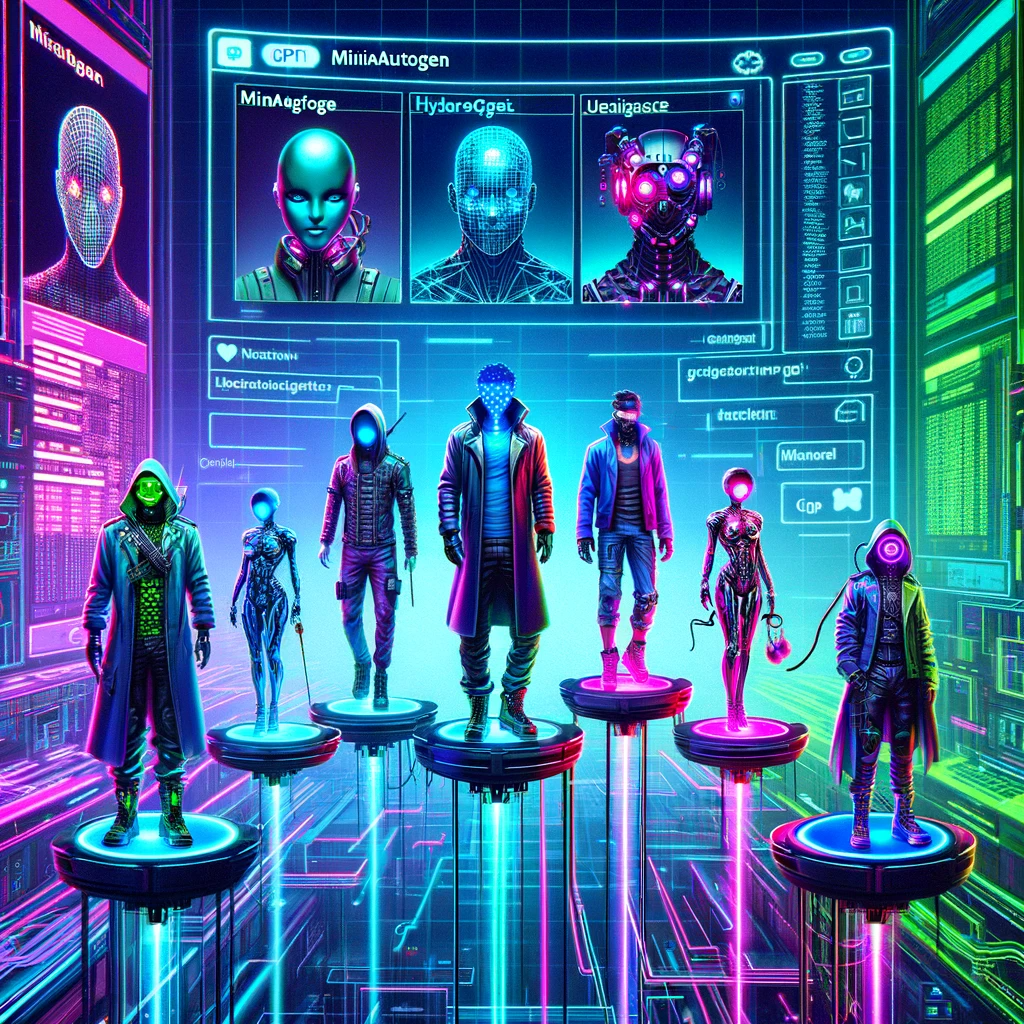
MiniAutoGen is an innovative, open-source library designed for the next generation of applications in Large Language Models (LLMs). Focused on enabling multi-agent conversations, MiniAutoGen is celebrated for its lightweight and flexible structure. It's ideal for developers and researchers who aim to explore and expand the frontiers of conversational AI.
Drawing inspiration from AutoGen, MiniAutoGen offers a comprehensive suite of tools:
chat): Facilitates the creation and management of multi-agent conversations.chatadmin): Ensures efficient synchronization and management of agents.agent): Provides the flexibility to tailor agents according to specific needs.pipeline): Automates and streamlines agent operations, enhancing scalability and maintenance.Incorporating LiteLLM, MiniAutoGen already integrates with over 100 LLMs. Use Bedrock, Azure, OpenAI, Cohere, Anthropic, Ollama, Sagemaker, HuggingFace, Replicate.
agent pipeline.Explore our assortment of pre-built components, available here.
Install
pip install miniautogen
Iniciate a chat with a LLM
#Initializing LLM Clients

import os
os.environ["OPENAI_API_KEY"] = "your-openai-key"
from miniautogen.llms.llm_client import LiteLLMClient
openai_client = LiteLLMClient(model='gpt-3.5-turbo-16k')

# Building the Chat Environment

from miniautogen.chat.chat import Chat
from miniautogen.agent.agent import Agent
from miniautogen.chat.chatadmin import ChatAdmin
from miniautogen.pipeline.pipeline import Pipeline
from miniautogen.pipeline.components.components import (
    UserResponseComponent, AgentReplyComponent, TerminateChatComponent,
    Jinja2SingleTemplateComponent, LLMResponseComponent, NextAgentSelectorComponent
)

# Define a Jinja2 template for formatting messages
template_str = """
[{"role": "system", "content": "{{ agent.role }}"}{% for message in messages %},
  {% if message.sender_id == agent.agent_id %}
    {"role": "assistant", "content": {{ message.message | tojson | safe }}}
  {% else %}
    {"role": "user", "content": {{ message.message | tojson | safe }}}
  {% endif %}
{% endfor %}]
"""

# Initialize Jinja2 component with the template
jinja_component = Jinja2SingleTemplateComponent()
jinja_component.set_template_str(template_str)

# Set up pipelines for different components
pipeline_user = Pipeline([UserResponseComponent()])
pipeline_jinja = Pipeline([jinja_component, LLMResponseComponent(litellm_client)])
pipeline_admin = Pipeline([NextAgentSelectorComponent(), AgentReplyComponent(), TerminateChatComponent()])

# Create the chat environment
chat = Chat()

# Define agents with JSON data
json_data = {'agent_id': 'Bruno', 'name': 'Bruno', 'role': 'user'}
agent1 = Agent.from_json(json_data)
agent1.pipeline = pipeline_user  # Assign the user pipeline to agent1

agent2 = Agent("dev", "Carlos", "Python Senior Developer")
agent2.pipeline = pipeline_jinja  # Assign the LLM pipeline to agent2

# Add agents to the chat
chat.add_agent(agent1)
chat.add_agent(agent2)

# Add test messages to the chat
json_messages = [{'sender_id': 'Bruno', 'message': 'It’s a test, don’t worry'}]
chat.add_messages(json_messages)

# Initialize and configure ChatAdmin
chat_admin = ChatAdmin("admin", "Admin", "admin_role", pipeline_admin, chat, 10)

#running the chat
chat_admin.run()
Multi-agent conversations represent interactions involving multiple agents, whether autonomous or human, each endowed with autonomy and specialized abilities. They work together to solve complex problems, share information, or perform specific tasks.
In this example, we will set up a conversation between two agents: one playing the role of a Product Owner and the other acting as an expert in developing MiniAutoGen components in Python.
The main goal of this test is to demonstrate the flexibility, ease, and efficiency of MiniAutoGen in creating and coordinating multi-agent conversations, as well as the simplicity in developing new components, thanks to the library's flexible design.
The complete conversation history: chat_history.md
View the notebook here
For additional insights and inspiration, visit our Examples folder. Here, you'll find a variety of scenarios demonstrating the versatility and capabilities of MiniAutoGen in different contexts.
We invite AI enthusiasts, developers, and researchers to contribute and shape the future of multi-agent conversations. Your expertise can help evolve MiniAutoGen, creating more robust and diverse applications.
See more: contribute
MiniAutoGen: Pioneering the future of intelligent, interactive conversations.





