MXLinux Guide
1.0.0


HINWEIS: Sie können diese Markdown -Datei einfach in ein PDF in VSCODE unter Verwendung dieses praktischen Erweiterungs -Markdown -PDF konvertieren.

Erste Schritte
Software bekommen
Spiele
Spielentwicklung
Einrichten eines MacOS -Arbeitsbereichs
Einrichten eines Windows 10 -Arbeitsbereichs
Verwenden von Android- und Android -Apps unter Linux
Professionelle Audio-/Videobearbeitung
Kubernetes
Maschinelles Lernen
Robotik
Open Source -Sicherheit
Differentielle Privatsphäre
Cloud Native Development
DevOps Entwicklung
Flatternentwicklung
Networking
Datenbanken
MX Linux ist ein kooperatives Unternehmen zwischen den Antix- und MX Linux -Gemeinschaften. Es handelt sich um eine Familie von Betriebssystemen, in denen elegante und effiziente Desktops mit hoher Stabilität und solider Leistung kombiniert werden sollen.
MX Linux - XFCE ist die Flaggschiff -Version von Mxlinux. Es handelt sich um eine mittelgroße Desktop-Umgebung, die schnell und ressourcenreich sein soll und dennoch attraktiv und benutzerfreundlich ist. Es unterstützt eine große Auswahl an Hardware von älteren Laptops bis hin zu modernen Desktops. Erhältlich in Standard -Debian -Stablungen und „Advanced Hardware Support“ -Antätigkeitsversionen.
MXLINUX - KDE ist ein fortschrittlicher Desktop „Plasma“ und verfügt über eine Vielzahl leistungsstarker Anwendungen. Es enthält außerdem eine „Advanced Hardware Support“ -Ausveröffentlichung, die auf einer Vielzahl von 64-Bit-Maschinen gut ausgeführt wird.
MX Linux - Fluxbox ist ein Stapel -Fenstermanager, der die Geschwindigkeit, die Nutzung von Ressourcen und die Eleganz von Fluxbox mit dem Toolset von MX Linux - XFCE vereint.
MX-Fluxbox Raspberry Pi ist ein Betriebssystembild, das ein stabiles, schnelles und unterhaltsames Betriebssystem für die Verwendung mit Raspberry Pi® 3 und späteren Geräten bietet. Es bietet die benutzerzentrierte Güte von MX Linux die Bildungsflexibilität von Raspberry Pi OS und implementiert die leichte und elegante Desktop-Umgebung der einzigartigen Implementierung von Fluxbox und einschließlich Elementen von GNOME, XFCE und LXDE.
Ätzer ist eine open-Source-plattformübergreifende Software, mit der die Bildern von Betriebssystembildern auf einer microSD-Karte oder einem USB-Gerät einfach flashen können.
Rufus ist eine kleine Anwendung, die bootfähige USB -Laufwerke erstellt, mit der dann Microsoft Windows, Linux oder DOS installiert oder ausgeführt werden kann.
Mxlinux Community Repos
Mxlinux Users Manual
Mxlinux Forum
Antix Forum

sudo ufw enable  //enables firewall
sudo ufw status //checks status of firewallZurück nach oben
Hinweis 1: All diese Software ist auch in anderen beliebten Linux -Verteilungen wie Debian, Linux Mint, Elementary OS, Pop! _OS, Fedora, Manjaro Linux, Endeavouros und Arch Linux verfügbar.
ANMERKUNG 2: Für neue Benutzer, die mit der Befehlszeilenkuppe im Abschnitt "Essential Apps" nicht vertraut sind, um loszulegen. Wenn Sie weiter nach unten scrollen, sehen Sie auch andere einfache Möglichkeiten, um Softwareanwendungen über Flathub, Snap Store und Appimages zu erhalten.
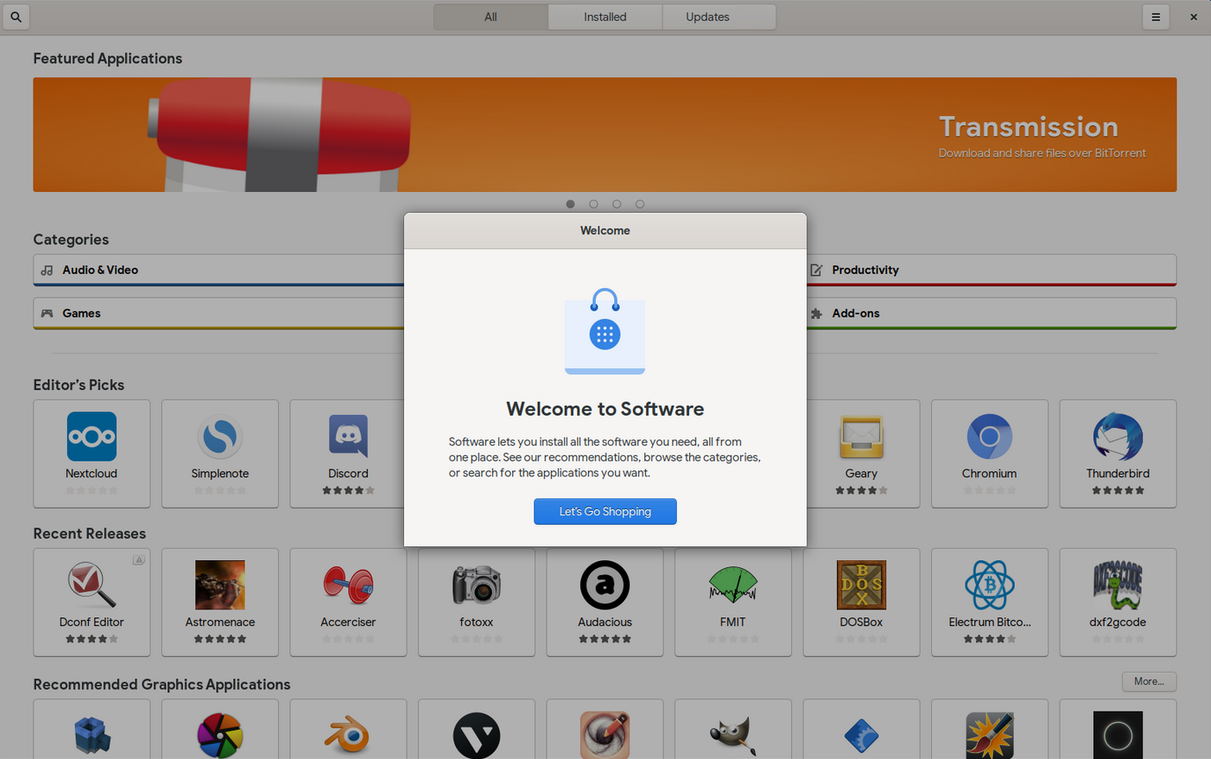
sudo apt install gnome-software
sudo apt install snapd
sudo apt install gnome-software-plugin-snap
sudo apt install flatpak
sudo apt install gnome-software-plugin-flatpakGoogle Chrome Browser
Microsoft Edge Browser
Visual Studio -Code oder VSCodium
Microsoft Teams
Microsoft 365 mit Office -Apps (ehemals Office online)
Google -Arbeitsbereich (ehemals G Suite)
Zoom
So installieren Sie iCloud auf Ubuntu
PCloud ist der sichere Cloud -Speicher (wie googledRive), in dem Sie alle Ihre Dateien speichern, teilen und arbeiten können. Sie können auf jedes Gerät auf sie zugreifen, wo Sie gehen.
Jitsi Meet ist eine vollständig verschlüsselte, 100% ige Open -Source -Videokonferenzlösung.
Die Cisco WebEx Web App ist die webbasierte Version der Cisco WebEx -Videokonferenzlösung.
Locker
Trello Web App
Skype
Zwietracht
TeamViewer
Spotify
Apple Music (Web) ist die Web -App -Version von Apple Music, die in Safari, Google Chrome und Mozilla Firefox ausgeführt wird.
Mit Matlab Online können Benutzer Matlab uilitisieren und über einen Webbrowser wie Google Chrome simulieren.
Adobe Lighroom Online Photo Editor ist eine Online -Webversion von Adobe Photoshop Lightroom. Adobe-Konto, das zur Anmeldung zur App erforderlich ist.
Adobe Spark (Web) ist ein Anwendungsbereich, mit dem Sie coole soziale Grafiken, kurze Videos und Webseiten erstellen können. Adobe-Konto, das zur Anmeldung zur App erforderlich ist.
Photopea ist ein erweiterter Online -Image -Editor, der PSD-, XCF-, Sketch-, XD- und CDR -Formate unterstützt. (Adobe Photoshop, Gimp, Sketch App, Adobe XD, CorelDraw).
Der Master-PDF-Editor ist unkompliziert und verwendet die Anwendung für die Arbeit mit PDF-Dokumenten, die mit leistungsstarken Mehrzweckfunktionen ausgestattet sind. Mit dem Master -PDF -Editor können Sie PDF -Dokumente problemlos anzeigen, erstellen und ändern.
Crossover Linux® ist eine Microsoft Windows -Kompatibilitätsebene (basierend auf Wein (Wein ist kein Emulator). Mit der Crossover-Kompatibilitätsschicht können Tausende von Windows-basierten Anwendungen unter Linux-, MacOS- oder Chrome-Betriebssystem ausgeführt werden.
WinApps für Linux ist ein Programm, in dem Windows -Apps wie Microsoft Office & Adobe in Linux (Ubuntu/Fedora) und GNOME/KDE ausgeführt werden, als ob sie Teil des nativen Betriebssystems wären, einschließlich der Nautilus -Integration für das Recht, auf Dateien mit bestimmten Mime -Typen zu klicken, um sie zu öffnen.
Davinci Resolve Video Editor ist eine vollständige Videobearbeitungslösung, die professionelle 8K -Bearbeitung, Farbkorrektur, visuelle Effekte und Audio -Post -Produktion in einem Software -Tool kombiniert.
Reaper Audio Editor ist eine komplette digitale Audioproduktionsanwendung für Computer, die eine vollständige Multitrack -Audio- und MIDI -Aufzeichnung, Bearbeitung, Verarbeitung, Mischung und Mastering -Toolset bietet.
Flameshot ist eine leistungsstarke, aber einfach zu verwendende Screenshot -Software.
Timeshift für Linux ist eine Anwendung, die eine Funktionalität bietet, die der Systemwiederherstellung in Windows und der Zeitmaschine in Mac OS ähnlich ist. Timeshift schützt Ihr System, indem Sie in regelmäßigen Abständen inkrementelle Schnappschüsse des Dateisystems aufnehmen. Diese Schnappschüsse können zu einem späteren Zeitpunkt wiederhergestellt werden, um alle Änderungen am System rückgängig zu machen.
STACER ist ein Open -Source -Systemoptimierer und Anwendungsmonitor, mit dem Benutzer ihr gesamtes System verwalten können. Auch als Appimage erhältlich.
NativeFier ist ein Befehlszeilen-Tool, mit dem eine Desktop-App für jede Website mit minimaler Konfiguration einfach erstellt wird. Apps werden von Electron (das Chrom unter der Motorhaube verwendet) in einem ausführbaren Betriebssystem (.App, .exe usw.) für die Verwendung unter Windows, MacOS und Linux verpackt.
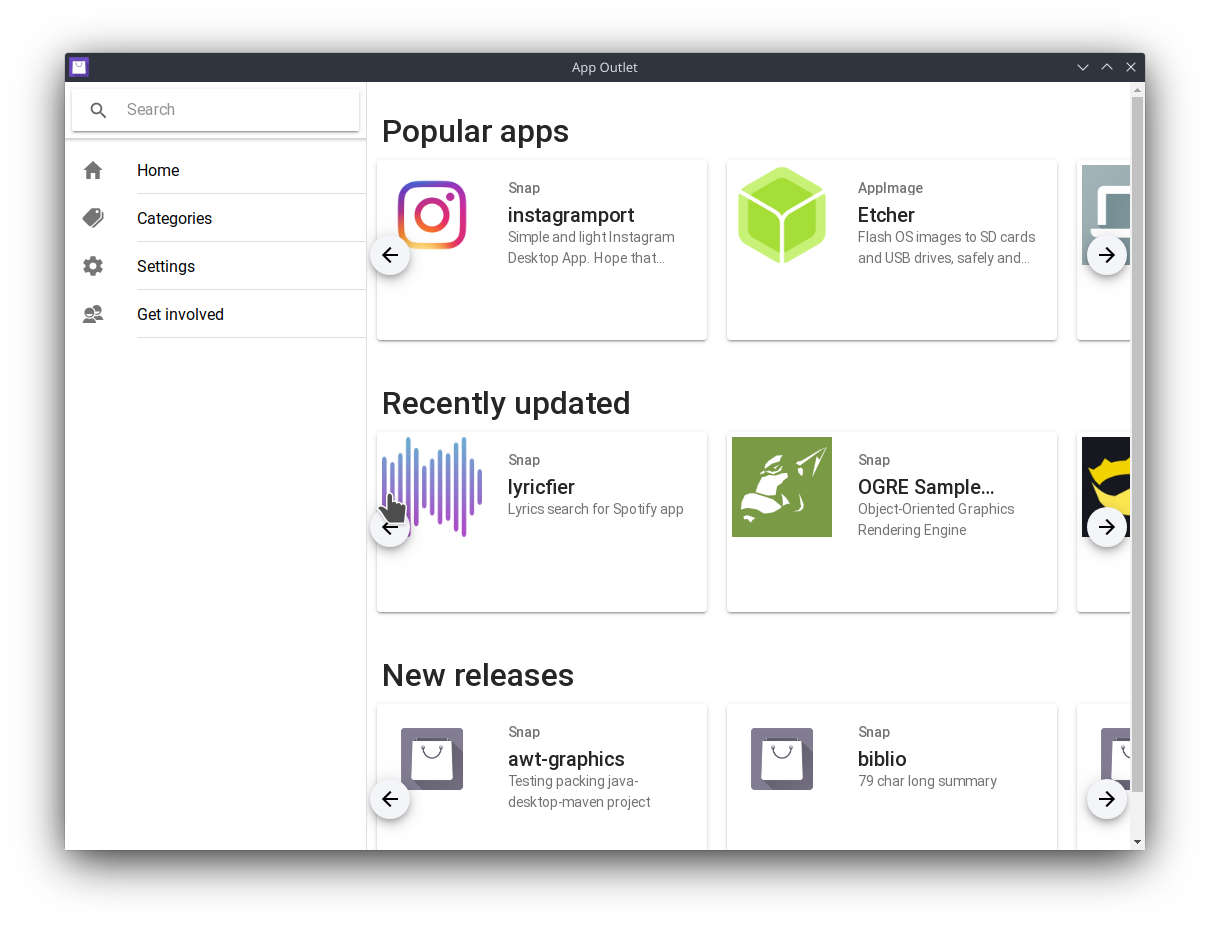
App Outlet ist ein Universal Application Store (Flatpaks, Snaps und Appimages), das vom Linux App Store Online -Service inspiriert ist.
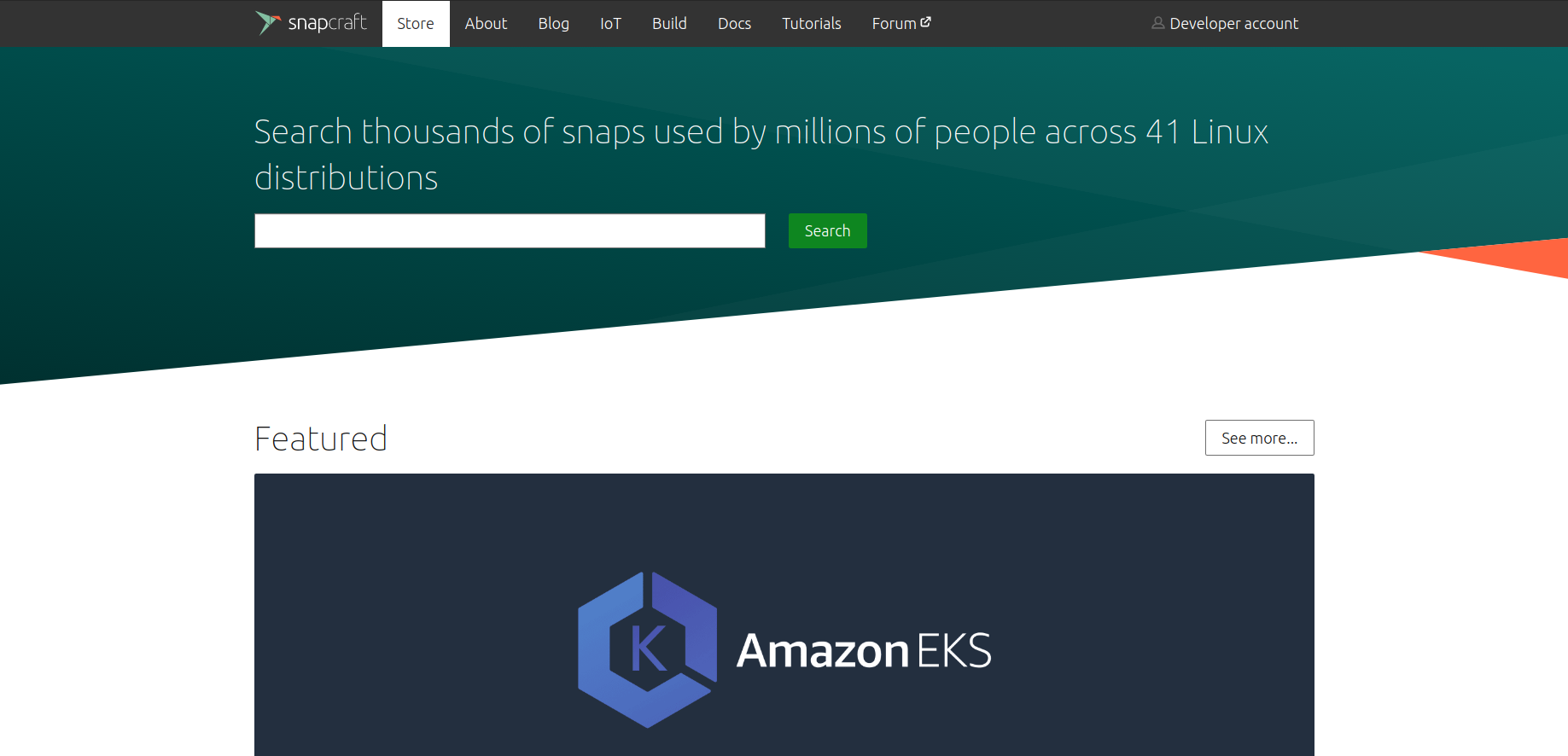
Snap Store ist ein Build- und Vertriebsdienst für Snap -Anwendungen.
Snapcraft Forum
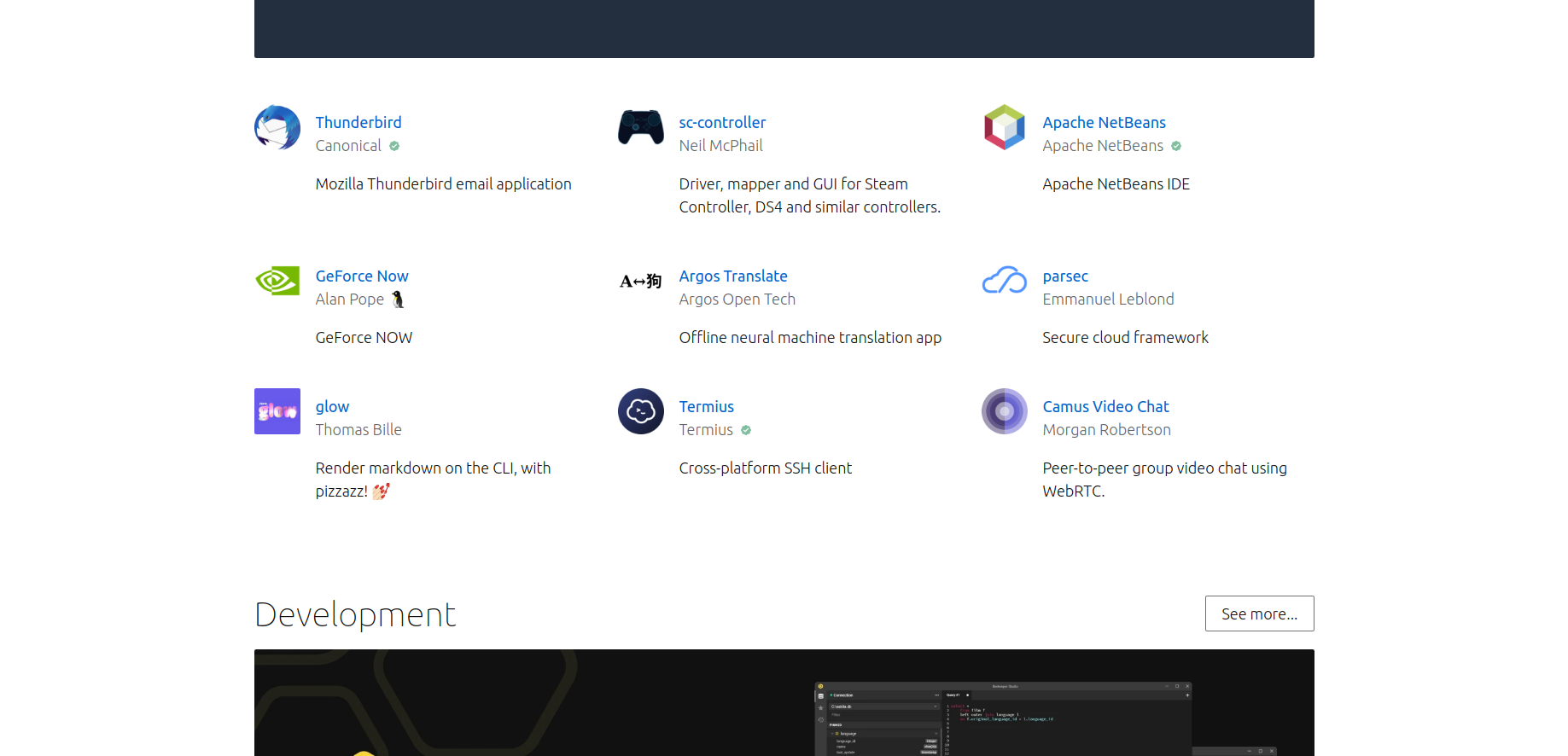
Flathub ist ein Build- und Vertriebsdienst für Flatpak -Anwendungen.
Flathub Forum
AppimageHub ist ein Build- und Vertriebsdienst für Appimage -Anwendungen.
Appimage Manager ist ein Paketmanager für Appimages.
Appimage Forum
Zurück nach oben
Holen Sie sich Dampf
Oder
wget https://steamcdn-a.akamaihd.net/client/installer/steam.debProton ist ein Tool für die Verwendung mit dem Steam -Client, mit dem Spiele, die ausschließlich Windows auf dem Linux -Betriebssystem ausgeführt werden, ausführen können. Es verwendet Wein, um dies zu erleichtern.
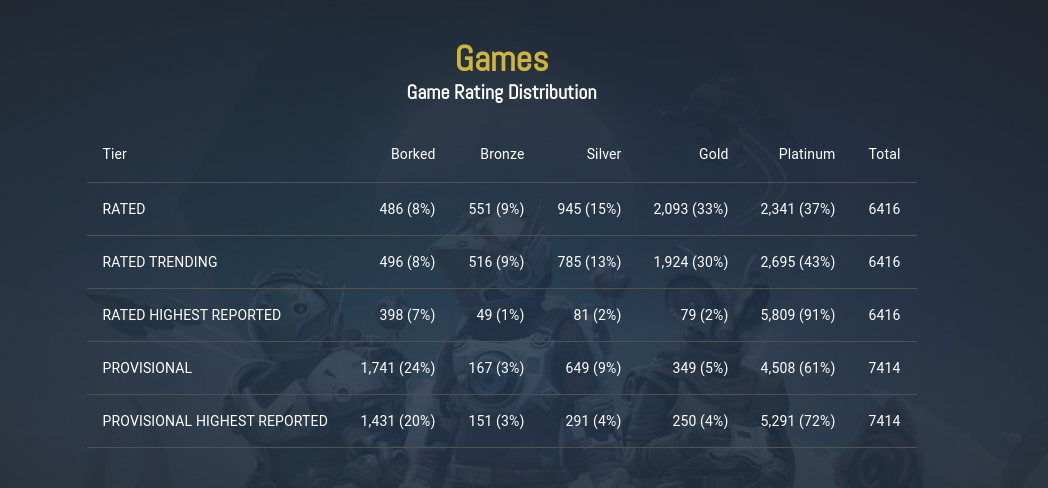
Protondb ist eine Sammlung von über 100.000 Gaming -Berichten von anderen Spielern, während sie Spiele mit Proton unter Linux testen und aggregierte Punktzahlen dafür bereitstellen, wie gut Spiele abschneiden. Ein wachsender Pool von Vorschlägen bietet Verbesserungen, die Sie versuchen können, Spiele zum Arbeiten zu bringen, während Proton die Entwicklung fortsetzt. Darüber hinaus können Sie den Steam Game -Katalog auf dieser Website untersuchen, um eine breite Palette von Titeln zu durchsuchen und zu entdecken, die bisher für die Verwendung unter Linux nicht verfügbar waren.
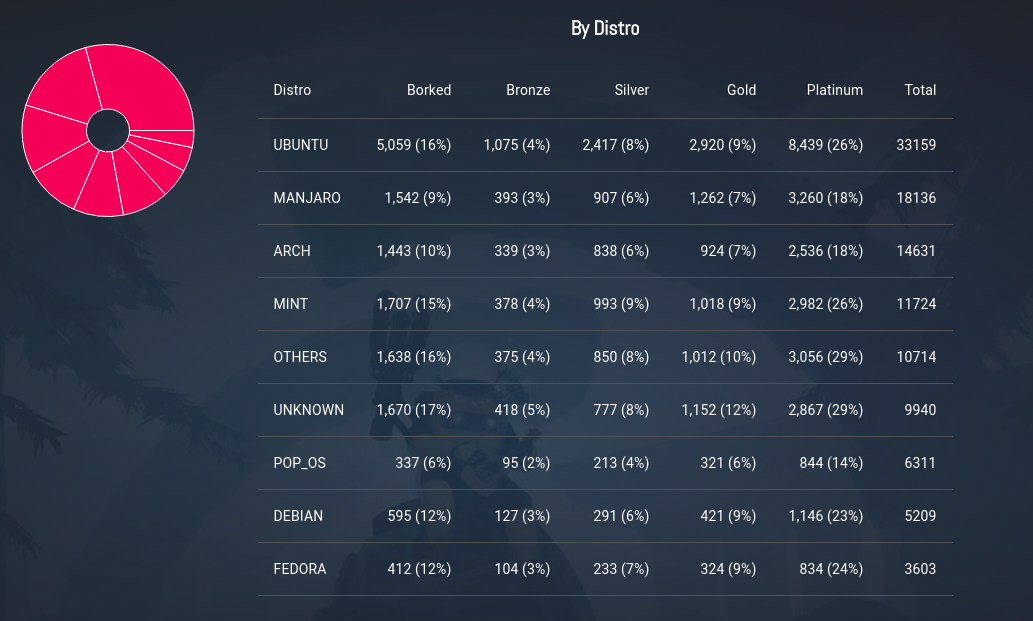
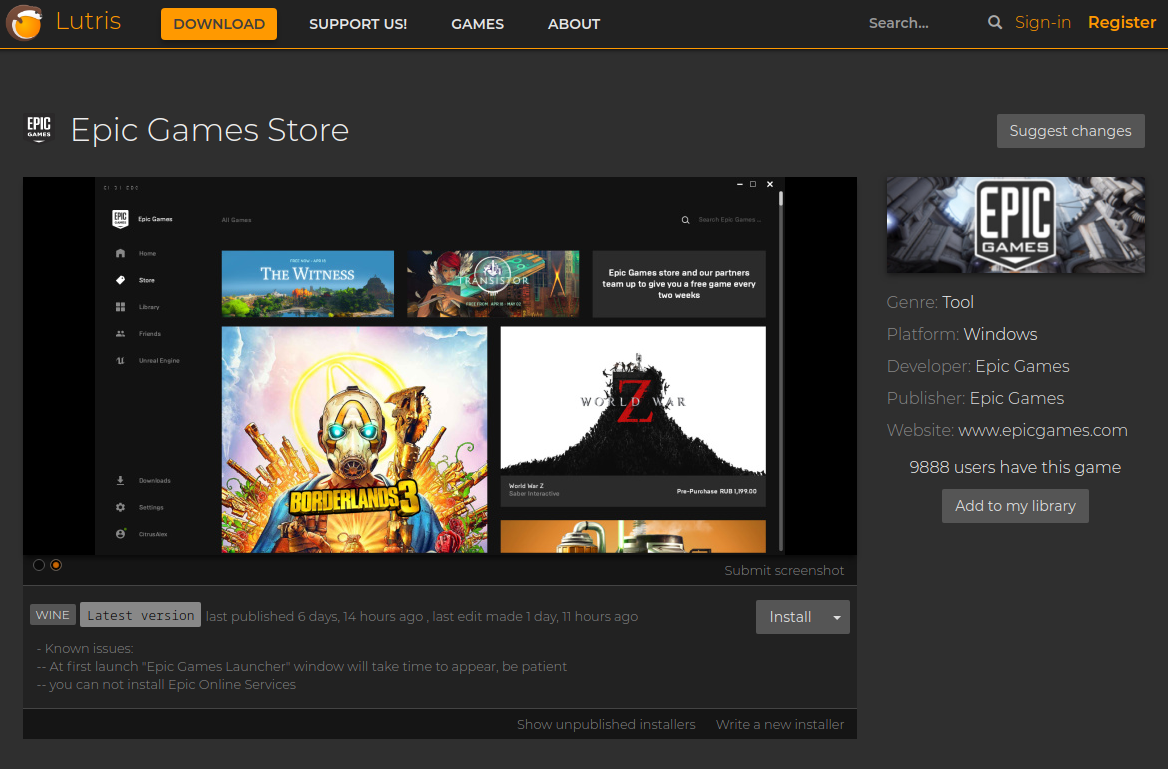
Lutris ist ein Gaming -Client für Linux. Mit Ausnahme der aktuellen Konsolengeneration können Sie auf alle Ihre Videospiele zugreifen. Integriert sich auch gut in andere Geschäfte wie GOG, Steam, Battle.net, Origin, Uplay und viele andere Quellen, mit denen Sie Ihre vorhandene Spielbibliothek und die Community -Wartungs -Installationskripte importieren können, bieten Ihnen ein vollständig automatisiertes Setup.
Fügen Sie den epischen Spielgeschäft hinzu
GameHub ist eine einheitliche Bibliothek für alle Ihre Spiele. Sie können Ihre Spiele von verschiedenen Plattformen in ein Programm speichern, um Ihnen die Verwaltung Ihrer Spiele zu erleichtern.
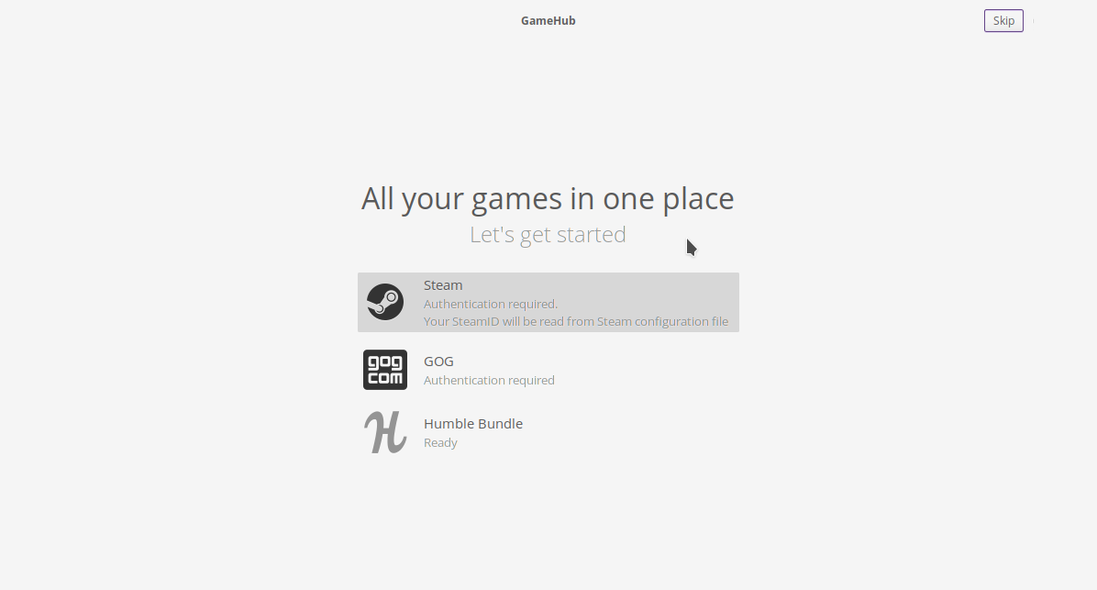
GameHub unterstützt:
native Spiele für Linux
Mehrere Kompatibilitätsebenen:
Mehrere Spielplattformen:
GeForce verwendet nun die Chromebook-Version , um alle Ihre Spiele in Google Chrome oder einem Chrom-basierten Webbrowser wie Brave, Vivaldi und Microsoft Edge abzuspielen. Auch als Electron Desktop -App in der Snap Store Geforce verfügbar.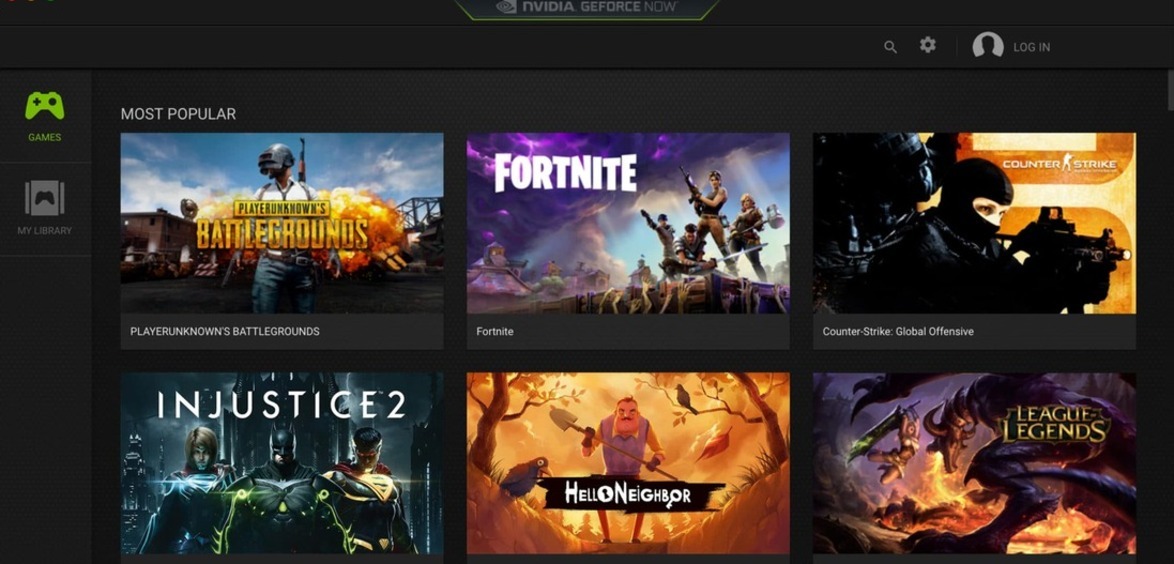
Das Moonlight Game -Streaming ist ein Programm, mit dem Sie Ihre PC -Spiele über das Internet streamen können, ohne dass eine Konfiguration erforderlich ist. Stream aus fast jedem Gerät, egal ob in einem anderen Raum oder kilometerweit von Ihrem Spiele -Rig entfernt.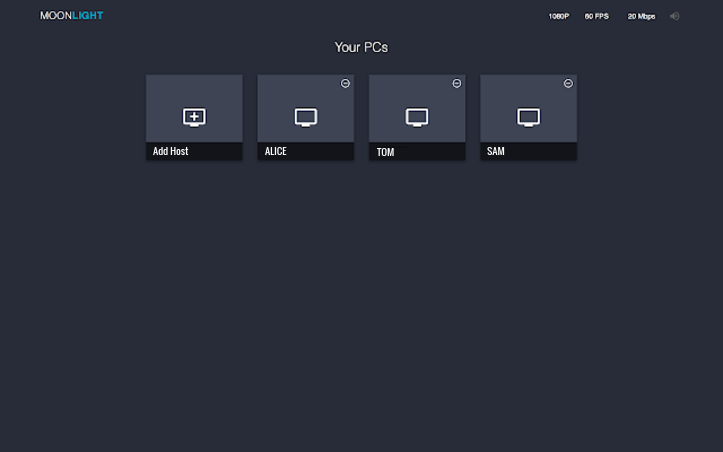
Chiaki ist ein kostenloser und Open -Source -Software -Client für PlayStation 4 und PlayStation 5 Remote Play für Linux, FreeBSD, OpenBSD, Android, MacOS, Windows, Nintendo Switch und möglicherweise noch mehr Plattformen.
Xbox Project XCloud ist die Cloud-basierte Xbox Game-Streaming-Technologie von Microsoft (derzeit in Beta) . Spielen Sie Spiele wie Forza Horizon 4, Halo 5: Guardians, Gears of War 4, Sea of Thieves, Cuphead, Red Dead Redemption 2 und mehr als 100 andere Spiele auf Ihrem mobilen Gerät oder Chrome -Webbrowser . Das Xbox Project XCloud von Microsoft benötigt ein ultimatives Xbox Game -Pass -Abonnement.

Retroarch ist ein Frontend für Emulatoren, Game -Engines und Medienspieler. Es ermöglicht Ihnen, klassische Spiele auf einer Vielzahl von Computern und Konsolen über die glatte grafische Oberfläche durchzuführen. Die Einstellungen sind ebenfalls einheitlich, sodass die Konfiguration ein für alle Mal durchgeführt wird.
Dolphin ist ein Emulator für zwei aktuelle Nintendo -Videospielkonsolen: The GameCube und die Wii. Es ermöglicht PC -Spieler, Spiele für diese beiden Konsolen in Full HD (1080p) mit mehreren Verbesserungen zu genießen: Kompatibilität mit allen PC -Controllern, Turbo -Geschwindigkeit, vernetzter Multiplayer und noch mehr.
Citra ist ein Open-Source-Emulator für die Nintendo 3DS, die viele Ihrer Lieblingsspiele spielen können.
Yuzu ist ein experimenteller Open-Source-Emulator für den Nintendo-Schalter der Schöpfer von Citra.
Dosbox ist ein Open-Source-Dos-Emulator, der sich hauptsächlich auf das Ausführen von DOS-Spielen konzentriert.
Mame ist ein Arcade -Maschine -Emulator.
Xemu ist ein originaler Xbox -Emulator.
Greenwithenvy (GWE) ist ein von Roberto Leinardi entworfenes GTK -System für Systeme, um Informationen bereitzustellen, die Lüfter zu steuern und Ihre NVIDIA -Grafikkarte für eine bessere Leistung zu übertakten. Erhältlich im Pop Shop als Flatpak.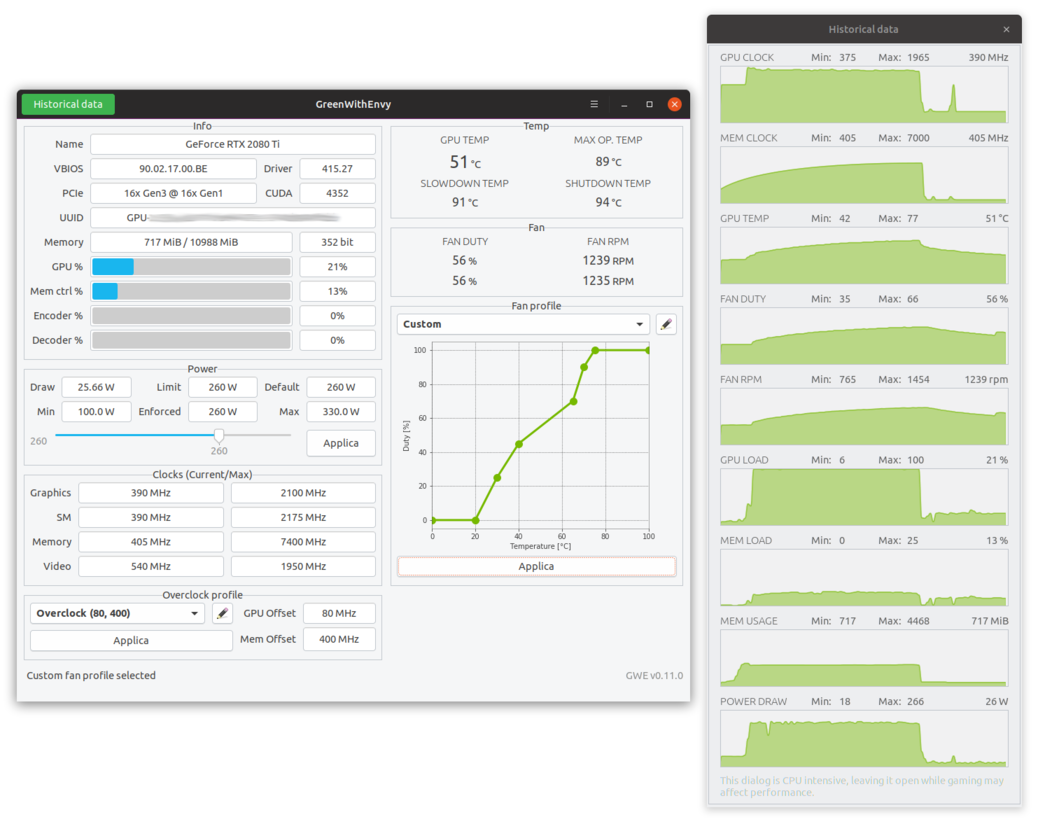
CORECRL ist eine kostenlose und Open -Source -Linux -Anwendung, mit der Sie Ihre Computerhardware problemlos mithilfe von Anwendungsprofilen für native und Windows -Anwendungen steuern können, grundlegende CPU -Steuerelemente und vollständige AMD -GPUS -Steuerelemente (sowohl für alte als auch für neue Modelle).
sudo add-apt-repository ppa:ernstp/mesarc
sudo apt install corectrl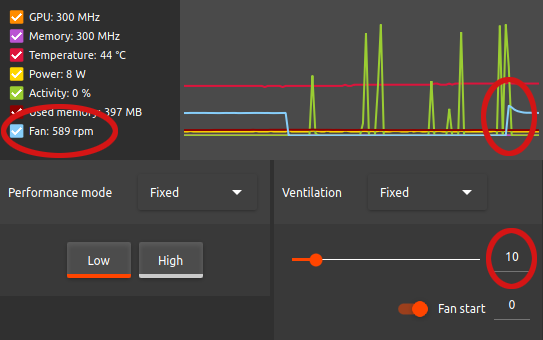
Geekbench 5 ist ein plattformübergreifender Benchmark, der die Leistung Ihres Systems mit dem Drücken einer Taste misst.
Phoronix Test Suite
Die UNIGINE -Superposition ist ein extremer Leistungs- und Stabilitätstest für PC -Hardware: Grafikkarte, Netzteil, Kühlsystem.

Wine (Wine ist kein Emulator) ist eine Kompatibilitätsebene, die Windows-Anwendungen auf mehreren posix-konformen Betriebssystemen wie Linux, MacOS und BSD ausführen kann. Anstatt die interne Windows-Logik wie eine virtuelle Maschine oder einen Emulator zu simulieren, übersetzt Wine Windows-API-Anrufe in POSIX-Aufrufe im Fliege, wodurch die Leistung und Speicherstrafen anderer Methoden beseitigt werden und Sie es ermöglichen, Windows-Anwendungen sauber in Ihren Desktop zu integrieren.
Winetricks ist eine einfache Möglichkeit, Probleme im Wein zu tun.
Dies ist erforderlich, um einen Adobeair -Fehler zu vermeiden
sudo sed -i ' s|echo "${arg%%=*}"=\""${arg### *=}"\"|echo ${arg%%=*}=\"${arg### *=}\"|g ' /usr/local/bin/winetricks
sudo apt install cabextract libncurses5:armhfZurück nach oben
Unity ist eine plattformübergreifende Spielentwicklungsplattform. Verwenden Sie die Einheit, um qualitativ hochwertige 3D- und 2D-Spiele aufzubauen, sie über Mobile, Desktops, VR/AR, Konsolen oder das Web einzusetzen und mit loyalen und enthusiastischen Kunden und Kunden zu verbinden.
Einheit Hub

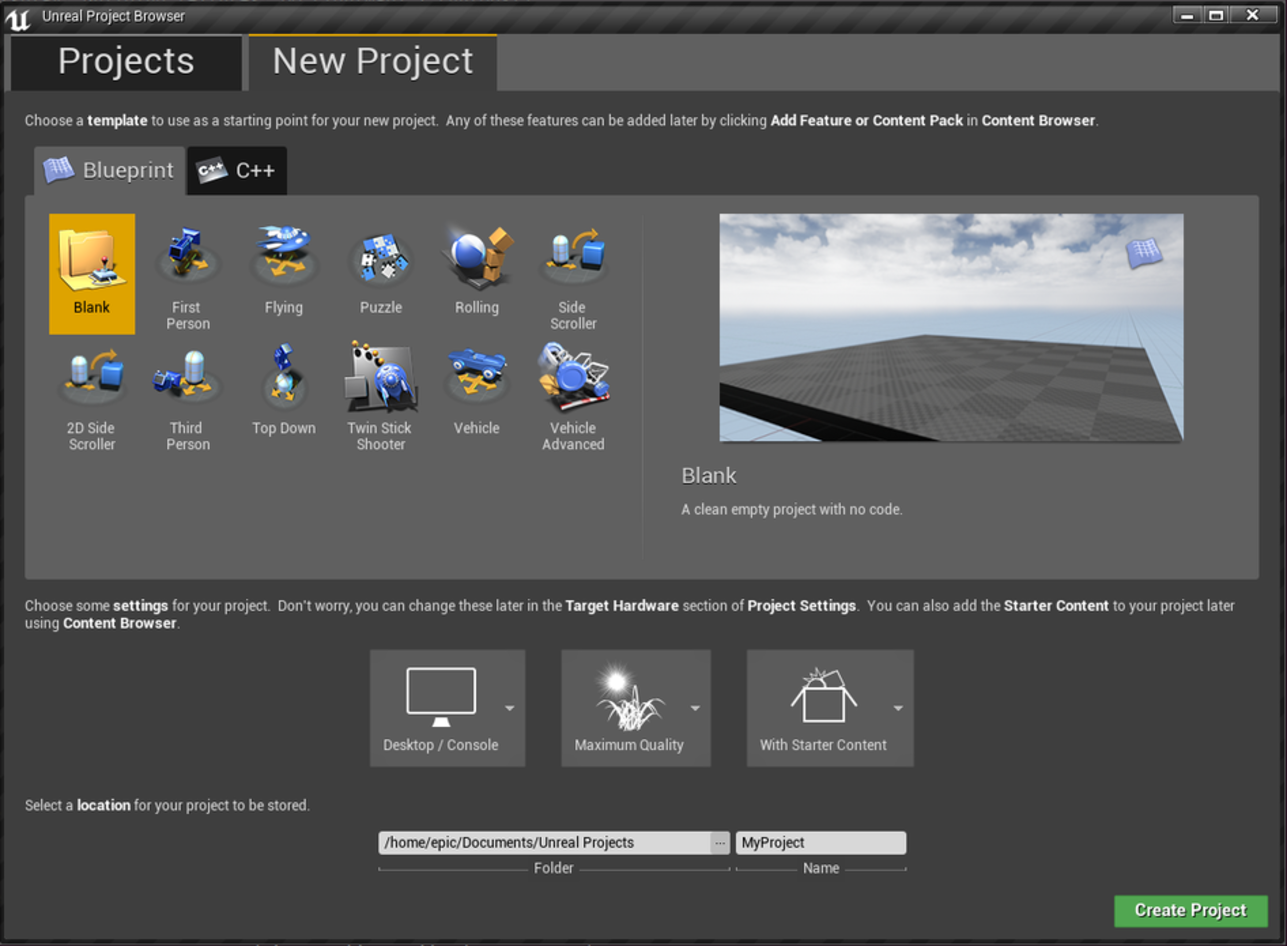
Unreal Engine 4 ist eine Game-Engine, die von epischen Spielen mit dem offensten und fortschrittlichsten 3D-Erstellungswerkzeug der Welt entwickelt wurde. Sie entwickeln sich kontinuierlich, um nicht nur seinen ursprünglichen Zweck als hochmoderne Spiele-Engine zu erfüllen. Heute gibt es den Schöpfer in der gesamten Branche die Freiheit und die Kontrolle, um hochmoderne Inhalte, interaktive Erlebnisse und eindringliche virtuelle Welten zu liefern.
Linux -Spielentwicklung auf Unreal Engine 4
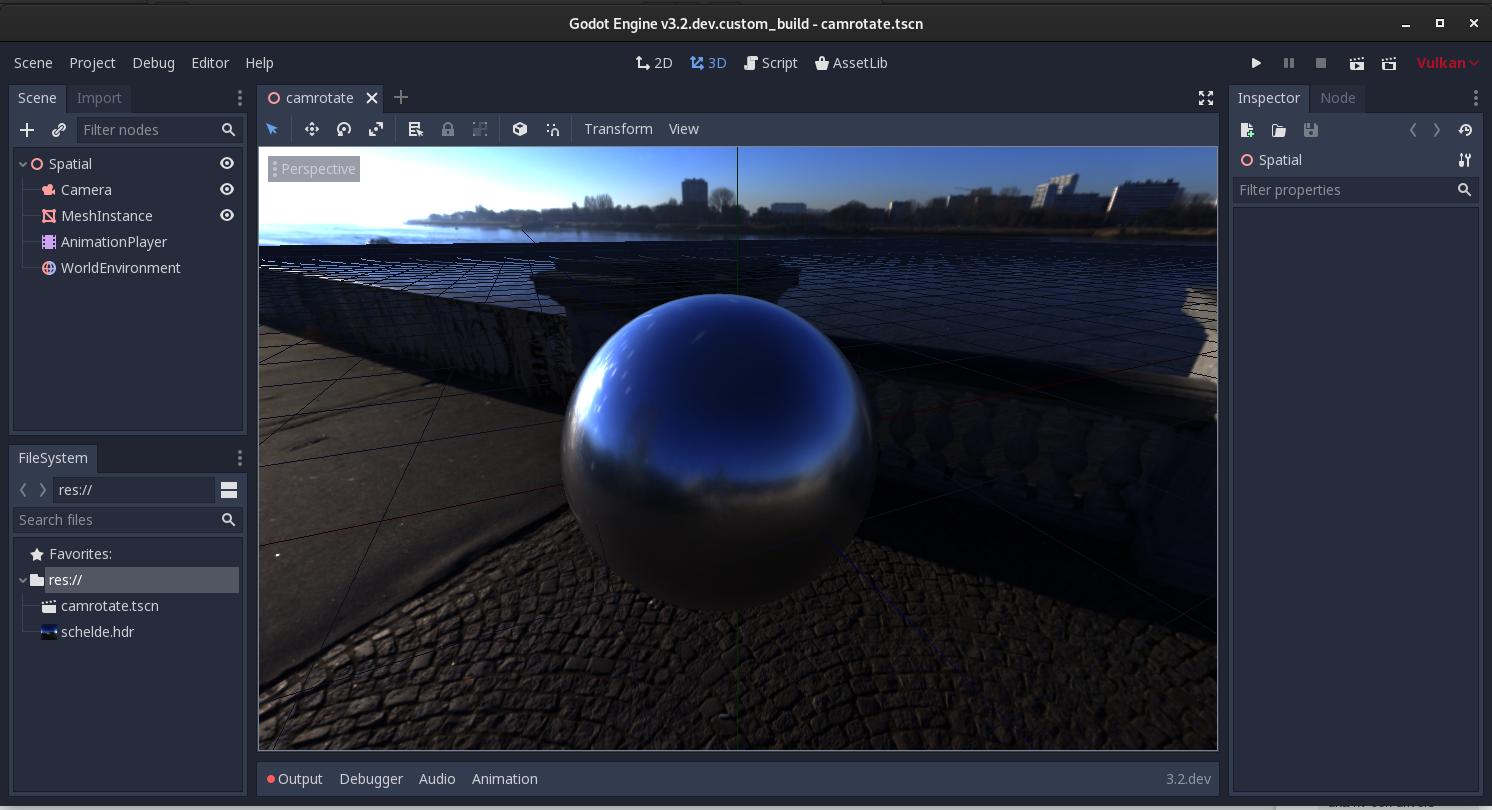
Godot Engine ist eine mit Feature gepackte, plattformübergreifende Spiele-Engine, um 2D- und 3D-Spiele von einer einheitlichen Schnittstelle zu erstellen. Es bietet eine umfassende Reihe gemeinsamer Tools, damit sich Benutzer auf Spiele konzentrieren können, ohne das Rad neu zu erfinden müssen. Spiele können in einem Klick auf eine Reihe von Plattformen exportiert werden, einschließlich der wichtigsten Desktop-Plattformen (Linux, Mac OSX, Windows) sowie mobilen (Android, iOS) und webbasierten (HTML5) -Plattformen.
Wenn Sie an das Godot -Projekt spenden möchten
Blender ist die freie und Open -Source -3D -Erstellungssuite. Es unterstützt die Gesamtheit der 3D -Pipeline - Modelling, Rigging, Animation, Simulation, Rendering, Komposition und Bewegungsverfolgung, Videobearbeitung und 2D -Animationspipeline.
Wenn Sie an das Mixer -Projekt spenden möchten

UNIGINE ist eine plattformübergreifende Spiele-Engine, die für Entwicklungsteams (C ++/C# -Programmierer, 3D-Künstler) an interaktiven 3D-Apps entwickelt wurde.

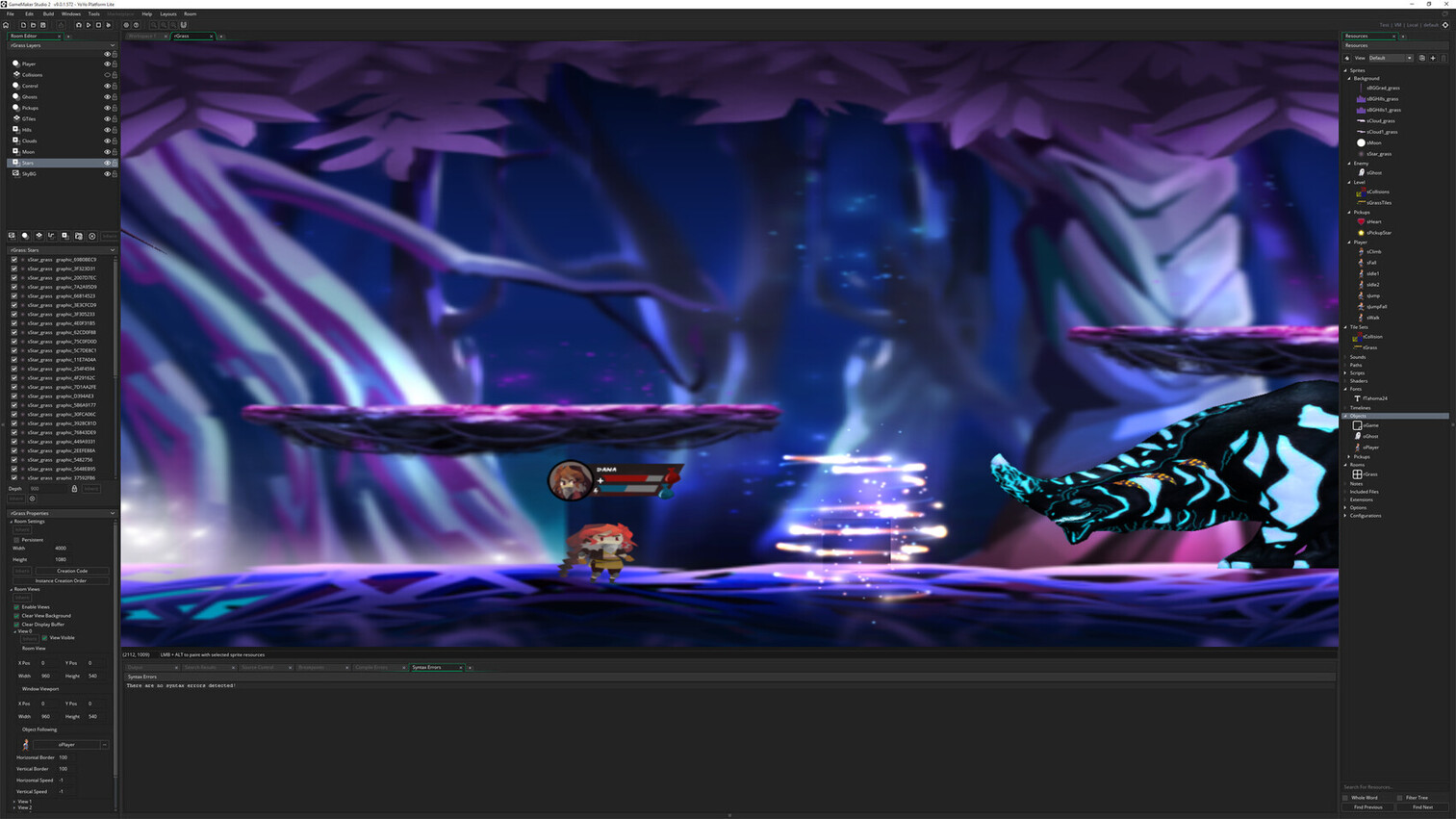
Gamemaker Studio 2 ist die neueste und größte Inkarnation von Gamemaker. Es hat alles, was Sie brauchen, um Ihre Idee vom Konzept bis zum fertigen Spiel zu übernehmen. Gamemaker Studio 2 ist die ultimative 2D -Entwicklungsumgebung.
Gamemaker Studio für Ubuntu einrichten
Panda3d ist eine Spiele -Engine, ein Rahmen für 3D -Rendering und Spielentwicklung für Python- und C ++ - Programme, die von Disney und CMU entwickelt wurden. Panda3d ist Open-Source und kostenlos für jeden Zweck, einschließlich kommerzieller Unternehmungen.
Source 2 ist eine 3D -Videospiel -Engine in der Entwicklung von Valve als Nachfolger von Quelle. Es wird in Dota 2, Artefakt, Dota-Unterlords, Teilen des Labors, Steamvr-Hauses und Halbwertszeit verwendet: Alyx.
Open Graphics Library (OpenGL) ist eine API, die über die Programmiersprachen und Plattformen für Hardware-Beschleunigungen von 2D/3D-Vektorgrafiken verwendet wird, die derzeit von der Khronos-Gruppe entwickelt wurden.
Open Computing Language (OpenCL) ist ein offener Standard für die parallele Programmierung heterogener Plattformen, die aus CPUs, GPUs und anderen Hardwarebeschleunigern bestehen, die in Supercomputern, Cloud -Servern, PCs, mobilen Geräten und eingebetteten Plattformen zu finden sind.
OpenGL Shading Language (GLSL) ist eine hochstufige Schattierungssprache, die auf der C-Art-Sprache basiert. Daher deckt sie die meisten Funktionen ab, die ein Benutzer mit einer solchen Sprache erwarten würde. Wie Kontrollstrukturen (für Schleifen, IF-ELSE-Anweisungen usw.) in GLSL, einschließlich der Switch-Anweisung.
High Level Shading Language (HLSL) ist die hohe Schattierungssprache für DirectX. Mit HLSL kann der Benutzer C-ähnliche programmierbare Shader für die Direct3D-Pipeline erstellen. HLSL wurde zuerst mit DirectX 9 erstellt, um die programmierbare 3D -Pipeline einzurichten.
Vulkan ist eine moderne plattformübergreifende Grafik- und Berechnung-API, die einen hocheffizienten, plattformübergreifenden Zugriff auf moderne GPUs bietet, die in einer Vielzahl von Geräten verwendet werden, von PCs und Konsolen auf Mobiltelefone und eingebettete Plattformen. Vulkan befindet sich derzeit im Khronos -Konsortium.
Moltenvk ist eine Implementierung von Vulkan, die auf iOS und macOS unter Verwendung von Apple Metal Grafics Framework ausgeführt werden.
Moltengl ist eine Implementierung der OpenGL ES 2.0 -API, die auf dem Metall -Grafik -Framework von Apple ausgeführt wird.
Nvidia Omniverse ist eine leistungsstarke, multi-gpu-, Echtzeit-Simulations- und Kollaborationsplattform für 3D-Produktionspipelines, die auf der universellen Szenenbeschreibung von Pixar und NVIDIA RTX basieren.
HGIG ist eine freiwillige Gruppe von Unternehmen aus den Spiel- und Fernsehindustrien, die sich treffen, um die öffentlichen Richtlinien zu spezifizieren und zur Verfügung zu stellen, um die Verbraucherspielerlebnisse in HDR zu verbessern.
Three.js ist eine Cross-Browser-JavaScript-Bibliotheks- und Anwendungsprogrammierschnittstelle, mit der animierte 3D-Computergrafiken in einem Webbrowser über WebGL erstellt und angezeigt werden.
Superpowers ist eine herunterladbare HTML5-App für Echtzeit-Kooperationsprojekte. Sie können es Solo wie einen regulären Offline -Spielhersteller verwenden oder ein Passwort einrichten und Freunde über den Webbrowser an Ihrem Projekt anschließen.
SteamVR für Linux ist das ultimative Werkzeug, um VR -Inhalte auf der Hardware Ihrer Wahl zu erleben. SteamVR unterstützt den Ventilindex, HTC Vive, Oculus Rift, Windows Mixed Reality -Headsets und andere.

Steamvr nach Hause
OpenVR ist eine API und eine Laufzeit, die den Zugriff auf VR -Hardware (Steam Index, HTC Vive und Oculus Rift) von mehreren Anbietern ermöglicht, ohne zu verlangen, dass Anwendungen über spezifische Kenntnisse der Hardware verfügen, auf die sie abzielen.
OpenVR -Benchmark auf Steam ist das erste Benchmark -Werkzeug, mit dem Sie Ihre echte VR -Leistung reproduzierbar testen und in Ihrem VR -Headset aufnehmen können.
OpenHMD ist Open-Source-API und Treiber, die eine breite Palette von HMD-Geräten (Head-montierte Anzeige) wie Oculus Rift, HTC Vive, Sony PSVR und andere unterstützt.
OpenXR ist ein kostenloser, offener Standard, der einen leistungsstarken Zugang zu Augmented Reality (AR) und Virtual Reality (VR) bietet, die gemeinsam als XR-Plattformen und -geräte bekannt sind.
Monado ist die erste OpenXR ™ -Rim -Laufzeit für GNU/Linux. Monado zielt darauf ab, die Entwicklung eines Open-Source-XR-Ökosystems zu starten und die grundlegenden Bausteine für Geräteanbieter zur Verfügung zu stellen, um die GNU/Linux-Plattform abzuzielen.
LibSurvive ist eine Reihe von Tools und Bibliotheken, die 6 Dof -Tracking zu Leuchtturm- und Vive -basierten Systemen ermöglichen, die vollständig Open Source sind und auf jedem Gerät ausgeführt werden können. Derzeit unterstützt es sowohl SteamVR 1.0- als auch SteamVR 2.0 -Gerätegeneration und sollte jedes im Handel erhältliche verfolgte Objekt unterstützen.
Simula ist ein VR -Fenstermanager für Linux, der auf Godot läuft. Die Installation dauert weniger als 1 Minute. Simula ist offiziell mit SteamVR -Headsets kompatibel, die mit Linux -Treibern ausgestattet sind (z. B. HTC Vive, HTC Vive Pro und Ventilindex). Wir haben auch OpenXR -Headsets mit Monado -Fahrern experimentelle Unterstützung hinzugefügt (z. B. North Star, OSVR HDK und PSVR). Einige Leute haben die Oculus Rift S über OpenHMD dazu gebracht, Simula zu laufen (siehe hier).
Unreal Online Learning ist eine kostenlose Lernplattform, die praktische Videokurse und geführte Lernwege bietet.
Unreal Engine autorisierte Schulungsprogramm
Unwirklicher Motor für Bildung
Unreal Engine Training & Simulation
Einheitszertifizierungen
Erste Schritte mit Vulkan
Online -Kurse von Spieldesign von Udemy
Online -Kurse für Spieldesign von Skillshare
Lernen Sie Spieldesign mit Online -Kursen und Kursen von EDX
Spieldesignkurse von Coursera
Spezialisierungskurs für Spieldesign und Entwicklung von Coursera
Zurück nach oben
ANFORDERUNGEN
Open the terminal and run:
sudo apt install qemu uml-utilities virt-manager dmg2img git wget libguestfs-tools p7zip
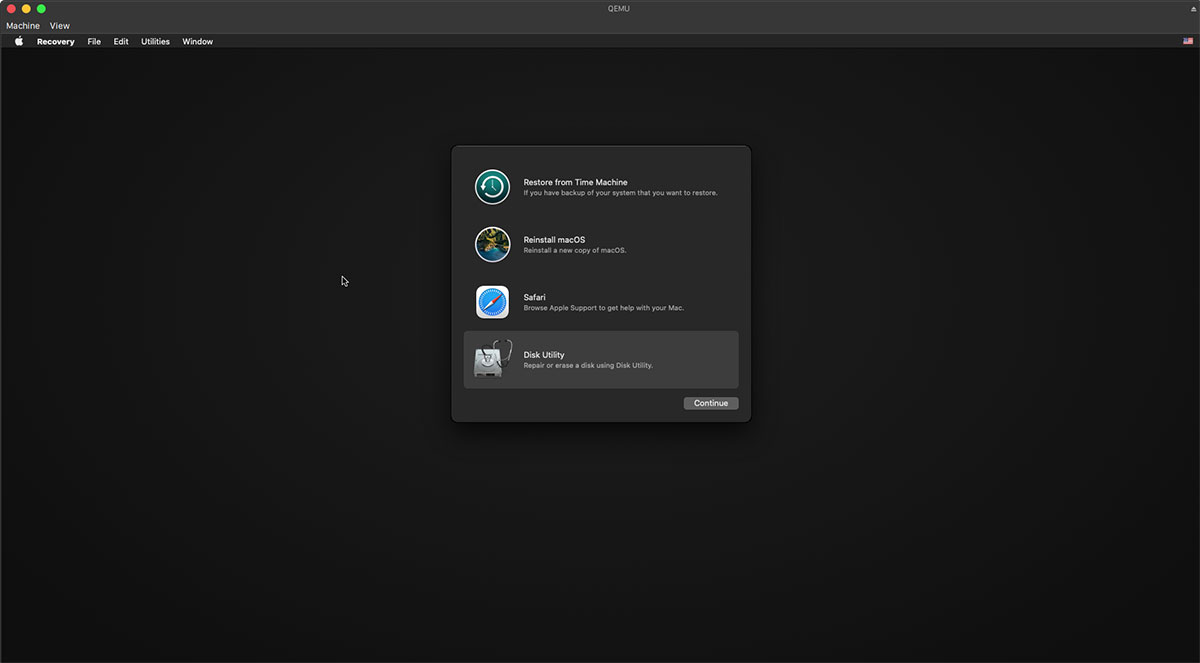
Sosumi ist eine App, mit der Sie MacOS in einem VM herunterladen und installieren können.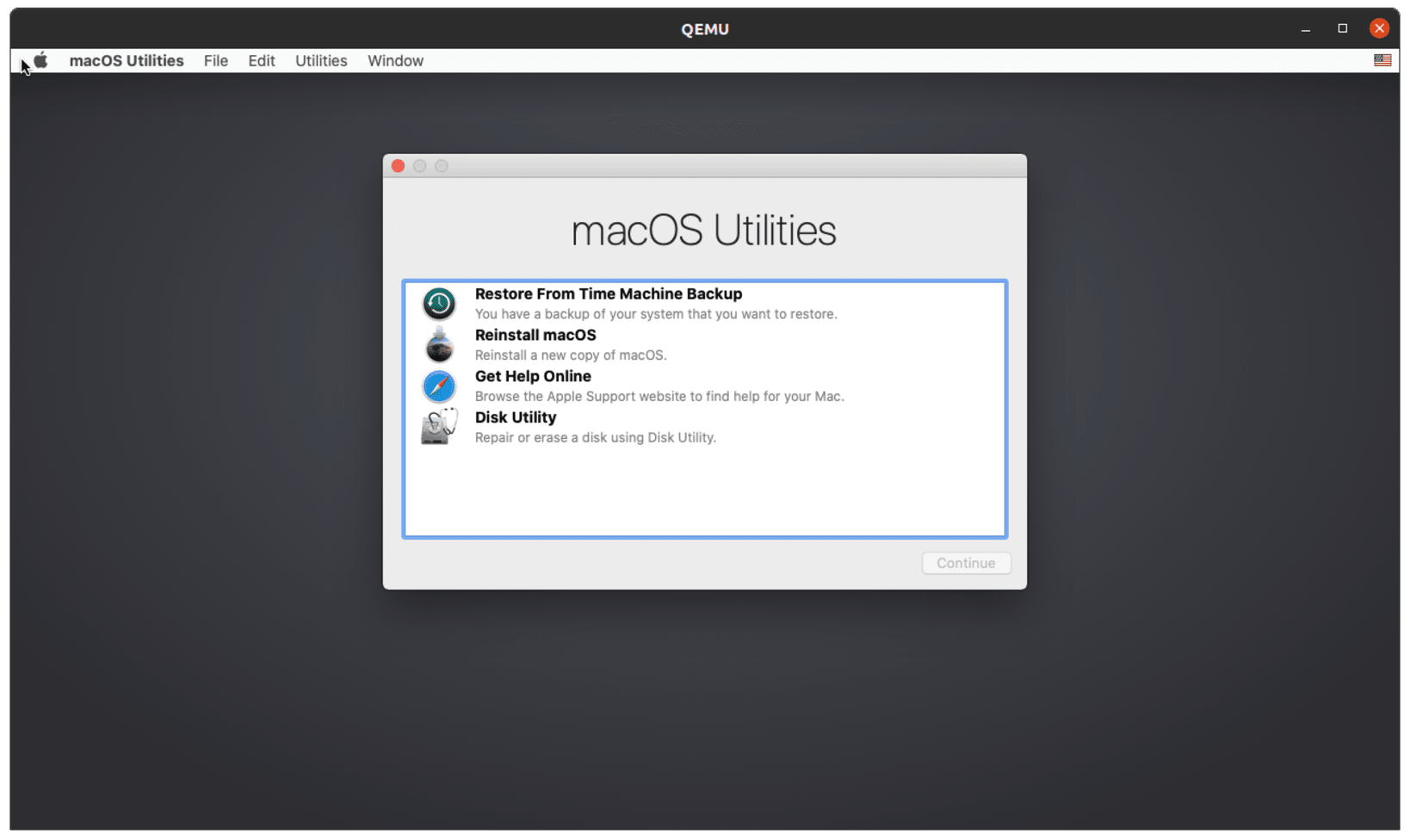
Opencore für macos
Zurück nach oben
ANFORDERUNGEN
Open the terminal and run:
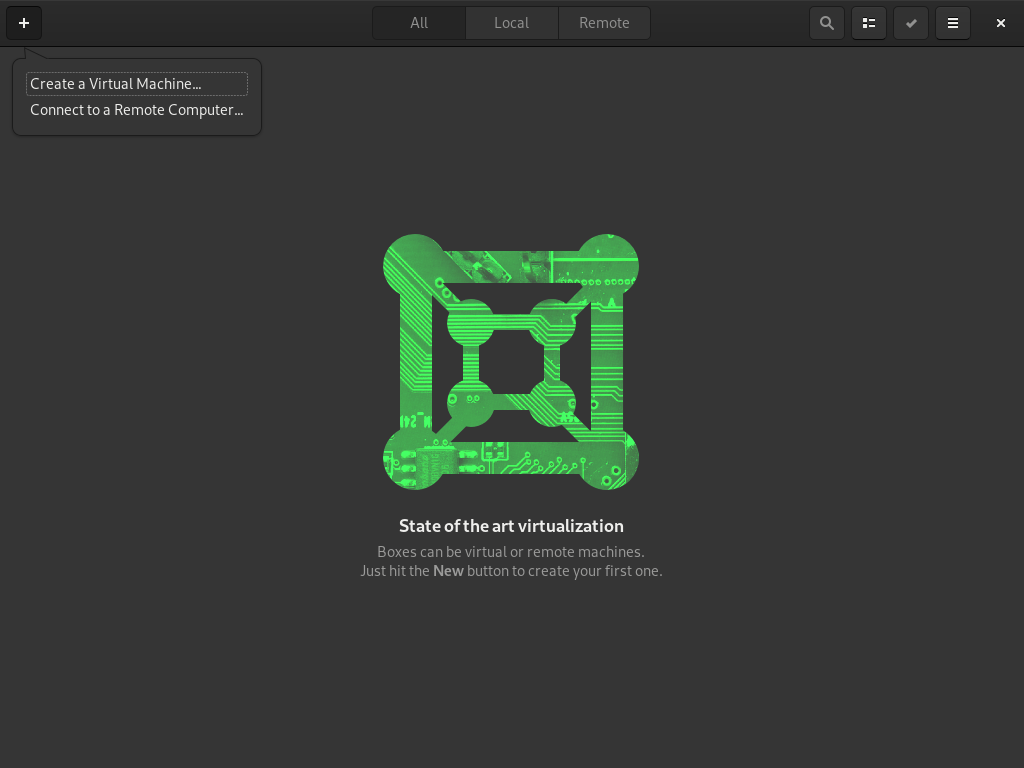
sudo apt install qemu uml-utilities virt-manager gnome-boxes
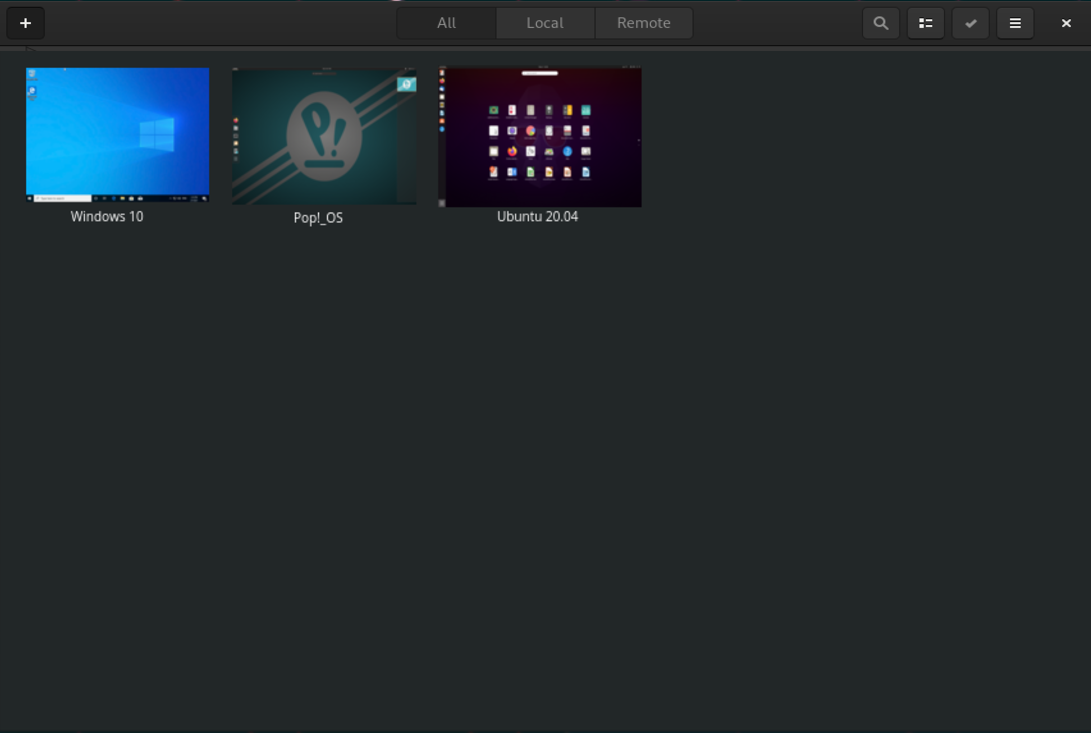
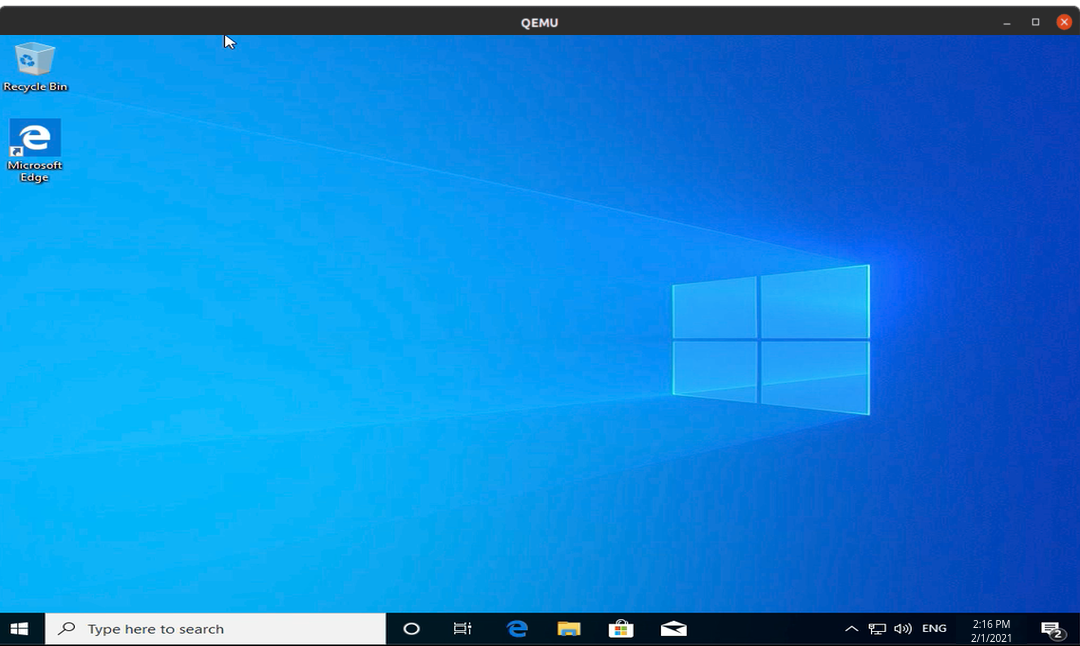
GNOME -Boxen sind eine Anwendung, mit der Sie auf virtuelle Maschinen zugreifen können und lokal oder remote ausgeführt werden. Sie können auch eine Verbindung zur Anzeige eines Remote -Computers herstellen.
Opencore für Windows 10
Zurück nach oben
Android Studio ist die Entwicklungssuite für Googles Android Operating System (OS). Es basiert auf JetBrains Intellij Ideensoftware und wurde speziell für Android -Entwicklung entwickelt. Es steht unter Windows, MacOS und Linux zum Download zur Verfügung.
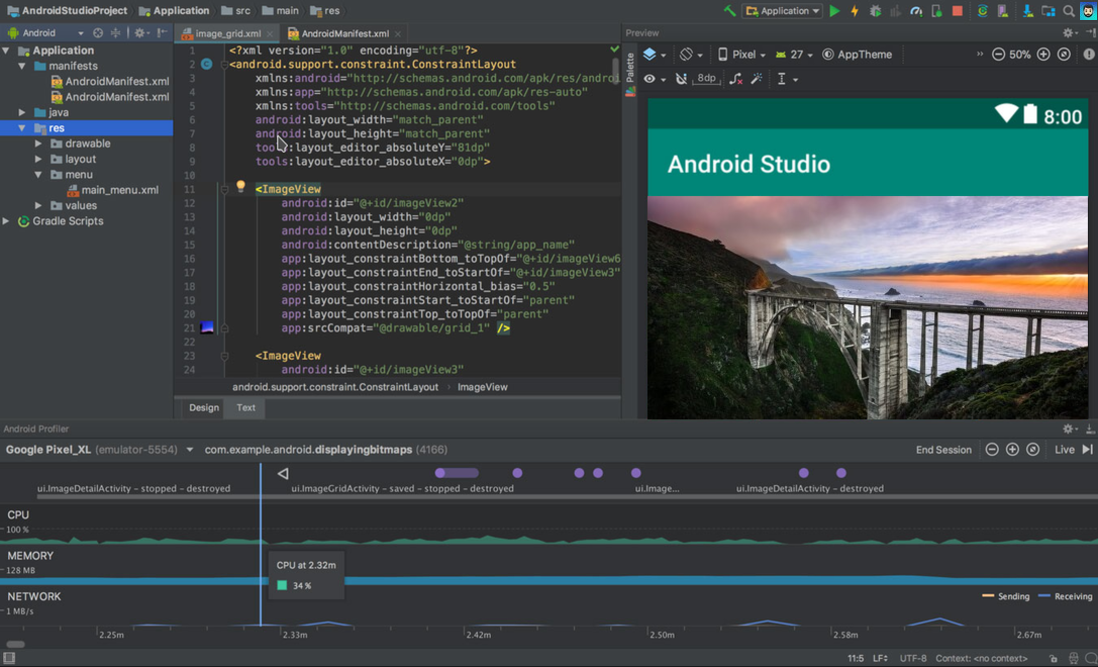
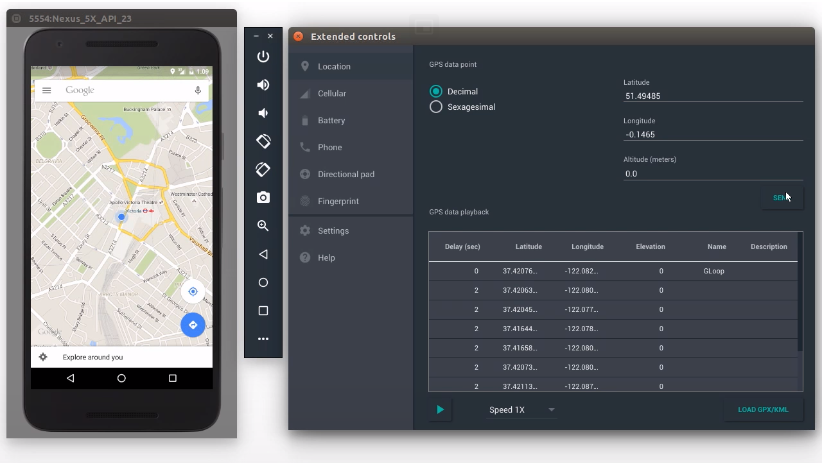
Android Virtual Device (AVD) ist eine Konfiguration in Android Studio, die die Eigenschaften eines Android -Telefons, eines Tablets, eines Wear -Betriebssystems, eines Android -TV oder eines Automobil -Betriebssystemgeräts definiert, das Sie im Android -Emulator simulieren möchten. Der Android -Emulator simuliert Android -Geräte auf Ihrem Computer, sodass Sie Ihre Anwendung auf einer Vielzahl von Geräten und Android -API -Ebenen testen können, ohne dass jedes physische Gerät vorhanden ist.
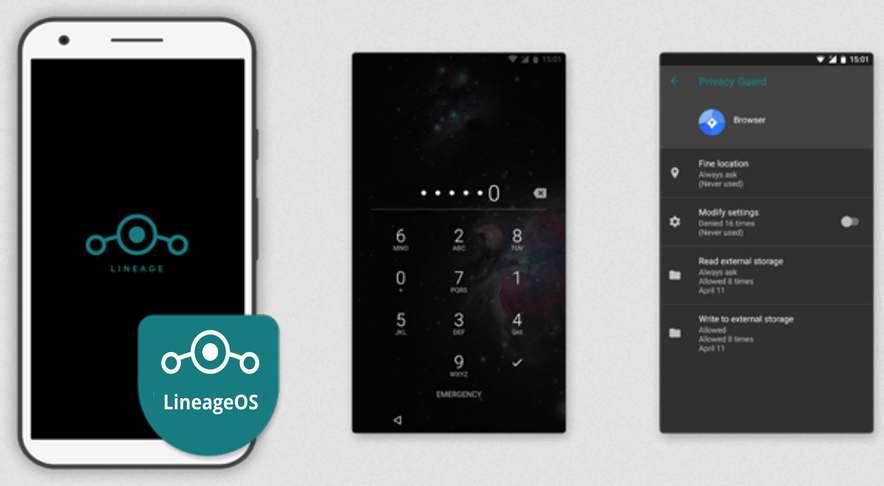
LineageOS ist ein kostenloses und open-Source-Betriebssystem für verschiedene Geräte, die auf der Android Mobile Platform basieren.
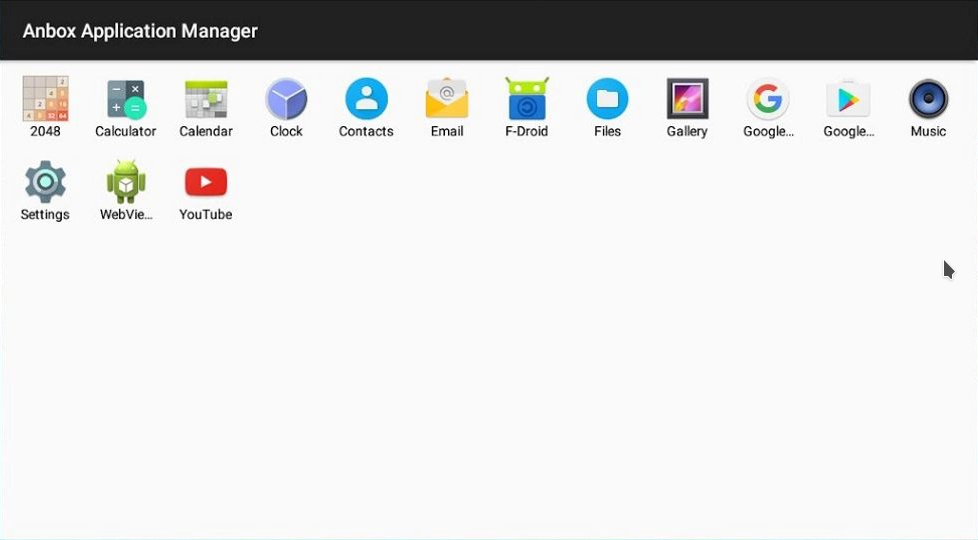
Anbox ist eine Anwendung, die einen Container-basierten Ansatz bietet, um ein vollständiges Android-System auf einem regulären GNU/Linux-System wie Ubuntu, Debian Fedora und OpenSuse zu starten.
Anbox Cloud ist die von Canonical gelieferte mobile Cloud -Computing -Plattform. Führen Sie Android in der Cloud, in hohem Maßstab und auf jeder Art von Hardware aus.
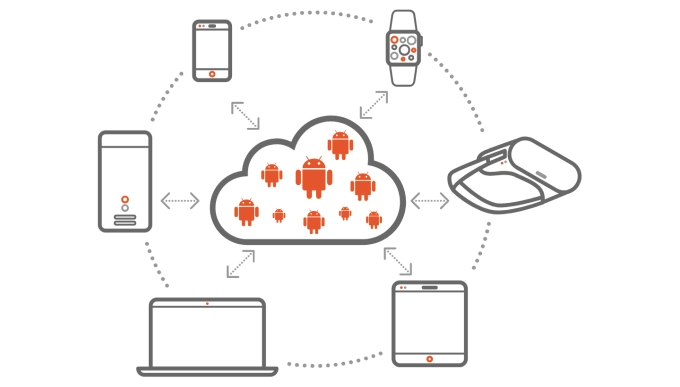
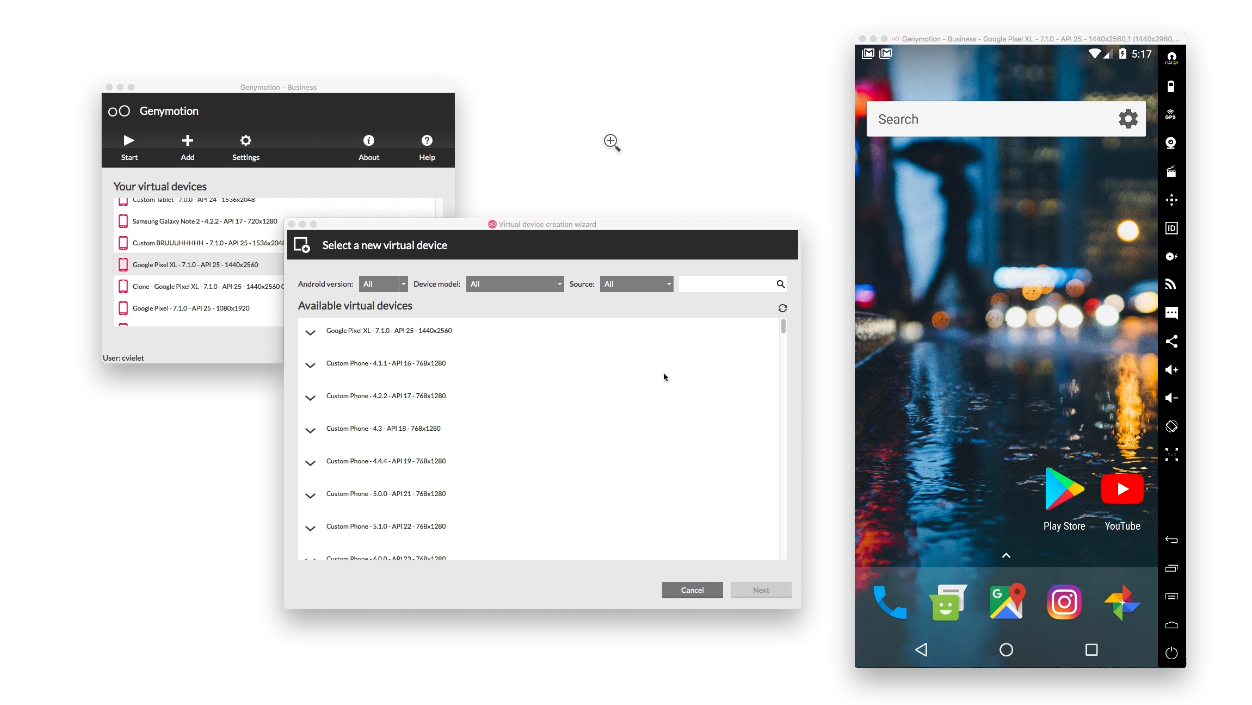
Genymotion ist ein sehr schneller Android -Emulator. Das Programm selbst basiert auf VirtualBox und ist bekannt für seine effektiv schnelle Geschwindigkeit und ist Nützlichkeit für das Ausführen von Android -Apps auf einem Windows-, Mac- und Linux -Desktop.
Desktop
Lokale virtuelle Geräte mit hohen Leistungen.
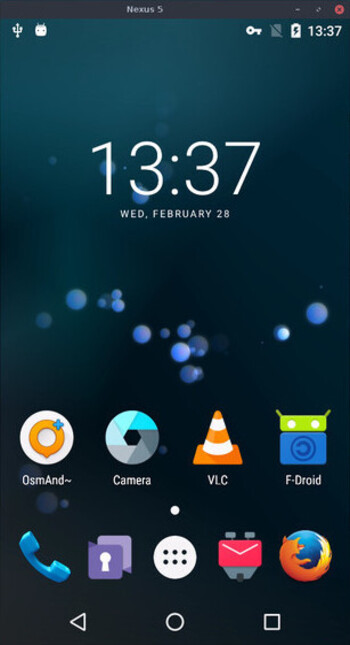
SCRCPY ist eine Anwendung nach Genymotion, die Anzeige und Steuerung von Android -Geräten bietet, die mit USB (oder über TCP/IP) verbunden sind. Es erfordert keinen Root -Zugriff und funktioniert auf GNU/Linux, Windows und MacOS. Das Android -Gerät benötigt mindestens API 21 (Android 5.0).
Zurück nach oben
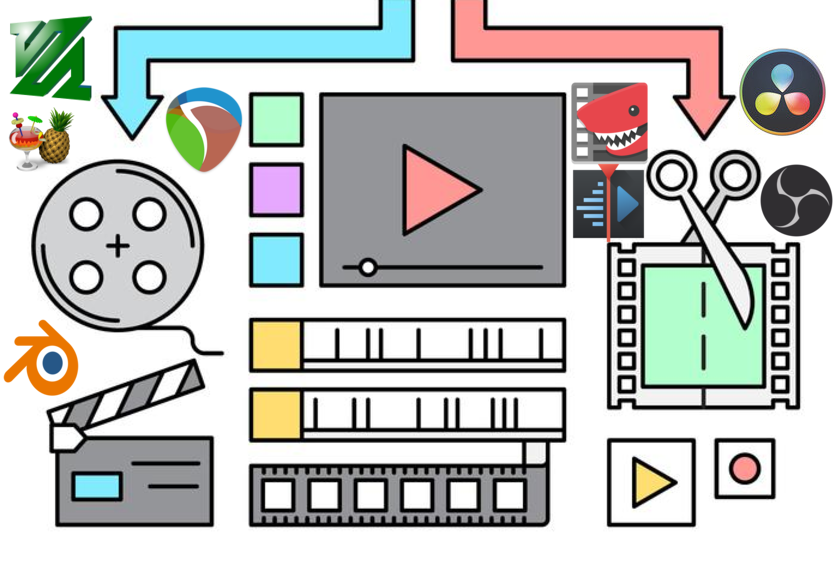
H.264 (AVC) ist ein Videokomprimierungsstandard, der auf blockorientierten und bewegungskompensierten Integer-DCT-Codierung basiert, die mehrere Profile (Tools) und Ebenen (maximale Bitrate und Auflösungen) mit Unterstützung von bis zu 8K definiert.
H.265 (HEVC) ist ein Videokomprimierungsstandard, der der Nachfolger von H.264 (AVC) ist. Es bietet eine bessere Datenkomprimierung von 25 bis 50% auf derselben Videoqualität oder eine verbesserte Videoqualität bei derselben Bitrate.
FFMPEG ist ein führendes Multimedia -Framework, das entschlüsselt, codieren, transcode, mux, Demux, Stream, Filter und Spielen so ziemlich alles, was Menschen und Maschinen geschaffen haben, dekodieren, codieren, transcode, MUX, Demux, Stream, Filter und Spielen entscheiden können. Es unterstützt die dunkelsten alten Formate bis hin zu den neuesten Plattformen wie Windows, MacOS und Linux.
Handbrems ist ein Werkzeug zum Transkodieren von Videos aus nahezu jedem Format mit einer Auswahl von weit unterstützten Codecs. Es wird auf Fenster, MacOS und Linux unterstützt.
Dynamisches adaptives Streaming über HTTP (DASH) ist ein adaptives Streaming -Protokoll, mit dem ein Video -Stream auf der Grundlage der Netzwerkleistung zwischen den Bitraten wechselt, um ein Video abzuspielen.
OpenMax ™ ist eine plattformübergreifende API, die umfassende Streaming-Medien-Codec- und Anwendungsportabilität bietet, indem beschleunigte Multimedia-Komponenten auf mehreren Betriebssystemen und Siliziumplattformen integriert, integriert und programmiert werden können.
Davinci Resolve ist die einzige Lösung der Welt, die professionelle 8K -Bearbeitung, Farbkorrektur, visuelle Effekte und Audio -Post -Produktion in einem Software -Tool kombiniert! Sie können sich sofort zwischen Bearbeitung, Farbe, Effekten und Audio mit einem einzigen Klick bewegen. Davinci Resolve Studio ist auch die einzige Lösung, die für die Zusammenarbeit mit mehreren Benutzern entwickelt wurde, sodass Redakteure, Assistenten, Coloristen, VFX -Künstler und Sounddesigner gleichzeitig live am selben Projekt arbeiten können.
Mit Blender können Sie grundlegende Aktionen wie Videoausschnitte und Spleißen sowie komplexere Aufgaben wie Videomaskierung oder Farbstufe ausführen. Der Video -Editor enthält: Live -Vorschau, Luma -Wellenform, Chroma -Vektorscope und Histogramm -Anzeigen. Audio -Mischung, Synchronisierung, Schrubben und Wellenformvisualisierung.
Kdenlive ist ein Open -Source -Videobearbeitungstool, das unbegrenzte Multimedia -Dateien unterstützt. Es basiert auf dem MLT -Framework, KDE und QT. Personen, die nach einem sehr vielseitigen Videobearbeitungswerkzeug suchen, das mit Funktionen gefüllt ist. Die neueste Veröffentlichung von 20.08 ist mit raffinierten Funktionen wie Schnittstellenlayouts, mehreren Audiostromunterstützung, zwischengespeichertem Datenmanagement und Zoombars im Clip Monitor- und Effects -Feld ausgestattet. Man kann jedoch argumentieren, dass die Highlights dieser Version Stabilitäts- und Grenzflächenverbesserungen sind.
OpenShot ist ein Open-Source-Videobearbeitungstool, das für Benutzer in der Bearbeitungsumgebung entwickelt wurde. Es verfügt über einfache Funktionen wie eine einfache Drag-and-Drop-Funktion, die eine benutzerfreundliche und schnell zu larnende Benutzeroberfläche bietet. Der leistungsstarke Video -Editor bietet unzählige effiziente Möglichkeiten, um Ihre Videos zu schneiden und abzuschneiden. Sie können die unbegrenzten Tracks, Videoeffekte, Titeleditor, 3D -Animationen, Zeitlupe und Zeiteffekte frei nutzen. Es unterstützt häufig verwendete Video -Codecs, die von FFMPEG wie Webm (VP9), AVCHD (LIBX264), HEVC (LIBX265) und Audio -Codecs wie MP3 (libmp3lame) und AAC (LIBFAAC) unterstützt werden. Das Programm kann MPEG4-, OGV-, Blu-Ray- und DVD-Videos sowie Full-HD-Videos zum Hochladen auf Internet-Video-Websites wie YouTube rendern.
Lightworks ist eine nichtlineare Anwendung von Videobearbeitung zur Bearbeitung und Beherrschung digitaler Videos, die von der Filmindustrie verwendet werden. Die professionelle Ausgabe wurde für Abendkassen wie Shutter Island, Pulp Fiction und Mission Impossible verwendet. Einschüchterndes Benutzeroberfläche. Wie professionelle Video -Editoren wie Adobe Premiere Pro ist Lightworks für neue Benutzer ziemlich kompliziert.
Shotcut ist ein Open-Source-Video-Editor. Sie können verschiedene Aktionen wie die Videobearbeitung (einschließlich 4K -Videoqualität) ausführen, Effekte hinzufügen, neue Filme erstellen, die meisten Bilddateien -Formate importieren, in nahezu jedes Dateiformat exportieren und vieles mehr.
Olive ist ein kostenloser, nichtlinearer Video-Editor, der eine vollwertige Alternative zu hochwertigen professionellen Videobearbeitungssoftware zur Verfügung stellt.
Natron ist ein leistungsstarker digitaler Kompositor, der alle Ihre 2D/2,5D -Anforderungen erfüllen kann. Seine robusten OIIO -Dateiformate und die OpenFX -Architektur machen Natron zum flexibelsten Open -Source -Kompositor für die Community der visuellen Effekte. Die Schnittstelle und funktional sind für alle Plattformen wie MacOS, Linux und Windows gleich.
OBS (Open Broadcaster Software) ist kostenlos und Open -Source -Software für Videoaufzeichnungen und Live -Streaming. Streamen Sie zu Twitch, YouTube und vielen anderen Anbietern oder zeichnen Sie Ihre eigenen Videos mit hochwertiger H264 / AAC -Codierung auf.
Reaper ist eine komplette digitale Audioproduktionsanwendung für Computer, die eine vollständige Multitrack -Audio- und MIDI -Aufzeichnung, Bearbeitung, Verarbeitung, Mischung und Mastering -Toolset bietet. Der Reach unterstützt eine Vielzahl von Hardware, digitalen Formaten und Plugins und kann umfassend erweitert, Skript- und Modifiziert werden.
Jack Audio Connection Kit alias Jack ist ein professioneller Soundserver-Daemon, der sowohl Echtzeit-Verbindungen für Echtzeit und MIDI-Daten für Anwendungen, die seine API implementieren, für Audio- und MIDI-Daten bietet. JACK kann so konfiguriert werden, dass Audiodaten über ein Netzwerk an einen "Master" -Machfang gesendet werden, der dann das Audio an ein physisches Gerät ausgibt. Dies kann nützlich sein, um Audio aus einer Reihe von "Slave" -Computern zu mischen, ohne zusätzliche Kabel oder Hardwaremixer zu benötigen und den Audio -Pfad so lange wie möglich digital zu halten.
Bitwig Studio ist eine digitale Audio-Workstation mit linearen und nichtlinearen Workflows für Sounddesign, Aufnahme, Live-Leistung und vieles mehr. Zusammen mit mehr als 90 Instrumenten, Effekten und anderen kreativen Werkzeugen. Es wird Windows, MacOS und Linux unterstützt.
PipeWire ist eine Server- und Benutzer-Space-API, die mit Multimedia-Pipelines umgeht. Es bietet eine mit niedrig latenz- und graphbasierte Verarbeitungs-Engine über Audio- und Videogeräte, mit denen die Anwendungsfälle, die derzeit sowohl von Pulseaudio als auch von Jack behandelt werden, unterstützt werden können. PipeWire wurde mit einem leistungsstarken Sicherheitsmodell entwickelt, das die Interaktion mit Audio- und Videogeräten von Containeranwendungen erleichtert. Knoten in der Grafik können als separate Prozesse implementiert werden, die mit Steckdosen kommunizieren und Multimedia -Inhalte mithilfe von FD -Passieren austauschen.
Yabridge ist eine moderne und transparente Möglichkeit, Windows VST2- und VST3 -Plugins unter Linux zu verwenden. Yabridge unterstützt nahtlos sowohl 32-Bit- als auch 64-Bit-Windows-VST2- und VST3-Plugins in einem 64-Bit-Linux-VST-Host, als ob es sich um native VST2- und VST3-Plugins handelt.
Sonobus ist eine einfach zu verwendende Anwendung zum Streamieren von hochwertigem Peer-to-Peer-Audio mit geringer Latenz zwischen den Geräten über das Internet oder einem lokalen Netzwerk.
Avid Pro Tools ist eine Audioproduktionssoftware für Branchen-Standard für Songwriter, Musiker, Produzenten und Ingenieure.
LMMS ist ein Open -Source -Anwendungsprogramm für digitale Audio -Workstation. Wenn LMMS mit einer geeigneten Computerhardware kombiniert wird, kann Musik durch Anordnen von Beispielen, Synthese von Sounds, das Spielen auf einer MIDI -Tastatur und die Kombination der Funktionen von Trackern und Sequenzern ermöglichen. Dieses Programm wurde von Paul Giblock und Tobias Junghans entwickelt und steht für "Linux Multimedia Studio" und unterstützt handliche Plugins, mit denen es an verschiedenen Betriebssystemen funktioniert.
Ardor ist eine Open -Source -Anstrengung eines weltweiten Teams, darunter Musiker, Programmierer und professionelle Aufnahmeingenieure. Die Entwicklung ist transparent - jeder kann unsere Arbeit beobachten, wie sie passiert. Wie ein gutes Stück Vintage -Hardware können Sie die Schachtel öffnen und nach innen schauen.
Audacity ist ein benutzerfreundlicher Multi-Track-Audio-Editor und Rekorder für Windows, Mac OS X, GNU/Linux und andere Betriebssysteme. Entwickelt von einer Gruppe von Freiwilligen als Open Source und bot kostenlos an. Erstaunliche Unterstützungsgemeinschaft.
Glimpse ist ein plattformübergreifender Raster-Grafik-Editor, der auf dem GNU-Image-Manipulationsprogramm basiert, das für Linux, MacOS und Windows verfügbar ist. Ein großartiges Werkzeug, um YouTube -Video -Miniaturansichten zu erstellen.
Zurück nach oben

Kubernetes (K8S) ist ein Open-Source-System zur Automatisierung der Bereitstellung, Skalierung und Verwaltung von Containeranwendungen.
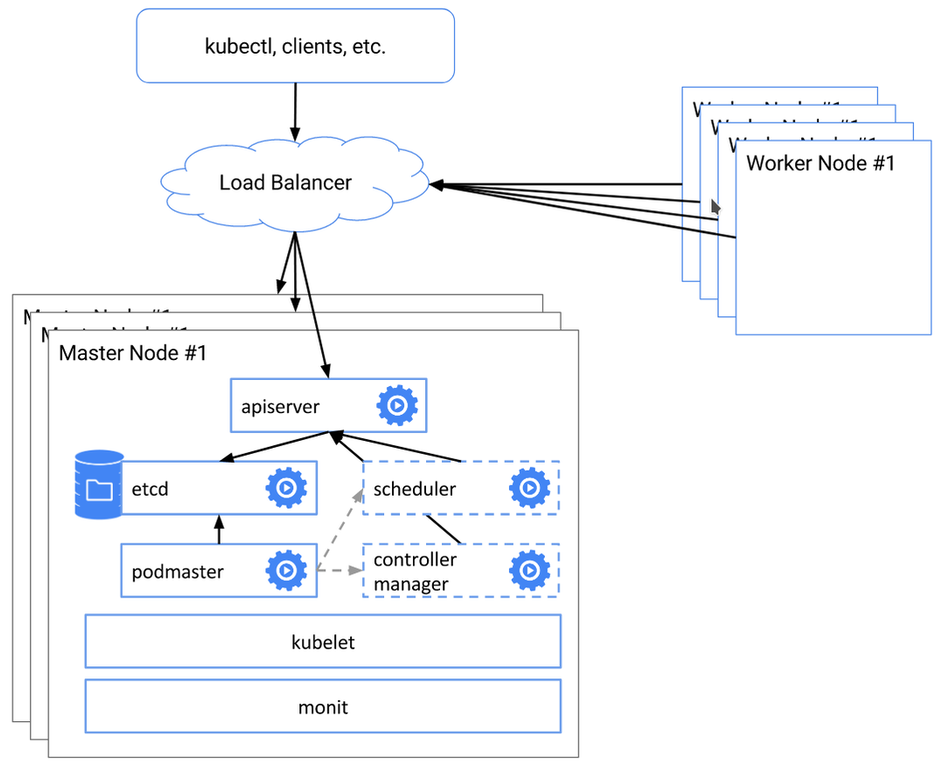
HA-Cluster mit kubeadm aufbauen. Quelle: Kubernetes.io, 2020
Google Kubernetes Engine (GKE) ist eine verwaltete, produktionsbereite Umgebung für laufende Containeranwendungen.
Azure Kubernetes Service (AKS) ist serverloser Kubernetes mit einer integrierten kontinuierlichen Integration und kontinuierlichen Lieferung (CI/CD) sowie Sicherheit und Governance von Unternehmensgrad. Verbinden Sie Ihre Entwicklungs- und Betriebsteams auf einer einzigen Plattform, um Anwendungen schnell aufzubauen, zu liefern und zu skalieren.
Amazon EKS ist ein Tool, mit dem Kubernetes -Steuerebene in mehreren Verfügbarkeitszonen über eine hohe Verfügbarkeit hinweg ausgeführt wird.
AWS Controller für Kubernetes (ACK) ist ein neues Tool, mit dem Sie AWS -Dienste von Kubernetes direkt verwalten können. ACK erleichtert es einfach, skalierbare und gut verfügbare Kubernetes-Anwendungen zu erstellen, die AWS-Dienste nutzen.
Container-Engine für Kubernetes (OKE) ist ein Oracle-verwalteter Container-Orchestrierungsdienst, mit dem die Zeit und die Kosten für den Aufbau moderner Cloud-native Anwendungen reduziert werden können. Im Gegensatz zu den meisten anderen Anbietern bietet die Oracle Cloud-Infrastruktur Container-Engine für Kubernetes als kostenlosen Service, der mit einem niedrigeren Rechenrand mit höherer Leistung ausgeführt wird.
Anthos ist eine moderne Plattform für Anwendungsmanagement, die eine konsistente Entwicklung und Betriebserfahrung für Cloud- und lokale Umgebungen bietet.
Red Hat OpenShift ist eine vollständig verwaltete Kubernetes-Plattform, die eine Grundlage für lokale Bereitstellungen für premierte, hybride und mehrfach-Loud-Bereitstellungen bietet.
OKD ist eine Community-Verteilung von Kubernetes, die für die kontinuierliche Anwendungsentwicklung und die Bereitstellung von Multi-Mietern optimiert sind. OKD fügt Entwickler und operativorientierte Tools über Kubernetes hinzu, um eine schnelle Anwendungsentwicklung, eine einfache Bereitstellung und Skalierung sowie eine langfristige Wartung von Lebenszyklus für kleine und große Teams zu ermöglichen.
ODO ist ein schnelles, iteratives und unkompliziertes CLI -Tool für Entwickler, die Anwendungen auf Kubernetes und OpenShift schreiben, erstellen und bereitstellen.
Der Kata -Operator ist Betreiber für die Lebenszyklusverwaltung (Installation/Upgrade/Deinstallation) von Kata Runtime bei OpenShift sowie Kubernetes -Cluster.
Thanos ist eine Reihe von Komponenten, die in ein hoch verfügbares metrisches System mit unbegrenzter Speicherkapazität zusammengesetzt werden können, die nahtlos auf vorhandenen Prometheus -Bereitstellungen hinzugefügt werden können.
OpenShift Hive ist ein Bediener, der als Service auf Kubernetes/OpenShift läuft. Der Hive -Service kann verwendet werden, um die anfängliche Konfiguration von OpenShift 4 -Clustern bereitzustellen und durchzuführen.
Rook ist ein Tool, das verteilte Speichersysteme in selbstverwaltete, selbstskalierende und selbstheilende Speicherdienste verwandelt. Es automatisiert die Aufgaben eines Speicheradministrators: Bereitstellung, Bootstrapping, Konfiguration, Bereitstellung, Skalierung, Upgrade, Migration, Katastrophenwiederherstellung, Überwachung und Ressourcenverwaltung.
VMware Tanzu ist eine zentralisierte Managementplattform, um Ihre Kubernetes -Infrastruktur und moderne Anwendungen in mehreren Teams und privaten/öffentlichen Wolken konsequent zu betreiben und zu sichern.
Kubespray ist ein Tool, das Kubernetes und Ansible kombiniert, um Kubernetes -Cluster einfach zu installieren, die auf AWS, GCE, Azure, OpenStack, VSphere, Paket (Bare Metal), Oracle Cloud Infrastructure (Experimental) oder Baremetal eingesetzt werden können.
Kubeinit bietet Ansible Playbooks und Rollen für die Bereitstellung und Konfiguration mehrerer Kubernetes -Verteilungen.
Rancher ist ein kompletter Software -Stapel für Teams, die Container einnehmen. Es befasst sich mit den operativen und Sicherheitsherausforderungen bei der Verwaltung mehrerer Kubernetes -Cluster und bietet DevOps -Teams integrierte Tools zum Ausführen von Workloads mit Container.
K3S ist eine hoch verfügbare, zertifizierte Kubernetes-Distribution, die für Produktionsarbeitslasten in unbeaufsichtigten, ressourcenbezogenen, abgelegenen Standorten oder in IoT-Geräten entwickelt wurde.
Helm ist ein Kubernetes -Paket -Manager -Tool, mit dem die Installation und Verwaltung von Kubernetes -Anwendungen erleichtert werden kann.
Knativ ist eine Kubernetes-basierte Plattform, um moderne serverlose Workloads zu erstellen, bereitzustellen und zu verwalten. Knativ kümmert sich um die operativen Überkopfdetails der Networking, Autoscaling (sogar auf Null) und der Überarbeitung der Revision.
Kubeflow ist ein Tool, das sich für die Bereitstellung von Workflows (Machine Learning) auf Kubernetes einfach, tragbar und skalierbar erstellt.
ETCD ist ein verteilter Schlüsselwertspeicher, der eine zuverlässige Möglichkeit bietet, Daten zu speichern, auf die von einem verteilten System oder einer Cluster von Maschinen zugegriffen werden muss. ETCD wird als Backend für die Serviceerkennung verwendet und speichert den Cluster -Status und die Konfiguration für Kubernetes.
OpenEBS ist ein Kubernetes-basiertes Tool, mit dem staatliche Anwendungen mithilfe von Container angeschlossener Speicher erstellt werden können.
Container Speicherschnittstelle (CSI) ist eine API, mit der Container-Orchestrierungsplattformen wie Kubernetes über ein Plug-In nahtlos mit gespeicherten Daten kommunizieren können.
Microk8s ist ein Tool, das das vollständige Kubernetes -Erlebnis bietet. In einer vollständig containerischen Bereitstellung mit komprimierten Over-der-Luft-Updates für ultra zuverlässige Vorgänge. Es wird unter Linux, Windows und MacOS unterstützt.
Carbernetes ist eine gut integrierte, rechtzeitige, konformante Kubernetes-Plattform, die für Ihre von Canonical entwickelten Multi-Cloud-Umgebungen optimiert ist.
Die Grafana Kubernetes -App ist ein Tribut, mit dem Sie die Leistung Ihres Kubernetes -Clusters überwachen können. Es enthält 4 Dashboards, Cluster, Knoten, Pod/Container und Bereitstellung. Es ermöglicht die automatische Bereitstellung der erforderlichen Prometheus -Exporteure und eine Standard -Scape -Konfiguration, die mit Ihrer In -Cluster -Prometheus -Bereitstellung verwendet werden kann.
Kubeedge ist ein Open -Source -System zur Erweiterung der nativen Container -Anwendungsorchestrierungsfunktionen für Hosts bei Edge. Bereitstellung und Metadatensynchronisation zwischen Wolke und Kante.
Lens ist die mächtigste IDE für Menschen, die täglich mit Kubernetes -Clustern zu tun haben. Es unterstützt die Betriebssysteme von MacOS, Windows und Linux.
Die Art ist ein Werkzeug, um lokale Kubernetes -Cluster mithilfe von Docker -Container „Knoten“ auszuführen. Es wurde hauptsächlich zum Testen von Kubernetes selbst konzipiert, kann jedoch für die lokale Entwicklung oder CI verwendet werden.
Die Flux -CD ist ein Tool, das automatisch sicherstellt, dass der Status Ihres Kubernetes -Cluster mit der Konfiguration übereinstimmt, die Sie in Git geliefert haben. Es verwendet einen Bediener im Cluster, um Bereitstellungen in Kubernetes auszulösen. Dies bedeutet, dass Sie kein separates kontinuierliches Lieferwerkzeug benötigen.
Kubernetes -Zertifizierungen erhalten
Erste Schritte mit Kubernetes auf AWS
Kubernetes auf Microsoft Azure
Intro zum Azure Kubernetes -Service
Erste Schritte mit Google Cloud
Erste Schritte mit Kubernetes auf Red Hat
Erste Schritte mit Kubernetes auf IBM
Yaml -Grundlagen in Kubernetes
Elastische Wolke auf Kubernetes
Docker und Kubernetes
Stellen Sie ein Modell in einem Azure Kubernetes -Service -Cluster ein
Vereinfachten
Ausführen von Apache Spark auf Kubernetes
Kubernetes über VMware Vrealize Automation
VMware Tanzu Kubernetes Grid
Alle Art und Weise, wie VMware Tanzu mit AWS funktioniert
VMware Tanzu Ausbildung
Verwenden von Ansible in einer Cloud-nativen Kubernetes-Umgebung
Verwalten von Kubernetes (K8S) -Objekten mit Ansible
Einrichten eines Kubernetes -Clusters mit Vagrant und Ansible
MongoDB mit Kubernetes laufen
Kubernetes fluentd
Verständnis des neuen Gitlab Kubernetes -Agenten
Kubernetes -Mitwirkende
Kubeacademy von VMware
Zurück nach oben
TensorFlow ist eine End-to-End-Open-Source-Plattform für maschinelles Lernen. Es verfügt über ein umfassendes, flexibles Ökosystem aus Tools, Bibliotheken und Community-Ressourcen, mit dem die Forscher die hochmoderne in ML und Entwickler problemlos ML-Antriebsanwendungen erstellen und bereitstellen können.
Tensorman ist ein Dienstprogramm zur einfachen Verwaltung von Tensorflow -Behältern durch von System76 entwickelt. Tensorman ermöglicht den Tensorflow in einer isolierten Umgebung, die aus dem Rest des Systems enthält. Diese virtuelle Umgebung kann unabhängig vom Basissystem funktionieren, sodass Sie jede Version von TensorFlow für jede Version einer Linux -Verteilung verwenden können, die die Docker -Laufzeit unterstützt.
Keras ist eine hochrangige neuronale Netzwerke-API, die in Python geschrieben wurde und in der Lage ist, auf Tensorflow, CNTK oder Theano zu laufen. Es ist in der Lage, auf Tensorflow, Microsoft Cognitive Toolkit, R, Theano oder Plaidml zu laufen.
Pytorch ist eine Bibliothek für tiefes Lernen für unregelmäßige Eingabedaten wie Diagramme, Punktwolken und Verteiler. In erster Linie von Facebooks AI Research Lab entwickelt.
Amazon Sagemaker ist ein vollständig verwalteter Dienst, der jedem Entwickler und Datenwissenschaftler die Möglichkeit bietet, maschinelles Lernen (ML) -Modelle schnell zu erstellen, zu trainieren und bereitzustellen. Der Sagemaker entfernt das schwere Heben von jedem Schritt des maschinellen Lernprozesses, um die Entwicklung von Modellen von hochwertigen Qualität zu erleichtern.
Azure Databricks ist ein schneller und kollaborativer Apache Spark-basierter Big Data Analytics-Dienst, der für Datenwissenschaft und Datentechnik entwickelt wurde. Azure Databricks richtet Ihre Apache -Spark -Umgebung in Minuten, autoscale, und arbeitet an gemeinsam genutzten Projekten in einem interaktiven Arbeitsbereich zusammen. Azure Databricks unterstützt Python, Scala, R, Java und SQL sowie Data Science Frameworks und Bibliotheken wie TensorFlow, Pytorch und Scikit-Learn.
Microsoft Cognitive Toolkit (CNTK) ist ein Open-Source-Toolkit für verteilte Deep Learning. Es beschreibt neuronale Netze als eine Reihe von Rechenschritten über ein angegebenes Diagramm. Mit CNTK kann der Benutzer beliebte Modelltypen wie Feed-Forward-DNNs, Faltungsnetzwerke (CNNs) und wiederkehrende neuronale Netzwerke (RNNs/LSTMS) leicht erkennen und kombinieren. CNTK implementiert stochastische Gradientenabfälle (SGD, Fehler -Backpropagation) Lernen mit automatischer Differenzierung und Parallelisierung über mehrere GPUs und Server.
Apache Airflow ist eine Open-Source-Workflow-Management-Plattform, die von der Community erstellt wurde, um die Workflows mit Autor, Planen und zu überwachen. Installieren. Prinzipien. Skalierbar. Airflow verfügt über eine modulare Architektur und verwendet eine Nachrichtenwarteschlange, um eine willkürliche Anzahl von Arbeitnehmern zu orchestrieren. Der Luftstrom ist bereit, in Unendlichkeit zu skalieren.
Open Neural Network Exchange (ONNX) ist ein offenes Ökosystem, das KI -Entwicklern ermöglicht, die richtigen Tools zu wählen, während sich ihr Projekt weiterentwickelt. ONNX bietet ein Open -Source -Format für KI -Modelle, sowohl Deep Learning als auch traditionelles ML. Es definiert ein erweiterbares Berechnungsgraphenmodell sowie Definitionen integrierter Operatoren und Standarddatentypen.
Apache MXNET ist ein Deep -Learning -Framework, das sowohl für Effizienz als auch für Flexibilität entwickelt wurde. Sie können symbolische und imperative Programmierung mischen, um die Effizienz und Produktivität zu maximieren. Im Kern enthält MXNET einen dynamischen Abhängigkeitsplaner, der sowohl symbolische als auch imperative Operationen im laufenden Fliegen automatisch parallelisiert. Eine Diagrammoptimierungsschicht darüber, die eine symbolische Ausführung schnell und speicher macht. MXNET ist tragbar und leicht und skaliert effektiv mit mehreren GPUs und mehreren Maschinen. Unterstützung für Python, R, Julia, Scala, Go, JavaScript und mehr.
Autogluon ist Toolkit für Deep Learning, das Aufgaben des maschinellen Lernens automatisiert, sodass Sie in Ihren Anwendungen problemlos eine starke Vorhersageleistung erzielen können. Mit nur wenigen Codezeilen können Sie Deep-Learning-Modelle mit hohen Genauigkeit zu Tabellen-, Bild- und Textdaten einsetzen.
Anaconda ist eine sehr beliebte Datenwissenschaftsplattform für maschinelles Lernen und Deep -Lernen, mit der Benutzer Modelle entwickeln, trainieren und bereitstellen können.
PLAIDML ist ein fortschrittlicher und tragbarer Tensor -Compiler, um Deep Learning auf Laptops, eingebetteten Geräten oder anderen Geräten zu ermöglichen, bei denen die verfügbare Computerhardware nicht gut unterstützt wird oder der verfügbare Software -Stack unzählige Lizenzbeschränkungen enthält.
OpenCV ist eine hoch optimierte Bibliothek mit Fokus auf Echtzeit-Computer-Vision-Anwendungen. Die Schnittstellen von C ++, Python und Java unterstützen Linux, MacOS, Windows, IOS und Android.
Scikit-Learn ist ein Python-Modul für maschinelles Lernen, das auf Scipy, Numpy und Matplotlib aufgebaut ist und so die Anwendung robuster und einfacher Implementierungen vieler beliebter Algorithmen für maschinelles Lernen erleichtert.
Weka ist eine Open -Source -Software für maschinelles Lernen, auf die über eine grafische Benutzeroberfläche, Standard -Terminalanwendungen oder eine Java -API zugegriffen werden kann. Es wird häufig für die Lehr-, Forschungs- und Industrieanwendungen verwendet, enthält eine Vielzahl integrierter Tools für standardmäßige Aufgaben des maschinellen Lernens und bietet zusätzlich transparenten Zugriff auf bekannte Toolboxen wie Scikit-Learn, R und DeepLearning4J.
Kaffe ist ein tiefes Lerngerüst, das aus Ausdruck, Geschwindigkeit und Modularität im Kopf gestellt wird. Es wurde von Berkeley AI Research (Bair)/The Berkeley Vision and Learning Center (BVLC) und Community -Mitwirkenden entwickelt.
Theano ist eine Python-Bibliothek, mit der Sie mathematische Ausdrücke definieren, optimieren und bewerten können, die mehrdimensionale Arrays effizient einschließlich einer engen Integration in Numpy beinhalten.
NGRAPH ist eine Open -Source -C ++ - Bibliothek, Compiler und Laufzeit für Deep Learning. Der NGRAPH-Compiler zielt darauf ab, die Entwicklung von KI-Workloads mit jedem Deep-Learning-Framework zu beschleunigen und für eine Vielzahl von Hardware-Zielen bereitzustellen.
Nvidia Cudnn ist eine GPU-beschleunigte Bibliothek von Primitiven für tiefe neuronale Netze. CUDNN bietet hochgestaltete Implementierungen für Standardroutinen wie Vorwärts- und Rückwärtsverfolgung, Pooling, Normalisierung und Aktivierungsschichten. CUDNN beschleunigt weit verbreitete Deep -Lern -Frameworks, einschließlich Caffe2, Chainer, Keras, Matlab, Mxnet, Pytorch und TensorFlow.
Jupyter Notebook ist eine Open-Source-Webanwendung, mit der Sie Dokumente erstellen und freigeben können, die Live-Code, Gleichungen, Visualisierungen und narrative Text enthalten. Jupyter wird in Branchen, die Datenreinigung und -transformation, numerische Simulation, statistische Modellierung, Datenvisualisierung, Datenwissenschaft und maschinelles Lernen ausführlich verwendet.
Apache Spark ist eine einheitliche Analyse-Engine für die groß angelegte Datenverarbeitung. Es bietet hochrangige APIs in Scala, Java, Python und R sowie einer optimierten Engine, die allgemeine Berechnungsdiagramme für die Datenanalyse unterstützt. Es unterstützt auch eine Reihe von Tools auf höherer Ebene, einschließlich Spark SQL für SQL und DataFrames, MLLIB für maschinelles Lernen, Graphx für die Graphenverarbeitung und strukturiertes Streaming für die Stream-Verarbeitung.
Apache Spark Connector für SQL Server und Azure SQL ist ein Hochleistungs-Connector, mit dem Sie Transaktionsdaten in Big-Data-Analysen verwenden und die Ergebnisse für Ad-hoc-Abfragen oder Berichte bestehen können. Mit dem Connector können Sie jede SQL-Datenbank vor Ort oder in der Cloud als Eingabedatenquelle oder Ausgabedatensenke für Spark Jobs verwenden.
Apache Predictionio ist ein Framework für maschinelles Lernen von Open Source für Entwickler, Datenwissenschaftler und Endbenutzer. Es unterstützt die Ereignissammlung, die Bereitstellung von Algorithmen, die Bewertung und die Abfragung von prädiktiven Ergebnissen über REST -APIs. Es basiert auf skalierbaren Open -Source -Diensten wie Hadoop, HBase (und anderen DBs), Elasticsearch, Funken und implementiert eine sogenannte Lambda -Architektur.
Cluster Manager für Apache Kafka (CMAK) ist ein Tool zum Verwalten von Apache Kafka -Clustern.
Bigdl ist eine verteilte Deep Learning Library für Apache Spark. Mit BigDL können Benutzer ihre Deep -Learning -Anwendungen als Standard -Spark -Programme schreiben, die direkt über vorhandene Spark- oder Hadoop -Cluster ausgeführt werden können.
Koalas Is Project macht Datenwissenschaftler bei der Interaktion mit Big Data produktiver, indem die Pandas DataFrame -API auf Apache Spark implementiert wird.
Apache Spark ™ MLFlow ist eine Open -Source -Plattform, um den ML -Lebenszyklus zu verwalten, einschließlich Experimentieren, Reproduzierbarkeit, Bereitstellung und zentraler Modellregistrierung. MLFlow bietet derzeit vier Komponenten:
MLFlow Tracking : Experimente auf Datensatz und Abfrage: Code, Daten, Konfiguration und Ergebnisse.
MLFlow -Projekte : Paketdatenwissenschaftscode in einem Format zur Reproduzierung von Läufen auf jeder Plattform.
MLFlow -Modelle : Bereitstellung maschineller Lernmodelle in verschiedenen Servierumgebungen.
Modellregistrierung : Modelle in einem zentralen Repository speichern, kommentieren, entdecken und verwalten.
Eclipse DeepLearning4J (DL4J) ist eine Reihe von Projekten, die alle Anforderungen einer JVM-basierten (Scala, Kotlin, Clojure und Groovy) Deep Learning-Anwendung unterstützen sollen. Dies bedeutet, mit den Rohdaten zu beginnen, das Laden und Vorbereitungen von wo immer und in welchem Format es zum Aufbau und Abtauchen einer Vielzahl einfacher und komplexer Deep -Lern -Netzwerke aufbaut und abgestimmt hat.
Numba ist eine Open-Source-Optimierungspiler für Python, die von Anaconda, Inc. gesponsert wird. Es verwendet das LLVM-Compiler-Projekt, um Maschinencode von Python Syntax zu generieren. Numba kann eine große Untergruppe von numerisch fokussierten Python zusammenstellen, einschließlich vieler Numpy-Funktionen. Darüber hinaus unterstützt NUMBA die automatische Parallelisierung von Schleifen, die Erzeugung von GPU-beschleunigten Code und die Erstellung von UFuncs und C-Rückrufe.
Chainer ist ein Python-basierter Deep Learning-Framework, der auf Flexibilität abzielt. Es liefert automatische Differenzierungs-APIs basierend auf dem Define-by-Run-Ansatz (dynamische Rechengrafs) sowie objektorientierter APIs auf hoher Ebene, um neuronale Netzwerke aufzubauen und zu trainieren. Es unterstützt auch CUDA/CUDNN mit Cupy für Hochleistungstraining und Inferenz.
Cuml ist eine Reihe von Bibliotheken, die Algorithmen für maschinelles Lernen und mathematische Primitive -Funktionen implementieren, die kompatible APIs mit anderen Rapids -Projekten teilen. Mit Cuml ermöglicht es Datenwissenschaftlern, Forschern und Software -Ingenieuren, herkömmliche tabellarische ML -Aufgaben auf GPUs auszuführen, ohne sich auf die Details der CUDA -Programmierung einzulassen. In den meisten Fällen entspricht die Python-API von Cuml mit der API von Scikit-Learn.
Maschinelles Lernen der Stanford University von Coursera
Maschinelles Lernkurse online von Coursera
Maschinelles Lernkurse online von udemy
Lernen Sie maschinelles Lernen mit Online -Kursen und Kursen von EDX
Zurück nach oben

ROS ist Robotics Middleware. Obwohl ROS kein Betriebssystem ist, bietet es Dienste für einen heterogenen Computercluster wie Hardwareabstraktion, Gerätesteuerung auf niedriger Ebene, Implementierung der häufig verwendeten Funktionalität, das Einfügen von Nachrichten zwischen Prozessen und Paketverwaltung.
ROS2 ist eine Reihe von Software -Bibliotheken und Tools, mit denen Sie Roboteranwendungen erstellen können. ROS, von Treibern bis hin zu hochmodernen Algorithmen und mit leistungsstarken Entwickler-Tools, hat ROS das, was Sie für Ihr nächstes Robotikprojekt benötigen. Und es ist alles Open Source.
Roboter Framework ist ein generisches Open -Source -Automatisierungs -Framework. Es kann zur Testautomatisierung und zur Automatisierung der Roboterprozesse verwendet werden. Es verfügt über eine einfache Syntax unter Verwendung von Schlüsselwörtern mit menschlichem Lesbar. Die Fähigkeiten können durch Bibliotheken erweitert werden, die mit Python oder Java implementiert sind.
Die Robotics Library (RL) ist eine in sich geschlossene C ++-Bibliothek für Roboterkinematik, Bewegungsplanung und Kontrolle. Es deckt Mathematik, Kinematik und Dynamik, Hardware -Abstraktion, Bewegungsplanung, Kollisionserkennung und Visualisierung ab. RL wird auf vielen verschiedenen Systemen ausgeführt, einschließlich Linux, MacOS und Windows. Es verwendet CMake als Build -System und kann mit Clang, GCC und Visual Studio kompiliert werden.
Moveit ist die am häufigsten verwendete Software für die Manipulation und wurde für über 100 Roboter verwendet. Es bietet eine benutzerfreundliche Robotik-Plattform für die Entwicklung fortschrittlicher Anwendungen, die Bewertung neuer Designs und den Bau integrierter Produkte für industrielle, gewerbliche, F & E und andere Bereiche.
Autogluon ist Toolkit für Deep Learning, das Aufgaben des maschinellen Lernens automatisiert, sodass Sie in Ihren Anwendungen problemlos eine starke Vorhersageleistung erzielen können. Mit nur wenigen Codezeilen können Sie Deep-Learning-Modelle mit hohen Genauigkeit zu Tabellen-, Bild- und Textdaten einsetzen.
Der Pavillon simuliert genau und effizient im Innen- und Außenroboter. Sie erhalten eine robuste Physik-Engine, hochwertige Grafiken sowie programmatische und grafische Schnittstellen.
Robotics System Toolbox bietet Tools und Algorithmen zum Entwerfen, Simulieren und Testen von Manipulatoren, mobilen Robotern und humanoiden Robotern. Für Manipulatoren und humanoide Roboter enthält die Toolbox Algorithmen für die Kollisionsprüfung, die Generierung von Trajektorien, die Vorwärts- und inversen Kinematik sowie die Dynamik unter Verwendung einer starren Körperbaumdarstellung. Für mobile Roboter enthält es Algorithmen für die Zuordnung, Lokalisierung, Pfadplanung, Pfad folgen und Bewegungssteuerung. Die Toolbox enthält Referenzbeispiele für gängige Industrie -Roboteranwendungen. Es enthält außerdem eine Bibliothek im Handel für industrielle Robotermodelle, die Sie importieren, visualisieren und simulieren können.
Intel Robot Devkit ist das Tool zum Generieren von Robotics Software Development Kit (RDK), das für autonome Geräte entwickelt wurde, einschließlich der ROS2 -Kern- und Kapazitätenpakete wie Wahrnehmung, Planung, Steuerungstreiber usw. Es bietet flexible Build-/Laufzeitkonfigurationen, um unterschiedliche autonome Anforderungen an die Diversitätshardware zu erfüllen.
Arduino ist eine Open-Source-Plattform, die für den Bau von Elektronikprojekten verwendet wird. Arduino besteht sowohl aus einer physischen programmierbaren Leiterplatte (oft als Mikrocontroller bezeichnet) als auch aus einer Software, oder einer IDE (integrierte Entwicklungsumgebung), die auf Ihrem Computer ausgeführt wird und zum Schreiben und Hochladen von Computercode in die physische Karte verwendet wird.
Ardupilot ermöglicht die Erstellung und Verwendung vertrauenswürdiger, autonomer, unbemannter Fahrzeugsysteme zum friedlichen Nutzen aller. Ardupilot bietet eine umfassende Reihe von Werkzeugen, die für fast jedes Fahrzeug und jede Anwendung geeignet sind.
AirSim ist ein Simulator für Drohnen, Autos und mehr, die auf Unreal Engine gebaut wurden (wir haben jetzt auch eine experimentelle Einheitentwicklung). Es handelt sich um Open-Source, Cross-Plattform und unterstützt Hardware-in-Schleifen mit beliebten Flugcontrollern wie PX4 für physikalisch und visuell realistische Simulationen.
F´ (F Prime) ist ein komponentiertes Framework, das eine schnelle Entwicklung und Bereitstellung von SpaceFlight und anderen eingebetteten Softwareanwendungen ermöglicht. Ursprünglich im Jet Propulsion Laboratory entwickelt, wurde F´ erfolgreich in mehreren Weltraumanwendungen eingesetzt.
Der JPL Open Source Rover ist eine Open Source, baut sie selbst auf und skaliert die Version des 6 -Rad -Rover -Designs, das JPL verwendet, um die Oberfläche des Mars zu erkunden. Der Open Source Rover ist fast ausschließlich aus dem Verbraucher aus den Teilen der Regal (COTS) ausgelegt. Dieses Projekt soll eine Lehr- und Lernerfahrung für diejenigen sein, die sich für Maschinenbau, Software, Elektronik oder Robotik engagieren möchten.
Light Detection and Ranging (LIDAR) ist eine Fernerkundungsmethode, die Licht in Form eines gepulsten Lasers an einem Objekt verwendet und die Zeit und Wellenlänge des reflektierten Lichtstrahls verwendet, um die Entfernung und in einigen Anwendungen (Laserbildgebung) zu schätzen, um eine 3D -Darstellung des Objekts und seiner Oberflächeneigenschaften zu erzeugen. Diese Technologie wird üblicherweise in Flugzeugen und selbstfahrenden Fahrzeugen eingesetzt.
Alicevision ist ein photogrammetrisches Computer -Vision -Framework, das eine 3D -Rekonstruktions- und Kamera -Tracking -Algorithmen bietet. Alicevision zielt darauf ab, eine starke Software-Basis mit hochmodernen Computer-Vision-Algorithmen bereitzustellen, die getestet, analysiert und wiederverwendet werden können. Das Projekt ist ein Ergebnis der Zusammenarbeit zwischen Wissenschaft und Industrie, um hochmoderne Algorithmen die Robustheit und die für die Produktion erforderliche Qualität zur Verfügung zu stellen.
Carla ist ein Open-Source-Simulator für autonome Fahrerforschung. Carla wurde von Grund auf entwickelt, um die Entwicklung, Schulung und Validierung autonomer Fahrsysteme zu unterstützen. Neben Open-Source-Code und Protokollen bietet Carla offene digitale Vermögenswerte (städtische Layouts, Gebäude, Fahrzeuge), die für diesen Zweck erstellt wurden und frei verwendet werden können. Die Simulationsplattform unterstützt eine flexible Spezifikation von Sensornuiten und Umgebungsbedingungen.
Ros Bridge ist eine Packung, um ROS für Carla Simulator zu überbrücken.
Ros-Industrial ist ein Open-Source-Projekt, das die fortschrittlichen Funktionen der ROS-Software auf die Herstellung erweitert.
AWS Robomaker ist die umfassendste Cloud -Lösung für Roboterentwickler, um Roboteranwendungen im Maßstab zu simulieren, zu testen und sicher bereitzustellen. Robomaker bietet eine vollständig verwaltete, skalierbare Infrastruktur für die Simulation, die Kunden für Multi-Robot-Simulation und CI/CD-Integration mit Regressionstests in der Simulation verwenden.
Microsoft Robotics Developer Studio ist eine kostenlose .NET-basierte Programmierumgebung für den Aufbau von Robotikanwendungen.
Visual Studio Code -Erweiterung für ROS ist eine Erweiterung bietet Unterstützung für die Entwicklung des Roboter -Betriebssystems (ROS).
Der Azure Kinect ROS -Treiber ist ein Knoten, der Sensordaten vom Azure Kinect Developer Kit zum Roboter -Betriebssystem (ROS) veröffentlicht. Entwickler, die mit ROS arbeiten, können diesen Knoten verwenden, um ein Azure Kinect Developer -Kit an eine vorhandene ROS -Installation zu verbinden.
Azure IoT Hub für ROS ist ein ROS -Paket arbeitet mit dem Microsoft Azure IoT -Hub -Dienst zusammen, um Telemetrienachrichten vom Roboter in den Azure IoT -Hub weiterzuleiten oder Eigenschaften vom digitalen Zwilling zum Roboter mit dynamischer Rekonfiguration zu reflektieren.
ROS 2 mit ONNX -Laufzeit ist ein Programm, das ROS 2 verwendet, um auf verschiedenen Hardware -Plattformen mit ihren jeweiligen AI -Beschleunigungsbibliotheken für eine optimierte Ausführung des ONNX -Modells auszuführen.
Azure Cognitive Services Luis ROS -Knoten ist ein ROS -Knoten, der zwischen ROS und dem Azure Language -Verständnisdienst brandet. Es kann so konfiguriert werden, dass Audio direkt aus einem Mikrofon verarbeitet oder ein ROS -Audio -Thema abonniert wird, dann die Sprache verarbeitet und "Intent" ROS -Nachrichten generiert, die von einem anderen ROS -Knoten verarbeitet werden können, um ROS -Befehle zu generieren.
Robotikkurse von Coursera
Lernen Sie Robotik mit Online -Kursen und Kursen von EDX
Top -Robotikkurse online von udemy
Kostenlose Online -KI- und Robotikkurse
REC Foundation Robotics Industry -Zertifizierung
Carnegie Mellon Robotics Academy
RIA Roboter Integrator -Zertifizierungsprogramm
AWS Robomaker - Entwickeln, testen, bereitstellen und verwalten intelligente Robotik -Apps
Microsoft AI School
Sprachverständnis (LUIS) für azure kognitive Dienste
Azure VM -Vorlagen zum Bootstrap ROS und ROS 2 -Umgebungen
Google Robotics Research
Zurück nach oben

Die Open Source Security Foundation (OpenSSF) ist eine Zusammenarbeit mit der Branche, die Führungskräfte zusammenbringt, um die Sicherheit der Open-Source-Software zu verbessern, indem sie eine breitere Gemeinschaft, gezielte Initiativen und Best Practices aufbauen. Der OpenSSF vereint Open-Source-Sicherheitsinitiativen unter einer Stiftung, um die Arbeit durch die Unterstützung der Industrie zu beschleunigen. Zusammen mit der Kerninfrastrukturinitiative und der Open Source Security Coalition werden neue Arbeitsgruppen enthalten, die Angaben zur Anklagepunkte, Sicherheitsinstrumente und vieles mehr beheben.
STIGS -Benchmarks - Sicherheits -technische Implementierungsleitfäden
CIS -Benchmarks - CIS Center für Internetsicherheit
NIST - Aktuelle FIPs
ISO -Standardkatalog
Häufige Kriterien für die Sicherheitsbewertung der Informationstechnologie (CC) sind ein internationaler Standard (ISO / IEC 15408) für die Computersicherheit. Es ermöglicht eine objektive Bewertung, zu bestätigen, dass ein bestimmtes Produkt einen definierten Satz von Sicherheitsanforderungen erfüllt.
ISO 22301 ist der internationale Standard, der einen Best-Practice-Framework für die Implementierung eines optimierten BCMS (Business Continuity Management System) bietet.
ISO27001 ist der internationale Standard, der die Anforderungen für ein ISMS (Information Security Management System) beschreibt. Das Framework soll Unternehmen helfen, ihre Sicherheitspraktiken an einem Ort konsequent und kostengünstig zu verwalten.
ISO 27701 Gibt die Anforderungen für ein PIMS-System (Privacy Information Management System) an, das auf den Anforderungen von ISO 27001 basiert. Es wird durch eine Reihe von Datenschutzanforderungen, Kontrollzielen und -kontrollen erweitert. Unternehmen, die ISO 27001 implementiert haben, können ISO 27701 nutzen, um ihre Sicherheitsbemühungen zur Deckung des Datenschutzmanagements zu erweitern.
Die EU -DSGVO (General Data Protection Regulation) ist ein Datenschutz- und Datenschutzgesetz, das die bestehenden nationalen Datenschutzgesetze in der EU ersetzt und einheitlich einheitlich macht, indem nur ein Hauptdatenschutzgesetz für Unternehmen/Organisationen eingeführt wird.
Das CCPA (California Consumer Privacy Act) ist ein Datenschutzgesetz, das am 1. Januar 2020 im Bundesstaat Kalifornien in Kraft trat. Sie gilt für Unternehmen, die die persönlichen Daten in Kalifornien erfassen, und ihre Datenschutzanforderungen ähneln denen der DSGVO der EU (allgemeine Datenschutzverordnung).
PACI -Industrie (PCI) Datensicherheitsstandards (DSS) ist ein globaler Standard für Informationssicherheit, um Betrug durch erhöhte Kontrolle der Kreditkartendaten zu verhindern.
SOC 2 ist ein Prüfungsverfahren, das sicherstellt, dass Ihre Dienstanbieter Ihre Daten sicher verwalten, um die Interessen Ihres Comapny/Organisation und die Privatsphäre ihrer Kunden zu schützen.
NIST CSF ist ein freiwilliger Rahmen, der hauptsächlich für kritische Infrastrukturorganisationen vorgesehen ist, um das Cybersicherheitsrisiko basierend auf bestehenden Best Practice zu verwalten und zu mildern.
Apparmor ist ein effektives und benutzerfreundliches Linux-Anwendungssicherheitssystem. Apparmor schützt das Betriebssystem und die Anwendungen proaktiv vor externen oder internen Bedrohungen, sogar vor Null-Day-Angriffen, indem sie gutes Verhalten durchsetzen und verhindern, dass sowohl bekannte als auch unbekannte Anwendungsfehler ausgenutzt werden. Apparmor ergänzt das herkömmliche UNIX Discreetionary Access Control -Modell (DAC), indem er obligatorische Zugriffskontrolle (MAC) bereitstellt. Es ist seit Version 2.6.36 in den Mainline -Linux -Kernel aufgenommen und seine Entwicklung wird seit 2009 durch kanonisch unterstützt.
Selinux ist eine Sicherheitsverbesserung für Linux, mit der Benutzer und Administratoren mehr Kontrolle über die Zugriffskontrolle haben. Der Zugriff kann auf Variablen wie Benutzer und Anwendungen auf die Ressourcen eingeschränkt werden. Diese Ressourcen können in Form von Dateien erfolgen. Standard-Linux-Zugriffssteuerungen wie Dateimodi (-RWXR-XR-X) werden vom Benutzer und den Anwendungen, die der Benutzer ausführt, verändert. Umgekehrt werden die Selinux -Zugriffskontrollen durch eine Richtlinie bestimmt, die auf das System geladen wird, das möglicherweise nicht von unachtsamen Benutzern oder Fehlanwendungen geändert wird.
Control Groups(Cgroups) is a Linux kernel feature that allows you to allocate resources such as CPU time, system memory, network bandwidth, or any combination of these resources for user-defined groups of tasks (processes) running on a system.
EarlyOOM is a daemon for Linux that enables users to more quickly recover and regain control over their system in low-memory situations with heavy swap usage.
Libgcrypt is a general purpose cryptographic library originally based on code from GnuPG.
Kali Linux is an open source project that is maintained and funded by Offensive Security, a provider of world-class information security training and penetration testing services.
Pi-hole is a DNS sinkhole that protects your devices from unwanted content, without installing any client-side software, intended for use on a private network. It is designed for use on embedded devices with network capability, such as the Raspberry Pi, but it can be used on other machines running Linux and cloud implementations.
Aircrack-ng is a network software suite consisting of a detector, packet sniffer, WEP and WPA/WPA2-PSK cracker and analysis tool for 802.11 wireless LANs. It works with any wireless network interface controller whose driver supports raw monitoring mode and can sniff 802.11a, 802.11b and 802.11g traffic.
Burp Suite is a leading range of cybersecurity tools.
KernelCI is a community-based open source distributed test automation system focused on upstream kernel development. The primary goal of KernelCI is to use an open testing philosophy to ensure the quality, stability and long-term maintenance of the Linux kernel.
Continuous Kernel Integration project helps find bugs in kernel patches before they are commited to an upstram kernel tree. We are team of kernel developers, kernel testers, and automation engineers.
eBPF is a revolutionary technology that can run sandboxed programs in the Linux kernel without changing kernel source code or loading kernel modules. By making the Linux kernel programmable, infrastructure software can leverage existing layers, making them more intelligent and feature-rich without continuing to add additional layers of complexity to the system.
Cilium uses eBPF to accelerate getting data in and out of L7 proxies such as Envoy, enabling efficient visibility into API protocols like HTTP, gRPC, and Kafka.
Hubble is a Network, Service & Security Observability for Kubernetes using eBPF.
Istio is an open platform to connect, manage, and secure microservices. Istio's control plane provides an abstraction layer over the underlying cluster management platform, such as Kubernetes and Mesos.
Certgen is a convenience tool to generate and store certificates for Hubble Relay mTLS.
Scapy is a python-based interactive packet manipulation program & library.
syzkaller is an unsupervised, coverage-guided kernel fuzzer.
SchedViz is a tool for gathering and visualizing kernel scheduling traces on Linux machines.
oss-fuzz aims to make common open source software more secure and stable by combining modern fuzzing techniques with scalable, distributed execution.
OSSEC is a free, open-source host-based intrusion detection system. It performs log analysis, integrity checking, Windows registry monitoring, rootkit detection, time-based alerting, and active response.
Metasploit Project is a computer security project that provides information about security vulnerabilities and aids in penetration testing and IDS signature development.
Wfuzz was created to facilitate the task in web applications assessments and it is based on a simple concept: it replaces any reference to the FUZZ keyword by the value of a given payload.
Nmap is a security scanner used to discover hosts and services on a computer network, thus building a "map" of the network.
Patchwork is a web-based patch tracking system designed to facilitate the contribution and management of contributions to an open-source project.
pfSense is a free and open source firewall and router that also features unified threat management, load balancing, multi WAN, and more.
Snowpatch is a continuous integration tool for projects using a patch-based, mailing-list-centric git workflow. This workflow is used by a number of well-known open source projects such as the Linux kernel.
Snort is an open-source, free and lightweight network intrusion detection system (NIDS) software for Linux and Windows to detect emerging threats.
Wireshark is a free and open-source packet analyzer. It is used for network troubleshooting, analysis, software and communications protocol development, and education.
OpenSCAP is US standard maintained by National Institute of Standards and Technology (NIST). It provides multiple tools to assist administrators and auditors with assessment, measurement, and enforcement of security baselines. OpenSCAP maintains great flexibility and interoperability by reducing the costs of performing security audits. Whether you want to evaluate DISA STIGs, NIST's USGCB, or Red Hat's Security Response Team's content, all are supported by OpenSCAP.
Tink is a multi-language, cross-platform, open source library that provides cryptographic APIs that are secure, easy to use correctly, and harder to misuse.
OWASP is an online community, produces freely-available articles, methodologies, documentation, tools, and technologies in the field of web application security.
Open Vulnerability and Assessment Language is a community effort to standardize how to assess and report upon the machine state of computer systems. OVAL includes a language to encode system details, and community repositories of content. Tools and services that use OVAL provide enterprises with accurate, consistent, and actionable information to improve their security.
ClamAV is an open source antivirus engine for detecting trojans, viruses, malware & other malicious threats.
Microsoft Open Source Software Security
Cloudflare Open Source Security
The Seven Properties of Highly Secure Devices
How Layer 7 of the Internet Works
The 7 Kinds of Security
The Libgcrypt Reference Manual
The Open Web Application Security Project(OWASP) Foundation Top 10
Best Practices for Using Open Source Code from The Linux Foundation
AWS Certified Security - Specialty Certification
Microsoft Certified: Azure Security Engineer Associate
Google Cloud Certified Professional Cloud Security Engineer
Cisco Security Certifications
The Red Hat Certified Specialist in Security: Linux
Linux Professional Institute LPIC-3 Enterprise Security Certification
Cybersecurity Training and Courses from IBM Skills
Cybersecurity Courses and Certifications by Offensive Security
RSA Certification Program
Check Point Certified Security Expert(CCSE) Certification
Check Point Certified Security Administrator(CCSA) Certification
Check Point Certified Security Master (CCSM) Certification
Certified Cloud Security Professional(CCSP) Certification
Certified Information Systems Security Professional (CISSP) Certification
CCNP Routing and Switching
Certified Information Security Manager(CISM)
Wireshark Certified Network Analyst (WCNA)
Juniper Networks Certification Program Enterprise (JNCP)
Security Training Certifications and Courses from Udemy
Security Training Certifications and Courses from Coursera
Security Certifications Training from Pluarlsight
Back to the Top

Differential Privacy is a system that simultaneously enables researchers and analysts to extract useful insights from datasets containing personal information and offers stronger privacy protections. This is achieved by introducing "statistical noise".
Statistical Noise is a process that small aletrations to masked datasets. The statistical noise hides identifiable characteristics of individuals, ensuring that the privacy of personal information is protected, but it's small enough to not materially impact the accuracy of the answers extracted by analysts and researchers.
Laplacian Noise is a mechanism that adds Laplacian-distributed noise to a function.
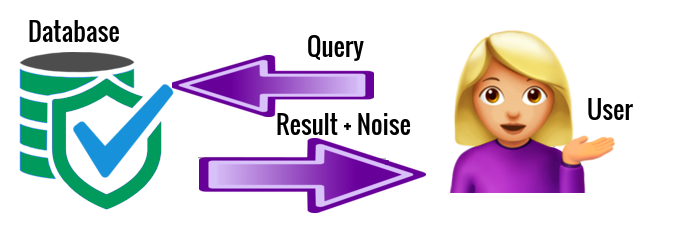
Above is a simple diagram of how Differential Privacy-Preserving Data Sharing and Data Mining protects a User's Data
PySyft is a Python library for secure and private Deep Learning. PySyft decouples private data from model training, using Federated Learning, Differential Privacy, and Encrypted Computation (like Multi-Party Computation (MPC) and Homomorphic Encryption (HE) within the main Deep Learning frameworks like PyTorch and TensorFlow.
TensorFlow Privacy is a Python library that includes implementations of TensorFlow optimizers for training machine learning models with differential privacy. The library comes with tutorials and analysis tools for computing the privacy guarantees provided.
TensorFlow Federated (TFF) is an open-source framework for machine learning and other computations on decentralized data. TFF has been developed to facilitate open research and experimentation with Federated Learning (FL), an approach to machine learning where a shared global model is trained across many participating clients that keep their training data locally.
Privacy on Beam is an end-to-end differential privacy solution built on Apache Beam. It is intended to be usable by all developers, regardless of their differential privacy expertise.
PyDP is a Python wrapper for Google's Differential Privacy project.
PennyLane is a cross-platform Python library for differentiable programming of quantum computers. By training a quantum computer the same way as a neural network.
BoTorch is a library for Bayesian Optimization built on PyTorch.
PyTorch Geometric (PyG) is a geometric deep learning extension library for PyTorch.
Skorch is a scikit-learn compatible neural network library that wraps PyTorch.
Diffprivlib is the IBM Differential Privacy Library for experimenting with, investigating and developing applications in, differential privacy.
Opacus is a library that enables training PyTorch models with differential privacy. It supports training with minimal code changes required on the client, has little impact on training performance and allows the client to online track the privacy budget expended at any given moment.
Smart Noise is a toolkit that uses state-of-the-art differential privacy (DP) techniques to inject noise into data, to prevent disclosure of sensitive information and manage exposure risk.
Differential Privacy Blog Series by the National Institute of Standards and Technology(NIST)
Apple's Differential Privacy Overview
Learning with Privacy at Scale with Apple Machine Learning
Microsoft Research Differential Privacy Overview
Responsible Machine Learning with Microsoft Azure
Responsible AI Resources with Microsoft AI
Preserve data privacy by using differential privacy and the SmartNoise package
Open Differential Privacy(OpenDP) Initiative by Microsoft and Harvard
Google's Differential Privacy Library
Computing Private Statistics with Privacy on Beam from Google Codelabs
Introducing TensorFlow Privacy: Learning with Differential Privacy for Training Data
TensorFlow Federated: Machine Learning on Decentralized Data
Federated Analytics: Collaborative Data Science without Data Collection
Differentially-Private Stochastic Gradient Descent(DP-SGD)
Learning Differential Privacy from Harvard University Privacy Tools Project
Harvard University Privacy Tools Project Courses & Educational Materials
The Weaknesses of Differential Privacy course on Coursera
The Differential Privacy of Bayesian Inference
Simultaneous private learning of multiple concepts
The Complexity of Computing the Optimal Composition of Differential Privacy
Order revealing encryption and the hardness of private learning
SAP HANA data anonymization using SAP Software Solutions
SAP HANA Security using their In-Memory Database
DEFCON Differential Privacy Training Launch
Secure and Private AI course on Udacity
Differential Privacy - Security and Privacy for Big Data - Part 1 course on Coursera
Differential Privacy - Security and Privacy for Big Data - Part 2 course on Coursera
Certified Ethical Emerging Technologist Professional Certificate course on Coursera
Back to the Top
CNCF Cloud Native Interactive Landscape
Build Cloud-Native applications in Microsoft Azure
Cloud-Native application development for Google Cloud
Cloud-Native development for Amazon Web Services
Cloud Native Applications with VMware Tanzu
Cloud Native Computing Foundation Training and Certification Program
Cloud Foundry Developer Training and Certification Program
Cloud-Native Architecture Course on Pluralsight
AWS Fundamentals: Going Cloud-Native on Coursera
Developing Cloud-Native Apps w/ Microservices Architectures course on Udemy
How load balancing works for cloud native applications with Azure Application Gateway on Linkedin Learning
Developing Cloud Native Applications course on edX
Cloud Native courses from IBM
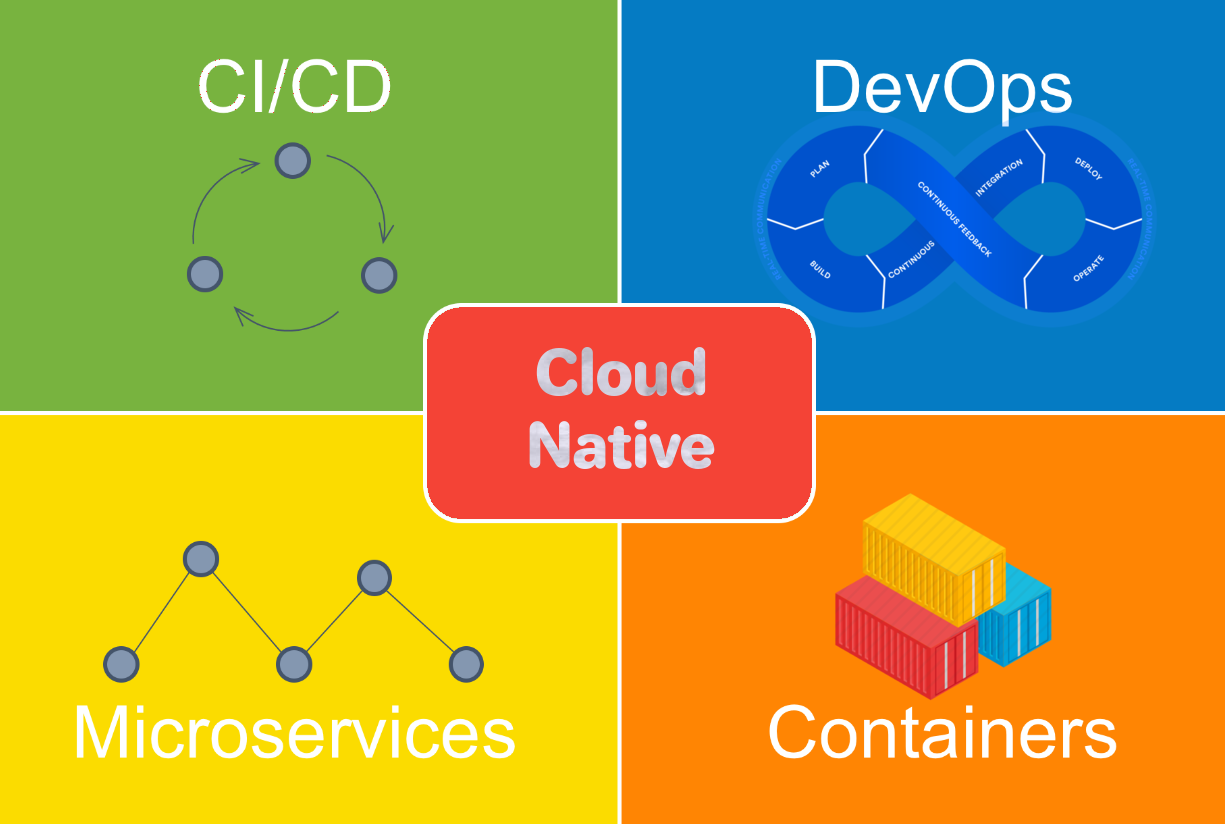
Application Framework
Spring Boot is an open-source micro framework maintained by Pivotal, which was acquired by VMware in 2019. It provides Java developers with a platform to get started with an auto configurable production-grade Spring application.
Apache Mesos is a cluster manager that provides efficient resource isolation and sharing across distributed applications, or frameworks. It can run Hadoop, Jenkins, Spark, Aurora, and other frameworks on a dynamically shared pool of nodes.
Apache Spark is a unified analytics engine for big data processing, with built-in modules for streaming, SQL, machine learning and graph processing.
Apache Hadoop is a framework that allows for the distributed processing of large data sets across clusters of computers using simple programming models. It is designed to scale up from single servers to thousands of machines, each offering local computation and storage. Rather than rely on hardware to deliver high-availability, the library itself is designed to detect and handle failures at the application layer, so delivering a highly-available service on top of a cluster of computers, each of which may be prone to failures.
Runtime Platform
BOSH is a tool that prepares your infrastructure for what needs to be managed. BOSH espouses software engineering best practices, such as continuous delivery, by making it easy to create software releases that automatically update complex distributed systems with simple commands.Due to the flexibility and power of BOSH, Google and VMware made it the heart of the Kubo project, now called the Cloud Foundry Container Runtime, based on Kubernetes.
Infrastructure Automatation
Maven is a build automation tool used primarily for Java projects. Maven can also be used to build and manage projects written in C#, Ruby, Scala, and other languages. The Maven project is hosted by the Apache Software Foundation.
Gradle is an open-source build-automation system that builds upon the concepts of Apache Ant and Apache Maven and introduces a Groovy-based domain-specific language instead of the XML form used by Apache Maven for declaring the project configuration.
Chef is an effortless Infrastructure Suite offers visibility into security and compliance status across all infrastructure and makes it easy to detect and correct issues long before they reach production.
Puppet is an open source tool that makes continuous integration and delivery of your software on traditional or containerized infrastructure easy by pulling together all your existing tools and giving you flexibility to deploy your way.
Ansible is an open-source software provisioning, configuration management, and application-deployment tool. It runs on many Unix-like systems, and can configure both Unix-like systems as well as Microsoft Windows.
Salt is Python-based, open-source software for event-driven IT automation, remote task execution, and configuration management. Supporting the "Infrastructure as Code" approach to data center system and network deployment and management, configuration automation, SecOps orchestration, vulnerability remediation, and hybrid cloud control.
Terraform is an open-source infrastructure as code software tool created by HashiCorp.It enables users to define and provision a datacenter infrastructure using a high-level configuration language known as Hashicorp Configuration Language (HCL), or optionally JSON.
Cloud Infrastructure
Amazon web service(AWS) is a platform that offers flexible, reliable, scalable, easy-to-use and cost-effective cloud computing solutions. The AWS platform is developed with a combination of infrastructure as a service (IaaS), platform as a service (PaaS) and packaged software as a service (SaaS) offerings.
Microsoft Azure is a cloud computing service created by Microsoft for building, testing, deploying, and managing applications and services through Microsoft-managed data centers.
Azure DevOps is a set of services for teams to share code, track work, and ship software; CLIs Build, deploy, diagnose, and manage multi-platform, scalable apps and services; Azure Pipelines Continuously build, test, and deploy to any platform and cloud; Azure Lab Services Set up labs for classrooms, trials, development and testing, and other scenarios.
Azure Draft is a tool for developers to create cloud-native applications on Kubernetes.
Google Cloud Platform integrates industry-leading tools(data management, hybrid & multi-cloud, and AI & ML) with Cloud Storage for enhanced support with everything from security and data transfer, to data backup and archive. Expand all . Backup, archival, and disaster recovery. Along with File systems and gateways.
OpenStack is a free and open-source software platform for cloud computing, mostly deployed as infrastructure-as-a-service that controls large pools of compute, storage, and networking resources throughout a datacenter, managed through a dashboard or via the OpenStack API. OpenStack works with popular enterprise and open source technologies making it ideal for heterogeneous infrastructure.
Cloud Foundry is an open source, multi cloud application platform as a service that makes it faster and easier to build, test, deploy and scale applications, providing a choice of clouds, developer frameworks, and application services. It is an open source project and is available through a variety of private cloud distributions and public cloud instances.
Bamboo is a continuous integration (CI) server that can be used to automate the release management for a software application, creating a continuous delivery pipeline.
Drone is a Continuous Delivery system built on container technology. Drone uses a simple YAML configuration file, a superset of docker-compose, to define and execute Pipelines inside Docker containers.
Travis CI is a hosted continuous integration service used to build and test software projects hosted at GitHub.
Circle CI is a continuous integration and continuous delivery platform that helps software teams work smarter, faster.
Team City is a build management and continuous integration server from JetBrains.
Shippable simplifies DevOps and makes it systematic with an Assembly Line platform that is heterogeneous, flexible, and provides complete visibility across your DevOps workflows.
Spinnaker is an open source, multi-cloud continuous delivery platform for releasing software changes with high velocity and confidence.
Prow is a Kubernetes based CI/CD system. Jobs can be triggered by various types of events and report their status to many different services. In addition to job execution, Prow provides GitHub automation in the form of policy enforcement, chat-ops via /foo style commands, and automatic PR merging. Prow has a microservice architecture implemented as a collection of container images that run as Kubernetes deployments.
AWS ECS is a highly scalable, high-performance container orchestration service that supports Docker containers and allows you to easily run and scale containerized applications on AWS. Amazon ECS eliminates the need for you to install and operate your own container orchestration software, manage and scale a cluster of virtual machines, or schedule containers on those virtual machines.
AWS CodeBuild is a fully managed continuous integration service that compiles source code, runs tests, and produces software packages that are ready to deploy. With CodeBuild, you don't need to provision, manage, and scale your own build servers.
CFEngine is an open-source configuration management system, written by Mark Burgess.Its primary function is to provide automated configuration and maintenance of large-scale computer systems, including the unified management of servers, desktops, consumer and industrial devices, embedded networked devices, mobile smartphones, and tablet computers.
Octpus Deploy is the deployment automation server for your entire team, designed to make it easy to orchestrate releases and deploy applications, whether on-premises or in the cloud.
AWS CodeDeploy is a fully managed deployment service that automates software deployments to a variety of compute services such as Amazon EC2, AWS Fargate, AWS Lambda, and your on-premises servers. AWS CodeDeploy makes it easier for you to rapidly release new features, helps you avoid downtime during application deployment, and handles the complexity of updating your applications.
AWS Lambda is an event-driven, serverless computing platform provided by Amazon as a part of the Amazon Web Services. It is a computing service that runs code in response to events and automatically manages the computing resources required by that code.
Traefik is an open-source Edge Router that makes publishing your services a fun and easy experience. It receives requests on behalf of your system and finds out which components are responsible for handling them. What sets Traefik apart, besides its many features, is that it automatically discovers the right configuration for your services.
Kubernetes is an open-source container-orchestration system for automating application deployment, scaling, and management. It was originally designed by Google, and is now maintained by the Cloud Native Computing Foundation.
Google Kubernetes Engine (GKE) is a managed, production-ready environment for deploying containerized applications.
OpenShift is focused on security at every level of the container stack and throughout the application lifecycle. It includes long-term, enterprise support from one of the leading Kubernetes contributors and open source software companies.
Rancher is a complete software stack for teams adopting containers. It addresses the operational and security challenges of managing multiple Kubernetes clusters, while providing DevOps teams with integrated tools for running containerized workloads.
Docker is a set of platform as a service products that use OS-level virtualization to deliver software in packages called containers. Containers are isolated from one another and bundle their own software, libraries and configuration files; they can communicate with each other through well-defined channels. All containers are run by a single operating-system kernel and are thus more lightweight than virtual machines.
Rook is an open source cloud-native storage orchestrator for Kubernetes that turns distributed storage systems into self-managing, self-scaling, self-healing storage services. It automates the tasks of a storage administrator: deployment, bootstrapping, configuration, provisioning, scaling, upgrading, migration, disaster recovery, monitoring, and resource management.
Podman(the POD MANager) is a tool for managing OCI containers and pods.
Rkt is a pod-native container engine for Linux. It is composable, secure, and built on standards.
Back to the Top
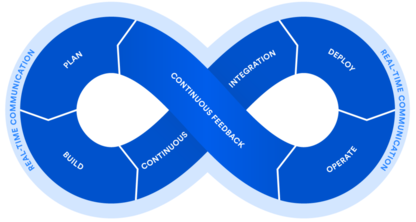
GitHub provides hosting for software development version control using Git. It offers all of the distributed version control and source code management functionality of Git as well as adding its own features. It provides access control and several collaboration features such as bug tracking, feature requests, task management, and wikis for every project.
GitHub Codespaces is an integrated development environment(IDE) on GitHub. That allows developers to develop entirely in the cloud using Visual Studio and Visual Studio Code.
GitHub Actions will automate, customize, and execute your software development workflows right in your repository with GitHub Actions. You can discover, create, and share actions to perform any job you'd like, including CI/CD, and combine actions in a completely customized workflow.GitHub Actions for Azure you can create workflows that you can set up in your repository to build, test, package, release and deploy to Azure.Learn more about all other integrations with Azure.
GitLab is a web-based DevOps lifecycle tool that provides a Git-repository manager providing wiki, issue-tracking and CI/CD pipeline features, using an open-source license, developed by GitLab Inc.
Jenkins is a free and open source automation server. Jenkins helps to automate the non-human part of the software development process, with continuous integration and facilitating technical aspects of continuous delivery.
Bitbucket is a web-based version control repository hosting service owned by Atlassian, for source code and development projects that use either Mercurial or Git revision control systems. Bitbucket offers both commercial plans and free accounts. It offers free accounts with an unlimited number of private repositories. Bitbucket integrates with other Atlassian software like Jira, HipChat, Confluence and Bamboo.
Bamboo is a continuous integration (CI) server that can be used to automate the release management for a software application, creating a continuous delivery pipeline.
Codecov is the leading, dedicated code coverage solution. It provides highly integrated tools to group, merge, archive and compare coverage reports. Whether your team is comparing changes in a pull request or reviewing a single commit, Codecov will improve the code review workflow and quality.
Drone is a Continuous Delivery system built on container technology. Drone uses a simple YAML configuration file, a superset of docker-compose, to define and execute Pipelines inside Docker containers.
Travis CI is a hosted continuous integration service used to build and test software projects hosted at GitHub.
Circle CI is a continuous integration and continuous delivery platform that helps software teams work smarter, faster.
Zuul-CI is a program that drives continuous integration, delivery, and deployment systems with a focus on project gating and interrelated projects. Using the same Ansible playbooks to deploy your system and run your tests.
Artifactory is a Universal Artifact Repository Manager developed by JFrog. It supports all major packages, enterprise ready security, clustered, HA, Docker registry, multi-site replication and scalable.
Azure DevOps is a set of services for teams to share code, track work, and ship software; CLIs Build, deploy, diagnose, and manage multi-platform, scalable apps and services; Azure Pipelines Continuously build, test, and deploy to any platform and cloud; Azure Lab Services Set up labs for classrooms, trials, development and testing, and other scenarios.
Team City is a build management and continuous integration server from JetBrains.
Shippable simplifies DevOps and makes it systematic with an Assembly Line platform that is heterogeneous, flexible, and provides complete visibility across your DevOps workflows.
Spinnaker is an open source, multi-cloud continuous delivery platform for releasing software changes with high velocity and confidence.
AWS CodeBuild is a fully managed continuous integration service that compiles source code, runs tests, and produces software packages that are ready to deploy. With CodeBuild, you don't need to provision, manage, and scale your own build servers.
Selenium is a free (open source) automated testing suite for web applications across different browsers and platforms.
Cucumber is a tool based on Behavior Driven Development (BDD) framework which is used to write acceptance tests for the web application. It allows automation of functional validation in easily readable and understandable format (like plain English) to Business Analysts, Developers, and Testers.
JUnit is a unit testing framework for the Java programming language.
Mocha is a JavaScript test framework for Node.js programs, featuring browser support, asynchronous testing, test coverage reports, and use of any assertion library.
Karma is a simple tool that allows you to execute JavaScript code in multiple real browsers.
Jasmine is an open source testing framework for JavaScript. It aims to run on any JavaScript-enabled platform, to not intrude on the application nor the IDE, and to have easy-to-read syntax.
Maven is a build automation tool used primarily for Java projects. Maven can also be used to build and manage projects written in C#, Ruby, Scala, and other languages. The Maven project is hosted by the Apache Software Foundation.
Gradle is an open-source build-automation system that builds upon the concepts of Apache Ant and Apache Maven and introduces a Groovy-based domain-specific language instead of the XML form used by Apache Maven for declaring the project configuration.
Chef is an effortless Infrastructure Suite offers visibility into security and compliance status across all infrastructure and makes it easy to detect and correct issues long before they reach production.
Puppet is an open source tool that makes continuous integration and delivery of your software on traditional or containerized infrastructure easy by pulling together all your existing tools and giving you flexibility to deploy your way.
Ansible is an open-source software provisioning, configuration management, and application-deployment tool. It runs on many Unix-like systems, and can configure both Unix-like systems as well as Microsoft Windows.
KubeInit provides Ansible playbooks and roles for the deployment and configuration of multiple Kubernetes distributions.
Salt is Python-based, open-source software for event-driven IT automation, remote task execution, and configuration management. Supporting the "Infrastructure as Code" approach to data center system and network deployment and management, configuration automation, SecOps orchestration, vulnerability remediation, and hybrid cloud control.
Terraform is an open-source infrastructure as code software tool created by HashiCorp.It enables users to define and provision a datacenter infrastructure using a high-level configuration language known as Hashicorp Configuration Language (HCL), or optionally JSON.
Consul is a service networking solution to connect and secure services across any runtime platform and public or private cloud.
Packer is lightweight, runs on every major operating system, and is highly performant, creating machine images for multiple platforms in parallel. Packer does not replace configuration management like Chef or Puppet. In fact, when building images, Packer is able to use tools like Chef or Puppet to install software onto the image.
Nomad is a highly available, distributed, data-center aware cluster and application scheduler designed to support the modern datacenter with support for long-running services, batch jobs, and much more.
Vagrant is a tool for building and managing virtual machine environments in a single workflow. With an easy-to-use workflow and focus on automation, Vagrant lowers development environment setup time and increases production parity.
Vault is a tool for securely accessing secrets. A secret is anything that you want to tightly control access to, such as API keys, passwords, certificates, and more. Vault provides a unified interface to any secret, while providing tight access control and recording a detailed audit log.
CFEngine is an open-source configuration management system, written by Mark Burgess.Its primary function is to provide automated configuration and maintenance of large-scale computer systems, including the unified management of servers, desktops, consumer and industrial devices, embedded networked devices, mobile smartphones, and tablet computers.
Octpus Deploy is the deployment automation server for your entire team, designed to make it easy to orchestrate releases and deploy applications, whether on-premises or in the cloud.
AWS CodeDeploy is a fully managed deployment service that automates software deployments to a variety of compute services such as Amazon EC2, AWS Fargate, AWS Lambda, and your on-premises servers. AWS CodeDeploy makes it easier for you to rapidly release new features, helps you avoid downtime during application deployment, and handles the complexity of updating your applications.
Kubernetes is an open-source container-orchestration system for automating application deployment, scaling, and management. It was originally designed by Google, and is now maintained by the Cloud Native Computing Foundation.
Docker is a set of platform as a service products that use OS-level virtualization to deliver software in packages called containers. Containers are isolated from one another and bundle their own software, libraries and configuration files; they can communicate with each other through well-defined channels. All containers are run by a single operating-system kernel and are thus more lightweight than virtual machines.
PowerShell/PowerShell Core is a cross-platform (Windows, Linux, and macOS) automation and configuration tool/framework that works well with your existing tools and is optimized for dealing with structured data (eg JSON, CSV, XML, etc.), REST APIs, and object models. It includes a command-line shell, an associated scripting language and a framework for processing cmdlets.
Hyper-V creates virtual machines on Windows 10. Hyper-V can be enabled in many ways including using the Windows 10 control panel, PowerShell or using the Deployment Imaging Servicing and Management tool (DISM).
Cloud Hypervisor is an open source Virtual Machine Monitor (VMM) that runs on top of KVM. The project focuses on exclusively running modern, cloud workloads, on top of a limited set of hardware architectures and platforms. Cloud workloads refers to those that are usually run by customers inside a cloud provider. Cloud Hypervisor is implemented in Rust and is based on the rust-vmm crates.
VMware vSphere Hypervisor is a bare-metal hypervisor that virtualizes servers; allowing you to consolidate your applications while saving time and money managing your IT infrastructure.
VMware vSphere is the industry-leading compute virtualization platform, and your first step to application modernization. It has been rearchitected with native Kubernetes to allow customers to modernize the 70 million+ workloads now running on vSphere.
VMware Tanzu is a centralized management platform for consistently operating and securing your Kubernetes infrastructure and modern applications across multiple teams and private/public clouds.
Rancher is a complete software stack for teams adopting containers. It addresses the operational and security challenges of managing multiple Kubernetes clusters, while providing DevOps teams with integrated tools for running containerized workloads.
K3s is a highly available, certified Kubernetes distribution designed for production workloads in unattended, resource-constrained, remote locations or inside IoT appliances.
Rook is an open source cloud-native storage orchestrator for Kubernetes that turns distributed storage systems into self-managing, self-scaling, self-healing storage services. It automates the tasks of a storage administrator: deployment, bootstrapping, configuration, provisioning, scaling, upgrading, migration, disaster recovery, monitoring, and resource management.
Google Kubernetes Engine (GKE) is a managed, production-ready environment for deploying containerized applications.
Anthos ist eine moderne Plattform für Anwendungsmanagement, die eine konsistente Entwicklung und Betriebserfahrung für Cloud- und lokale Umgebungen bietet.
AWS ECS is a highly scalable, high-performance container orchestration service that supports Docker containers and allows you to easily run and scale containerized applications on AWS. Amazon ECS eliminates the need for you to install and operate your own container orchestration software, manage and scale a cluster of virtual machines, or schedule containers on those virtual machines.
Apache Mesos is a cluster manager that provides efficient resource isolation and sharing across distributed applications, or frameworks. It can run Hadoop, Jenkins, Spark, Aurora, and other frameworks on a dynamically shared pool of nodes.
Apache Spark is a unified analytics engine for big data processing, with built-in modules for streaming, SQL, machine learning and graph processing.
Apache Hadoop is a framework that allows for the distributed processing of large data sets across clusters of computers using simple programming models. It is designed to scale up from single servers to thousands of machines, each offering local computation and storage. Rather than rely on hardware to deliver high-availability, the library itself is designed to detect and handle failures at the application layer, so delivering a highly-available service on top of a cluster of computers, each of which may be prone to failures.
Microsoft Azure is a cloud computing service created by Microsoft for building, testing, deploying, and managing applications and services through Microsoft-managed data centers.
Azure Functions is a solution for easily running small pieces of code, or "functions," in the cloud. You can write just the code you need for the problem at hand, without worrying about a whole application or the infrastructure to run it.
Rkt is a pod-native container engine for Linux. It is composable, secure, and built on standards.
AWS Lambda is an event-driven, serverless computing platform provided by Amazon as a part of the Amazon Web Services. It is a computing service that runs code in response to events and automatically manages the computing resources required by that code.
Helm is the Kubernetes Package Manager.
Kubespray is a tool that combines Kubernetes and Ansible to easily install Kubernetes clusters that can be deployed on AWS, GCE, Azure, OpenStack, vSphere, Packet (bare metal), Oracle Cloud Infrastructure (Experimental), or Baremetal
Red Hat OpenShift is focused on security at every level of the container stack and throughout the application lifecycle. It includes long-term, enterprise support from one of the leading Kubernetes contributors and open source software companies.
OpenShift Hive is an operator which runs as a service on top of Kubernetes/OpenShift. The Hive service can be used to provision and perform initial configuration of OpenShift 4 clusters.
OKD ist eine Community-Verteilung von Kubernetes, die für die kontinuierliche Anwendungsentwicklung und die Bereitstellung von Multi-Mietern optimiert sind. OKD fügt Entwickler und operativorientierte Tools über Kubernetes hinzu, um eine schnelle Anwendungsentwicklung, eine einfache Bereitstellung und Skalierung sowie eine langfristige Wartung von Lebenszyklus für kleine und große Teams zu ermöglichen.
ODO ist ein schnelles, iteratives und unkompliziertes CLI -Tool für Entwickler, die Anwendungen auf Kubernetes und OpenShift schreiben, erstellen und bereitstellen.
Kata Operator is an operator to perform lifecycle management (install/upgrade/uninstall) of Kata Runtime on Openshift as well as Kubernetes cluster.
Knative is a Kubernetes-based platform to build, deploy, and manage modern serverless workloads. Knative takes care of the operational overhead details of networking, autoscaling (even to zero), and revision tracking.
Etcd is a distributed key-value store that provides a reliable way to store data that needs to be accessed by a distributed system or cluster of machines. Etcd is used as the backend for service discovery and stores cluster state and configuration for Kubernetes.
OpenStack is a free and open-source software platform for cloud computing, mostly deployed as infrastructure-as-a-service that controls large pools of compute, storage, and networking resources throughout a datacenter, managed through a dashboard or via the OpenStack API. OpenStack works with popular enterprise and open source technologies making it ideal for heterogeneous infrastructure.
Cloud Foundry is an open source, multi cloud application platform as a service that makes it faster and easier to build, test, deploy and scale applications, providing a choice of clouds, developer frameworks, and application services. It is an open source project and is available through a variety of private cloud distributions and public cloud instances.
Splunk software is used for searching, monitoring, and analyzing machine-generated big data, via a Web-style interface.
Prometheus is a free software application used for event monitoring and alerting. It records real-time metrics in a time series database (allowing for high dimensionality) built using a HTTP pull model, with flexible queries and real-time alerting.
Loki is a horizontally-scalable, highly-available, multi-tenant log aggregation system inspired by Prometheus. It is designed to be very cost effective and easy to operate. It does not index the contents of the logs, but rather a set of labels for each log stream.
Thanos is a set of components that can be composed into a highly available metric system with unlimited storage capacity, which can be added seamlessly on top of existing Prometheus deployments.
Container Storage Interface (CSI) is an API that lets container orchestration platforms like Kubernetes seamlessly communicate with stored data via a plug-in.
OpenEBS is a Kubernetes-based tool to create stateful applications using Container Attached Storage.
ElasticSearch is a search engine based on the Lucene library. It provides a distributed, multitenant-capable full-text search engine with an HTTP web interface and schema-free JSON documents. Elasticsearch is developed in Java.
Logstash is a tool for managing events and logs. When used generically, the term encompasses a larger system of log collection, processing, storage and searching activities.
Kibana is an open source data visualization plugin for Elasticsearch. It provides visualization capabilities on top of the content indexed on an Elasticsearch cluster. Users can create bar, line and scatter plots, or pie charts and maps on top of large volumes of data.
New Relic is a SaaS-based monitoring tool that fully supports the way DevOps teams work in the modern enterprise by streamlining your workflows with today's collaboration software and orchestration tools like Puppet, Chef, and Ansible.
Nagios is a free and open source computer-software application that monitors systems, networks and infrastructure. Nagios offers monitoring and alerting services for servers, switches, applications and services. It alerts users when things go wrong and alerts them a second time when the problem has been resolved.
SonarQube is an open-source platform developed by SonarSource for continuous inspection of code quality to perform automatic reviews with static analysis of code to detect bugs, code smells, and security vulnerabilities on 20+ programming languages.
Genie is a federated job orchestration engine developed by Netflix. Genie provides REST APIs to run a variety of big data jobs like Hadoop, Pig, Hive, Spark, Presto, Sqoop and more. It also provides APIs for managing the metadata of many distributed processing clusters and the commands and applications which run on them.
Inviso is a lightweight tool that provides the ability to search for Hadoop jobs, visualize the performance, and view cluster utilization.
Fenzo is a scheduler Java library for Apache Mesos frameworks that supports plugins for scheduling optimizations and facilitates cluster autoscaling.
Dynomite is a thin, distributed dynamo layer for different storage engines and protocols, which includes Redis and Memcached. Dynomite supports multi-datacenter replication and is designed for High Availability(HA).
Dyno is a tool that is used to scale a Java client application utilizing Dynomite.
Raigad is a process/tool that runs alongside Elasticsearch to automate backup/recovery, Deployments and Centralized Configuration management.
Priam is a process/tool that runs alongside Apache Cassandra to automate backup/recovery, Deployments and Centralized Configuration management.
Chaos Monkey is a resiliency tool used to randomly terminates virtual machine instances and containers that run inside of your production environment. Chaos Monkey should work with any backend that Spinnaker supports (AWS, Google Compute Engine, Microsoft Azure, Kubernetes, and Cloud Foundry).
Falcor is a JavaScript library for efficient data fetching. Falcor lets you represent all your remote data sources as a single domain model via a virtual JSON graph, whether in memory on the client or over the network on the server.
Restify is a framework, utilizing connect style middleware for building REST APIs.
Traefik is an open source Edge Router that makes publishing your services a fun and easy experience. It receives requests on behalf of your system and finds out which components are responsible for handling them. What sets Traefik apart, besides its many features, is that it automatically discovers the right configuration for your services.
Jira is a proprietary issue tracking product developed by Atlassian that allows bug tracking and agile project management.
Pivotal Tracker is the agile project management tool of choice for developers around the world for real-time collaboration around a shared, prioritized backlog.
Trello is a web-based Kanban-style list-making application that gives you perspective over all your projects, at work and at home.
Microsoft Teams is the hub for team collaboration in Office 365 that integrates the people, content, and tools your team needs to be more engaged and effective.
Slack is a cloud-based proprietary instant messaging platform developed by Slack Technologies.
OpsGenie is a cloud-based service for dev & ops teams, providing reliable alerts, on-call schedule management and escalations. OpsGenie integrates with monitoring tools & services, ensures the right people are notified.
Pagerduty automates processes built on best practices, allowing you to focus on higher value parts of incident response. Granular and scalable permissions enable teams to administer and operate independently while controlling visibility.
Veracode is a leading provider of enterprise-class application security, seamlessly integrating agile security solutions for organizations around the globe. In addition to application security services and secure devops services, Veracode provides a full security assessment to ensure your website and applications are secure, and ensures full enterprise data protection.
DevOps Engineering on AWS from AWS Training
AWS Certified DevOps Engineer - Professional from A Cloud Guru
Microsoft Certified: DevOps Engineer Expert Cert.
Introduction to Azure DevOps from A Cloud Guru
Architecting with Google Compute Engine
Architecting with Google Kubernetes Engine in Google Cloud
VMware Training and Certification Program
Cloudera Certification Program
Salesforce Certification Program
Salesforce Superbadges
Red Hat Training and Certification Program
Linux Foundation Training and Certification Program
Linux Professional Institute(LPI) Training and Certification
Learn DevOps with Online Courses and Lessons from edX
Top DevOps Courses Online from Udemy
Devops Courses from Coursera
Back to the Top

Flutter is Google's UI toolkit for crafting beautiful, natively compiled applications for mobile(Andorid and iOS), web, and desktop(Windows, MacOS, Linux, and Google Fuchsia) from a single codebase. Flutter works with existing code, is used by developers and organizations around the world, and is free and open source.
Flutter Gems is a curated package guide for Flutter which functionally categorizes some of the most useful and popular flutter packages available on pub.dev Flutter Gems A Flutter package landscape guide comprising 1500+ neatly categorized useful and popular packages.
Dart is an open-source, scalable programming language, with robust libraries and runtimes, for building web, server, and mobile apps using the Flutter framework.
Flutter documentation
Style Guide for Flutter
Creating your first Flutter app
Build and release an Android app using Flutter
Flutter Tools & techniques
Dart and Flutter: The Complete Developer's Guide on Udemy
Creating an Interactive Story with Flutter on Coursera
Flutter for Beginners course on Pluralsight
Flutter Online Training Courses on LinkedIn Learning
The Complete Flutter App Development Bootcamp with Dart by App Brewery
Adding Firebase to your Flutter app
Using Firebase and Firestore with Flutter
Fuchsia Project
Getting Started with Fuchsia
Fuchsia Reference
Contributing to Fuchsia
Firebase is a Backend-as-a-Service (BaaS) app development platform that provides hosted backend services such as a realtime database, cloud storage, authentication, crash reporting, machine learning, remote configuration, and hosting for your static files.
FlutterFire is a set of Flutter plugins that enable Flutter apps to use Firebase services. You can follow an example that shows how to use these plugins in the Firebase for Flutter codelab.
FlutterBoost is a Flutter plugin which enables hybrid integration of Flutter for your existing native apps with minimum efforts.
Go-flutter is a package that brings Flutter to the desktop. project implements the Flutter's Embedding API using a single code base that runs on Windows, macOS, and Linux. Zum Rendern passt GLFW für den Job, da es für jede Plattform die richtigen Abstraktionen über den OpenGL -Puffer/Maus/Maus/Tastatur bietet.
Appwrite is a secure end-to-end backend server for Web, Mobile, and Flutter developers that is packaged as a set of Docker containers for easy deployment.
Fluro is a Flutter routing library that adds flexible routing options like wildcards, named parameters and clear route definitions.
Back to the Top
AWS Certified Security - Specialty Certification
Microsoft Certified: Azure Security Engineer Associate
Google Cloud Certified Professional Cloud Security Engineer
Cisco Security Certifications
The Red Hat Certified Specialist in Security: Linux
Linux Professional Institute LPIC-3 Enterprise Security Certification
Cybersecurity Training and Courses from IBM Skills
Cybersecurity Courses and Certifications by Offensive Security
Citrix Certified Associate – Networking(CCA-N)
Citrix Certified Professional – Virtualization(CCP-V)
CCNP Routing and Switching
Certified Information Security Manager(CISM)
Wireshark Certified Network Analyst (WCNA)
Juniper Networks Certification Program Enterprise (JNCP)
Networking courses and specializations from Coursera
Network & Security Courses from Udemy
Network & Security Courses from edX
 • Connection: In networking, a connection refers to pieces of related information that are transferred through a network. This generally infers that a connection is built before the data transfer (by following the procedures laid out in a protocol) and then is deconstructed at the at the end of the data transfer.

• Packet: A packet is, generally speaking, the most basic unit that is transferred over a network. When communicating over a network, packets are the envelopes that carry your data (in pieces) from one end point to the other.
Packets have a header portion that contains information about the packet including the source and destination, timestamps, network hops. The main portion of a packet contains the actual data being transferred. It is sometimes called the body or the payload.
• Network Interface: A network interface can refer to any kind of software interface to networking hardware. For instance, if you have two network cards in your computer, you can control and configure each network interface associated with them individually.
A network interface may be associated with a physical device, or it may be a representation of a virtual interface. The "loop-back" device, which is a virtual interface to the local machine, is an example of this.
 • LAN: LAN stands for "local area network". It refers to a network or a portion of a network that is not publicly accessible to the greater internet. A home or office network is an example of a LAN.

• WAN: WAN stands for "wide area network". It means a network that is much more extensive than a LAN. While WAN is the relevant term to use to describe large, dispersed networks in general, it is usually meant to mean the internet, as a whole.
If an interface is connected to the WAN, it is generally assumed that it is reachable through the internet.
• Protocol: A protocol is a set of rules and standards that basically define a language that devices can use to communicate. There are a great number of protocols in use extensively in networking, and they are often implemented in different layers.
Some low level protocols are TCP, UDP, IP, and ICMP. Some familiar examples of application layer protocols, built on these lower protocols, are HTTP (for accessing web content), SSH, TLS/SSL, and FTP.
 • Port: A port is an address on a single machine that can be tied to a specific piece of software. It is not a physical interface or location, but it allows your server to be able to communicate using more than one application.

• Firewall: A firewall is a program that decides whether traffic coming into a server or going out should be allowed. A firewall usually works by creating rules for which type of traffic is acceptable on which ports. Generally, firewalls block ports that are not used by a specific application on a server.

• NAT: Network address translation is a way to translate requests that are incoming into a routing server to the relevant devices or servers that it knows about in the LAN. This is usually implemented in physical LANs as a way to route requests through one IP address to the necessary backend servers.

• VPN: Virtual private network is a means of connecting separate LANs through the internet, while maintaining privacy. This is used as a means of connecting remote systems as if they were on a local network, often for security reasons.
 While networking is often discussed in terms of topology in a horizontal way, between hosts, its implementation is layered in a vertical fashion throughout a computer or network. This means is that there are multiple technologies and protocols that are built on top of each other in order for communication to function more easily. Each successive, higher layer abstracts the raw data a little bit more, and makes it simpler to use for applications and users. It also allows you to leverage lower layers in new ways without having to invest the time and energy to develop the protocols and applications that handle those types of traffic.

As data is sent out of one machine, it begins at the top of the stack and filters downwards. At the lowest level, actual transmission to another machine takes place. At this point, the data travels back up through the layers of the other computer. Each layer has the ability to add its own "wrapper" around the data that it receives from the adjacent layer, which will help the layers that come after decide what to do with the data when it is passed off.

One method of talking about the different layers of network communication is the OSI model. OSI stands for Open Systems Interconnect.This model defines seven separate layers. The layers in this model are:

• Application: The application layer is the layer that the users and user-applications most often interact with. Network communication is discussed in terms of availability of resources, partners to communicate with, and data synchronization.

• Presentation: The presentation layer is responsible for mapping resources and creating context. It is used to translate lower level networking data into data that applications expect to see.

• Session: The session layer is a connection handler. It creates, maintains, and destroys connections between nodes in a persistent way.

• Transport: The transport layer is responsible for handing the layers above it a reliable connection. In this context, reliable refers to the ability to verify that a piece of data was received intact at the other end of the connection. This layer can resend information that has been dropped or corrupted and can acknowledge the receipt of data to remote computers.

• Network: The network layer is used to route data between different nodes on the network. It uses addresses to be able to tell which computer to send information to. This layer can also break apart larger messages into smaller chunks to be reassembled on the opposite end.

• Data Link: This layer is implemented as a method of establishing and maintaining reliable links between different nodes or devices on a network using existing physical connections.

• Physical: The physical layer is responsible for handling the actual physical devices that are used to make a connection. This layer involves the bare software that manages physical connections as well as the hardware itself (like Ethernet).
The TCP/IP model, more commonly known as the Internet protocol suite, is another layering model that is simpler and has been widely adopted.It defines the four separate layers, some of which overlap with the OSI model:
• Application: In this model, the application layer is responsible for creating and transmitting user data between applications. The applications can be on remote systems, and should appear to operate as if locally to the end user.
The communication takes place between peers network.
 • Transport: The transport layer is responsible for communication between processes. This level of networking utilizes ports to address different services. It can build up unreliable or reliable connections depending on the type of protocol used.

• Internet: The internet layer is used to transport data from node to node in a network. This layer is aware of the endpoints of the connections, but does not worry about the actual connection needed to get from one place to another. IP addresses are defined in this layer as a way of reaching remote systems in an addressable manner.

• Link: The link layer implements the actual topology of the local network that allows the internet layer to present an addressable interface. It establishes connections between neighboring nodes to send data.
Interfaces are networking communication points for your computer. Each interface is associated with a physical or virtual networking device. Typically, your server will have one configurable network interface for each Ethernet or wireless internet card you have. In addition, it will define a virtual network interface called the "loopback" or localhost interface. This is used as an interface to connect applications and processes on a single computer to other applications and processes. You can see this referenced as the "lo" interface in many tools.
Networking works by piggybacks on a number of different protocols on top of each other. In this way, one piece of data can be transmitted using multiple protocols encapsulated within one another.
Media access control is a communications protocol that is used to distinguish specific devices. Each device is supposed to get a unique MAC address during the manufacturing process that differentiates it from every other device on the internet. Addressing hardware by the MAC address allows you to reference a device by a unique value even when the software on top may change the name for that specific device during operation. Media access control is one of the only protocols from the link layer that you are likely to interact with on a regular basis.
The IP protocol is one of the fundamental protocols that allow the internet to work. IP addresses are unique on each network and they allow machines to address each other across a network. It is implemented on the internet layer in the IP/TCP model. Networks can be linked together, but traffic must be routed when crossing network boundaries. This protocol assumes an unreliable network and multiple paths to the same destination that it can dynamically change between. There are a number of different implementations of the protocol. The most common implementation today is IPv4, although IPv6 is growing in popularity as an alternative due to the scarcity of IPv4 addresses available and improvements in the protocols capabilities.
ICMP: internet control message protocol is used to send messages between devices to indicate the availability or error conditions. These packets are used in a variety of network diagnostic tools, such as ping and traceroute. Usually ICMP packets are transmitted when a packet of a different kind meets some kind of a problem. Basically, they are used as a feedback mechanism for network communications.
TCP: Transmission control protocol is implemented in the transport layer of the IP/TCP model and is used to establish reliable connections. TCP is one of the protocols that encapsulates data into packets. It then transfers these to the remote end of the connection using the methods available on the lower layers. On the other end, it can check for errors, request certain pieces to be resent, and reassemble the information into one logical piece to send to the application layer. The protocol builds up a connection prior to data transfer using a system called a three-way handshake. This is a way for the two ends of the communication to acknowledge the request and agree upon a method of ensuring data reliability. After the data has been sent, the connection is torn down using a similar four-way handshake. TCP is the protocol of choice for many of the most popular uses for the internet, including WWW, FTP, SSH, and email. It is safe to say that the internet we know today would not be here without TCP.
UDP: User datagram protocol is a popular companion protocol to TCP and is also implemented in the transport layer. The fundamental difference between UDP and TCP is that UDP offers unreliable data transfer. It does not verify that data has been received on the other end of the connection. This might sound like a bad thing, and for many purposes, it is. However, it is also extremely important for some functions. It's not required to wait for confirmation that the data was received and forced to resend data, UDP is much faster than TCP. It does not establish a connection with the remote host, it simply fires off the data to that host and doesn't care if it is accepted or not. Since UDP is a simple transaction, it is useful for simple communications like querying for network resources. It also doesn't maintain a state, which makes it great for transmitting data from one machine to many real-time clients. This makes it ideal for VOIP, games, and other applications that cannot afford delays.
HTTP: Hypertext transfer protocol is a protocol defined in the application layer that forms the basis for communication on the web. HTTP defines a number of functions that tell the remote system what you are requesting. For instance, GET, POST, and DELETE all interact with the requested data in a different way.
JSON Web Token (JWT) is a compact URL-safe means of representing claims to be transferred between two parties. The claims in a JWT are encoded as a JSON object that is digitally signed using JSON Web Signature (JWS).
OAuth 2.0 is an open source authorization framework that enables applications to obtain limited access to user accounts on an HTTP service, such as Amazon, Google, Facebook, Microsoft, Twitter GitHub, and DigitalOcean. It works by delegating user authentication to the service that hosts the user account, and authorizing third-party applications to access the user account.
FTP: File transfer protocol is in the application layer and provides a way of transferring complete files from one host to another. It is inherently insecure, so it is not recommended for any externally facing network unless it is implemented as a public, download-only resource.
DNS: Domain name system is an application layer protocol used to provide a human-friendly naming mechanism for internet resources. It is what ties a domain name to an IP address and allows you to access sites by name in your browser.
SSH: Secure shell is an encrypted protocol implemented in the application layer that can be used to communicate with a remote server in a secure way. Many additional technologies are built around this protocol because of its end-to-end encryption and ubiquity. There are many other protocols that we haven't covered that are equally important. However, this should give you a good overview of some of the fundamental technologies that make the internet and networking possible.
KVM (for Kernel-based Virtual Machine) is a full virtualization solution for Linux on x86 hardware containing virtualization extensions (Intel VT or AMD-V). It consists of a loadable kernel module, kvm.ko, that provides the core virtualization infrastructure and a processor specific module, kvm-intel.ko or kvm-amd.ko.
QEMU is a fast processor emulator using a portable dynamic translator. QEMU emulates a full system, including a processor and various peripherals. It can be used to launch a different Operating System without rebooting the PC or to debug system code.
Hyper-V enables running virtualized computer systems on top of a physical host. These virtualized systems can be used and managed just as if they were physical computer systems, however they exist in virtualized and isolated environment. Special software called a hypervisor manages access between the virtual systems and the physical hardware resources. Virtualization enables quick deployment of computer systems, a way to quickly restore systems to a previously known good state, and the ability to migrate systems between physical hosts.
VirtManager is a graphical tool for managing virtual machines via libvirt. Most usage is with QEMU/KVM virtual machines, but Xen and libvirt LXC containers are well supported. Common operations for any libvirt driver should work.
oVirt is an open-source distributed virtualization solution, designed to manage your entire enterprise infrastructure. oVirt uses the trusted KVM hypervisor and is built upon several other community projects, including libvirt, Gluster, PatternFly, and Ansible.Founded by Red Hat as a community project on which Red Hat Enterprise Virtualization is based allowing for centralized management of virtual machines, compute, storage and networking resources, from an easy-to-use web-based front-end with platform independent access.
Xen is focused on advancing virtualization in a number of different commercial and open source applications, including server virtualization, Infrastructure as a Services (IaaS), desktop virtualization, security applications, embedded and hardware appliances, and automotive/aviation.
Ganeti is a virtual machine cluster management tool built on top of existing virtualization technologies such as Xen or KVM and other open source software. Once installed, the tool assumes management of the virtual instances (Xen DomU).
Packer is an open source tool for creating identical machine images for multiple platforms from a single source configuration. Packer is lightweight, runs on every major operating system, and is highly performant, creating machine images for multiple platforms in parallel. Packer does not replace configuration management like Chef or Puppet. In fact, when building images, Packer is able to use tools like Chef or Puppet to install software onto the image.
Vagrant is a tool for building and managing virtual machine environments in a single workflow. With an easy-to-use workflow and focus on automation, Vagrant lowers development environment setup time, increases production parity, and makes the "works on my machine" excuse a relic of the past. It provides easy to configure, reproducible, and portable work environments built on top of industry-standard technology and controlled by a single consistent workflow to help maximize the productivity and flexibility of you and your team.
VMware Workstation is a hosted hypervisor that runs on x64 versions of Windows and Linux operating systems; it enables users to set up virtual machines on a single physical machine, and use them simultaneously along with the actual machine.
VirtualBox is a powerful x86 and AMD64/Intel64 virtualization product for enterprise as well as home use. Not only is VirtualBox an extremely feature rich, high performance product for enterprise customers.
Back to the Top

SQL is a standard language for storing, manipulating and retrieving data in relational databases.
SQL Tutorial by W3Schools
Learn SQL Skills Online from Coursera
SQL Courses Online from Udemy
SQL Online Training Courses from LinkedIn Learning
Learn SQL For Free from Codecademy
GitLab's SQL Style Guide
OracleDB SQL Style Guide Basics
Tableau CRM: BI Software and Tools
Databases on AWS
Best Practices and Recommendations for SQL Server Clustering in AWS EC2.
Connecting from Google Kubernetes Engine to a Cloud SQL instance.
Educational Microsoft Azure SQL resources
MySQL Certifications
SQL vs. NoSQL Databases: What's the Difference?
What is NoSQL?
Azure Data Studio is an open source data management tool that enables working with SQL Server, Azure SQL DB and SQL DW from Windows, macOS and Linux.
Azure SQL Database is the intelligent, scalable, relational database service built for the cloud. It's evergreen and always up to date, with AI-powered and automated features that optimize performance and durability for you. Serverless compute and Hyperscale storage options automatically scale resources on demand, so you can focus on building new applications without worrying about storage size or resource management.
Azure SQL Managed Instance is a fully managed SQL Server Database engine instance that's hosted in Azure and placed in your network. This deployment model makes it easy to lift and shift your on-premises applications to the cloud with very few application and database changes. Managed instance has split compute and storage components.
Azure Synapse Analytics is a limitless analytics service that brings together enterprise data warehousing and Big Data analytics. It gives you the freedom to query data on your terms, using either serverless or provisioned resources at scale. It brings together the best of the SQL technologies used in enterprise data warehousing, Spark technologies used in big data analytics, and Pipelines for data integration and ETL/ELT.
MSSQL for Visual Studio Code is an extension for developing Microsoft SQL Server, Azure SQL Database and SQL Data Warehouse everywhere with a rich set of functionalities.
SQL Server Data Tools (SSDT) is a development tool for building SQL Server relational databases, Azure SQL Databases, Analysis Services (AS) data models, Integration Services (IS) packages, and Reporting Services (RS) reports. With SSDT, a developer can design and deploy any SQL Server content type with the same ease as they would develop an application in Visual Studio or Visual Studio Code.
Bulk Copy Program is a command-line tool that comes with Microsoft SQL Server. BCP, allows you to import and export large amounts of data in and out of SQL Server databases quickly snd efficeiently.
SQL Server Migration Assistant is a tool from Microsoft that simplifies database migration process from Oracle to SQL Server, Azure SQL Database, Azure SQL Database Managed Instance and Azure SQL Data Warehouse.
SQL Server Integration Services is a development platform for building enterprise-level data integration and data transformations solutions. Use Integration Services to solve complex business problems by copying or downloading files, loading data warehouses, cleansing and mining data, and managing SQL Server objects and data.
SQL Server Business Intelligence(BI) is a collection of tools in Microsoft's SQL Server for transforming raw data into information businesses can use to make decisions.
Tableau is a Data Visualization software used in relational databases, cloud databases, and spreadsheets. Tableau was acquired by Salesforce in August 2019.
DataGrip is a professional DataBase IDE developed by Jet Brains that provides context-sensitive code completion, helping you to write SQL code faster. Completion is aware of the tables structure, foreign keys, and even database objects created in code you're editing.
RStudio is an integrated development environment for R and Python, with a console, syntax-highlighting editor that supports direct code execution, and tools for plotting, history, debugging and workspace management.
MySQL is a fully managed database service to deploy cloud-native applications using the world's most popular open source database.
PostgreSQL is a powerful, open source object-relational database system with over 30 years of active development that has earned it a strong reputation for reliability, feature robustness, and performance.
Amazon DynamoDB is a key-value and document database that delivers single-digit millisecond performance at any scale. It is a fully managed, multiregion, multimaster, durable database with built-in security, backup and restore, and in-memory caching for internet-scale applications.
FoundationDB is an open source distributed database designed to handle large volumes of structured data across clusters of commodity servers. It organizes data as an ordered key-value store and employs ACID transactions for all operations. It is especially well-suited for read/write workloads but also has excellent performance for write-intensive workloads. FoundationDB was acquired by Apple in 2015.
CouchbaseDB is an open source distributed multi-model NoSQL document-oriented database. It creates a key-value store with managed cache for sub-millisecond data operations, with purpose-built indexers for efficient queries and a powerful query engine for executing SQL queries.
IBM DB2 is a collection of hybrid data management products offering a complete suite of AI-empowered capabilities designed to help you manage both structured and unstructured data on premises as well as in private and public cloud environments. Db2 is built on an intelligent common SQL engine designed for scalability and flexibility.
MongoDB is a document database meaning it stores data in JSON-like documents.
OracleDB is a powerful fully managed database helps developers manage business-critical data with the highest availability, reliability, and security.
MariaDB is an enterprise open source database solution for modern, mission-critical applications.
SQLite is a C-language library that implements a small, fast, self-contained, high-reliability, full-featured, SQL database engine.SQLite is the most used database engine in the world. SQLite is built into all mobile phones and most computers and comes bundled inside countless other applications that people use every day.
SQLite Database Browser is an open source SQL tool that allows users to create, design and edits SQLite database files. It lets users show a log of all the SQL commands that have been issued by them and by the application itself.
dbWatch is a complete database monitoring/management solution for SQL Server, Oracle, PostgreSQL, Sybase, MySQL and Azure. Designed for proactive management and automation of routine maintenance in large scale on-premise, hybrid/cloud database environments.
Cosmos DB Profiler is a real-time visual debugger allowing a development team to gain valuable insight and perspective into their usage of Cosmos DB database. It identifies over a dozen suspicious behaviors from your application's interaction with Cosmos DB.
Adminer is an SQL management client tool for managing databases, tables, relations, indexes, users. Adminer has support for all the popular database management systems such as MySQL, MariaDB, PostgreSQL, SQLite, MS SQL, Oracle, Firebird, SimpleDB, Elasticsearch and MongoDB.
DBeaver is an open source database tool for developers and database administrators. It offers supports for JDBC compliant databases such as MySQL, Oracle, IBM DB2, SQL Server, Firebird, SQLite, Sybase, Teradata, Firebird, Apache Hive, Phoenix, and Presto.
DbVisualizer is a SQL management tool that allows users to manage a wide range of databases such as Oracle, Sybase, SQL Server, MySQL, H3, and SQLite.
AppDynamics Database is a management product for Microsoft SQL Server. With AppDynamics you can monitor and trend key performance metrics such as resource consumption, database objects, schema statistics and more, allowing you to proactively tune and fix issues in a High-Volume Production Environment.
Toad is a SQL Server DBMS toolset developed by Quest. It increases productivity by using extensive automation, intuitive workflows, and built-in expertise. This SQL management tool resolve issues, manage change and promote the highest levels of code quality for both relational and non-relational databases.
Lepide SQL Server is an open source storage manager utility to analyse the performance of SQL Servers. It provides a complete overview of all configuration and permission changes being made to your SQL Server environment through an easy-to-use, graphical user interface.
Sequel Pro is a fast MacOS database management tool for working with MySQL. This SQL management tool helpful for interacting with your database by easily to adding new databases, new tables, and new rows.
Back to the Top
Distributed under the Creative Commons Attribution 4.0 International (CC BY 4.0) Public License.





